In This Guide
Let's be honest. You've probably seen that perfect, breezy look of long hair curtain bangs straight hair all over your feed. It looks effortless, right? Like the person just woke up looking fantastic. I thought so too, and that's why I finally took the plunge last year. Let me tell you, the journey from inspiration to reality had a few more steps than I anticipated. Some good, some... well, let's just say I had a few mornings where I regretted my life choices before I figured it out.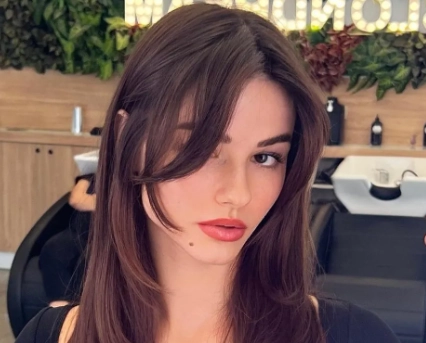
This guide isn't about selling you a fantasy. It's about giving you the real, practical, and sometimes brutally honest lowdown on whether this hairstyle is for you, how to get it, and how to live with it day-to-day. We're going beyond the Pinterest board and into the reality of maintenance, styling, and face-flattering magic.
Maybe. But it depends entirely on you. Let's figure that out.
Who Actually Looks Good with Curtain Bangs on Long Straight Hair?
This is the million-dollar question. The truth is, curtain bangs are incredibly versatile—way more than regular blunt bangs. But they're not a universal fix. The key is in how they're cut and styled to work with your face, not against it.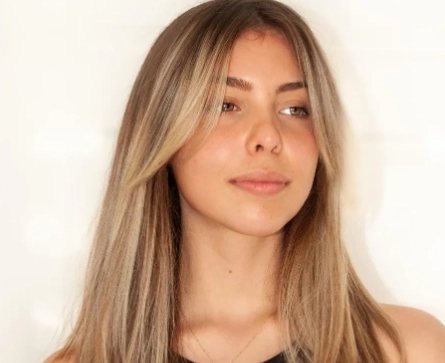
I have a round face. I was terrified curtain bangs would make it look like a full moon. My stylist (a genius, thank goodness) explained it's all about length and texture. For me, she started the bangs longer, so they grazed my cheekbones, creating a slimming vertical line. It worked.
The goal of curtain bangs on straight hair is to create a soft frame. They should blend seamlessly into your long hair, not sit on top of it like a separate entity. It's about connection.
Here's a quick, honest breakdown of what works for different shapes. Remember, these are guidelines, not rules. A great stylist can tweak them.
| Face Shape | Ideal Curtain Bangs Approach | What to Avoid |
|---|---|---|
| Oval | You hit the genetic jackpot for this style. Almost any length (mid-cheek to jawline) works. Center or slightly off-center part. | Being too precious about it. You can experiment. |
| Round | Longer bangs that start past the chin. Use them to create angles and length. A deep side part can help. | Short, wide bangs that end at the apples of your cheeks—they'll emphasize the roundness. |
| Square | Softer, wispier ends are your friend. Aim for length past the jaw to soften the angles. A center part softens the strong jawline. | Heavy, blunt-cut bangs that add more horizontal lines to your face. |
| Heart | Perfect for balancing a wider forehead. Start them wider at the forehead and taper. They fill in the temple area beautifully. | Bangs that are too narrow or short; they can make the forehead look more pointed. |
| Long | Shorter, fuller curtain bangs that hit between the eyebrow and cheekbone. This adds width and breaks up the length of the face. | Super long, stringy bangs that follow the face down—they'll just elongate it further. |
Hair texture matters too. If your straight hair is super fine, you might need a bit more layering around the face to give the bangs body, or they can look limp. If it's thick and poker-straight, texturizing shears are a stylist's best friend to prevent a heavy, triangular look.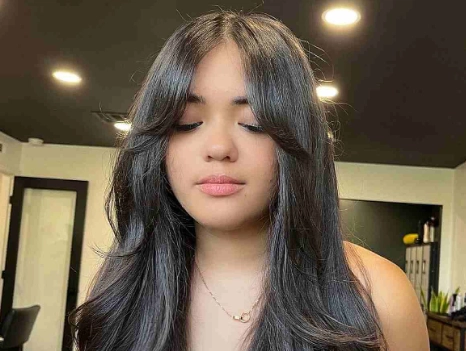
Getting the Cut: How to Talk to Your Stylist (And Not Regret It)
This is where most people mess up. You can't just walk in and say "I want curtain bangs." You need a plan. Bringing photos is great, but bring multiple photos. Show them what you like, and crucially, point out what you don't like. Is it too short? Too wispy? Too blunt?
Here's the script I wish I had for my first cut:
Key Phrases to Use:
- "I want them to blend into my long layers, not look like a separate piece."
- "Can we start a bit longer? I can always come back to go shorter." (This is golden advice).
- "My hair is [fine/thick]. How can we cut it so it has movement and doesn't look heavy?"
- "I usually wear my part [center/side]. Can we cut them with that in mind?"
A professional stylist will assess your hair's growth patterns, cowlicks (that annoying swirl at the crown), and natural fall. The Professional Beauty Association has resources on finding certified stylists, which is a good starting point if you're looking for someone new. A good cut is 80% of the battle for achieving great long hair curtain bangs straight hair.
The Cutting Technique That Makes a Difference
Ask about point cutting or slide cutting. These techniques create soft, feathered ends that move naturally, unlike a blunt scissor chop which can look harsh and dated on curtain bangs. It's this texture that gives that "lived-in" vibe.
The Daily Reality: Styling and Maintenance Unfiltered
Okay, you got the cut. It looks amazing in the salon. Now you're home, you wash it, and you wake up the next day. Welcome to the real world.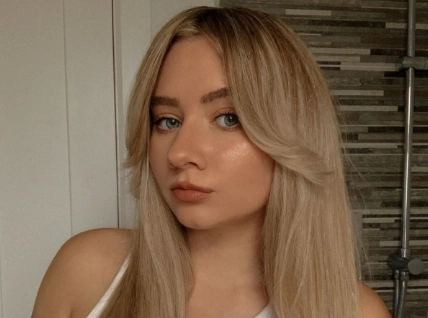
Styling long hair curtain bangs straight hair isn't hard, but it's a habit. Think of it as a 3-5 minute addition to your routine.
The biggest misconception is that curtain bangs are no-maintenance. They're low-maintenance compared to blunt bangs, but they're not zero. They have a mind of their own, especially in humidity.
My non-negotiable morning routine looks like this:
- Dampen the bangs. A quick spritz with water or a leave-in conditioner spray. Bone dry bangs are impossible to style.
- Round brush + blow dryer. This is the classic method. I wrap the bangs around a medium-sized round brush and dry from root to tip, directing the hair away from my face. It gives volume and shape.
- The lazy person's method (my favorite). Use a large-barrel curling iron (like 1.25 inches). Wrap the bangs around the barrel, away from your face, hold for 5-10 seconds, and let them fall. Don't clamp at the roots—start midway. It gives a soft bend.
- Cool shot. Hit them with the cool air on your dryer to set the shape. It works.
- Hands off! Don't brush them out after styling. You'll lose the shape. Just finger-comb gently.
The Essential Product Toolkit
You don't need a lot, but you need the right stuff. Here's my pared-down list:
| Product Type | What It Does | My Go-To (or What to Look For) |
|---|---|---|
| Lightweight Heat Protectant | Non-negotiable. Protects from daily styling. | A spray that doesn't weigh hair down or make it greasy. |
| Texture Spray or Dry Shampoo | Adds grit and volume at the roots. Lifesaver for fine hair. | Something you can spray at the root area of the bangs for lift. |
| Small, Clear Hair Elastics | For training bangs to the side or pinning them back on bad hair days. | The thin, spiral kind that don't leave dents. |
| Boar Bristle Brush | Distributes natural oils, smooths without static. | A small one just for the bang area is perfect. |
For more science-backed info on hair structure and how products work, the American Academy of Dermatology's hair care guides are a fantastic, trustworthy resource. It helps you understand why certain products matter.
Every 3-4 weeks, your bangs will start to hit your eyelashes or lose their shape. You have two choices: go back for a trim (many salons offer bang trims for a small fee), or learn to trim them yourself. I do my own micro-trims in between salon visits. The trick? Cut vertically into the hair with sharp shears, never straight across. And for heaven's sake, cut them dry, not wet. Hair shrinks as it dries.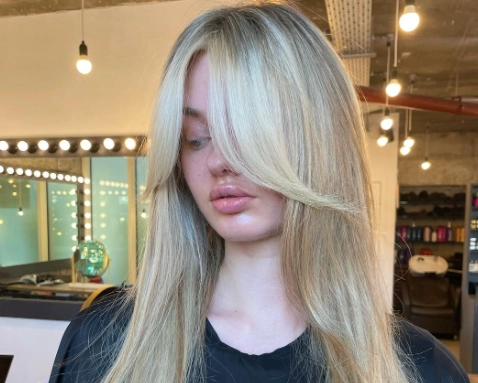
Answering Your Burning Questions
The Long-Term Verdict: Is This Hairstyle For You?
After over a year with long hair curtain bangs straight hair, here's my final take.
I love them. They softened my features, gave my boring long hair some personality, and made me feel put-together even when the rest of my hair was in a messy bun. The learning curve was real—figuring out how to style them in humidity (braid them loosely while damp!) or on day-three hair was a process.
You'll probably love curtain bangs if: You're okay with spending 5 extra minutes on your hair most mornings. You like a soft, romantic, slightly retro vibe. You want to change your look without losing length. You have a good relationship with a round brush or curling iron.
You might want to skip them if: You are a true wash-and-air-dry person. You get frustrated with hair in your face. You're not willing to get regular trims. You live in an extremely humid climate and aren't prepared to use anti-frizz products.
Ultimately, the beauty of long hair curtain bangs straight hair is its adaptability. It's a classic look that's been around for decades (think 70s icons) for a reason. It's flattering, it's chic, and it gives you options. It's not a passing trend, which is great for long-term hair happiness.
If you're on the fence, my advice is to find a stylist you trust, show them clear pictures, and ask for a longer version to start. You can always go shorter. And give yourself two weeks to learn how to style them. The first few days might be awkward, but once you find your groove, it becomes second nature. It did for me, and now I can't imagine my long straight hair without them.
Looking for more inspiration from professionals? Browsing the portfolios of stylists on platforms like Instagram's #curtainbangs tag can show you real-world results on all sorts of hair types and face shapes. Just remember, what you see is often styled, but it gives you a fantastic idea of the cut's potential.