Your Quick Guide
Let's talk about it. That perfect, effortless, French-girl fringe that seems to pop up on every stylish person from TikTok to your local coffee shop. The short curtain bangs long hair combo isn't just a trend; for many, it feels like a hair revolution. It promises to frame your face, add movement, and give long locks a dose of personality without a major chop. But is it right for you? I remember sitting in the salon chair, clutching a picture of Jane Birkin, my heart pounding. My stylist asked, "Are you sure?" I wasn't. But I did it anyway. Some days I love it, some days... it's a battle. This guide is everything I wish I'd known, stripped of the Instagram filters.
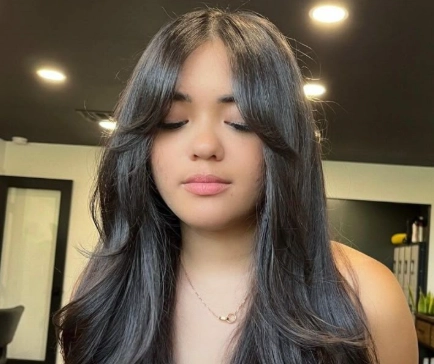
The Core Idea: Short curtain bangs are face-framing pieces cut on either side of a center part. They're shorter in the middle and blend longer towards the ends, creating a 'curtain' effect. Paired with long hair, they aim to soften features and add a vintage-meets-modern vibe.
Who Actually Looks Good With This Cut? (The Real Talk)
Forget the "one-size-fits-all" hype. This look is stunning, but it's not a universal fix. Your face shape and hair texture are the real bosses here. I learned that the hard way with my slightly wavy, thick hair. It wanted to be a triangle, not a curtain.
The Face Shape Breakdown
Here’s a no-nonsense look at how short curtain bangs with long hair plays with different faces.
| Face Shape | How It Works | Stylist's Pro Tip (What to Ask For) |
|---|---|---|
| Oval | You hit the genetic jackpot. Almost any length of curtain bang will look balanced and highlight your cheekbones. | You can go shorter in the middle. Ask for a more defined, piecey cut for a bold look. |
| Round | The goal is to create length and angles. This cut can be great if the bangs are cut with a deeper, longer taper. | Avoid blunt, straight-across ends. Insist on long, wispy layers that start at the chin or below to elongate. |
| Square | Perfect for softening a strong jawline. The curved shape of the bangs counteracts angular features. | Ensure the bangs are soft and blended, not too thick. A side-swept variation of the curtain can work wonders. |
| Heart | Fantastic for balancing a wider forehead. The bangs draw attention to the eyes and cheekbones. | Keep the bangs light and airy, not heavy. They should taper nicely to complement your chin. |
| Long | This can add width at the right places (cheekbones), making the face appear more proportional. | Crucial: The bangs must have enough volume and body. Avoid flat, straight-down styles. Ask for texture. |
See? It's not magic, it's geometry. My friend with a very round face got them cut too short and blunt, and she spent three months growing them out, frustrated. It's all about the adaptation.
The Non-Negotiable: Talking to Your Stylist
This is where most people fail. You walk in, say "curtain bangs," and hope for the best. Bad idea. You need a script.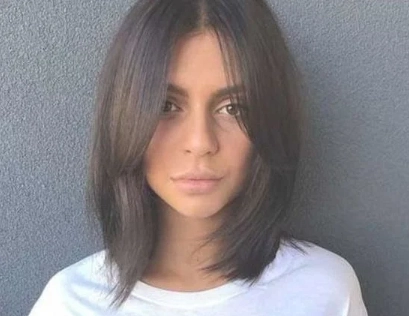
Your Salon Conversation Checklist:
- Bring Pictures. Plural. Not just one. Show a front view and a side view. Point out the exact length you like—do you want them resting on the cheekbone, or grazing the jaw?
- Use the Right Words. Say: "I want short curtain bangs for my long hair, but I want them blended. I don't want a block of fringe. Can we make them piecey and textured?"
- Discuss Your Texture. Be brutally honest. "My hair is pin-straight and fine—will these just lie flat?" or "My hair is super curly—how will this look when it dries naturally?" The American Academy of Dermatology notes that cutting curly hair requires specific techniques to account for shrinkage.
- Mention Your Cowlick. Got a stubborn whirl at the front? Point it out NOW. It will dictate the direction of the cut.
My stylist told me she cringes when clients say "just do what you think is best" for this cut. It's too personal. You need to be a collaborator, not a passive recipient.
The Daily Reality: Styling & Maintenance
Okay, you got the cut. The salon blowout is perfect. You wake up tomorrow. Now what? The long hair with curtain bangs look requires a new routine. It's not zero-effort, despite what the aesthetic suggests.
The 5-Minute Morning Routine (For Real)
You don't need 15 products. Here's my actual, non-sponsored lineup.
- The Damp Refresh: Spritz just the bangs with water or a light leave-in conditioner spray.
- The Heat Tool: A small round brush (I use a 1-inch one) and a hair dryer. Roll the bangs around the brush, directing the hair away from your face to reinforce the part. Dry from root to tip. This creates the volume.
- The Finishing Touch: Once cool, I run my fingers through them to break them up. Sometimes a tiny dab of texturizing paste on the ends, just to separate and define. Avoid heavy creams—they weigh down fine hair instantly.
On bad hair days? Clips. Headbands. Braiding them back. It's an arsenal.
The Awkward Growth Phase & Trims
They grow fast. Every 4-6 weeks, you'll notice they start hitting your eyelashes or losing shape. You have two options: learn to trim them yourself (scary, but doable with sharp shears and a hundred YouTube tutorials), or commit to frequent micro-trims at the salon. I do a combo. I get a professional shape-up every 8 weeks and do tiny snips in between to manage length. The Vogue article on the curtain bang trend even mentions this as the key to longevity—regular maintenance is non-negotiable.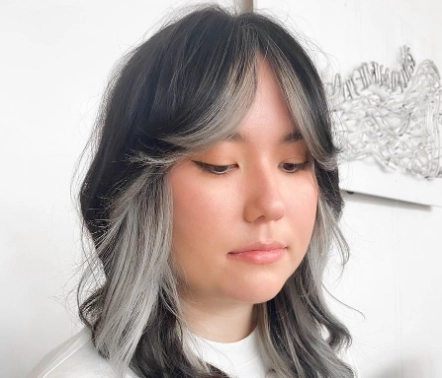
“The biggest mistake is treating them like the rest of your hair. They’re the divas of your hairstyle—they need individual attention.” – A lesson from my very patient hairstylist.
Honest Pros and Cons (From Someone Who Lives It)
Let's balance the dream with reality.
The Good Stuff (Pros)
- Instant Face-Framer: It genuinely makes your features pop. You might find yourself wearing less makeup.
- Versatile: You can pin them back, part them deeply, or let them hang loose. It changes the whole vibe of your long hair with short curtain bangs.
- Makes Long Hair Feel 'Done': Even in a messy bun, the bangs make it look intentional.
- Grows Out Gracefully: Unlike blunt bangs, they blend into face-framing layers as they grow.
The Not-So-Good Stuff (Cons)
- Grease Magnet: Your forehead oils have a direct path to your bangs. Dry shampoo is your new best friend.
- Weather Dependent: Humidity can turn my perfectly styled pieces into sad, floppy noodles. Rain is the enemy.
- Commitment: It's not a "wash and go" style for most hair types. That 5-minute routine is a minimum.
- Can Highlight Certain Features: If you're self-conscious about forehead lines or acne, bangs put that area front and center.
See? It's a mixed bag. On a dry, cool day when I've nailed the blowout, I feel like a million bucks. On a humid, lazy day, I want to shave them off.
Your Top Questions, Answered
The Final Verdict: Should You Get The Chop?
Look, if you're bored, if you want a change that feels fashionable but not extreme, if you're willing to add a small styling step to your routine, then short curtain bangs for long hair is an incredible option. It breathes new life into long locks without the commitment of a full haircut.
But go in with your eyes open. It's work. It's a relationship with your hair that gets more high-maintenance. Study your face shape, find a stylist you trust (look at their Instagram portfolio for real bang cuts), and communicate like your hair happiness depends on it—because it does.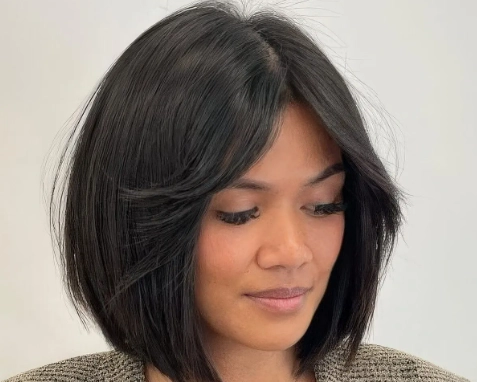
Mine have grown out a bit now, sitting just below my jaw. I'm in that in-between phase, and you know what? I kind of love it too. It's a shape-shifter of a style, and that's its real magic. It evolves with you. Just be ready for the ride.