Quick Navigation
- The Golden Rules: Prepping Your Hair for Natural Curls
- The Main Event: 7 Ways to Curl Your Hair Naturally (No Heat Required)
- Which Method is Right for YOU? The Ultimate Matchmaker
- The Secret Sauce: Making Your Natural Curls LAST
- Troubleshooting: Why Didn't My Natural Curls Work?
- Your Questions, Answered (The FAQ)
- Wrapping It Up: Your Hair Will Thank You
Let's be real for a second. We've all been there. You spend a good forty minutes with a curling wand, your bathroom feels like a sauna, and your hair looks... amazing. For about two hours. Then the humidity hits, or you simply move your head, and poof. The curls fall, the volume vanishes, and you're left with a weird, half-straight, half-wavy mess. Not to mention what that heat is doing to your hair over time – the dryness, the split ends, the overall sad feeling of damaged strands.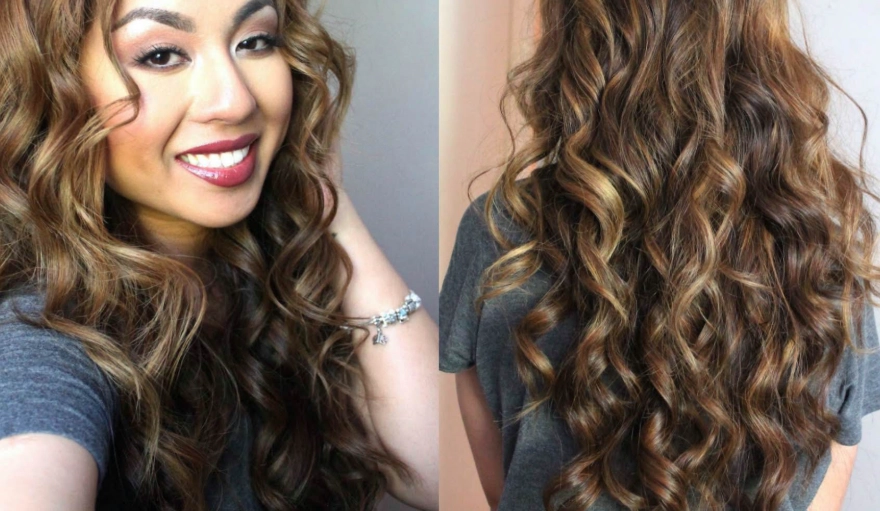
That's exactly why I started looking into how to curl your hair naturally. And let me tell you, it was a game-changer. No more fried ends. No more worrying about the weather. Just soft, touchable, surprisingly durable waves that look like you woke up like that (in the best way possible). The best part? You can literally do it in your sleep.
This guide isn't about one magic trick. It's a whole toolkit. Because your hair isn't like anyone else's. What gives my fine hair beautiful beachy waves might make your thick hair look like a crimped relic from the 80s. We're going to break down all the methods, the science-ish behind them, and how to pick your perfect match. Ready to give your hair a break and discover some seriously clever ways to get curls?
The Golden Rules: Prepping Your Hair for Natural Curls
Jumping straight into twisting your hair around a sock won't give you the best results if your hair isn't prepped. Think of it like painting a wall – you need a good primer. Skipping this step is the number one reason people say "natural curls don't work for me."
First up: hair texture and dampness. This is crucial. Most natural curling methods work best on damp hair, not sopping wet and not bone dry. Towel-dry your hair after washing until it's about 70-80% dry. It should feel cool and moist to the touch, but not dripping. For coarse or highly textured hair, you might need a bit more moisture. For fine, slippery hair, you might need it a tad drier so the style holds.
Next, product is your friend. A light-hold mousse or a texturizing spray is a non-negotiable for me. It gives the hair something to "grip" onto as it dries into the shape you've created. For finer hair, a sea salt spray can add grit and body. For thicker or frizz-prone hair, a small amount of curl-defining cream or a light leave-in conditioner can help control the pattern and add hydration. The Cosmetic Ingredient Review database is a handy resource if you're curious about what's actually in your styling products.
Really, don't skip the product.
Detangle thoroughly. Any knots or tangles will create kinks and uneven sections, ruining your uniform waves. Use a wide-tooth comb or a detangling brush on your damp, product-treated hair before you start any styling.
The Main Event: 7 Ways to Curl Your Hair Naturally (No Heat Required)
Okay, here's the fun part. I've tried what feels like everything over the years. Some were epic wins, some were hilarious fails. This list is the curated, tried-and-tested version. We'll go from the simplest to the more involved.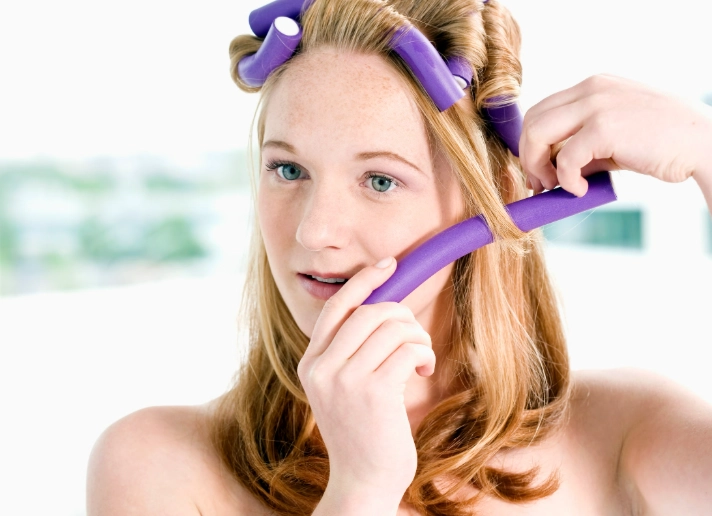
The Overnight Classics
These are the set-it-and-forget-it methods. Perfect if you're not a morning person.
Braiding. The old faithful. This is how I learned how to curl your hair naturally for the first time. It's foolproof. Simply part your damp, product-treated hair into sections (two for a bohemian look, many small ones for tighter curls) and braid them. Secure the ends. Sleep on it. Unravel in the morning, gently separate the waves with your fingers, and you're done. The type of braid changes the wave: a standard three-strand gives a soft, relaxed wave. A French or Dutch braid gives a more rooted, voluminous wave at the crown. Fishtail braids create a more intricate, piecey wave pattern.
Twisting. Similar to braiding but even easier. Take a section of hair, twist it tightly from root to tip, then coil it into a bun at the back or on top of your head and pin it. Repeat all over. The tighter the twist, the tighter the wave. This gives a very uniform, spiral-like wave that's less "crinkly" than a braid wave. It's my personal go-to for a more polished, consistent look.
Sock Bun (or Silky Scarf Bun). Don't laugh until you've tried it. This method creates beautiful, spiraling curls that look like you used a curling iron. Take a clean sock (crew sock works best), cut the toe off, and roll it into a doughnut. Or, use a pre-made silk scarf tied into a rope and looped. Pull your hair through the center as if making a ponytail, then slowly spread your hair around the doughnut and start rolling it down toward your scalp, tucking the ends in as you go. Secure with bobby pins. Sleep on it. In the morning, unroll gently. The result is stunning, defined ringlets, especially on mid-to-long hair.
The Daytime & Faster Methods
Don't want to sleep in rollers? These methods work in a few hours while you're working from home or on a weekend.
Ribbon or Fabric Strips. This is a vintage technique that's made a huge comeback, and for good reason. It gives gorgeous, romantic, cascading waves. Cut strips of soft fabric (satin, silk, or even a soft t-shirt material) about 12-18 inches long. Take a section of damp hair, place one end of the strip at the root, and start wrapping your hair around it, alternating the direction of the wrap over and under the ribbon as you go down. Tie the ends of the ribbon together at the bottom. Let dry completely. When you untie and unroll, you get a beautiful, soft wave with a slight bend at the end. It takes some practice but looks incredibly elegant.
Flexi Rods or Soft Rollers. These are the gentlest form of "rollers." They're foam-covered wires that bend easily. Wrap sections of damp hair around them, and the flexible rod holds itself in place without clips (usually). They're comfortable enough to sleep in, but they also work relatively quickly. They create a very consistent, bouncy curl that's somewhere between a roller set and a natural wave.
Perfect for a weekend project.
The Creative Hacks
The "T-Shirt" Headband Method. This is fantastic for shorter hair or for creating just waves at the ends. Take a cotton t-shirt, cut a 3-4 inch wide strip from the hem to make a long headband. Put it on like a headband over your damp hair. Then, take small sections of your hair and twist them, tucking and wrapping them over and under the headband as you work your way around your head. Let it dry. When you take it down, you get a lovely, piecey, tousled wave with great volume at the roots.
Pineappling (for Curly/Wavy Hair). If you already have a natural wave or curl pattern and just want to enhance it and preserve it overnight, this is it. Gather all your hair into a very loose, high ponytail on the very top of your head (like a pineapple) using a silk scrunchie. The goal is to prevent the hair from getting flattened against your pillow, preserving the volume and curl clumps. It's less about creating a curl and more about maintaining one brilliantly.
Which Method is Right for YOU? The Ultimate Matchmaker
All this choice can be overwhelming. You don't have time to try seven methods this week. So, let's match you with your perfect starting point based on your hair and your goals.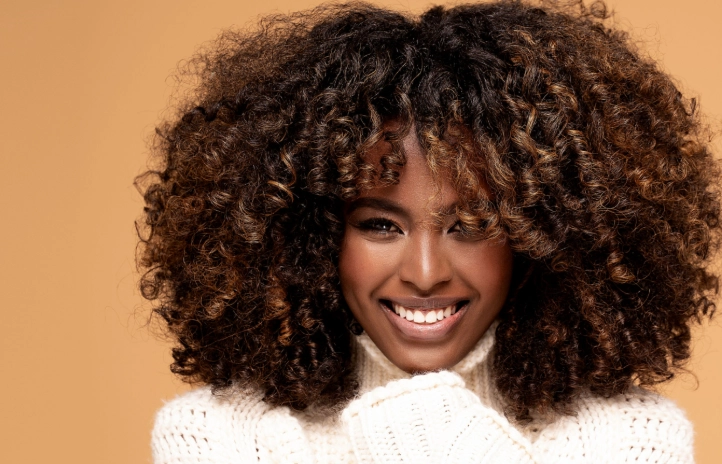
| Your Hair Type & Goal | Best Method to Try First | Why It Works | Time Commitment |
|---|---|---|---|
| Fine, Straight Hair (needs grip & volume) | Small Braids or Twists | Smaller sections create more defined waves that show up on fine hair. The tension helps hold the shape. | Overnight |
| Thick, Heavy Hair (needs strong hold) | Large Braids or Sock Buns | Thicker hair can handle and needs the stronger structure of a bun or large braid to create a noticeable wave pattern. | Overnight |
| Shoulder-Length or Shorter Hair | T-Shirt Headband or Small Flexi Rods | Methods that work from the mid-lengths to ends are perfect. Headband method is easy and gives great face-framing pieces. | 2-4 hours / Overnight |
| Looking for Spiral Ringlets | Sock/Scarf Bun or Fabric Strips | These methods wrap the hair in a continuous spiral, mimicking the motion of a curling iron for defined ringlets. | Overnight |
| "I Want Waves NOW" (Same Day) | Damp Bunning with Product | Put damp hair in a high, loose bun. Blast with a hair dryer on cool/warm for 10 mins, then let air dry the rest. Quick waves! | 1-2 hours |
| Naturally Wavy/Curly Hair (enhancement) | Pineappling or Plopping with a T-Shirt | Plopping (wrapping wet hair in a cotton t-shirt) enhances natural pattern. Pineappling preserves it overnight. | Overnight / Drying time |
The Secret Sauce: Making Your Natural Curls LAST
So you've put in the effort, you've slept in braids, and your hair looks amazing. How do you make it stay for more than a few hours? This is where people drop the ball.
First, the unveiling. Don't just rip your braids out. Gently untwist or unbraid them. Then, don't brush them! This will turn your beautiful waves into a fuzzy cloud. Use your fingers to gently separate the waves. Start from the bottom and work up, shaking the roots lightly with your fingertips for volume.
Lock it in. A light mist of hairspray is your friend. Not the helmet-head kind from the 90s. Look for a flexible-hold, brushable hairspray. Hold the can far away and mist it over your hair like a cloud, then scrunch very lightly. This sets the style without making it crunchy. A drop of hair oil rubbed between your palms and smoothed over the very ends can tame any frizz and add shine, making the curls look healthy and defined.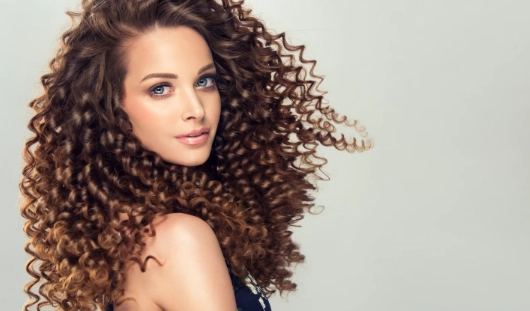
Second-day hair is often the best! To revive, don't wet it completely. Mix a bit of water with a drop of leave-in conditioner in a spray bottle. Lightly mist your hair, then scrunch. The waves will spring back to life. Dry shampoo at the roots will soak up any oil and add volume, making your style look fresh again.
Silk is a game-changer. Seriously.
Troubleshooting: Why Didn't My Natural Curls Work?
Let's solve some common problems. If your waves fell out immediately, your hair was probably too wet or you used no product. If your hair is frizzy, you might have unraveled it while it was still slightly damp in the core, or you brushed it. If the curls are too tight and "crunchy," you used too much product or made the sections too small.
For stubborn, pin-straight hair, the key is more tension and more time. Try the method on slightly damper hair, make the braids or twists very tight, and leave them in longer. Sometimes, doing the style on freshly washed, damp hair in the morning and leaving it until the evening gives better results than overnight on hair that's been drying for hours.
If your scalp hurts from sleeping in braids or buns, they are too tight. Loosen them up. The goal is to create a shape, not to give yourself a tension headache. Comfort is key for making this a sustainable habit.
Your Questions, Answered (The FAQ)
Wrapping It Up: Your Hair Will Thank You
Learning how to curl your hair naturally isn't about adding another complicated step to your routine. It's about simplifying. It's about working with your hair's natural behavior instead of fighting it with extreme heat. It's about waking up with ready-to-go hair, saving you time and stress in the morning.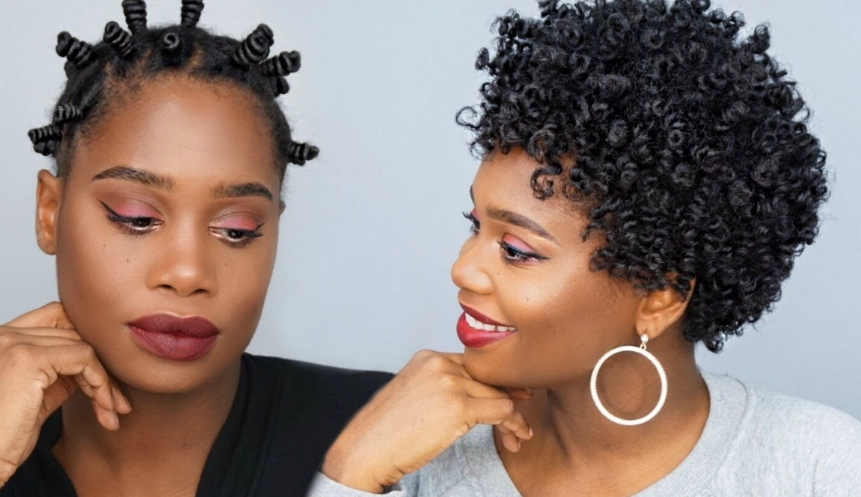
Start with one method that matches your hair type from the table. Give it a proper shot – prep your hair well, be patient while it dries, and take it down gently. The first attempt might not be perfect, but you'll learn what your hair needs.
The goal is healthy, happy hair that looks beautiful. Ditching the heat and embracing these clever, gentle techniques is one of the best things you can do for it. So tonight, why not try a simple braid or twist? Your future self, with her effortless, bouncy, heat-free waves, will be so glad you did.
Got a method you swear by? Or a hilarious fail story? That's the fun of it – it's a personal experiment. The most important tip I can give you is to enjoy the process. Play around. Find what makes you and your hair feel good. That's the real secret to great hair days, every day.