In This Guide
- Why Even Bother? The Straightener Curl Advantage
- Gathering Your Arsenal: What You Really Need
- The Main Event: How Do I Curl My Hair with a Straightener? Step-by-Step
- Tailoring the Technique: It's Not One-Size-Fits-All
- Fixing the Common Fails (Troubleshooting)
- Beyond the Basic Curl: Creative Styles
- The Big Questions: Damage, Alternatives, and Making It Last
- Wrapping It Up: Your Curl Confidence
Let's be real. You bought that flat iron with dreams of pin-straight hair, only to see a TikTok or Instagram reel where someone magically created bouncy, gorgeous curls with the same tool. Your first thought was probably, "Wait, you can do that?" followed quickly by, "How do I curl my hair with a straightener without burning it off or looking like a poodle?"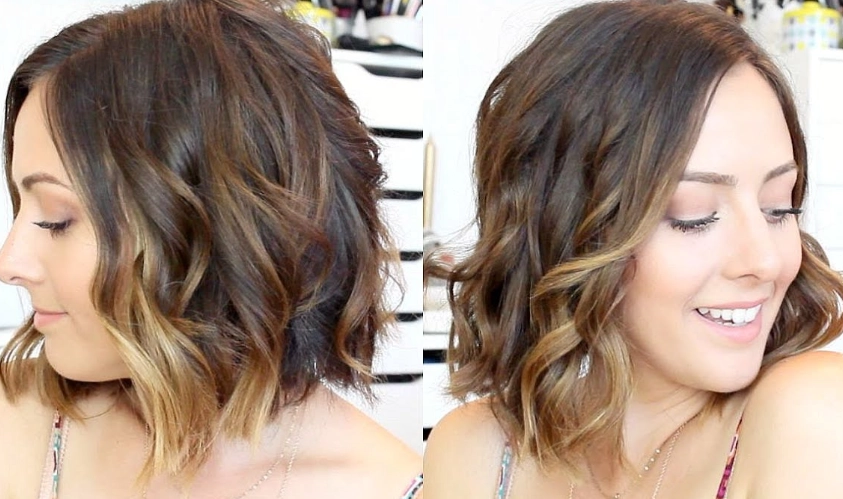
I've been there. I remember my first attempt—a smokey bathroom, the distinct smell of burning hair, and a resulting "curl" that was more of a sad, crispy zigzag. It was a disaster. But after years of trial, error, and chatting with stylists, I've figured it out. And guess what? It's now my go-to method for curls that have serious hold and sleekness.
This isn't just another list of steps. We're going deep. We'll talk about why this method works (sometimes better than a curling iron), the exact tools you need, and techniques tailored to your specific hair type—because what works for fine, silky hair will fry thick, coarse hair. We'll also tackle the big questions: Is it damaging? How do you make the curls last? What do you do when you have short hair?
Why Even Bother? The Straightener Curl Advantage
Before we get our hands dirty, let's talk about why you'd want to learn how to curl your hair with a straightener in the first place. It's not just a party trick.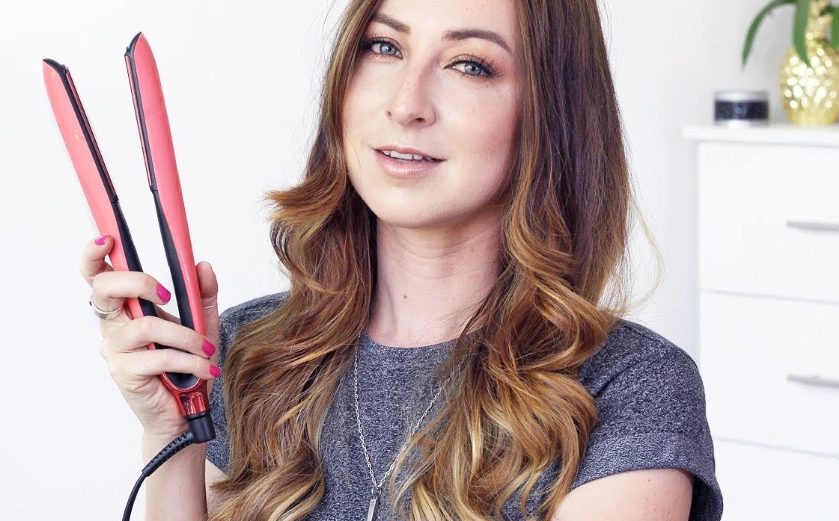
For one, the curls are incredibly smooth and shiny. The flat plates press the hair cuticle down as they curl, reducing frizz and reflecting more light. The result is a polished, salon-quality look. Secondly, the hold is unreal. Because the hair is heated more evenly between two plates, the curl shape sets very firmly. I find these curls outlast my curling iron curls by hours, especially in humidity.
And then there's versatility. With a curling iron, you're mostly limited to the barrel size you have. With a straightener, you can create tiny ringlets, loose beach waves, or something in between just by changing your technique—the clamp width is your guide. It's a one-tool wonder for multiple textures.
Of course, the biggest reason for many of us is simple: we don't own a curling iron. Why buy another hot tool cluttering your drawer if your trusty straightener can pull double duty?
Gathering Your Arsenal: What You Really Need
You can't build a house without tools, and you can't create great curls without the right prep. Skipping this step is the number one reason for bad hair days.
The Straightener Itself
Not all flat irons are created equal for curling. The ideal one has rounded, beveled edges (not sharp, square corners) so it can rotate smoothly. Ceramic or tourmaline plates are best—they heat evenly and are gentler. Size matters too. A 1-inch plate is the goldilocks zone for most people; it's wide enough to handle decent sections but not so wide it becomes clumsy to turn. A skinny 0.5-inch iron is fantastic for very short hair or super tight curls, but it'll take you forever on long hair.
I made the mistake of using a cheap, square-edged iron once. The curl was jagged, and the process felt clunky. Investing in a decent tool with floating plates made a world of difference.
Non-Negotiables: Heat Protectant and Styling Products
This is where I'll sound like a broken record, but it's critical. Always use a heat protectant. You're applying concentrated heat and tension to your hair. A good protectant sprays on like a leave-in conditioner and creates a barrier. The American Academy of Dermatology Association explicitly advises using a heat-protectant product before any hot tool use to minimize damage. Don't skip it.
For hold, a light-hold mousse or texturizing spray applied to damp hair before blow-drying gives the curl something to "grab." For finishing, a flexible-hold hairspray is better than a super-strong one, which can make curls look crunchy.
Other Helpful Tools
A fine-tooth comb or teasing brush for sectioning, sectioning clips (the duckbill ones are great), and a mat to protect your countertop. Have a small mirror handy to check the back of your head.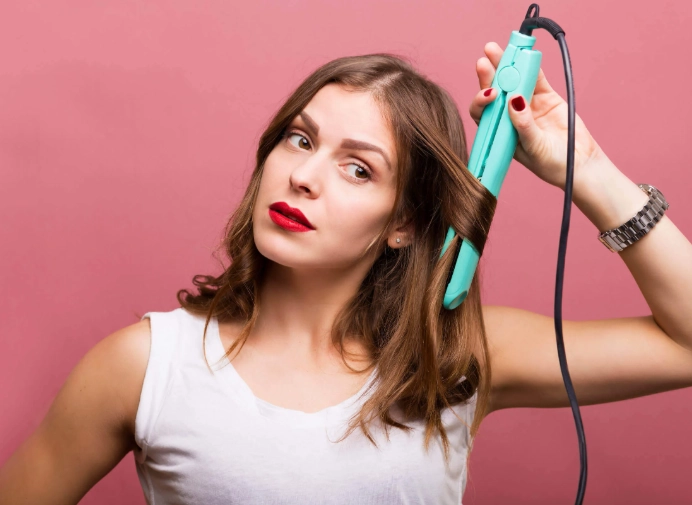
The Main Event: How Do I Curl My Hair with a Straightener? Step-by-Step
Alright, let's get to the core of it. Here’s the fundamental method. We'll adjust it later for different hair types.
- Prep and Protect: Start with completely dry, detangled hair. Spritz a heat protectant evenly from mid-lengths to ends. Lightly mist with texturizing spray if desired.
- Section Like a Pro: Divide your hair into manageable sections. Start by clipping the top half of your hair up. Work from the nape of your neck upwards. Smaller sections (1-2 inches wide) = tighter, more defined curls. Larger sections = looser waves.
- The Clamp and Turn: This is the magic move. Take a section. Clamp the straightener near the root (but not on the scalp—ouch!). Then, slowly rotate the iron away from your face by a half-turn or full turn. You’re basically twisting the hair within the plates.
- The Glide: With the iron still rotated, slowly and smoothly glide it down the length of the hair section. Don't rush. The slower you go, the more intense the heat set.
- The Release: When you reach the ends, gently release the clamp. Do NOT pull the iron away while it's still clamped shut—you'll yank the curl out. Just open the plates and let the hair fall.
- Don't Touch! This is hard, I know. But let the curl cool completely in its spiral shape before you finger-comb or brush it. Cooling is what sets the curl. Touch it while it's hot and it'll fall flat.
- Repeat and Layer: Work your way around your head, section by section, unclipping more hair as you go. For a natural look, alternate the direction of your turns (some away from the face, some towards).
- Final Set: Once all curls are completely cool, gently run your fingers through them or use a wide-tooth comb to break them up. Finish with a light mist of flexible-hold hairspray.
Now, if you're asking yourself, "But how do I curl my hair with a straightener if my hair is super short or super long?"—don't worry, we're covering that next.
Tailoring the Technique: It's Not One-Size-Fits-All
Your hair is unique. This table breaks down the adjustments you need to make based on your hair's length and texture. It's the cheat sheet I wish I had years ago.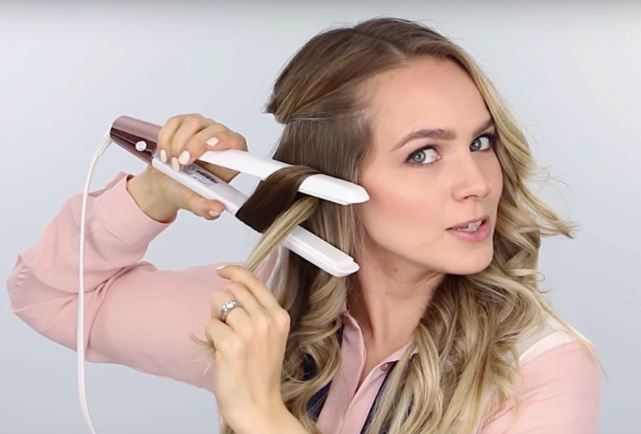
| Hair Type / Length | Straightener Size & Temp | Technique Adjustments | Goal & Outcome |
|---|---|---|---|
| Short Hair (Chin to Shoulder) | 1" or smaller. Lower temp (300-340°F). | Take very small, horizontal sections. Rotate iron fully (360°). Glide only 2-3 inches from root. The "end" comes quickly, so release gently to avoid flick. | Defined, bouncy curls or piece-y texture. Adds volume and shape. |
| Long Hair | 1" to 1.5". Medium temp. | Vertical sections can help curls cascade. You may need to pause halfway down the length, re-clamp, and continue the turn-and-glide to ensure even heat on very long hair. | Classic, romantic curls or loose, mermaid waves. |
| Fine or Thin Hair | 1". Lowest temp (280-320°F). | Use a volumizing mousse at roots. Curls may set almost instantly—glide faster. Avoid heavy products. Use smaller sections for the illusion of more volume. | Lasting volume without flattening the root. Soft, delicate waves. |
| Thick or Coarse Hair | 1" or wider. Higher temp (360-390°F). | Take smaller sections than you think! Hair holds heat, so glide slowly for a deep set. A stronger-hold spray may be needed. Ensure hair is bone-dry. | Smooth, defined curls that actually hold all day. Taming frizz and bulk. |
| Curly or Textured Hair (for defined curls) | 1". Medium temp. | Start with blow-dried, straightened hair for a uniform base. Follow standard technique. The result will be a different, smoother curl pattern. | A hybrid curl—sleek yet spiraled. A "stretched" curl look. |
What About Bangs or Face-Framing Pieces?
These require a delicate touch. Use a very small section. Clamp near the root and rotate the iron away from your face (usually outward), then glide slowly only about halfway down. The goal is a soft bend, not a tight corkscrew. Practice on a day you're not going out first!
Fixing the Common Fails (Troubleshooting)
So you tried it and it didn't look like the video. Join the club. Here's what probably went wrong and how to fix it.
"My curls are flat at the root." You started clamping too far down the hair shaft. Get that iron right up to where the hair grows from your scalp before you start your turn. Also, make sure you're using a clip to hold the top layers up—if they're weighing down the bottom layers as you curl, the roots won't set.
"The ends are straight or flick out weirdly." You released the clamp incorrectly or too early. Make sure you glide all the way to the very end of the hair strand before you open the plates. Also, try slightly turning the iron inward (towards your head) as you reach the ends for a more rounded finish.
"My hair looks frizzy and messy, not sleek." This was my biggest hurdle. Three culprits: 1) Your hair wasn't completely dry. 2) You didn't use a heat protectant with silicone or smoothing agents. 3) Your iron's plates are damaged or dirty. Clean them with rubbing alcohol on a cool iron. Also, try a tiny bit of smoothing serum on the mids and ends after heat protectant, but before curling.
"The curls fell out in an hour." You didn't let them cool. Seriously, this is 90% of the battle. Curl a section, pin it up in a pin curl or just let it hang, and don't touch it until it's cold. Also, check your temperature—it might be too low for your hair type to get a permanent set.
Beyond the Basic Curl: Creative Styles
Once you've mastered the basic curl, you can start playing. How do I curl my hair with a straightener to get a specific look?
For beachy waves, take large, horizontal sections. Do only a quarter-turn of the iron (not a full rotation) and glide quickly. At the end, don't let the curl spiral; instead, gently pull it taut horizontally to loosen it as it cools.
For a voluminous blowout look, curl all sections away from your face. Once cooled, brush through all curls with a paddle brush. The brushing marries the curls into soft, unified waves with tons of body.
For defined, retro curls, use small vertical sections. Do a full 360-degree rotation and glide very slowly. Set each curl by twisting it around your finger and pinning it to your scalp with a bobby pin until completely cold. This takes time but the result is dramatic.
The Big Questions: Damage, Alternatives, and Making It Last
Is it more damaging than a curling iron?
It can be, if done wrong. You're applying tension (the clamp) and heat simultaneously. A curling iron just applies heat to hair wrapped around it. That's why the heat protectant and correct temperature are non-negotiable. However, because you can often use a lower temp and get a stronger hold, you might subject your hair to heat for less time overall. It's a trade-off. Listen to your hair—if it feels straw-like or breaks, you're overdoing it.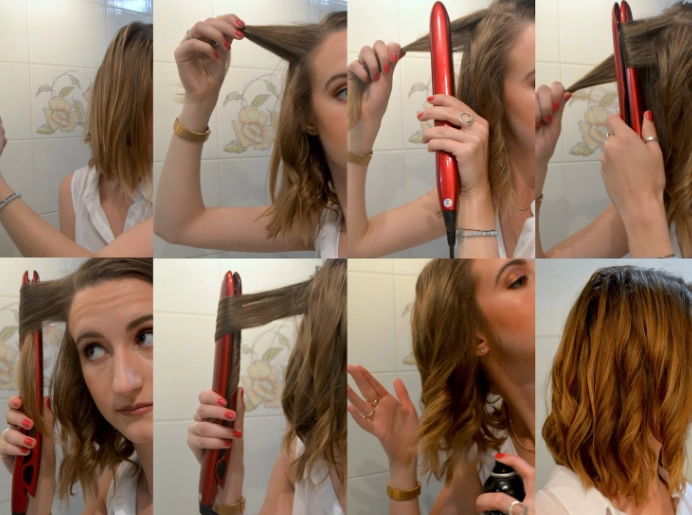
How can I make the curls last overnight?
This is a game-changer. After curling, gather all your hair at the very top of your head into a loose, high ponytail (a "pineapple") using a silk scrunchie. The curls stack on top of each other and aren't crushed while you sleep. In the morning, take it down, flip your head over, shake, and refresh with a light texturizing spray. Silk pillowcases also help immensely.
What if I don't want to use heat at all?
Fair question! The search for "heatless curls" is huge for a reason. If you're looking for a break from hot tools, methods like robe tie curls, sock curls, or flexi-rod sets are fantastic alternatives. They take longer (often done on damp hair overnight) and create a different, often bouncier type of curl, but they cause zero heat damage. It's good to have both techniques in your arsenal.
Wrapping It Up: Your Curl Confidence
Learning how to curl your hair with a straightener is a skill, like riding a bike. The first few tries might be wobbly. You might burn a section or two (we've all been there). But once you get the feel of the rotation and the glide, it becomes second nature. It unlocks a whole new level of styling with a tool you already own.
The real secret isn't just in the technique detailed here—it's in understanding your hair. Does it need more heat or less? Smaller sections or bigger? More product or almost none? Pay attention to what it responds to. Take a photo when it turns out great and note what you did. That's how you go from following a tutorial to creating your own signature look.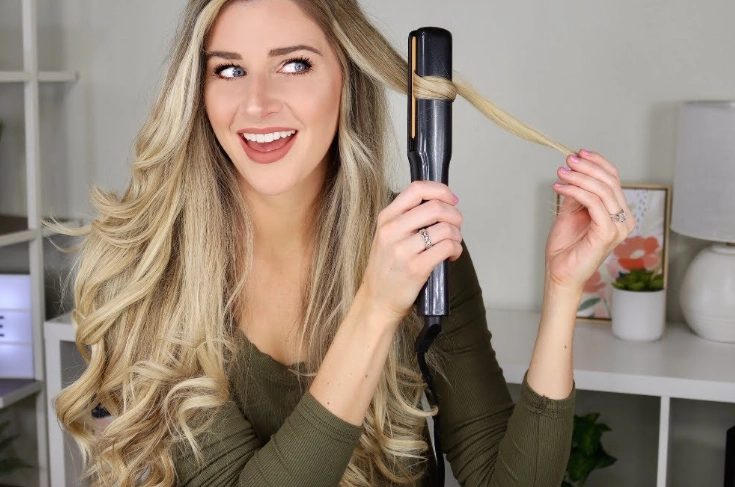
So grab that straightener, start with a low heat setting, and give it a whirl on a day you have nowhere to be. Experiment. Play. Before long, someone will ask you, "How did you get such great curls?" And you can smile and say, "Oh, just with my straightener."