Quick Navigation
- The Core Idea: Why This Order Matters
- Who is the 123 Curl Method Actually For? (And Who Should Skip It)
- Executing the Method: A Real-World Walkthrough
- Beyond the Basics: Answering Your Real Questions
- How It Stacks Up: 123 Method vs. Other Popular Techniques
- Building Your Own Product Cocktail
- The Final Word: Is It Worth The Hype?
Let's be real. Curly hair can feel like a full-time job. One day you have perfect ringlets, the next it's a frizzy triangle. I've been there, wasting money on products that promised the world and delivered a sad, crunchy mess. Then, a few years back, I stumbled upon this thing people were calling the 123 curl method. It sounded too simple. Three steps? With products I might already have? I was skeptical, but desperate.
Turns out, it wasn't magic, but it was a game-changer. It gave me a framework, a logic to the madness. So, let's cut through the noise. What is the 123 curl method? In its purest form, it's a styling technique where you apply three different types of products to soaking wet hair in a specific order: a leave-in conditioner (Step 1), a curl cream or styling cream (Step 2), and a gel or holding product (Step 3). The goal is layer hydration, definition, and hold to get clumped, shiny, frizz-free curls that last.
But here's what most quick guides don't tell you: it's not a rigid rule. It's a starting point. A blueprint you tweak until it works for your hair. This guide is going to dig into everything—the why behind each step, how to adjust it, the common pitfalls, and whether it's even right for you. Because nobody needs another generic beauty tip.
The Core Idea: Why This Order Matters
Think of building your curls like building a house. You wouldn't put the roof on before the walls, right? The 123 method for curls follows a similar logic of foundational layers.
Step 1: The Foundation (Hydration & Protection)
This is your leave-in conditioner or a very light, liquid-y cream. Your hair is most absorbent when it's dripping wet. Applying a hydrating product first quenches the thirst of your curls at the core. It preps the hair shaft, smooths the cuticle, and provides a protective base. Skipping this is like applying makeup without moisturizer—everything that goes on top just sits on a dry, uneven surface. The American Academy of Dermatology notes that keeping curly hair hydrated is crucial to managing frizz and breakage. This step directly addresses that.
Step 2: The Structure (Definition & Clumping)
Enter the curl cream, styling milk, or butter. This is the product that gives your curls their shape and encourages them to find their friends (clumping!). It's typically thicker than a leave-in but not as hard-holding as a gel. It adds weight, control, and further definition. If Step 1 is the moisture, Step 2 is the architect that decides whether you get big, loose waves or tight, springy coils. This is where you can really personalize based on your curl pattern and desired volume.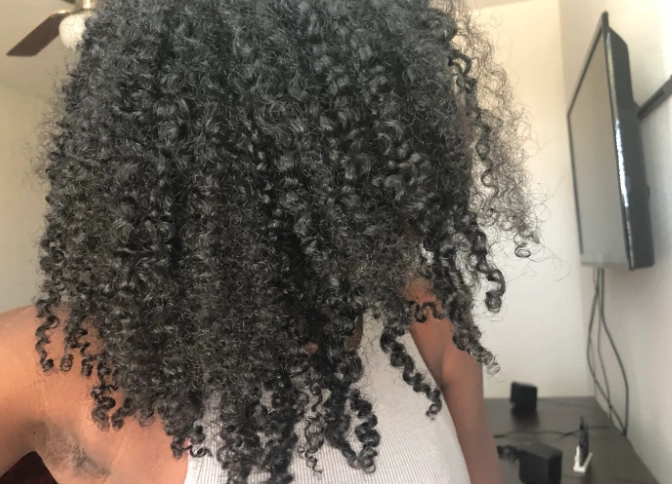
Step 3: The Seal (Hold & Frizz Control)
Finally, the gel or mousse. This is the roof that locks everything in. It creates a cast (a light, crunchy layer) as it dries, which seals in the moisture from Steps 1 and 2, defines the clumps formed in Step 2, and fights off atmospheric humidity that causes frizz. The “crunch” is temporary—you gently scrunch it out once hair is 100% dry to reveal soft, touchable curls with memory. Without this seal, your beautifully defined wet curls might fall apart or puff up as they dry.
The genius of understanding what the 123 curl method is lies in this layered approach. Each product has a distinct job, and applying them in this sequence prevents them from fighting each other. Applying gel before cream can block moisture. Applying cream before leave-in can make your hair feel coated and product-heavy.
Who is the 123 Curl Method Actually For? (And Who Should Skip It)
This is the part I wish I'd read earlier. I have fine, wavy hair (2b/2c), and my first attempt with heavy creams and gels from the 123 curl method left my hair looking greasy and flat. It was a disaster.
The method shines for certain hair types and can be adapted for others. Here’s a brutally honest breakdown:
| Hair Type | Likely Result with Classic 123 | Recommended Tweaks |
|---|---|---|
| Coily/Kinky (Type 4) | Excellent. Often needs the intense hydration and defined hold. | May need heavier butters/oils in Step 2. The 123 curl method framework is a solid base. |
| Curly (Type 3) | Very Good. Perfect for defining ringlets and combating frizz. | The standard recipe often works well. Adjust product weight based on fine vs. coarse hair. |
| Wavy (Type 2) | Can be Good, Risky. Easily weighed down. | Use very light products. Consider a “modified 12” (skip cream) or “23” (skip leave-in) method. Mousse often works better than gel in Step 3. |
| Fine, Low-Density Hair | High Risk of Flatness. | Focus on volumizing mousses, foams, and lightweight gels. Less is more. Root clipping is your friend. |
| High-Density, Thick Hair | Great for manageability. | You can handle more product. Sectioning hair during application is key to even coverage. |
My personal rule now? If my hair feels even slightly fine or limp that day, I ditch the cream (Step 2) entirely. I go leave-in directly to a light gel. That's the real secret—learning the principle, not worshipping the rule.
Executing the Method: A Real-World Walkthrough
Okay, so you want to try it. Here’s exactly how to do the 123 curl method, with the nitty-gritty details most people gloss over.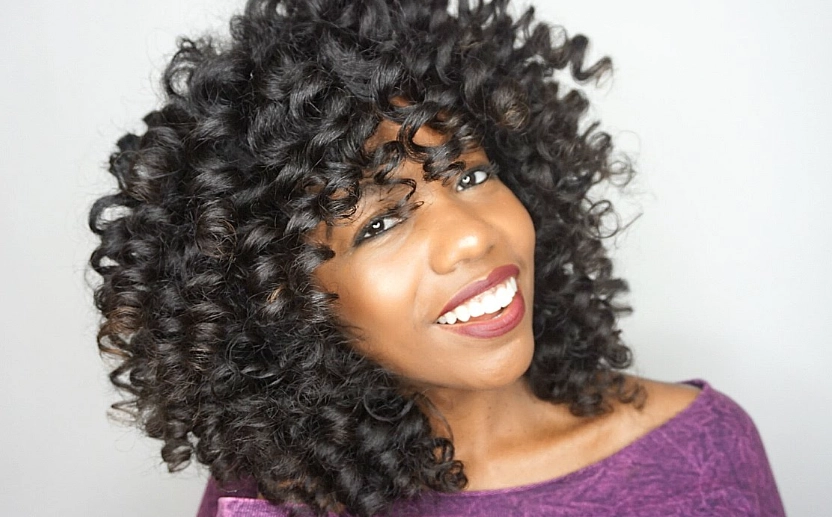
Preparation is Everything
Start in the shower with a good cleanse and conditioner. I prefer a sulfate-free shampoo and a slippery, moisturizing conditioner. Detangle thoroughly here with a wide-tooth comb or your fingers while the conditioner is in. Rinse, but don't squeak-clean rinse. Leave a bit of slip. Now, with hair still soaking wet (water dripping), step out of the shower. Don't towel dry. At most, gently squish with a microfiber towel or old cotton t-shirt to remove excess drip, but the hair must remain very wet.
The Application: Raking, Praying Hands, and Scrunching
Step 1 Application: Take your leave-in conditioner. Emulsify it in your hands with a little water. Use the “praying hands” method—glide product over large sections of hair from mid-lengths to ends—then gently rake your fingers through to distribute. Avoid the roots if you have fine hair.
Step 2 Application: Repeat the process with your curl cream. Praying hands first to coat, then gentle raking. You should see your curls starting to form into bigger, wet clumps. If your hair feels sticky or product-heavy already, you used too much cream. Scale back next time.
Step 3 Application: This is key. Glide a generous amount of gel over your hair with praying hands. Don't be shy—it will look like a lot. Then, with hair still flipped, start scrunching upwards towards your scalp. This “scrunching in” motion is what activates the clumping and encourages curl formation. You should hear a squishing sound. Scrunch until your curls are defined in clumps you're happy with.
Drying & The Final Act
Now, don't touch it! Air dry if you have time, or use a diffuser on low heat/medium speed. If you diffuse, hover first to set the cast, then gently cup sections. The goal is to get it 100% dry. Once it's completely dry and feels crunchy (the “cast”), it's time for the reveal. Take a tiny amount of hair oil or even just clean, dry hands, and gently scrunch your hair upwards to break the cast. Don't rake or fluff aggressively. You'll be left with soft, defined, bouncy curls.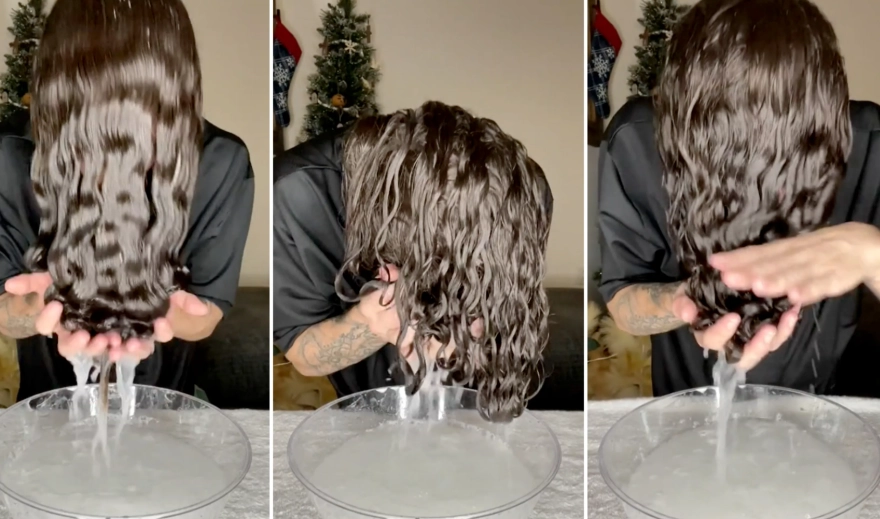
Beyond the Basics: Answering Your Real Questions
Can I use mousse instead of gel?
Absolutely. For wavy or fine hair, mousse is often a better Step 3. It provides hold with less weight. The process is identical.
My hair is still frizzy! What gives?
Frizz is usually a sign of one of three things: 1) Hair wasn't wet enough during application, 2) You're touching it while it dries, or 3) The products you're using don't have enough humectants or hold for your climate. Try applying in the shower under the stream of water for ultimate wetness.
It makes my hair feel gross and producty.
You're likely using products that are too heavy or just wrong for your hair density. Or you're using too much. For Step 2, try a milky lotion instead of a thick cream. For fine hair, consider skipping Step 2 altogether. Also, ensure you're doing a clarifying wash every few weeks to remove buildup.
How do I refresh my curls the next day?
The beauty of a good gel cast is that curls often last. For day 2, mix a little leave-in conditioner and water in a spray bottle. Mist your hair lightly until damp (not soaked), then gently scrunch. Sometimes just flipping your head and shaking out the roots is enough.
Is this method bad for your hair long-term?
Not if done correctly. You're layering moisturizing and holding products. The potential issue is buildup, which is why a monthly clarifying shampoo is non-negotiable. The basic science of hair care supports gentle cleansing and moisturizing, which this method provides.
How It Stacks Up: 123 Method vs. Other Popular Techniques
Is the 123 curl method the only game in town? No. Here’s how it compares to two other big names:
- vs. The Curly Girl Method (CG Method): The CG Method is a whole lifestyle—strict product ingredient rules (no sulfates, silicones, etc.), plopping, pineappling. The 123 technique is just a styling routine. You can use CG-approved products in your 123 routine, or not. 123 is a subset, a practical application within a larger philosophy.
- vs. Brush Coiling/Denman Brushing: These are application techniques you can use during the 123 method! After applying each product, some people use a Denman brush or coil sections with a finger to perfect their curl shape. So they're complementary, not competitors.
- vs. The “One Product” Approach: Some people get great results with just a mousse or just a cream. Simpler, faster. But for those struggling with frizz, definition, or longevity, the layered approach of the 123 hair method often provides a more reliable, multi-defense solution.
Honestly, I dip in and out of techniques. On a lazy day, it's one product. When I need guaranteed good hair for an event, I default to my tweaked version of the 123 curl method. It's my reliable baseline.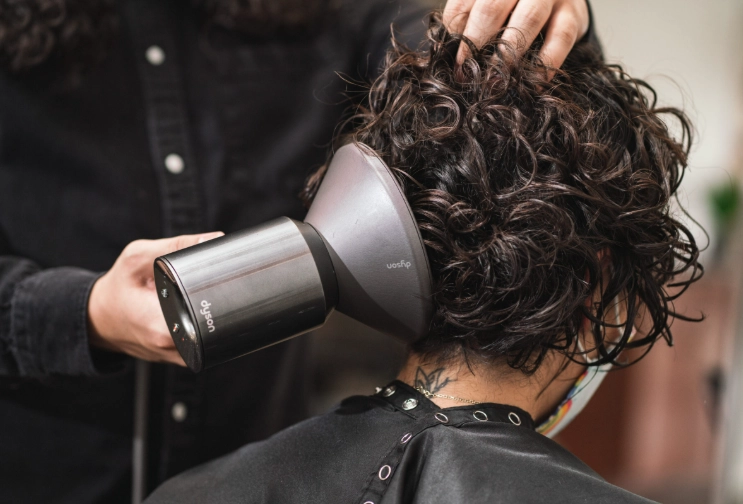
Building Your Own Product Cocktail
You don't need expensive products. The magic is in the technique. But here’s a mindset for choosing:
- Step 1 (Leave-In): Look for words like “detangling,” “moisturizing,” “milky.” It should feel light. Examples: Giovanni Direct Leave-In, Kinky-Curly Knot Today.
- Step 2 (Curl Cream): This is your texture definer. For tighter curls, look for “butter,” “custard.” For waves, look for “lotion,” “milk.” Examples: Miss Jessie's Pillow Soft Curls (for softer hold), Curlsmith Weightless Air Dry Cream (for fine hair).
- Step 3 (Gel/Hold): Look for “maximum hold,” “crystal,” “icing.” A hard hold gel gives better definition and longevity. Examples: Aussie Instant Freeze Gel, Ouidad Climate Control Gel. For mousse: Herbal Essences Totally Twisted Mousse.
Start with budget-friendly options to get the technique down. The most expensive product won't fix an incorrect application on dripping wet hair.
The Final Word: Is It Worth The Hype?
So, after all this, what is the 123 curl method in the end? It's a logical, layered framework for styling curly and wavy hair. It's not a cult you must join, and it's not a one-size-fits-all solution.
Its greatest value is in teaching you the function of different product types. Once you understand that leave-ins hydrate, creams define, and gels seal, you become the expert on your own head. You can modify, substitute, and create your own “0.5” or “2.5” steps.
My advice? Give the classic 123 curl method a sincere try for two weeks. Use your current products if they fit the categories. Pay attention to how your hair feels during application and how it looks when dry. Then start tweaking. Maybe you need more gel. Maybe you need to ditch the cream. That's the real journey—from following a method to mastering your own curls.
It won't solve every bad hair day. But it will give you a reliable, repeatable process for more of the good ones. And in the chaotic world of curly hair, that's a win worth celebrating.