Quick Navigation
Let's be real for a second. We've all been there. You're packing for a trip, trying to save space in your suitcase, and the eternal debate begins: do you bring the curling iron and the flat iron, or just one? Or maybe you're at home, your trusty curling wand just died, and you're staring at your straightener wondering... could it possibly do the job? I remember the first time I tried it myself. I was skeptical, to say the least. I thought it would be a disaster, a one-way ticket to flat, weird-looking bends or, worse, fried ends. But guess what? It worked. And it worked surprisingly well.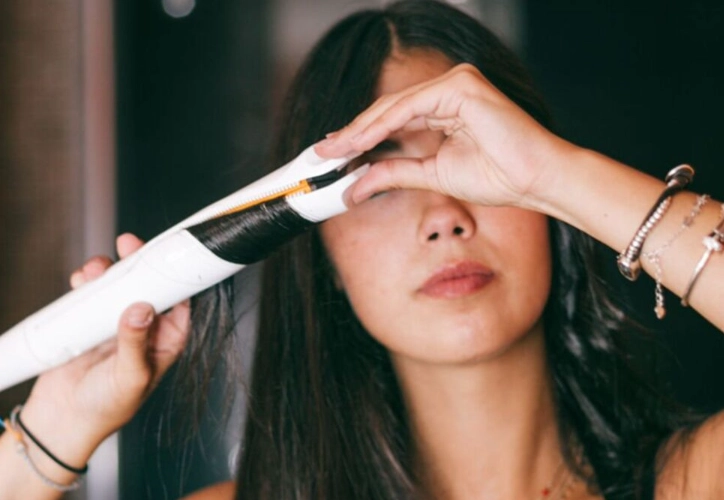
So, to answer the burning question right off the bat: Can a straightener really curl hair? Absolutely, 100% yes. It's not just a beauty myth or a hack for the truly desperate. It's a legitimate styling technique that can give you beautiful, long-lasting curls, waves, and everything in between. But—and this is a big but—it's not as simple as just clamping and twisting. There's a right way and a very, very wrong way to do it.
This guide isn't just about saying "yes, you can." It's about showing you exactly how, step-by-step, while keeping your hair healthy. We'll dig into the science of why it works, the tools you actually need, the techniques that make a difference, and the mistakes you must avoid. Forget those generic articles that just tell you to "twist and pull." We're going deep.
Why Does It Even Work? The Simple Physics of Hair Styling
Okay, let's get a little nerdy for a minute, but I promise to keep it painless. A hair straightener (or flat iron) and a curling iron operate on the same fundamental principle: heat. They use heated plates to break down the hydrogen bonds in your hair's keratin structure. Once these bonds are broken, you can reshape your hair into a new form—straight, curved, or coiled. As the hair cools down, the bonds reform, locking in that new shape.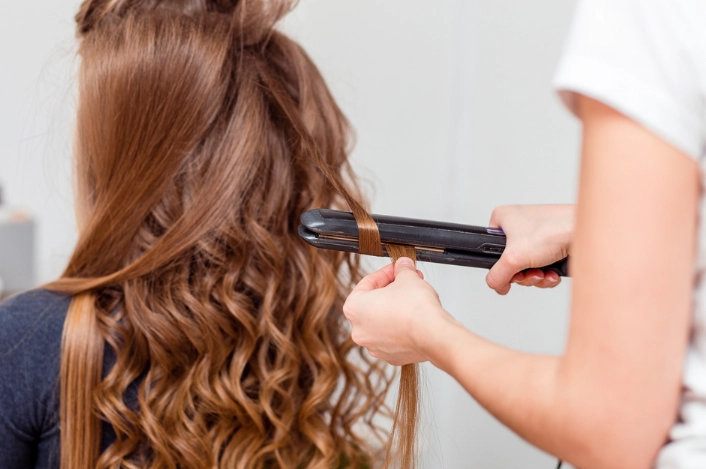
The key difference isn't the mechanism of action, but the shape of the tool. A curling iron has a barrel, which gives the hair a predefined curve. A straightener has flat plates, which means you have to create the curve through your technique. This actually gives you more control over the size, tightness, and direction of your curl.
Think of it like sculpting clay. A curling iron is like a cookie cutter—it gives you one specific shape. A straightener is like your hands—you can mold the clay into any shape you want, but it requires more skill. That's the opportunity here. With practice, you can create beach waves, loose curls, tight ringlets, or even a zig-zag pattern, all from one tool.
It's this versatility that makes asking "can a straightener really curl hair?" such a great question. You're not just asking if it's possible; you're unlocking a whole new way to think about your styling tools.
The Non-Negotiable Tool Kit: What You Need to Succeed
You can't build a house without a hammer, and you can't create great curls with a straightener without the right setup. Using any old straightener won't cut it. Here’s what you actually need: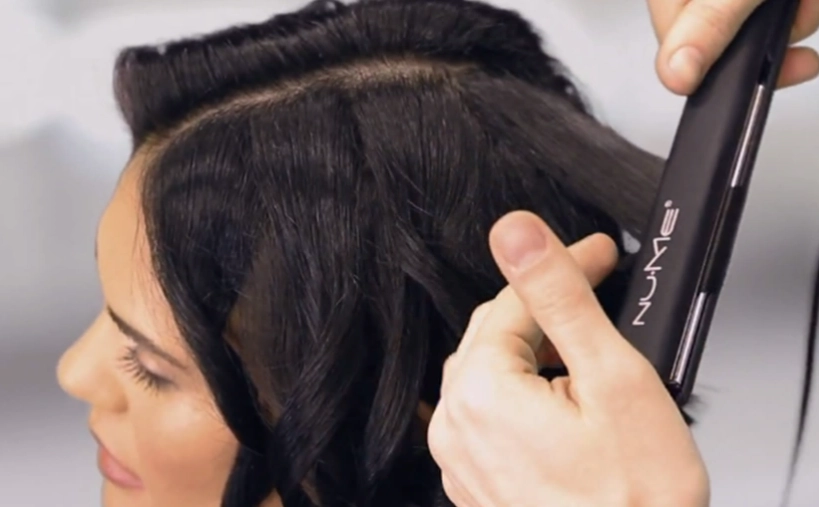
The Right Straightener
Not all flat irons are created equal for this task. The best ones have a few specific features:
- Plates: Ceramic or tourmaline plates are king. They heat evenly and distribute heat gently, reducing hot spots that can fry your hair. I've tried cheap ones with metal plates, and they snag and pull like crazy. Avoid that.
- Width: A plate width of 1 inch to 1.5 inches is the sweet spot. Anything wider makes it hard to create a defined curl, and anything narrower will take you forever. My personal favorite is a 1.25-inch iron—it's just versatile enough.
- Temperature Control: This is non-negotiable. You MUST be able to adjust the heat. Fine hair might need 300°F (150°C), while thick, coarse hair might handle 380°F (190°C). A one-temperature-fits-all tool is a recipe for damage.
Hot Tip (Pun intended): Always start on the lowest effective temperature. You can always go hotter, but you can't undo heat damage. The American Academy of Dermatology Association notes that excessive heat styling is a leading cause of hair damage, so this step is crucial for hair health.
The Essential Supporting Cast
The straightener is the star, but these co-stars are critical for a good performance:
Heat Protectant Spray: Do not, I repeat, DO NOT skip this. This is your hair's shield. Spray it on damp or dry hair before you even turn the iron on. It creates a barrier between your hair and the intense heat. It's the difference between a good hair day and a breakage-filled regret day.
Hair Clips: You'll need sectioning clips to manage your hair. Working in small, clean sections is the secret to uniform, defined curls. Trying to curl a whole chunk at once leads to a messy, half-straight result.
A Good Brush: A fine-tooth comb or a paddle brush to detangle and smooth each section before you apply heat. Knots + heat = snap.
Mastering the Techniques: From Basic Waves to Pro Curls
Alright, here's the meat and potatoes. Let's walk through the actual methods. I recommend starting with clean, completely dry hair. Damp hair + a straightener is basically steaming your hair, which can cause bubble hair (yes, that's a real, bad thing).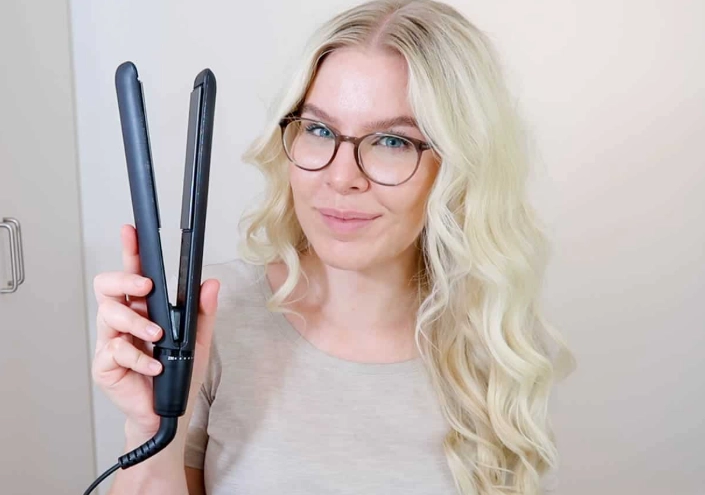
The Foundational Method: The Twist and Slide
This is the beginner-friendly technique that answers the core question, "Can a straightener really curl hair?" with a resounding yes.
- Prep: Spritz a section of hair with heat protectant. Take a horizontal section about 1-2 inches wide. Thinner sections = tighter curls.
- Twist: Twist the entire section of hair from root to tip. You can twist it away from your face, towards your face, or alternate for a more natural look. Twist it tightly.
- Clamp and Slide: Clamp the twisted section with your straightener at the top, near the roots. Now, slowly and steadily slide the straightener down the length of the twisted hair. Don't stop! Keep a smooth, consistent motion.
- Release and Cool: Once you reach the ends, open the plates and gently let the twisted hair fall. DO NOT brush it out or touch it yet. Let the curl cool completely in its twisted shape. This sets the curl.
This method gives you a beautiful, spiral-like curl. The first time I did this, I was shocked at how defined the curl was. It felt like a magic trick.
The Advanced Method: The Wrap Around
This takes more practice but gives you more control over the curl pattern, similar to a curling wand.
- Prep and Section: Same as before.
- Clamp at the Root: Instead of twisting, clamp a straight section of hair at the root with the straightener.
- Wrap and Roll: This is the tricky part. While the hair is clamped, quickly but carefully wrap the length of the hair around the body of the straightener (not the plates!). Wrap away from your face for an outward curl, towards for an inward curl.
- Hold and Release: Hold it wrapped for 5-10 seconds, then gently unwind and release the hair. Again, let it cool without disturbing it.
This method is faster once you get the hang of it, but it's easy to burn your fingers. Be careful!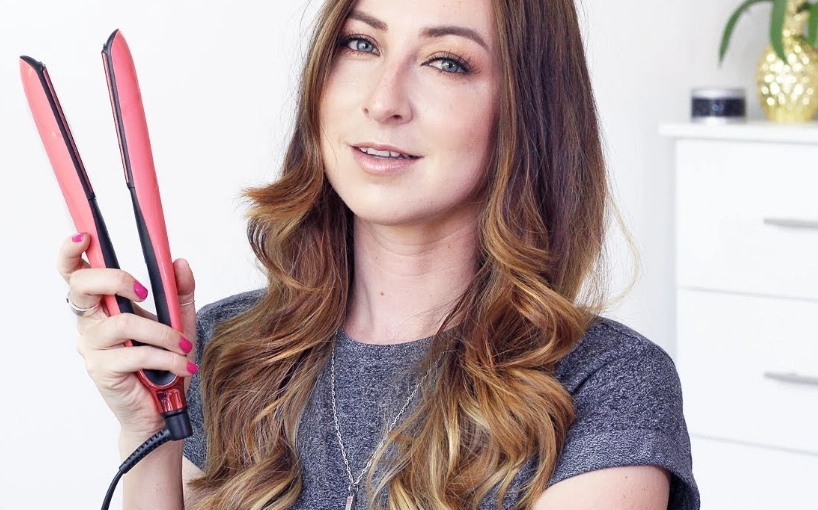
Quick Comparison: Which Technique is For You?
| Technique | Best For | Difficulty | Curl Result | Speed |
|---|---|---|---|---|
| Twist and Slide | Beginners, Long Hair, Avoiding Finger Burns | Easy | Uniform, Spiral Curls | Slower |
| Wrap Around | Experienced Users, Medium-Length Hair, More Control | Challenging | Loose Waves to Tight Curls | Faster |
| Bend and Go (Creating waves by making "C" shapes with the iron) | Beachy Waves, Adding Volume, Quick Texture | Moderate | Loose, Undulating Waves | Fastest |
My personal go-to is a mix. I use the twist and slide for the front pieces where I want definition, and the bend method for the back where I just want volume and wave.
The Safety Chapter: How to NOT Fry Your Hair
This is the most important part of this whole discussion. Can a straightener really curl hair without damage? Yes, but only if you're smart about it. Heat is the enemy of hair health when misused.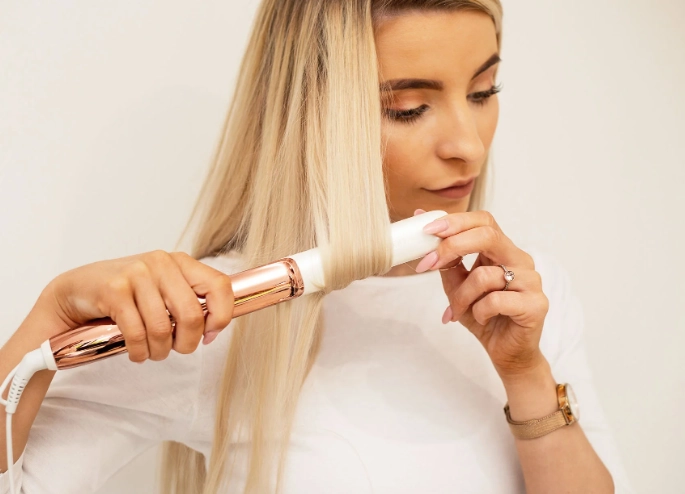
Major Mistake Territory: Going over the same section of hair multiple times. Every pass with the iron weakens the hair. Your goal should be one smooth pass per section. If a curl isn't perfect, let it cool, then re-apply heat protectant and try again. Don't just keep clamping and sliding over the same spot.
Here’s my safety checklist, born from sad experience:
- Temperature, Temperature, Temperature: Fine/thin hair: 250-300°F. Normal/medium hair: 300-350°F. Thick/coarse hair: 350-380°F. Never max out the iron just because you can.
- The Heat Protectant Mantra: Say it with me: "I will never skip heat protectant." It's not an optional product. Look for ones with ingredients like dimethicone or cyclopentasiloxane that coat the hair shaft. The American Academy of Dermatology's guide on heat styling strongly emphasizes this point.
- Listen to Your Hair: Hear a sizzle? Smell a weird burning smell? That's your hair screaming. Stop immediately, turn down the heat, and make sure the hair is bone dry.
- Give It a Break: Don't do this every single day. Your hair needs recovery time. I try to limit major heat styling to 2-3 times a week max.
Your Burning Questions, Answered (FAQ)
Honestly, they can last longer than curls from a curling iron! Because the technique often involves twisting the hair tightly and letting it cool completely, the set can be very strong. On my unwashed hair, they easily last two days. Day two gives you a great, softer wave. Using a light-hold hairspray after curling extends it further.
Not better, just different. A curling iron is foolproof for a specific curl. A straightener is more versatile but has a steeper learning curve. If you only want perfect, bouncy curls every time and don't care about versatility, stick with the iron. If you want one tool that can do multiple textures and save space, master the straightener. Beauty bloggers like those at Allure often feature flat-iron curling tutorials precisely for this versatility.
Yes, but it's trickier. You need very small sections and probably the "wrap around" method, focusing just on the ends to add bend and texture. The "twist and slide" might be too much for very short pieces.
Three likely culprits: 1) Your hair isn't completely cool before you touch it or shake it out. 2) You're using too much product beforehand (like heavy creams) that weigh hair down. 3) The temperature is too low for your hair type to get a lasting set. Try turning it up 25 degrees.
This is the ultimate test. My hair is pretty straight, and it works. The key is higher heat (within the safe range for your hair type) and a strong-hold setting spray or mousse applied before styling. Also, make sure you're twisting or wrapping very tightly. The tighter the initial form, the more likely it is to hold.
Pro Tip for Hold: After curling a section and letting it cool, gently pinch the curl with a small clip (like a duckbill clip) at the root and leave it clipped while you do the rest of your head. This "pin-setting" technique gives an incredible, long-lasting lift and hold. It's a game-changer.
The Final Verdict: Is It Worth Learning?
Look, if you're perfectly happy with your collection of styling tools, maybe you don't need this skill. But for travelers, minimalists, students in dorms, or anyone who just loves a good beauty hack, learning to curl with a straightener is incredibly empowering.
It turns a single tool into a complete hair studio. You can straighten, wave, curl, and flip ends. When you master it, you stop wondering, "Can a straightener really curl hair?" and start thinking, "What kind of curl do I feel like today?"
The process requires a bit of patience on the first few tries. Your arms might get tired. You might get a weird kink or two. I definitely did. But once your muscle memory kicks in, it becomes second nature. It's saved me on vacation more times than I can count, and it's saved my hair from the damage of using multiple high-heat tools in one session.
So, grab your straightener, your heat protectant, and start with a small section in the back. Take your time. Be gentle. Let the curls cool. You might just discover that your favorite curling tool was hiding in plain sight all along.
And remember, the goal isn't perfection. It's having fun, experimenting, and finding what works for your unique hair. That's the real secret to great hair days, no matter what tool you use.