Your Quick Guide
Okay, let's talk about something real. You're standing in front of your closet, or worse, in a dressing room under fluorescent lights, holding up a pair of pants and thinking... nope. Not today. Maybe not ever. That little (or not so little) pooch, the softness around your middle that just won't quit, it makes getting dressed feel like a strategic mission. I've been there. More times than I care to count. The quest for pants that don't pinch, don't bulge, and just make you feel put-together instead of stuffed-in is a universal struggle.
So, what pants are best for a flabby belly? It's not about finding one magical pair. It's about understanding a handful of key principles—fit, fabric, and cut—that work with your body, not against it. This isn't about hiding or squeezing. It's about smoothing, supporting, and most importantly, feeling confident enough to forget about your stomach and get on with your day.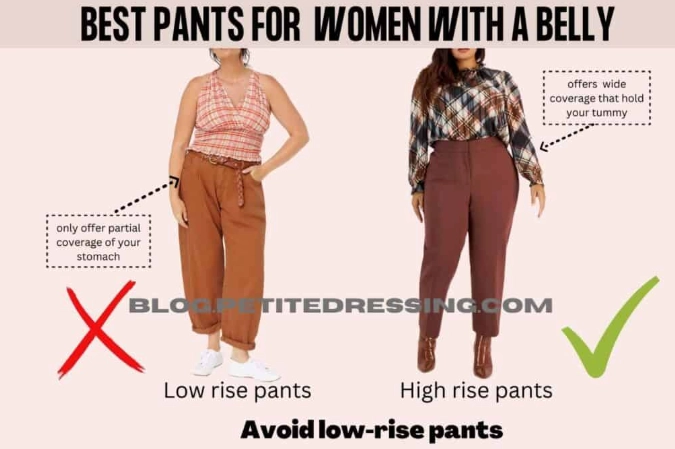
Why Most Pants Get It So Wrong (And What to Look For Instead)
First, let's diagnose the problem. Standard, off-the-rack pants are often designed for a hypothetical, straight-up-and-down body. The waistband is a rigid ring. The zipper is a straight line of tension. The fabric has no give. For a softer midsection, this is a recipe for discomfort and the dreaded "muffin top." The pressure has to go somewhere, and it usually spills over the top.
I made this mistake for years. Buying my "hip size" and then suffering through a waistband that gaped in the back while threatening to burst in the front. Or buying my "waist size" and having thighs that felt strangled. It's a no-win situation if you're looking at the wrong styles.
Instead, your new best friends are pants that offer strategic structure and intelligent stretch. Think of it like gentle, all-day support. You need a fabric with enough body to hold its shape and smooth things over, but enough mechanical stretch (that's the spandex/elastane content) to move with you without binding.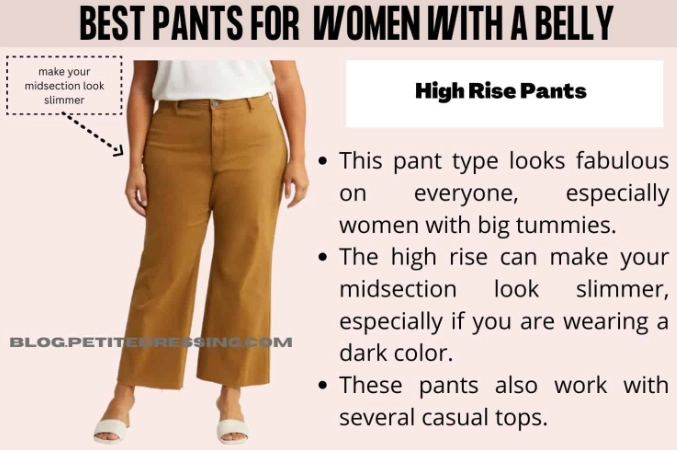
The Top Contenders: Pants That Actually Work
Based on endless trial, error, and some happy discoveries, here are the styles that consistently answer the question, "What pants are best for a flabby belly?"
High-Waisted and Wide-Leg Trousers
This is the gold standard, in my opinion. A high waistband (hitting at or just above your natural waist) acts like a gentle hug, holding everything in place without digging. It creates a defined waistline. Then, the wide leg flowing down from the hip creates a balanced, elegant silhouette. All the visual attention goes to that nice flow, not to your midsection. It's chic, it's comfortable, and it works for everything from the office to a nice dinner.
Paper-Bag Waist Pants
These can be hit or miss, but when they hit, they're fantastic. The gathered, cinched waist creates beautiful volume and distraction right at the smallest part of your torso. The fabric blouses out softly over the belly. The key is to find a pair where the gathering isn't too bulky and the fabric is fluid, not stiff. A structured crepe or soft suiting material is perfect.
Pull-On Ponte Pants
Don't underestimate the power of a good pull-on pant. We're not talking about sloppy sweatpants here. Ponte is a double-knit fabric, usually a blend of polyester, rayon, and spandex. It's thick, it has incredible recovery (meaning it bounces back and doesn't bag out), and it provides a smooth, compressed feel without feeling tight. No zippers, no buttons—just a wide, supportive waistband you can breathe in. They are the ultimate cheat code for looking polished with zero effort.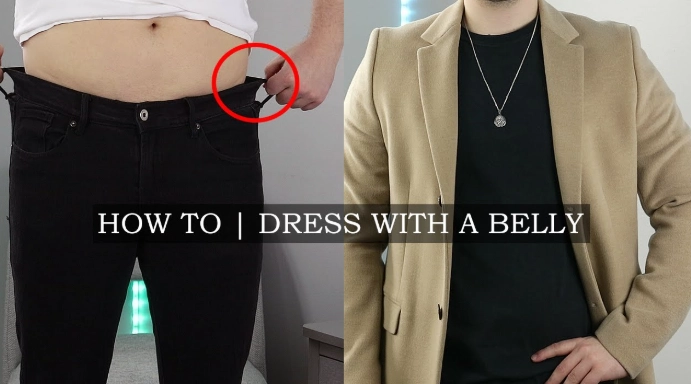
Structured Joggers
Yes, really. The right jogger has a tapered leg and a clean finish, often in a nice suiting material or sturdy cotton blend. The elasticated waist is usually covered by a floppy tie or a structured band, which lays flat and smooth. The slight taper at the ankle balances out the ease through the hip and thigh. It's a modern, casual look that prioritizes comfort without sacrificing style.
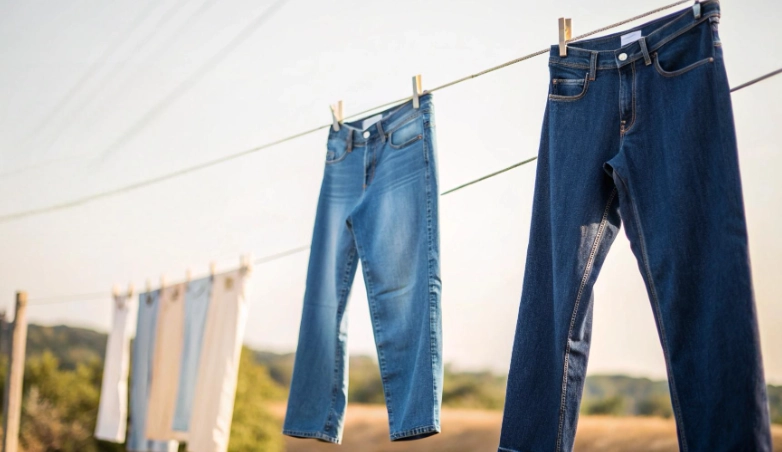
What about jeans? That's a whole other conversation, but the principles remain: look for mid-to-high rise, a slight stretch (too much and they lose shape), and a dark, uniform wash. Styles like a "boyfriend" or "straight leg" cut that aren't skin-tight through the hips are usually more forgiving than super-skinny jeans.
| Pant Style | Why It Works for a Flabby Belly | Best Fabric Examples | Potential Pitfall to Avoid |
|---|---|---|---|
| High-Waisted Wide Leg | Defines waist, skims over hips/belly, creates long vertical line. | Wool crepe, fluid suiting, drapey rayon. | Too-stiff fabric that tents out; waistband that's too tight. |
| Paper-Bag Waist | Creates volume & distraction at smallest point; loose front panel. | Soft suiting, crepe, lightweight tweed. | Excessive gathering that adds bulk; cheap, scratchy fabric. |
| Pull-On Ponte Pant | All-over smoothing compression; no pressure points from closures. | Ponte de Roma (a specific, stable double-knit). | Thin ponte that pills or loses shape; waistband that rolls down. |
| Structured Jogger | Comfort of elastic waist with tailored look; tapered leg balances silhouette. | Cotton twill, scuba knit, linen blends. | Dropped crotch that sags; overly casual/sporty fabric. |
| Mid-Rise Straight Leg Jean | Provides structure, uniform dark wash is slimming, straight cut is forgiving. | Denim with 2-4% elastane for stretch with hold. | Light washes with whiskering; super low rise; 100% cotton (no give). |
It's Not Just the Style: The Secret Lies in Fabric and Details
You could pick the perfect style and still get it wrong if the fabric fights you. This is where most generic advice falls short.
Forget thin, clingy materials. You want fabrics with substance. Look for words like:
- Ponte: As mentioned, the queen of comfort and control.
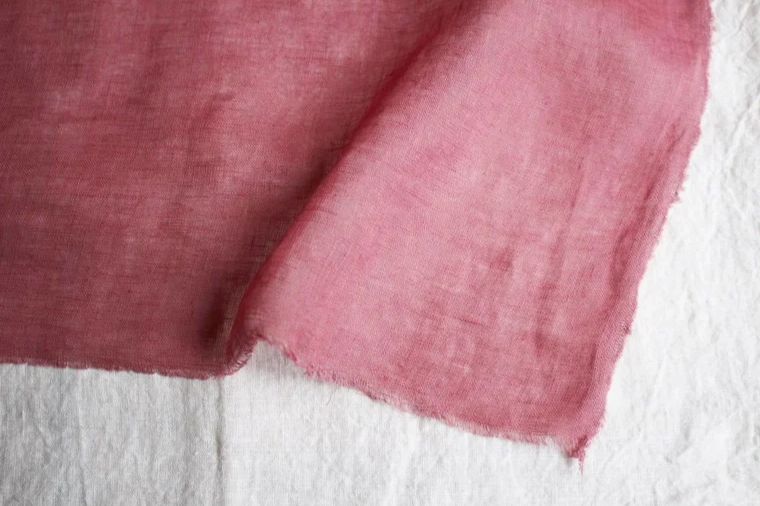
- Crepe: Has a slight texture and beautiful drape; it doesn't cling.
- Twills & Suiting Fabrics: Think what you'd find in a blazer—structured but not rigid.
- Stable Knits: Knits that don't stretch out of shape wildly. A good indicator is a blend with nylon or polyester for resilience.
A little bit of spandex (Lycra, elastane) is your friend—aim for 2% to 5%. It provides the necessary give. More than that, and the pants might become too stretchy and lose their smoothing ability.
Details matter too. A flat, wide waistband is better than a narrow, elastic one that can dig or roll. Side elastic panels or a smocked back waist are genius innovations that allow for fit flexibility. Look for pockets that lie flat, not ones that gape open. And for the love of all things comfortable, pay attention to the front closure. A sturdy hook-and-bar or a smooth zipper fly with a wide, flat button placket is far better than a flimsy zipper that strains.
Your Action Plan: Shopping List and Styling Hacks
Let's get practical. Next time you're shopping, either online or in-store, keep this mental checklist: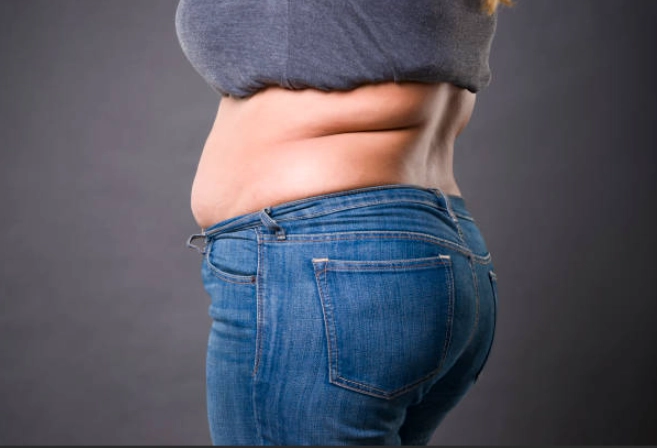
- Rise is King: Look for "high-rise" or "mid-rise" descriptions. Measure your best-fitting pants from crotch seam to top of waistband to know your number.
- Fabric Feel: Read the label. Polyester/Rayon/Spandex blends are often winners. Avoid 100% cotton (no stretch) or 100% rayon (can be too drapey and clingy).
- The Stretch Test: Pull the fabric widthwise. It should give, but also want to pull back firmly.
- Check the Back: Make sure the back waistband sits flat against your body without major gaping. A little gap is fixable by a tailor; a lot is a sign of the wrong cut.
Once you have the pants, styling is the final touch to complete the flattering look.
Top pairing is crucial. With a high-waisted pant, you have options. A fitted tee or tank tucked in emphasizes the defined waist. A looser blouse or sweater tucked in partway (the French tuck) gives a casual, effortless vibe. The rule of thumb is to avoid tops that end at the widest part of your hips or belly. Go for longer lengths that cover the waistband, or tuck it in.
Footwear matters. With wide-leg pants, a shoe with some height (a wedge, a block heel, even a platform sneaker) prevents you from being swallowed by fabric. With tapered pants, ankle boots or sleek sneakers work perfectly.
Answering Your Real Questions (FAQ)
Are leggings ever okay?
This is controversial. I think yes, but with major caveats. Leggings are not pants in the traditional sense—they are footless tights. Wearing them as pants, especially with a soft belly, requires a top that is long enough to cover your rear and the front pelvic area completely. A tunic, a long sweater, a dress. The legging itself should be thick and opaque (do the bend-over test in bright light!). If you're self-conscious, a legging with a wide, high-waisted band can be more comfortable and smoothing than a thin one.
What about shapewear built into pants?
Some brands offer pants with built-in "tummy control" panels. These can be great for special occasions where you want extra sleekness. However, for everyday wear, I find them often too restrictive and uncomfortable. The seams of the panel can sometimes show through tops. I prefer a good pair of separate, high-waisted shaping shorts if I need that level of control, paired with my favorite regular pants. It gives me more flexibility.
How do I handle bloating?
We all bloat. This is where your investment in pants with stretch and forgiving fits really pays off. Paper-bag waists, elasticated waists, and ponte pants are bloating's worst enemies (in a good way). They have built-in give. Avoid rigid denim or non-stretch trousers on days you know you might feel puffy. It's a game-changer for comfort.
Can men use this advice too?
Absolutely. The principles are universal. Men should look for flat-front trousers (avoid pleats that add volume) in fabrics with a bit of stretch. A mid-rise that sits comfortably on the waist, not the hips, is key. Structured chinos, stretch wool trousers, and even well-cut jeans with a straight leg follow the same logic of creating a clean, unbroken line. The goal is the same: comfort and a polished silhouette.
Building a Mindset, Not Just a Wardrobe
After all this talk about cuts and fabrics, the most important thing is how you feel. The goal of finding pants that are best for a flabby belly isn't about achieving some unattainable "perfect" body in clothing. It's about eliminating a daily source of frustration. It's about getting dressed in the morning and not having your first thought be about your stomach. It's about confidence.
Sometimes the most flattering thing you can wear is a good fit and a smile. When your clothes feel good, you carry yourself differently. You stand taller. You're not constantly pulling or adjusting.
So start with one pair. Maybe it's a pair of black ponte pants. See how it feels to move through a day without thinking about your waistband. Then maybe try a wide-leg trouser. Experiment. Your body is not a problem to be solved by clothing; clothing is a tool to help you feel your best.
For further reading on fabric technologies and textile properties that contribute to comfort and fit, resources like the CottonWorks website (by Cotton Incorporated) provide valuable, science-backed information on fiber blends and performance. Similarly, understanding general fashion terminology can help when shopping; the Vogue Fashion section often breaks down trends and styles in detail, though always filter it through your personal comfort lens.
Remember, style is personal. This guide gives you the rules—the principles of fit and fabric—so you can confidently break them when you want to. Now go find those pants that make you feel great.