In This Guide
- First Things First: What Type of Leather is Your Bag Made From?
- How to Choose: The Key Factors Beyond the Hype
- The Contenders: A Side-by-Side Look at Top Conditioners
- The Foolproof, No-Stress Application Guide
- Your Leather Conditioner Questions, Answered
- Special Situations & Niche Needs
- Final Thoughts: It's About Preservation, Not Perfection
- Vintage and Antique Bags
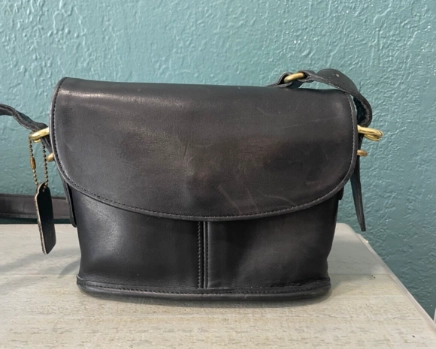
Let's be honest. You spent good money on that leather bag. Maybe it was a splurge, maybe it's an everyday workhorse, or perhaps it's a vintage find you adore. Whatever the story, seeing it dry out, get scuffed, or lose its luster is a bit heartbreaking. You know you should condition it, but the world of leather care products is a maze. Which one is actually the best leather conditioner for bags? The answer, frustratingly, is "it depends." But don't worry, that's why we're here. I've been down this rabbit hole myself, with triumphs and a few disasters (RIP, that one slightly sticky tote). This guide is meant to cut through the marketing jargon and give you the straight talk you need.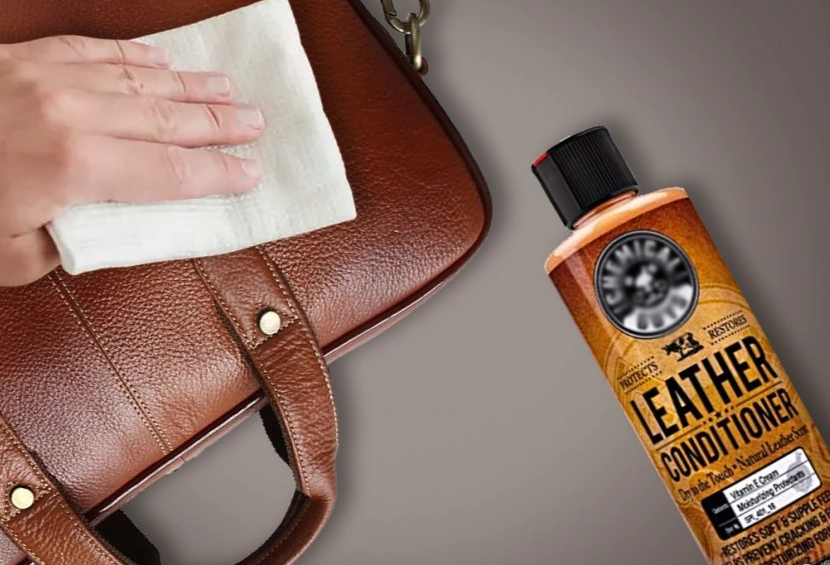
Think of conditioner like moisturizer for your skin. A cheap, greasy one will clog your pores and feel awful. A good one sinks in, nourishes, and protects. Leather is skin, after all. Using the wrong product can darken light leathers permanently, leave a nasty residue, or even degrade the material over time. The goal isn't just to make it shiny for a day; it's to feed the leather, restore its flexibility, and build up its defenses against daily wear, sunlight, and spills.
First Things First: What Type of Leather is Your Bag Made From?
You can't pick the best product if you don't know what you're working with. This is the most critical step most guides gloss over. Conditioning suede like you'd condition a briefcase is a recipe for ruin.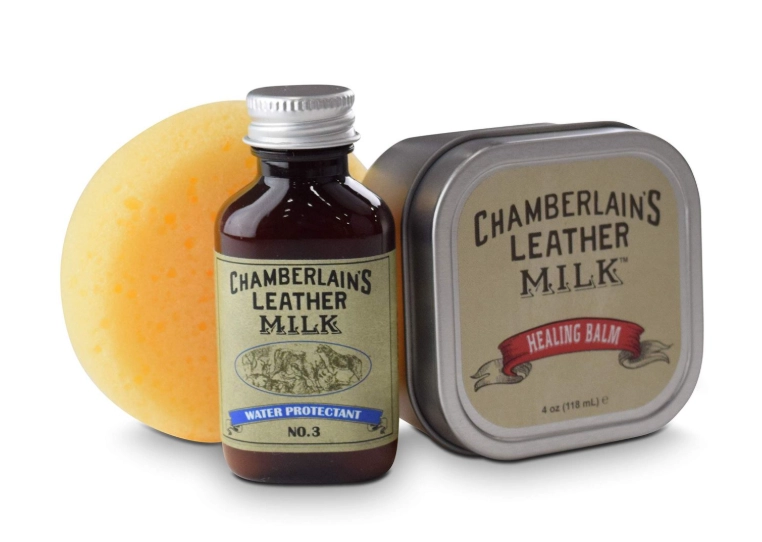
Full-Grain or Top-Grain Leather: This is the good stuff. Durable, develops a patina, and often used in high-end bags. It has a natural surface and absorbs conditioner well. Most conditioners are formulated for this type.
Corrected-Grain or Coated Leather: Very common. The surface has been sanded and given a polymer coating (like a light plastic film). Think of many contemporary designer bags. Conditioner can't penetrate the coating much, so you're mainly conditioning the coating itself. Use lighter, non-oily products to avoid buildup.
Nubuck/Suede: The fuzzy side of the hide. Never use a standard leather conditioner. It will mat the nap and stain it. These require specific suede cleaners and protectors, usually in spray form. The Leather Dictionary is a fantastic resource for identifying leather types if you're unsure.
Exotic Leathers: Alligator, ostrich, snakeskin. These are specialist territories. Often, the brand that made the bag (like a luxury maison) will offer a specific care product. When in doubt, use that or consult a professional.
Vintage Leather: Often dry and thirsty. It usually benefits from a richer, more penetrating conditioner, but always, always do a patch test in a hidden area first.
How to Choose: The Key Factors Beyond the Hype
Forget the fancy bottles for a second. Look at the ingredients and the intended use. Here’s what matters when you're hunting for the best leather conditioner for your specific bag.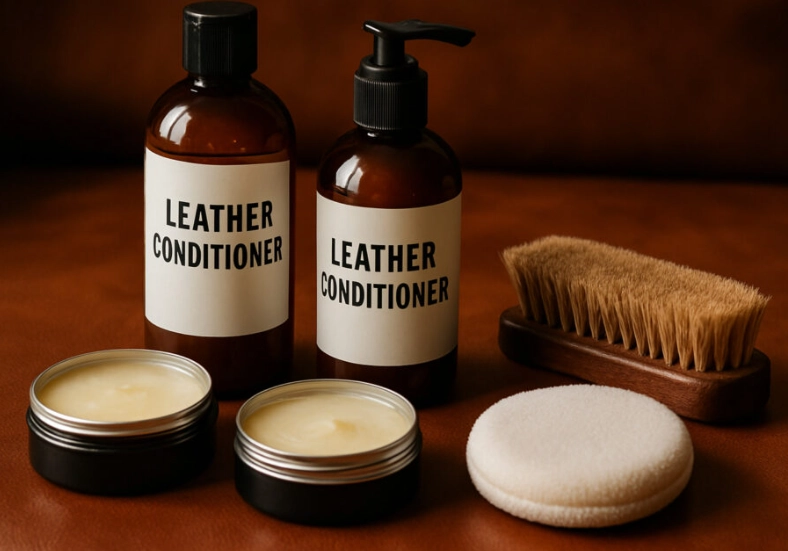
Ingredients to Look For: Natural oils and waxes are your friends. Look for mink oil, lanolin, beeswax, and coconut oil. These mimic the fats naturally found in leather and replenish them. Modern synthetic conditioners can also be excellent, often using advanced polymers that protect without altering color. Research on leather finishing shows that a balance of nourishing and protective agents yields the best long-term results.
Ingredients to Be Wary Of: Silicone. It creates a superficial shine but can sit on top of the leather, preventing it from breathing and eventually drying it out from within. Petroleum-based oils can sometimes go rancid or overly darken leather.
Finish (Matte vs. Shiny): Do you want to enhance the natural matte look of your bag or give it a polished shine? Cream-based conditioners tend to leave a more natural, satin finish. Paste waxes or conditioners with high wax content will build more of a shine with buffing.
Color Safety: This is huge. Some conditioners will darken leather, especially lighter shades like tan, beige, or white. If you want zero color change, you must seek out products explicitly labeled "non-darkening" or "colorless." Even then, test first.
Water Resistance: Does the product add a protective layer? Conditioners with a higher wax content (like beeswax) will provide some water-repellency, which is great for everyday bags. Pure oil conditioners nourish deeply but may not repel a sudden rain shower as well.
The Contenders: A Side-by-Side Look at Top Conditioners
Alright, let's get to the meat of it. Based on my testing, community forums, and professional cleaner recommendations, here are the top performers. This isn't about one being "the best" overall, but about which is the best leather conditioner for bags in specific situations.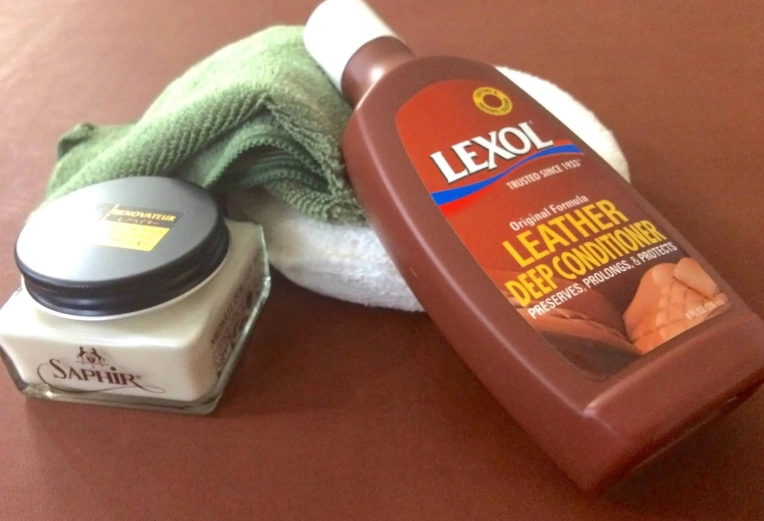
| Product Name | Best For Leather Type | Key Features & Ingredients | Finish & Color Impact | My Take |
|---|---|---|---|---|
| Chamberlain's Leather Milk #3 | Dry, Thirsty Full-Grain & Vintage | Natural blend (beeswax, lanolin, coconut oil). Non-toxic, pleasant scent. More of a nourishing lotion than a wax. | Natural, matte/satin finish. Minimal darkening on most leathers. | This is my personal go-to for rehabbing dry bags. It sinks in beautifully without greasiness. The pump bottle is genius. It's a fantastic all-rounder and one of the top contenders for the title of best leather conditioner for everyday bags. |
| Bickmore Bick 4 | Light-Colored & Coated Leathers | Famous for being non-darkening. Contains neatsfoot oil and lanolin. Very liquid consistency. | Virtually no shine, zero darkening on tested leathers. | The gold standard for anyone terrified of changing their bag's color. It's incredibly safe. I've used it on a white bag with zero issues. The downside? It's purely a conditioner with little protective wax, so you might need a separate protector for rainy climates. |
| Lexol Leather Conditioner | Budget-Friendly All-Purpose Care | A classic. Uses a micro-emulsion technology to penetrate deeply. pH balanced. | Low luster, natural look. Can cause slight darkening on very dry leather. | You get a lot for your money. It's been used for decades on everything from car seats to jackets. It works well, though I find the smell a bit stronger (like a clean saddle shop). A reliable, no-frills workhorse. |
| Saphir Médaille d'Or Renovateur | Luxury & Fine Leather Goods | The high-end choice. Contains beeswax and mink oil. Used by high-end shoe collectors worldwide. | Beautiful, rich shine with buffing. Can darken slightly. | This is the luxury treat. It feels and smells premium. The results on a quality leather bag are exceptional—it brings out depth and richness. It's pricey, so I reserve it for my nicest pieces. If price is no object, many argue this is the absolute best leather conditioner money can buy. |
| Apple Brand Leather Conditioner | Modern Coated & Finished Leathers | Light, clean formula. Designed not to clog the pores of finished leathers. | Very natural, almost undetectable finish. Non-darkening. | A fantastic modern formula for contemporary bags that have that smooth, coated finish. It doesn't feel heavy or waxy. It's like a light moisturizer. Great for maintaining the "as-new" look without risking a sticky residue. |
See? It's about matching the tool to the job. A dry, vintage doctor's bag needs Chamberlain's or a rich cream. A pristine, light pink contemporary tote needs Bick 4 or Apple Brand.
The Foolproof, No-Stress Application Guide
You've got your conditioner. Now, don't ruin your bag by rushing. This process is simple but requires patience.
- Clean First, Always. Conditioning over dirt traps the grime. Use a dedicated leather cleaner or a barely damp, soft microfiber cloth to wipe down the entire bag. Let it dry completely. For a deeper clean, consider a product like Leather Honey Leather Cleaner.
- The Sacred Patch Test. Pick an inconspicuous spot—the bottom, inside a strap gusset. Apply a small amount of conditioner. Wait 24 hours. Check for color change, texture change, or any adverse reaction. If it's good, proceed.
- Apply Sparingly. Less is more. Put a small amount on a clean, soft cloth (like an old t-shirt or a dedicated microfiber). Rub it onto the leather in small, circular motions. You're not painting a fence; you're massaging it in.
- Focus on Dry Areas. Pay extra attention to handles, corners, and any areas that bend or flex. These spots wear out fastest.
- Let It Feast. Walk away. Let the bag sit for at least an hour, preferably overnight. The leather needs time to absorb the oils and waxes.
- Buff to Shine (Optional). The next day, take a fresh, dry cloth and buff the entire surface. This removes any excess, evens out the application, and brings up the shine if your conditioner provides one.
How often? It's not a monthly chore. For a bag in regular use, once or twice a year is plenty. For a bag in storage, condition it before you put it away. Over-conditioning can soften the leather too much and weaken fibers.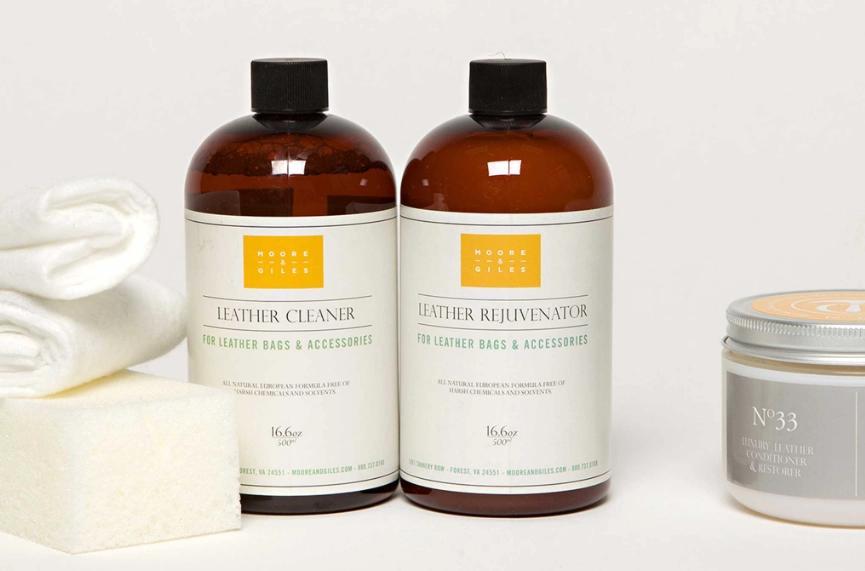
Your Leather Conditioner Questions, Answered
I get asked these all the time. Let's clear them up.
Special Situations & Niche Needs
Vintage and Antique Bags
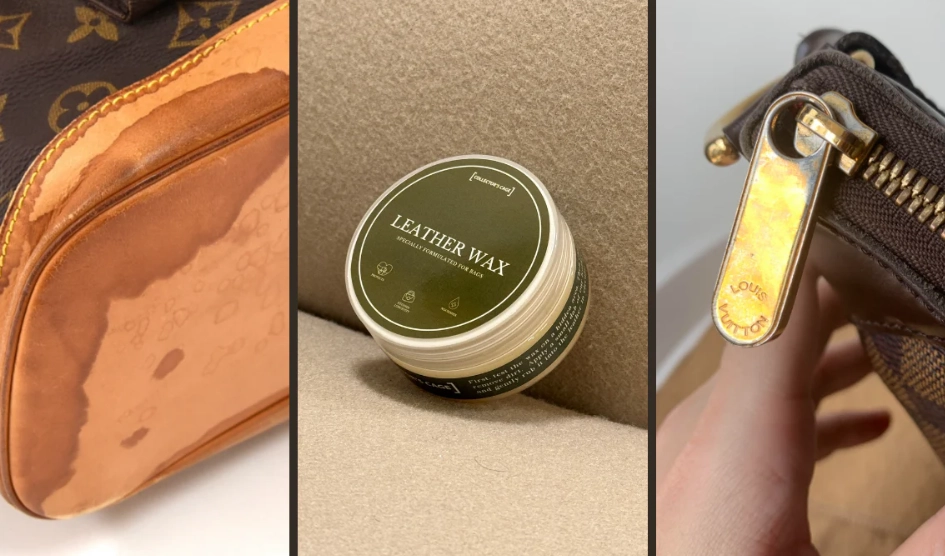
These are often parched. Go slow. Use a very gentle cleaner first to remove decades of grime. Then, apply a rich conditioner like Chamberlain's or a pure neatsfoot oil blend in multiple thin layers over weeks, not all at once. The goal is gradual rehydration.
White and Pastel Bags
Your only choice is a conditioner specifically labeled non-darkening, like Bickmore Bick 4. Test religiously. The priority is maintaining color integrity over deep nourishment.
Vegetable-Tanned Leather
This leather (common in heritage and artisanal brands) is meant to patina and darken with age and exposure. Using conditioner will accelerate and enrich this natural process. It's part of the charm. Don't fight it; embrace it with a natural conditioner.
The One Thing Nobody Talks About: Storage
Conditioning is half the battle. How you store your bag matters just as much. Never store in a plastic bag—it traps moisture. Use a breathable cotton dust bag. Stuff it with acid-free tissue paper to maintain shape. Keep it in a cool, dry place away from direct sunlight, which is leather's worst enemy for fading and drying. The Conservation Wiki on Leather has great archival tips that apply to our bags at home, too.
Final Thoughts: It's About Preservation, Not Perfection
Looking for the single best leather conditioner for bags is like looking for the single best shoe. It doesn't exist. But finding the best one for your specific bag is absolutely possible, and now you have the toolkit to do it.
Start with the leather type. Let that guide your product choice. When in doubt, choose a milder, non-darkening formula. Apply with a light hand and patience. The goal isn't to make your bag look factory-new forever (unless it's a coated leather). For full-grain leather, the goal is to nurture a beautiful, evolving patina that tells the story of where you've been with it.
My personal arsenal? I keep Bick 4 for my light bags and coated pieces, Chamberlain's Leather Milk for my everyday workbags and vintage finds, and a tiny, precious tin of Saphir for my most cherished briefcase. It covers all my bases.
Stop Worrying, Start Caring
Don't let your bag sit in the closet because you're afraid of ruining it. A simple, informed conditioning routine is the most respectful thing you can do for a quality leather good. It extends its life by years, even decades. Pick a product from the list above that matches your bag, set aside an hour this weekend, and give it some love. You'll be amazed at the transformation.
Got a tricky bag situation I didn't cover? Drop a comment below—I love talking about this stuff and helping solve specific leather care puzzles. There's nothing better than bringing a tired bag back to life.