Quick Navigation
- Why Your Pricy Bag Needs Special Care (It's Not Just Leather)
- How Leather Conditioner Actually Works (The Science, Simplified)
- Choosing the Right Leather Conditioner for Luxury Bags: A Buyer's Checklist
- The Step-by-Step Guide to Conditioning Your Bag (Without Panicking)
- Common Mistakes That Can Ruin a Bag (I've Seen It All)
- Beyond the Bottle: Holistic Bag Care
- Your Top Questions on Leather Conditioner for Luxury Bags, Answered
- Final Thoughts: It's About Preservation, Not Perfection
Let's be honest. That moment you unbox a new luxury bag—the smell, the sheen, the perfect feel—it's magic. Fast forward a year of daily use, and the magic can start to fade. The leather feels a bit dry, maybe there's a slight scuff, and that rich color doesn't pop like it used to. You start typing things into Google like "leather conditioner for luxury bags" and are immediately bombarded with a thousand opinions, product ads, and scary stories about ruining a $5,000 investment.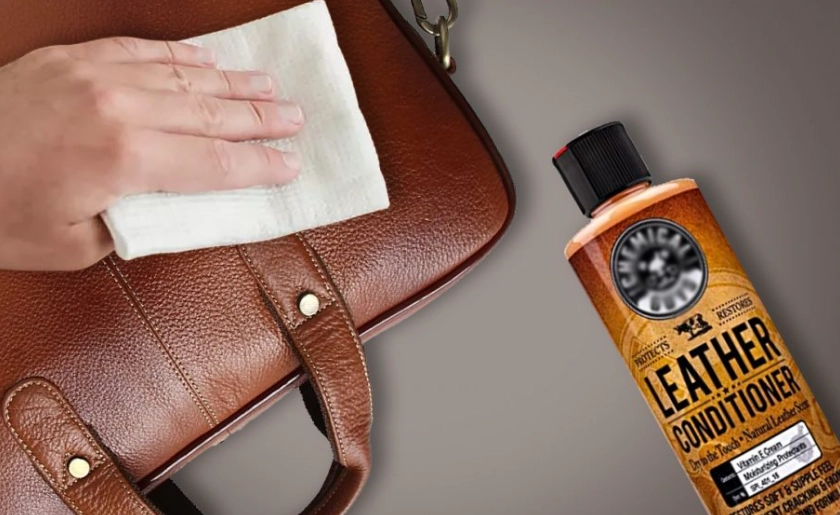
I've been there. I once used a well-known, all-purpose leather cream on a vintage lambskin bag, convinced I was doing the right thing. The result? A weird, sticky patch that never fully absorbed. A costly lesson learned not at the school of life, but at the school of handbag repair.
So, let's cut through the noise. This isn't about pushing a specific brand. It's about understanding why your bag needs care, how conditioner actually works, and what you should realistically do to keep your investment looking incredible for decades. Because a proper leather conditioner for luxury bags isn't a luxury; it's a necessity.
Why Your Pricy Bag Needs Special Care (It's Not Just Leather)
Think of leather as skin. Your skin needs moisture to stay supple and resist cracking. Leather is no different. High-end brands use exquisite hides—calfskin, lambskin, pebbled leather, exotic skins. These aren't the thick, rugged leathers of a work boot. They're often delicate, finely finished, and treated with aniline or semi-aniline dyes that showcase the natural grain. This is what gives them their beauty and their high price tag. It also makes them more vulnerable.
Daily life is the enemy. Sunlight bleaches and dries. Hand oils and lotions build up. Changes in humidity cause the fibers to expand and contract. Without intervention, the leather's natural oils evaporate, fibers become brittle, and the material loses its flexibility. Cracks appear. The color fades. That's where a dedicated leather conditioner for designer bags steps in. It's not about adding a shiny coat; it's about replenishing what gets lost, nourishing the fibers from within to maintain strength and flexibility.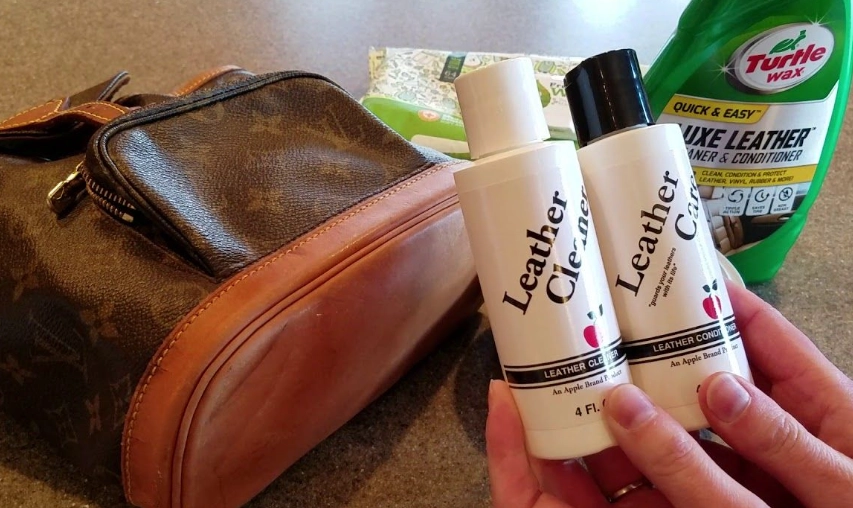
How Leather Conditioner Actually Works (The Science, Simplified)
Forget marketing fluff. A good conditioner is a blend of three key things: moisturizers, nourishers, and sometimes protectants.
- Moisturizers (like lanolin or specific oils): These penetrate the leather's top layer to replace lost moisture and lubricate the fibers, restoring softness.
- Nourishers (like beeswax or other waxes): They sit slightly closer to the surface, filling in microscopic gaps in the grain to create a smooth feel and a subtle barrier.
- Protectants (like UV inhibitors): Not all have these, but some include ingredients to help shield against sun damage.
The goal is penetration without residue. If a product sits on top like a greasy film, it's not conditioning; it's coating. And coatings can trap dirt, alter breathability, and eventually crack or peel. The Leather Care Guide from the Leather Conservation Centre offers a fantastic, chemistry-light explanation of leather's hygroscopic nature (its ability to absorb and release moisture) and why balanced conditioning is crucial.
You want the leather to drink it in slowly, leaving it looking nourished, not greasy.
Choosing the Right Leather Conditioner for Luxury Bags: A Buyer's Checklist
Walking into a store or browsing online is overwhelming. Here’s how to filter the options. Your first question should never be "What's the best?" It should be "What's best for MY bag's leather type?"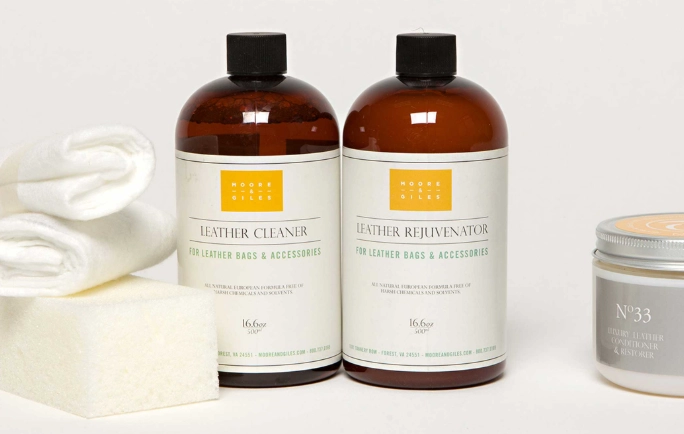
Key Ingredients to Look For (And a Few to Avoid)
Natural-based ingredients are generally safer for fine leathers. Look for products that proudly list things like:
- Lanolin: A fantastic moisturizer derived from sheep's wool, very close to leather's natural oils.
- Beeswax: A classic nourisher and mild water repellent. Great for structured bags.
- Jojoba Oil or Mink Oil (with caution): Good penetrators. Pure mink oil can darken leather over time, so it's best for darker bags or used in blends.
Ingredients to be wary of:
- Silicone: It creates a plastic-like barrier that can prevent future conditioning and crack. It gives a cheap, shiny look.
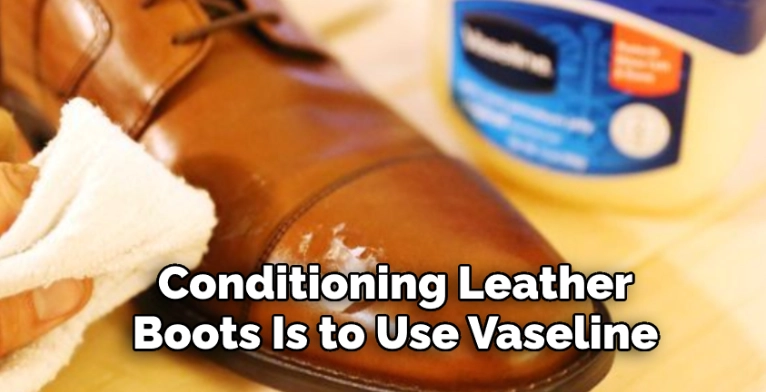
- Petroleum Jelly (Vaseline) or Mineral Oil: These can over-soften leather, break down stitching threads, and attract dust. Just don't.
- Heavy, Unspecified "Oils": If the ingredient list is vague, it's a red flag.
Cream vs. Liquid vs. Spray: Which Form is Best?
It's not just about the ingredients; the form factor matters for control.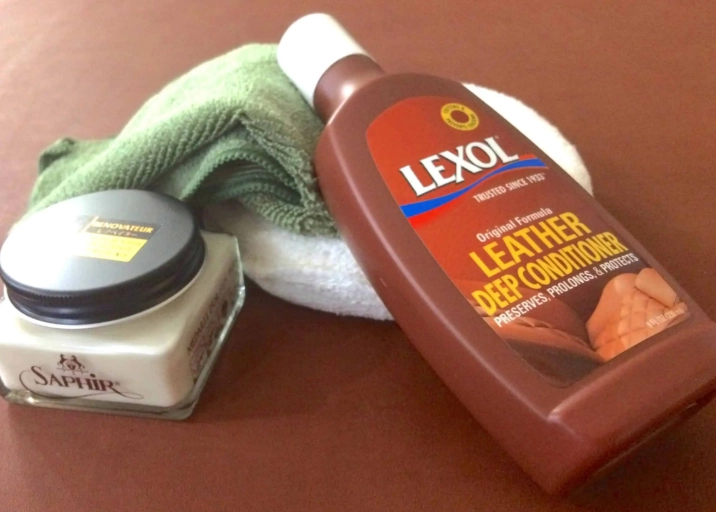
| Form | Best For | Pros | Cons |
|---|---|---|---|
| Cream/Paste | Most common. Ideal for smooth leathers (calfskin, pebbled), full-grain leathers. | Great control, easy to see application, often deeply nourishing. | Can be over-applied, requires buffing. |
| Liquid/Oil | Dry, porous leathers (some suedes* after consultation, distressed leather). | Penetrates deeply, good for overall dryness. | Harder to control, high risk of darkening and over-application. |
| Spray | Light conditioning or protectant application on nubuck, some exotics. Often used as a final protective layer. | Even, light coverage, good for hard-to-reach areas. | Less control over amount, can be inhaled, may not provide deep conditioning. |
*Important: Suede and nubuck are a whole different ballgame. Most traditional conditioners will ruin the nap. Always, always use products specifically formulated for suede/nubuck.
The Leather Type Decoder: What Your Bag Actually Needs
This is the most critical part of choosing a leather conditioner for luxury bags. A one-size-fits-all approach is a sure path to regret.
- Calfskin (Chanel, Louis Vuitton Epi, many structured bags): Durable but can dry. Use a light, non-greasy cream conditioner. Test for darkening on a hidden spot first.
- Lambskin (Classic Chanel Flap, soft YSL bags): Extremely delicate and prone to scratches. Needs a very light, fast-absorbing conditioner. Less is more. The goal is to maintain softness without adding weight or altering the texture.
- Pebbled/Grained Leather (Gucci Dionysus, many Saint Laurent): More forgiving due to texture. A good cream conditioner works well to keep the grains supple.
- Saffiano/Textured (Prada, some Coach): This is a coated leather. It's very scratch-resistant and durable. It rarely needs deep conditioning. A gentle wipe-down and a very light protectant spray are usually sufficient. Using a heavy conditioner might not penetrate the coating at all.
- Exotic Skins (Crocodile, Alligator, Ostrich, Python): STOP. These require specialist care. The scales, the finishes, the dyes are highly specific. The CITES guidelines often govern their care. For these, your only move is to contact the brand directly or a reputable exotic skin specialist. Do not experiment.
The Step-by-Step Guide to Conditioning Your Bag (Without Panicking)
Alright, you've got your product. Now, let's do this right. Set aside an hour in good, natural light. Rushing leads to mistakes.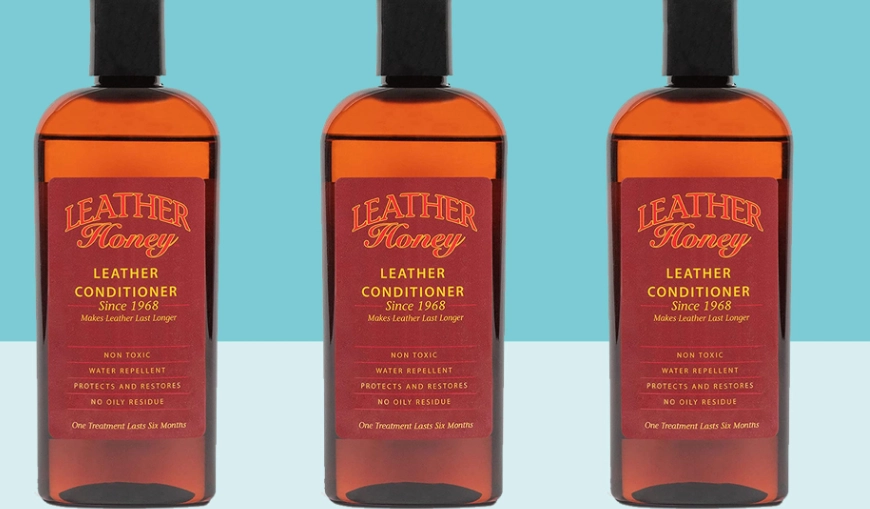
Step 1: The All-Important Clean
You never condition a dirty bag. It pushes dirt and oils deeper into the pores. Start with a soft, dry, lint-free cloth (microfiber is great) and gently brush away surface dust. For light soil, use a leather cleaner specifically designed for fine leathers. Apply a tiny amount to a cloth, never directly on the bag, and work in small circular motions. Let it dry completely. The American Cleaning Institute has general guidelines on testing cleaners in inconspicuous areas first—a rule that is gospel for luxury items.
Step 2: The Patch Test (Don't Skip This!)
Find a hidden spot—inside a strap attachment, under a flap, on the bottom corner. Apply a dime-sized amount of your chosen leather conditioner for luxury bags. Rub it in gently. Let it dry for 24 hours. Check for:
- Color change (darkening or discoloration)
- Sticky residue
- Change in texture
If all is clear, proceed. If not, stop. That product isn't for your bag.
Step 3: Application – Less is a Feast, More is a Famine
Dab a small amount of conditioner onto your clean, dry cloth. Rub your cloths together to spread it out. You want the cloth barely coated, not soaked.
Apply in gentle, circular motions to one small section at a time. Think the size of your palm. You should see the leather slowly absorb it, becoming slightly darker as it drinks the moisture. If it looks wet or shiny immediately, you've used too much. Wipe off the excess immediately with a clean part of your cloth.
Work methodically over the entire bag, paying extra attention to dry areas like handles, corners, and edges, which wear the most. Avoid stitching as much as possible; you don't want to saturate the threads.
Step 4: The Waiting Game & Buffing
Let the bag sit. Overnight is ideal, but at least for several hours in a well-ventilated, room-temperature space away from direct heat or sun. This allows for full absorption.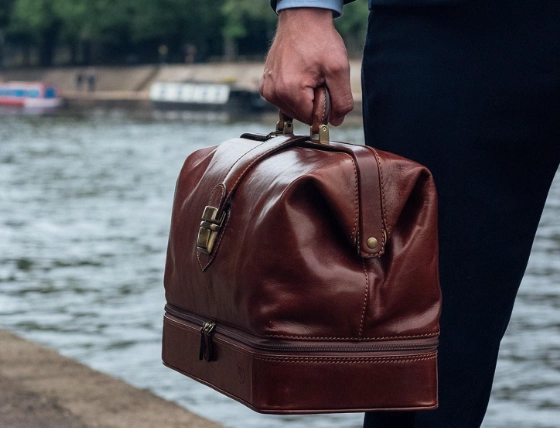
After it's dry to the touch, take a fresh, clean, dry microfiber cloth and give the entire bag a gentle but firm buff. This removes any microscopic residue and brings up a lovely, natural luster. It should feel supple and smell like clean leather, not like the conditioner.
Common Mistakes That Can Ruin a Bag (I've Seen It All)
Let's talk about the pitfalls. These are the reasons people end up at the repair shop.
- Over-conditioning: This is the #1 mistake. Leather can only absorb so much. Excess sits on top, attracts dirt, and can weaken fibers. Once or twice a year is plenty for most bags in regular rotation.
- Using Household Products: Olive oil, coconut oil, furniture polish. Just no. They go rancid, attract pests, and break down leather. They are not a leather conditioner for designer bags.
- Ignoring the Leather Type: Using a wax-heavy conditioner on delicate lambskin will clog its pores and stiffen it. Using a light cream on a severely dried-out vintage bag might not be enough.
- Conditioning in Direct Sunlight or Heat: This causes the product to dry too fast on the surface, preventing proper absorption and potentially causing blotchiness.
- Forgetting the Interior: The interior leather or suede needs care too, but often with different, lighter products. Check the material first.
Beyond the Bottle: Holistic Bag Care
Conditioning is one pillar of care. The others are just as important.
Storage is 50% of the battle. Never store in plastic—it traps moisture and promotes mold. Use the dust bag it came with, stuffed with acid-free tissue paper to maintain shape. Keep it in a cool, dry place. Those airtight plastic boxes? They're humidity traps.
Daily Handling. Try to keep hand creams and sanitizers off the leather. If you get caught in the rain, blot (don't rub) with a dry cloth and let it air dry naturally away from direct heat. Don't try to "condition" the wet spot immediately.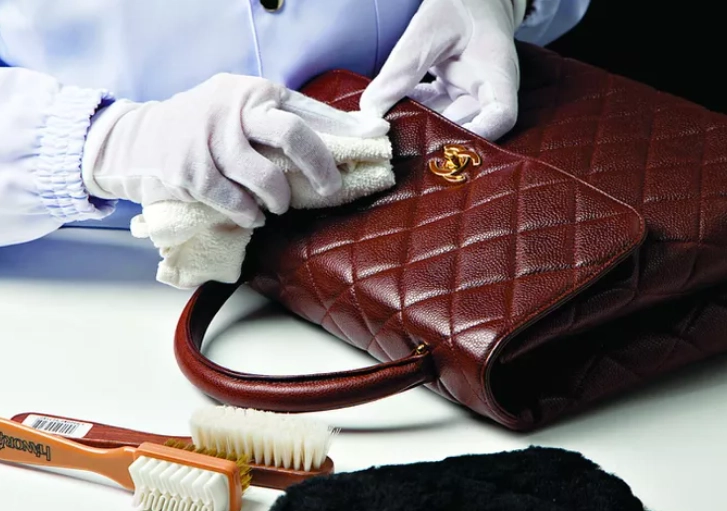
Your Top Questions on Leather Conditioner for Luxury Bags, Answered
Final Thoughts: It's About Preservation, Not Perfection
At the end of the day, leather is a natural material. It will develop a patina—a gentle darkening and softening of high-touch areas. This isn't damage; it's character. It tells the story of the bag's life. A good leather conditioner for luxury bags isn't meant to stop that story; it's meant to ensure the story lasts for many, many chapters without the pages cracking.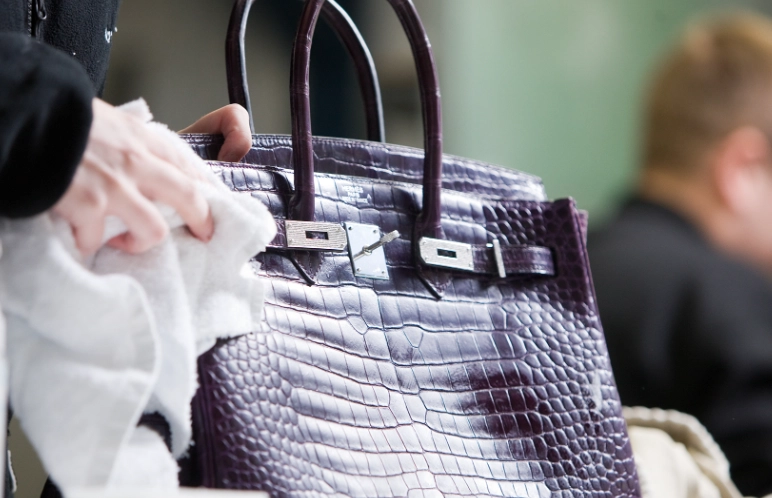
Don't let fear paralyze you. Start with the right knowledge, choose your product wisely, test it, and apply it with patience. Your bag is an investment. This is how you protect its value, not just in money, but in the joy you get every time you carry it.
And remember, if you're ever in serious doubt, there's no shame in taking it to a pro. Sometimes, the best leather conditioner is the one applied by an expert's hands.