Quick Guide
- Why Bother with a Homemade Leather Conditioner?
- Understanding Leather: What Are You Actually Feeding?
- The Core Ingredients: Building Your DIY Arsenal
- 6 Tested DIY Leather Conditioner Recipes for Your Bags
- Step-by-Step: How to Make and Apply Your Conditioner
- Your DIY Leather Conditioner FAQ (Answering the Real Questions)
- When DIY Isn't Enough: Signs You Need a Professional
- Wrapping It Up: Your Leather Care Routine
Let's be honest, store-bought conditioners can be pricey. And sometimes, you read the ingredients list and have no clue what half of those chemicals are doing to your favorite leather tote or that vintage satchel you treasure. I've been there. I once used a heavily marketed conditioner that left my bag feeling tacky for days – a total disappointment. That's when I started digging into the world of DIY leather conditioner for bags. It's not some mysterious alchemy; it's about understanding what leather needs and giving it just that.
This guide isn't about replacing professional restoration for severely damaged pieces. It's for the everyday care that keeps your bags looking supple, rich, and healthy for years. We're going to break down the why, the what, and the how, so you can confidently mix up a batch of something effective in your own kitchen.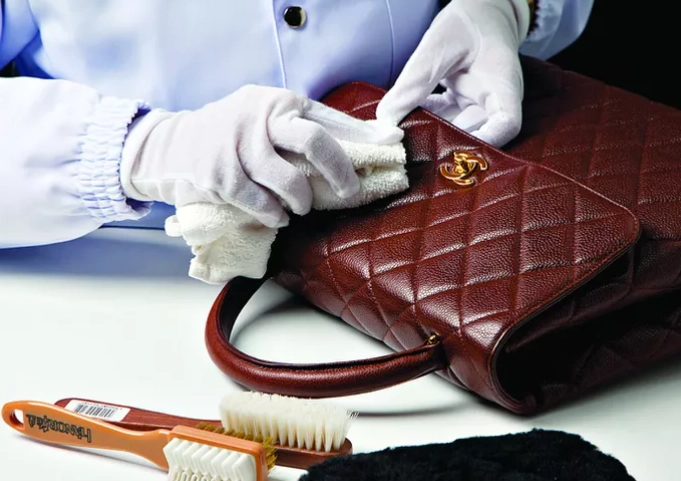
Why Bother with a Homemade Leather Conditioner?
You might wonder if this is worth the effort. For me, it boils down to three things: control, cost, and simplicity.
When you make your own homemade leather conditioner, you know exactly what's going onto your bag. No hidden silicones that just sit on the surface creating a fake shine, no harsh solvents, and no synthetic fragrances that might irritate. You control the ingredients. If you want a unscented conditioner, you make it unscented. If you prefer the subtle smell of pure beeswax and oil, that's what you get.
Cost is a huge factor. A small jar of high-end conditioner can easily cost $30 or more. The core ingredients for DIY – like food-grade oils and beeswax – are incredibly cheap by comparison and can be used for countless batches. The initial investment in a few supplies saves you a fortune in the long run.
And simplicity? Most recipes require just mixing or gentle heating.
But the real magic is in the results. A proper DIY leather conditioner for bags works by replenishing the natural oils that leather loses over time due to exposure to sun, air, and use. It's preventive care. It's like moisturizing your skin to prevent cracks, not waiting for the cracks to appear before doing something.
Understanding Leather: What Are You Actually Feeding?
Before we start mixing, it helps to know what we're dealing with. Leather is skin. It's a porous, fibrous material that was once alive. During the tanning process, it's stabilized, but its core need remains: to stay nourished and flexible. The fibers need lubrication to move against each other without cracking.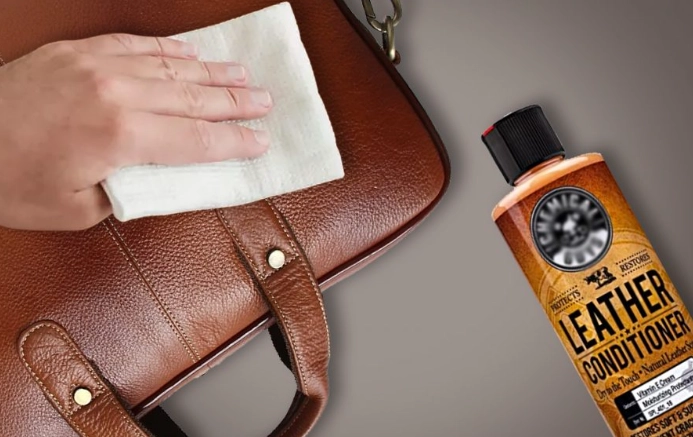
Think of a dried-out sponge. That's neglected leather. A conditioned sponge is soft and pliable. Your goal with any leather conditioner for bags DIY project is to get those nourishing oils into the fibers, not just glop them on top.
A Crucial Warning First: Not all leather is the same. This guide focuses on common, vegetable-tanned or chrome-tanned finished leathers used for most handbags, totes, and satchels. Always, always test your conditioner on a small, hidden area first (like inside a strap or on a bottom corner). Suede, nubuck, and aniline leathers are much more delicate and often require completely different, specialized care. If you're unsure about your bag's leather type, consulting a resource like The Leather Industries of America glossary can help clarify definitions.
The Core Ingredients: Building Your DIY Arsenal
Every solid DIY leather conditioner for bags recipe is built on two main components: a carrier oil/fat and a wax. Sometimes, an optional third component like an essential oil is added for scent or purported benefits.
Carrier Oils & Fats (The Nourishment)
These are the workhorses that penetrate and moisturize. You've probably got at least one of these in your pantry.
| Ingredient | Best For | Pros | Cons / Notes |
|---|---|---|---|
| Food-Grade Mineral Oil | A neutral, safe baseline for beginners. Great for light conditioning. | Odorless, colorless, doesn't go rancid, very stable. Inert and unlikely to cause reactions. | Can feel a bit "plain." Some purists prefer plant-based options. |
| Fractionated Coconut Oil | A popular modern choice. Excellent penetration. | Liquid at room temp, odorless, long shelf life, absorbs well without heavy greasiness. | Slightly more expensive than basic oils. Avoid regular coconut oil (solidifies). |
| Sweet Almond Oil | General conditioning for most bag leathers. | Light, absorbs reasonably well, contains vitamin E. A classic in leather care. | Can go rancid over a long period (make smaller batches). Nut allergy caution. |
| Olive Oil | A traditional, easily accessible option. | You definitely have it. Rich in nutrients. | Can darken leather over time and has a higher chance of going rancid. Use extra virgin sparingly. I'd avoid it for light-colored bags. |
| Neatsfoot Oil (Pure) | Reviving very dry, stiff, or vintage leather. | Traditional, penetrates deeply, excellent for restoring flexibility. The "heavy lifter." | Can darken leather significantly. Use sparingly and only on appropriate, dark, dry leathers. Avoid "compound" neatsfoot. |
| Lanolin (Anhydrous) | Adding rich, waxy emollience and water resistance. | Very close to leather's natural oils. Creates a protective, rich feel. | Very thick and sticky on its own. Must be melted and blended with other oils. Can feel heavy if overused. |
My personal go-to? Fractionated coconut oil mixed with a bit of lanolin. It gives deep nourishment without the darkening risk of olive or neatsfoot oil.
Waxes (The Protector)
Waxes sit more on the surface, sealing in the oils and providing a protective barrier against minor moisture and scuffs.
- Beeswax (Pastilles or Yellow Blocks): The gold standard. It gives a beautiful, natural matte-to-satin finish and water resistance. It has a lovely honey scent. Use it for a more protective, harder finish.
- Carnauba Wax: Comes from a palm tree. Harder than beeswax, gives a higher shine. Often used in shoe polish. Can be trickier to work with as it has a very high melting point. Best blended with beeswax.
Extras (Optional)
Essential oils like lavender, tea tree (which has mild antifungal properties), or cedarwood can be added for scent. Never use fragrance oils as they can contain alcohols and chemicals that damage leather. A few drops of vitamin E oil can act as a natural preservative for your blend, especially if using plant oils prone to rancidity.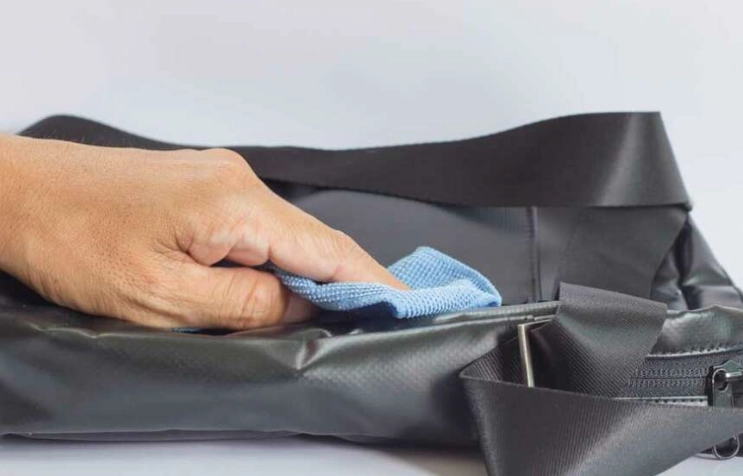
Tool Time: You don't need a lab. A clean glass jar (like a mason jar), a pot for a double boiler (or a makeshift one with a bowl over a pot of water), a dedicated stirring utensil (a popsicle stick or old spoon), a small funnel, and some clean, lint-free cloths (old t-shirts are perfect) are all you need. A digital kitchen scale helps for precision, but measuring spoons work in a pinch.
6 Tested DIY Leather Conditioner Recipes for Your Bags
Here's where we get our hands dirty. These recipes range from dead simple to more complex. Start with the basic one to get your confidence up.
Recipe 1: The Simple & Safe Beginner's Blend
This is your no-fail, no-darkening starter recipe. Perfect for maintaining bags in good condition.
- 3 parts Fractionated Coconut Oil
- 1 part Beeswax Pastilles
Method: Combine in a glass jar. Place the jar in a pot with a couple inches of simmering water (double boiler method). Stir gently until the wax is fully melted. Remove from heat, let cool slightly, then pour into your final container. It will solidify as it cools. This makes a soft, salve-like conditioner.
Recipe 2: The Nourishing Daily Use Cream
A bit richer, great for monthly maintenance of bags you use frequently.
- 2 parts Sweet Almond Oil
- 2 parts Fractionated Coconut Oil
- 1 part Beeswax
- 5-10 drops Vitamin E Oil (optional, as a preservative)
Method: Same double boiler method as above. The blend of oils provides balanced nourishment.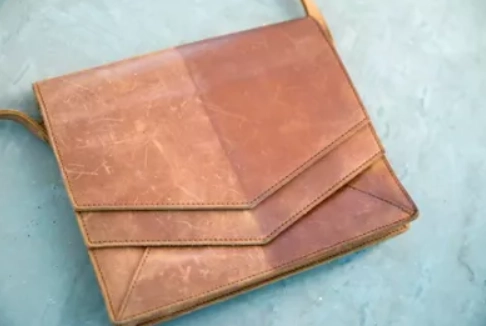
Recipe 3: The Heavy-Duty Restorer
For that one bag in the back of your closet that feels stiff as a board. Use sparingly!
- 1 part Pure Neatsfoot Oil
- 2 parts Sweet Almond or Fractionated Coconut Oil
- 1 part Beeswax
Method: Melt beeswax first, then stir in the oils. Warning: This will darken leather. Test first! Apply very thin coats, allowing days to absorb between applications.
Recipe 4: The Ultra-Gloss Protective Finish
Want a bit more shine and water repellency? This one's for you.
- 1 part Carnauba Wax
- 1 part Beeswax
- 4 parts Fractionated Coconut Oil
Method: Carnauba wax has a high melt point. Be patient in the double boiler, stirring until both waxes are fully dissolved into the oil. This creates a firmer paste that buffs to a nice shine.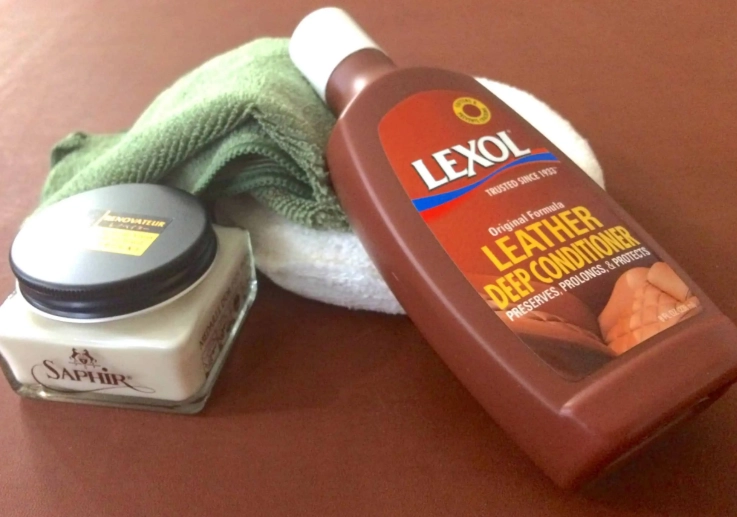
Recipe 5: The Lanolin-Rich Luxury Balm
This creates an incredibly rich, protective conditioner with great water resistance. Feels luxurious.
- 1 part Anhydrous Lanolin
- 1 part Beeswax
- 3 parts Fractionated Coconut Oil
Method: Melt the beeswax and lanolin together first—they can be stubborn. Once liquid, stir in the oil. This makes a thicker balm. A little goes a very long way.
Recipe 6: The Simple Oil-Only (No-Wax) Conditioner
Sometimes you just want pure nourishment without any surface film. This is for deep, penetrating conditioning with no buffing required.
- 100% Pure Fractionated Coconut Oil or Food-Grade Mineral Oil
Method: Literally, just use the oil. Apply a few drops to a cloth, rub into the leather, let it soak in overnight, then buff off any excess in the morning. It's the simplest form of leather bag care at home.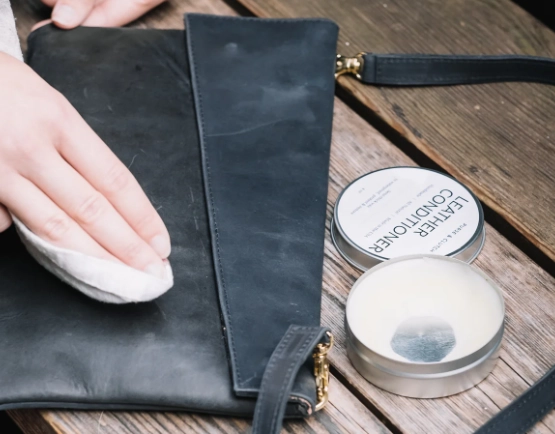
Step-by-Step: How to Make and Apply Your Conditioner
Making It
- Clean Your Bag First: This is non-negotiable. Conditioning over dirt traps the dirt in. Use a slightly damp cloth to wipe down the entire bag. For more thorough cleaning, a dedicated leather cleaner or a tiny drop of mild saddle soap in water works. Let the bag dry completely.
- Measure & Melt: Weigh or measure your chosen ingredients into your glass jar. Use the double boiler method—simmering water, not boiling—to melt any waxes gently. Never microwave, as you can't control the heat and might scorch the ingredients.
- Mix & Cool: Stir gently until everything is a clear, uniform liquid. Carefully pour into your final storage container(s). Let it cool and solidify with the lid off.
Applying It (The Right Way)
This is where people mess up. More is not better.
- Use a Tiny Amount: Scoop a pea-sized amount of your balm onto a clean, lint-free cloth. If using a liquid oil, just a few drops.
- Rub Into the Cloth First: Warm and spread the conditioner on the cloth itself. You don't want to glob it directly onto the leather.
- Apply in Circular Motions: Gently work the conditioner into the leather using circular motions. Cover the entire surface evenly. Pay extra attention to dry areas like handles, straps, and corners.
- Let It Feast: This is the most important step. Walk away. Let the bag sit for at least a few hours, preferably overnight. The leather needs time to absorb the oils.
- The Buff: The next day, take a fresh, dry part of your cloth (or a new one) and buff the entire bag. This removes any excess oil or wax that didn't absorb, revealing the true finish and preventing a sticky feel. This is what gives it that beautiful, natural luster.
See? It's more about patience than effort.
Your DIY Leather Conditioner FAQ (Answering the Real Questions)
When DIY Isn't Enough: Signs You Need a Professional
As much as I love DIY, know its limits. If your bag has any of the following, take it to a professional restorer:
- Deep structural damage: Torn seams, ripped handles, broken hardware.
- Severe color loss or dye transfer: Major recoloring is a skilled job.
- Mold or mildew infestation: This needs specialized treatment to kill spores without damaging the leather.
- Extreme dryness with cracking: If the leather is already cracked (not just surface scratches), conditioning can help the surrounding area but won't magically fuse the cracks. A pro can fill and color them.
The beauty of regular DIY leather conditioner for bags maintenance is that it helps you avoid these drastic, expensive problems.
Wrapping It Up: Your Leather Care Routine
So, what does a sustainable, leather bag care at home routine look like?
- Regular Dusting: Wipe with a dry cloth weekly if used often.
- Spot Clean as Needed: Address spills immediately with a barely damp cloth.
- Deep Clean (1-2 times a year): Use a proper leather cleaner or mild soap.
- Condition (As Needed, 2-4 times a year): Use your homemade blend. This is the cornerstone.
- Proper Storage: Store bags stuffed with tissue paper in a dust bag, away from direct heat and sunlight.
Making your own leather conditioner for bags DIY style is empowering. It connects you to the care of your belongings, saves you money, and ensures you're using simple, understandable ingredients. It turns maintenance from a chore into a small, satisfying act of preservation. Start with the simple recipe, test it on an old belt or wallet, and see how you like it. You might just find that this little jar from your kitchen becomes the secret to keeping your favorite bags looking their best for a very, very long time.
Got a specific bag problem or tried a recipe? The journey is all about experimenting and finding what works for your unique collection.