Quick Guide
- Why Your Leather Bag Even Needs Conditioning
- The Main Contenders: What You Can Actually Use
- Matching the Product to Your Leather Type: This is Crucial
- The Step-by-Step: How to Actually Condition Your Bag
- Answering Your Burning Questions (FAQs)
- Seasonal and Storage Tips
- Wrapping It Up: Your Action Plan
You pull your favorite leather bag out of the closet, and your heart sinks a little. The leather looks dull, maybe a bit dry, and there's a slight stiffness that wasn't there before. That's when the question hits you: what can I use to condition a leather bag to bring it back to life? If you've ever stood in the aisle of a store staring at a dozen different bottles and creams, feeling completely lost, you're not alone. I've been there too. The truth is, the answer depends almost entirely on what your bag is made of. Using the wrong thing can do more harm than good, and trust me, I learned that the hard way with a beautiful tote that ended up with dark, splotchy patches.
This isn't about pushing a single miracle product. It's about understanding leather—a natural, porous material—and giving it what it needs. Conditioning isn't just about making it look shiny for a day; it's about replenishing the natural oils that wear away with use, time, and exposure, preventing cracks and keeping the leather supple for decades. So, let's ditch the confusion and break down exactly what you can use, why it works, and how to choose the right option for your specific bag.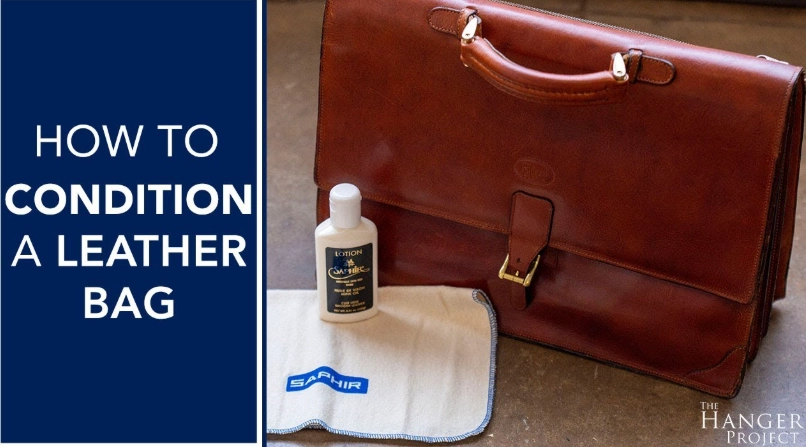
Why Your Leather Bag Even Needs Conditioning
Think of leather like your own skin. When it's healthy and hydrated, it's soft, flexible, and resilient. But when it dries out, it becomes tight, can crack, and loses its luster. Every time you handle your bag, expose it to sunlight, or even just let it sit in the dry air of a heated room, it loses a tiny bit of its natural moisture and oils. Dirt acts like sandpaper, accelerating wear. Conditioning reverses this process. It's preventative maintenance. A well-conditioned bag develops a richer patina over time, resists water stains better, and is far less likely to suffer catastrophic cracks along stress points (like where the strap meets the body). Ignoring it is a gamble with a piece you probably spent good money on.
The Main Contenders: What You Can Actually Use
Okay, let's get to the core of it. When you ask "what can I use to condition a leather bag," here are the categories of products and solutions available. Each has its own personality, best uses, and pitfalls.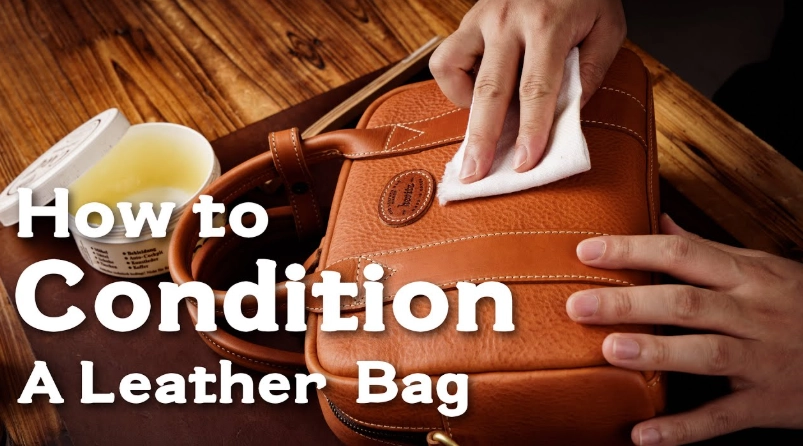
Creams, Pastes, and Balms: The Heavy Lifters
These are the workhorses of leather care for most common bag leathers. They're typically emulsified blends of oils, waxes, and sometimes lanolin. They work by sinking into the leather to moisturize from within while leaving a protective layer on top.
- Best For: Full-grain, top-grain, and vegetable-tanned leathers. They're fantastic for dry, thirsty leather that needs serious hydration.
- Pros: Deeply nourishing, often contain UV blockers, provide a layer of protection against minor spills and scuffs.
- Cons: Can darken leather slightly (which is often desirable for a patina), application requires a bit more elbow grease with a cloth.
- Brands to Look For: Saphir Médaille d'Or is the gold standard for many enthusiasts, but Chamberlain's Leather Milk and Obenauf's Leather Oil are also highly respected. I find Saphir's Renovateur to be almost magical on dry calfskin.
Liquid Oils: Penetrating and Natural
These are pure or blended oils. They penetrate deeply and quickly, making them great for restoring extremely dry or antique leather.
- Best For: Thick, rugged leathers (like workbag or travel bag leather), vegetable-tanned leather, and restoring vintage pieces.
- Common Types: Neatsfoot oil (a classic), mink oil, coconut oil, and specialized blends like Bickmore's Bick 4 (which is a non-darkening option).
- Big Warning: They can significantly darken leather and may remain slightly tacky if over-applied. Mink oil, in particular, can go rancid over very long periods if the bag is stored. I'm cautious with pure oils now because of that darkening effect.
So, what can you use to condition a leather bag if you want minimal color change?
That's where non-darkening conditioners like Bick 4 come in. They're a godsend for light-colored bags or when you want to preserve the exact original hue.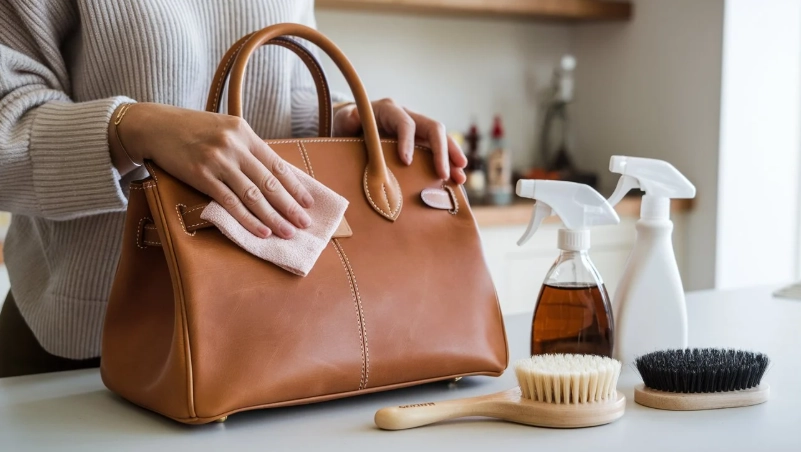
Sprays and Light Lotions: For Maintenance and Convenience
These are lighter, often milkier formulations. They're easy to apply—spray on, wipe off—and are absorbed quickly without much buffing.
- Best For: Regular maintenance of already-healthy leather, finished leathers (like most designer bag leathers), and for people who want a no-fuss routine.
- Pros: Easy, fast, less risk of over-application. Great for a quick refresh.
- Cons: They don't provide the same level of deep conditioning as a cream or oil. Not suitable for severely dry leather.
The DIY Kitchen Cabinet Debate: Natural Alternatives
This is a hot topic. Can you use something from your home? Sometimes, but with major caveats.
| Product | Potential Use | The Big Risk & Reality Check |
|---|---|---|
| Coconut Oil | Light conditioning, adds slight moisture. | Can go rancid, attracts dust, and will definitely darken leather. It's a temporary fix at best and a long-term problem at worst. I don't recommend it for nice bags. |
| Vaseline (Petroleum Jelly) | Sometimes suggested for dry spots. | It doesn't condition; it just sits on top, clogging pores. It can attract dirt and create a gummy mess. Please avoid this. |
| Apple Cider Vinegar Mixes | Sometimes touted as a cleaner/conditioner. | The acidity can damage leather's pH balance and dry it out further. This is a risky internet hack. |
| Lanolin (Pure) | An excellent natural moisturizer found in many high-end conditioners. | Pure lanolin is very thick and sticky. It's better to buy a conditioner that has it as an ingredient, where it's properly emulsified. |
The bottom line? For a cheap bag, a tiny bit of coconut oil in a pinch might not ruin it. For an investment piece or a beloved bag, spend the $15-$25 on a proper, pH-balanced leather conditioner. It's cheaper than a repair.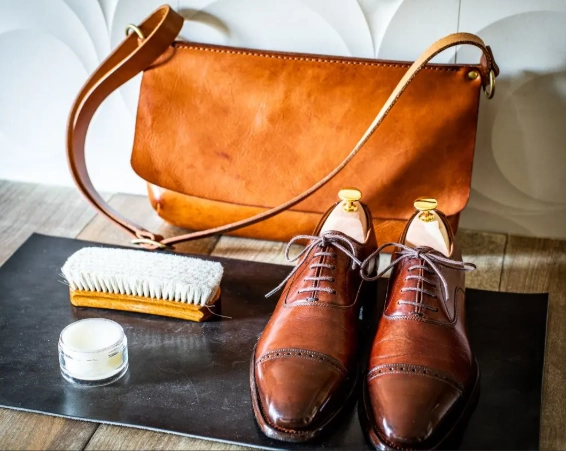
Matching the Product to Your Leather Type: This is Crucial
Here’s where most generic advice fails. Telling you to "use a leather conditioner" is like telling a doctor to "use medicine." Which one? The real answer to "what can I use to condition a leather bag" starts with identifying the leather.
Full-Grain & Top-Grain Leather (Most Common for Quality Bags)
This is the good stuff. It has a natural surface that absorbs conditioners well. A quality cream or balm is perfect. Look for products with nourishing oils (like jojoba, neatsfoot) and maybe a bit of wax for protection. Apply sparingly, let it soak in, and buff to a soft sheen.
Suede and Nubuck (The Delicate Ones)
Stop right here. Do NOT use a standard leather conditioner. It will ruin the nap, leaving dark, greasy spots. You must use a conditioner specifically made for suede/nubuck, which is usually a spray that doesn't alter the color or texture. Brands like Tarrago make excellent ones. The goal is water and stain protection, not deep oiling.
Oiled or Waxed Leather (e.g., Pull-up Leather)
Bags with a rustic, often pull-up effect (where it lightens when bent) are already heavily oiled/waxed. They need less frequent conditioning. When they do, use a product designed for this type, like Obenauf's Leather Oil or a dedicated wax replenisher. Standard creams might not penetrate the existing wax barrier.
Aniline and Semi-Aniline Leather (Super Soft, Porous)
This is delicate, minimally finished leather that feels incredibly soft. It's very absorbent. Use a very light, non-darkening conditioner like Bick 4 or a dedicated aniline leather care product. Test meticulously, as it stains easily.
Patent or Coated Leather
This has a plastic-like coating. You don't condition the leather underneath; you just clean and polish the coating with a damp cloth and maybe a tiny bit of specific patent cleaner. Never use oil or cream—it can cloud the finish.
| Leather Type | What to Use | What to AVOID |
|---|---|---|
| Smooth Full-Grain | Leather cream/balm (e.g., Saphir) | Heavy pure oils (unless desired dark patina) |
| Suede/Nubuck | Suede-specific conditioner spray | Any oil, cream, or liquid conditioner |
| Oiled/Waxed | Replenishing oil or wax (e.g., Obenauf's) | Heavy waxes on already-waxy leather |
| Aniline | Light, non-darkening lotion (e.g., Bick 4) | Darkening oils, heavy creams |
| Patent/Coated | Damp cloth, specific patent shine product | ALL standard leather conditioners |
The Step-by-Step: How to Actually Condition Your Bag
Knowing what to use is half the battle. Applying it correctly is the other half. Here's the process I follow every time.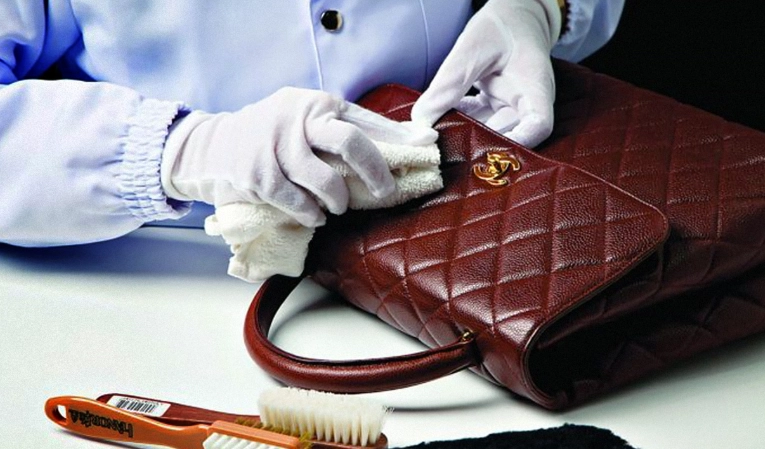
- Clean First, Always. Conditioning over dirt traps the dirt against the leather, acting like sandpaper. Use a dedicated leather cleaner or a slightly damp microfiber cloth to gently wipe down the entire bag. Let it dry completely.
- Prepare Your Workspace. A clean, flat surface with good light. Have your conditioner, a few soft, lint-free cloths (microfiber or old cotton t-shirts are perfect), and a soft brush (for suede) ready.
- Apply Sparingly. Put a small amount of conditioner on a cloth—never directly on the bag. You can always add more; you can't take it away. Work it into the leather using small circular motions. Pay extra attention to dry areas like handles, straps, and corners.
- Let it Breathe. Walk away. Let the bag sit for at least 30 minutes, or even overnight for a deeply thirsty piece. The leather will absorb what it needs.
- Buff to Shine. Take a clean, dry cloth and buff the entire bag. This removes any excess product, evens out the application, and brings up a natural, healthy shine. This step is key to avoiding a greasy feel.
Answering Your Burning Questions (FAQs)
Let's tackle the specific things people wonder when they're figuring out what they can use to condition a leather bag.
How often should I condition my leather bag?
There's no single schedule. It depends on use and climate. A bag used daily in a dry climate might need it every 3-4 months. A bag used occasionally in a humid climate might only need it once a year. Let the leather tell you: if it looks dry, feels stiff, or has lost its luster, it's time.
Can I use furniture polish or shoe polish?
No. Furniture polish often contains silicone, which creates a shiny but plastic-like barrier that can eventually damage leather. Shoe polish contains dyes and heavy waxes meant for shoes that flex differently. It can stain your bag and is overkill. Use products formulated for fine leather goods.
What can I use to condition a leather bag if I don't know the leather type?
When in doubt, go with the gentlest option: a light, non-darkening, pH-balanced lotion like Bick 4 or a similar product from a reputable brand. Test it in a hidden spot. It's less likely to harm common finished leathers than a heavy oil would be.
Will conditioning remove scratches?
It won't remove deep scratches or cuts, but it can minimize the appearance of light surface scuffs by moisturizing and darkening the leather slightly, helping them blend into the patina. For scratches, you might need a colored leather cream.
Can over-conditioning damage my bag?
Absolutely. Yes. Leather can become oversaturated, leading to a permanently soft, almost mushy feel, darkened color, and it can attract more dirt. Less is more. You're feeding it, not drowning it.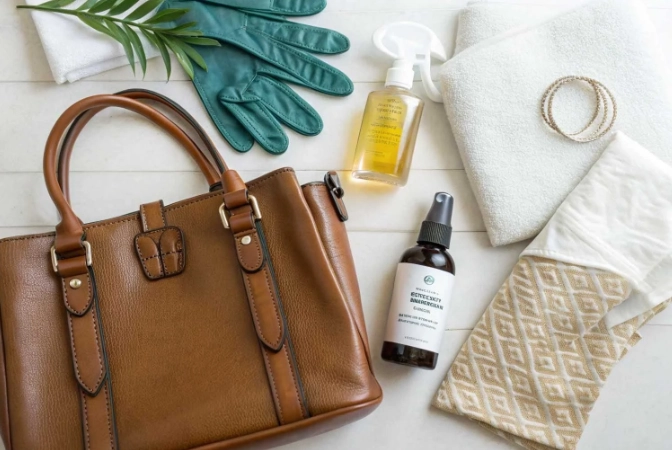
Seasonal and Storage Tips
Your bag's needs change. Before storing a bag for a season (like a light summer bag in winter), give it a good clean and conditioning. This protects it while it's idle. Store it in a breathable cotton dust bag—never plastic, which traps moisture and can cause mildew. Stuff it with acid-free tissue paper to help it keep its shape.
In winter, watch out for salt stains from snowy roads. Wipe them off immediately with a damp cloth and let dry. You might need to condition the area afterward, as salt is very drying.
Wrapping It Up: Your Action Plan
So, the next time you wonder, "what can I use to condition a leather bag," don't panic. Take a breath and follow this logic:
- Identify. What kind of leather is it? Smooth and finished? Soft and porous? Fuzzy like suede?
- Select. Match a product type to that leather. Cream for smooth, spray for suede, light lotion for delicate aniline.
- Test. Always. On a hidden spot. No exceptions.
- Clean & Apply. Gently clean, then apply a tiny amount with a cloth.
- Buff & Admire. Buff off the excess and enjoy your revived, protected bag.
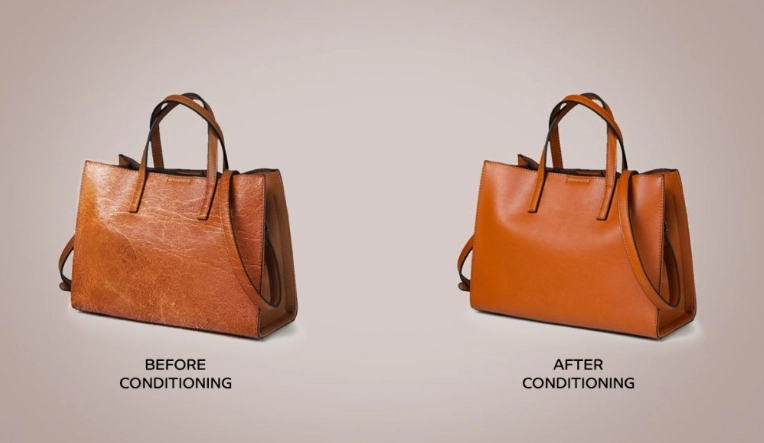
The goal isn't perfection. It's preservation and character. A well-cared-for leather bag tells the story of its use—a story of soft handles, a rich patina, and memories—without the tragic chapters of cracks and neglect. Investing a little time and the right product is the simplest way to ensure your bag stays beautiful for years, maybe even long enough to pass it on. And honestly, there's something deeply satisfying about bringing a piece back to life with your own hands. Give it a try.