Quick Navigation
- What Is Vaseline, Really? Breaking Down the Blue Tin
- How Leather "Drinks" and Why Vaseline Clogs Its Pores
- The Domino Effect of Damage
- Vaseline vs. Real Leather Conditioner: A Side-by-Side Showdown
- But Wait, I Heard It Works! The Myth of the "Quick Fix"
- Okay, I Get It. So What *Should* I Use? Your Leather Care Toolkit
- Real-World Scenarios & Your Burning Questions
- Straight from the Experts: What Do the Pros Say?
- Your Go-To Checklist for Healthy Leather
You've probably been there. That old leather jacket looks a bit dry, or the sofa has lost its luster. You rummage through the cupboard and spot that familiar blue tin of Vaseline. It's a moisturizer for skin, so surely it must work on leather too, right? The internet is full of conflicting advice on this. Some DIY forums swear by it, while others call it a leather killer. So, what's the real deal? Is Vaseline a leather conditioner you can trust?
I used to think it was a clever hack. I mean, it makes a certain kind of logical sense. But after talking to restorers and seeing the results firsthand, my opinion changed completely. Let's dig into the science, the myths, and what your leather actually needs.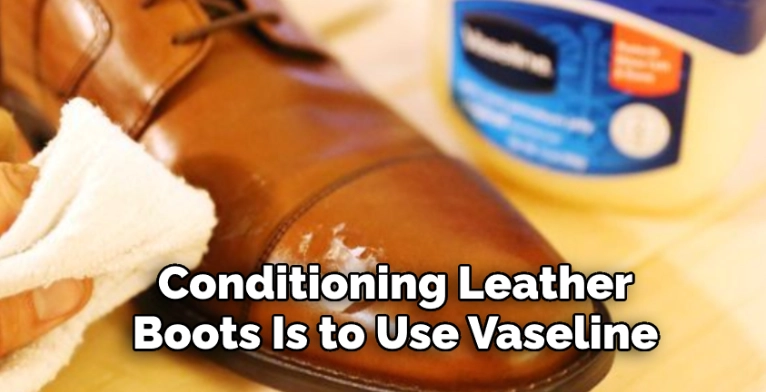
What Is Vaseline, Really? Breaking Down the Blue Tin
To understand why it's a bad match for leather, we need to know what we're dealing with. Vaseline is essentially 100% petroleum jelly. That's it. It's a byproduct of the oil refining process, a semi-solid mixture of hydrocarbons. Its magic on human skin is that it's an occlusive agent.
Think of it as a plastic wrap. It doesn't add moisture; it just sits on top of the skin and seals existing moisture in, preventing it from evaporating. That's great for a cut or chapped lips, where creating a barrier is the goal.
But leather isn't skin in the way we think. It's a processed, tanned material. Its needs are fundamentally different.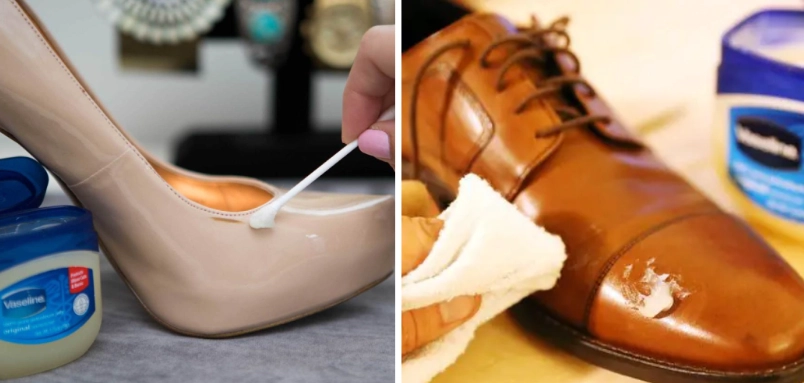
The Simple (and Problematic) Vaseline Formula:
- Petroleum Jelly (Petrolatum): The one and only active ingredient. A non-polar hydrocarbon that doesn't mix with water or penetrate deeply.
- Function: Creates a thick, water-repellent barrier on the surface.
- Absorption: Minimal to none. It sits on top.
How Leather "Drinks" and Why Vaseline Clogs Its Pores
Genuine leather is a porous, fibrous material. Think of it like a dense sponge. When it's healthy, these tiny pores are open, allowing the leather to breathe and absorb conditioning oils and waxes that keep the fibers supple. This is what gives leather its softness and prevents it from cracking.
Here’s the core of the issue: Is Vaseline a leather conditioner that can nourish those fibers?
It can't. Petroleum jelly is too thick and chemically inert to be absorbed. Instead of sinking in and conditioning, it forms a greasy, occlusive film on the surface. This film clogs the leather's natural pores.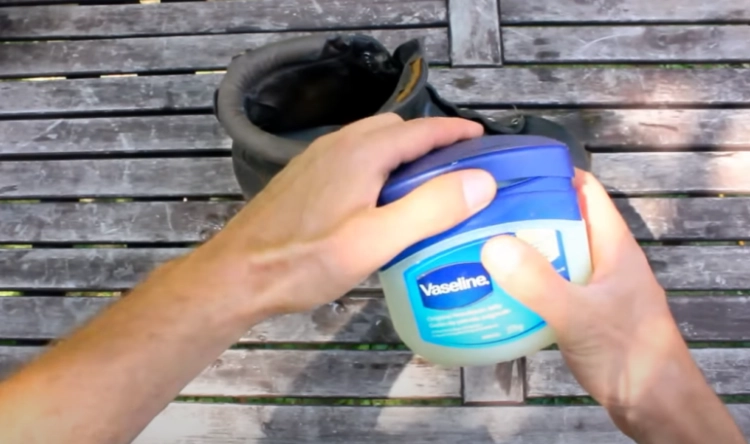
The Domino Effect of Damage:
Once those pores are clogged, a chain reaction starts:
1. Trapped Dirt & Grime: That sticky surface becomes a magnet for dust, lint, and everyday dirt. It gets ground into the Vaseline layer, creating a permanent, grimy patina.
2. Moisture Imbalance: Leather needs to exchange moisture with the air to stay flexible. The Vaseline seal prevents this, which can actually dry out the leather from the inside over time, as internal moisture can't be replenished.
3. Prevention of Proper Conditioning: Later, when you try to apply a real conditioner, it can't penetrate the Vaseline barrier. The leather remains starved of nutrients underneath its greasy coat.
4. Long-Term Stiffness & Cracking: The fibers, deprived of proper nourishment and unable to breathe, become brittle. This leads to cracking, especially along stress points like creases and seams.
I learned this the hard way with an old leather bag strap. I used a tiny bit of Vaseline on a dry spot. It looked better for a week. Then that spot became darker, attracted so much fuzz, and eventually felt stiffer than the surrounding leather. It was a small, permanent lesson.
Vaseline vs. Real Leather Conditioner: A Side-by-Side Showdown
Let's make this crystal clear. The question "Is Vaseline a leather conditioner?" is best answered by seeing how it stacks up against the real thing.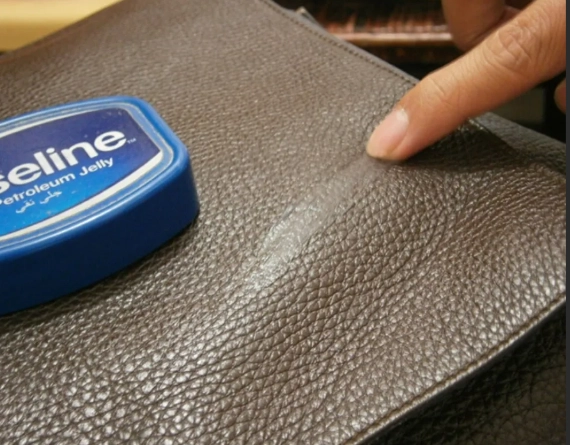
| Feature | Vaseline (Petroleum Jelly) | Dedicated Leather Conditioner |
|---|---|---|
| Primary Purpose | Skin protectant, occlusive barrier | To nourish, moisturize, and protect leather fibers |
| Absorption | None. Sits on surface as a film. | Penetrates leather pores to condition from within. |
| Effect on Leather Pores | Clogs and seals them. | Allows them to remain open and breathable. |
| Key Ingredients | Petrolatum (hydrocarbons) | Natural oils (mink oil, neatsfoot oil, lanolin), waxes (beeswax), sometimes polymers. |
| Long-Term Effect on Flexibility | Can lead to dryness and stiffness over time. | Maintains or restores suppleness. |
| Attraction of Dirt | High. Greasy surface traps particles. | Low. Properly absorbed conditioners are not tacky. |
| Effect on Color | Can cause darkening, uneven patches, and a greasy shine. | May darken slightly (often evenly) as part of nourishing, with a matte or satin finish. |
| Reversibility | Very difficult to remove completely once absorbed into surface. | Part of routine, maintainable care. |
See the difference? One is a surface-level bandage, the other is a nutritional supplement. Using Vaseline on leather is a classic case of using the wrong tool for the job.
But Wait, I Heard It Works! The Myth of the "Quick Fix"
So why does this myth persist? Why do some people still ask, "Is Vaseline a good leather conditioner?"
Because in the very, very short term, it can *appear* to work. On leather that's bone dry, applying Vaseline will give it an immediate shine and make it look less parched. The grease fills in micro-cracks superficially, creating a smoother look. This visual improvement is what gets people excited and leads them to recommend it online.
It's a placebo effect for your couch. The problem is the long-term bill that comes due months or years later. The leather hasn't been conditioned; it's been coated. It's like putting a cheap vinyl wrap on a wood table instead of sanding and oiling it. It covers the problem but accelerates the decay underneath.
Okay, I Get It. So What *Should* I Use? Your Leather Care Toolkit
Now that we've (hopefully) settled the "is Vaseline a leather conditioner" debate with a firm no, let's talk solutions. What actually belongs in your leather care kit?
The Essentials: What Your Leather Craves
Leather conditioners are formulated with ingredients that mimic the natural oils lost during the tanning process. They're designed to be absorbed.
Look for conditioners containing:
- Mink Oil: A classic. Penetrates deeply, excellent for waterproofing and softening. Can darken leather noticeably.
- Neatsfoot Oil: Derived from cattle bones/shins. Great for restoring very dry leather but use sparingly—it can over-soften if over-applied.
- Lanolin: A wax from sheep's wool. Similar to skin's natural oils, great for moisture.
- Beeswax: Often blended with oils. Provides a protective, water-resistant top layer without clogging.
- Modern Polymers & Silicones (in moderation): In some commercial conditioners, these provide flexible, breathable protection. The key is they're engineered for leather.
Pro Tip: Test First!
Always, always test any conditioner on a small, hidden area (like the back of a cushion or inside a seam). Wait 24 hours to check for color change or texture issues. This simple step saves heartache.
Step-by-Step: How to Actually Condition Leather
1. Clean First: Use a dedicated leather cleaner or a damp microfiber cloth to remove surface dirt. Conditioning over dirt just seals it in.
2. Apply Sparingly: Put a small amount of conditioner on a clean, soft cloth (microfiber or lint-free cotton).
3. Rub In, Don't Lay On: Massage it into the leather using circular motions. You should see the leather absorb it, not leave a thick residue on top.
4. Let it Breathe: Allow the leather to dry completely, away from direct heat, for several hours or overnight.
5. Buff: Use a clean, dry cloth to gently buff off any slight excess for a natural finish.
Real-World Scenarios & Your Burning Questions
Let's tackle some specific situations where people might be tempted to grab the Vaseline.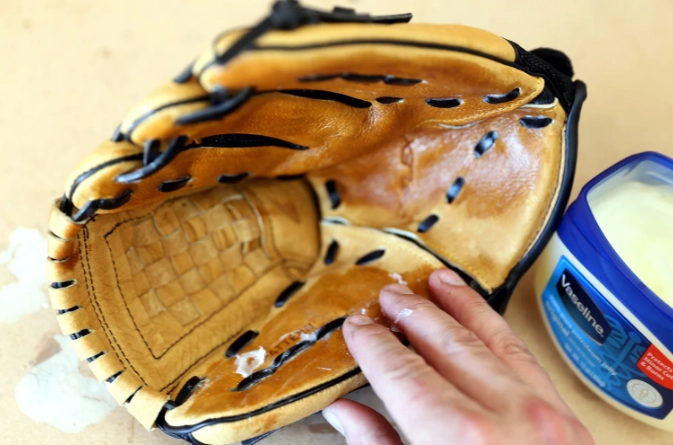
Please don't. It will initially make them look shiny but will attract salt stains in winter, trap dirt from pavement, and eventually make the leather stiff. For boots, use a conditioner made for footwear, often containing waxes for water resistance. Brands like Saphir or Bickmore have excellent products tailored for different types of shoe leather.
This is where it gets especially bad. The Vaseline film will transfer to your clothes, collect skin cells and crumbs, and create a permanently sticky, dirty surface. For car interiors, use a conditioner designed for automotive leather, which often has UV protectants to prevent fading from sun exposure.
It's tough, but not always hopeless. The goal is to remove as much of the petroleum jelly as possible.
- Blot First: Use a clean paper towel to gently blot up any excess. Don't rub, as this pushes it deeper.
- Degrease Gently: Dampen a microfiber cloth with a solution of mild dish soap (like Dawn) and warm water. Wring it out completely so it's just damp. Wipe the affected area gently to cut through the grease. Immediately follow with a cloth dampened with clean water to rinse.
- Dry Thoroughly: Let the leather air dry completely for at least 24 hours. This is crucial.
- Consult a Pro: For valuable items (a designer bag, an antique chair), consider taking it to a professional leather cleaner. They have stronger degreasers and the expertise to use them safely.
After this cleanup, you can then apply a proper conditioner to the now-stripped and likely thirsty leather.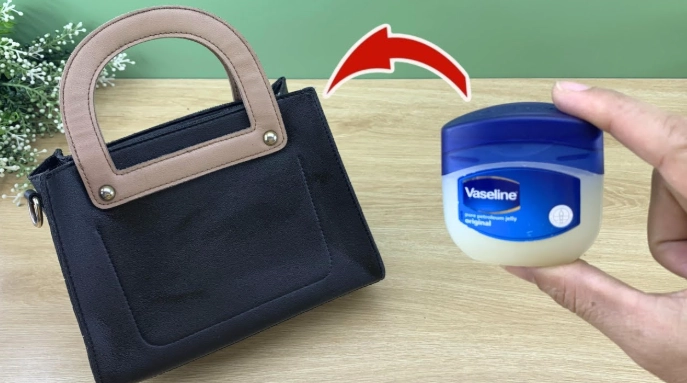
Straight from the Experts: What Do the Pros Say?
Don't just take my word for it. The consensus in professional leather care is unanimous.
Leather restoration artisans and tanners consistently warn against petroleum-based products. They emphasize that leather needs to be fed, not sealed. The National Association of Leather Care Specialists provides guidelines that stress the importance of using pH-balanced, absorbent products. Similarly, consumer advocacy groups like Consumer Reports often advise against home remedies like Vaseline or olive oil for leather care in their home maintenance guides, pointing readers toward tested, dedicated products.
The science of tanning and leather chemistry, which you can find detailed in resources from institutions like the Leather Industries of America, explains how the collagen structure of leather interacts with different substances, further illustrating why non-absorbent hydrocarbons are incompatible.
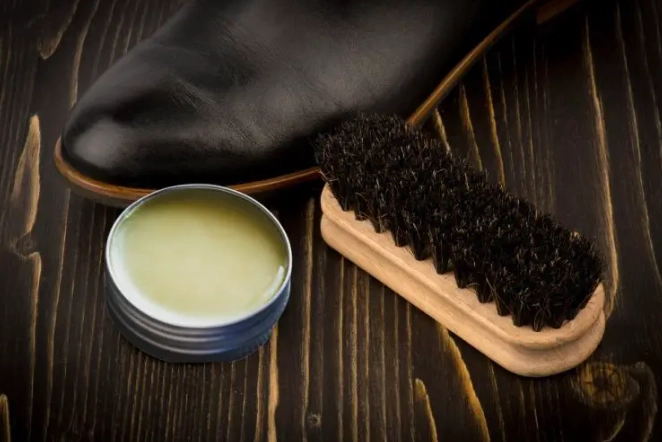
Your Go-To Checklist for Healthy Leather
Let's end on a positive note. Keeping leather beautiful is simple if you use the right stuff.
The Healthy Leather Care Checklist:
- Dust Regularly: Use a dry, soft cloth. This prevents abrasive grit from scratching the surface.
- Clean Before Conditioning: Never condition over dirt. Use a pH-balanced leather cleaner.
- Condition Seasonally: Every 3-6 months is a good rule for frequently used items. Dry climates may need more.
- Use the Right Product for the Type: Aniline leather (very porous, natural) needs different care than finished or coated leather. Check the manufacturer's tag if possible.
- Avoid Extreme Heat & Sun: Don't place leather furniture in direct sunlight or next to radiators. It dries it out.
- Address Spills Immediately: Blot, don't rub, liquid spills with an absorbent cloth.
So, circling back to the big question one last time: Is Vaseline a leather conditioner?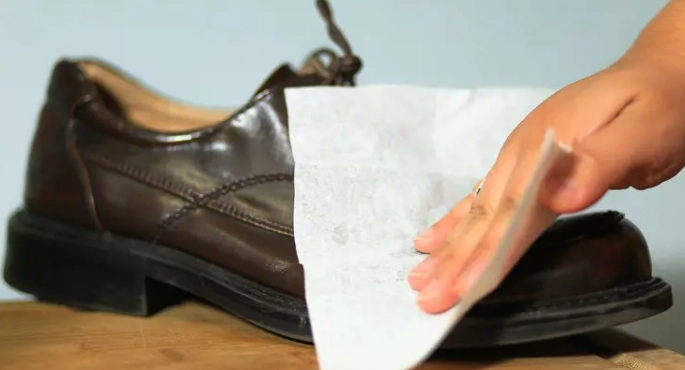
Absolutely not. It's a household product for a completely different purpose. Using it on leather is a gamble with the long-term health of your belongings. The temporary shine isn't worth the risk of permanent, sticky, grimy damage.
Your leather goods are an investment. Feed them the right nutrients with a proper conditioner, and they'll develop a beautiful, genuine patina that lasts for decades. That's a result no tin of Vaseline can ever deliver.