Inside This Guide
- Why Even Consider a Home Remedy for Leather?
- The Golden Rules: What to Do Before You Start
- The All-Stars: Safe and Effective Home Remedies
- The "Absolutely Not" List: Home Remedies to Avoid
- Tailoring the Remedy: What's Your Bag Like?
- Your Questions, Answered (The FAQ)
- When to Put Down the Home Remedy and Call a Pro
So your favorite leather bag is looking a bit tired. Maybe it's gathered some dust from the back of the closet, or a mysterious water spot appeared after a sudden rain shower. Your first instinct might be to search for a quick fix, asking yourself, "What home remedy can I use for a leather bag?" It's a great question, and the good news is your home is probably full of gentle solutions. But here's the thing I learned the hard way – not every kitchen staple is a friend to leather. I once enthusiastically rubbed olive oil into a vintage satchel, thinking I was giving it a luxurious treat. A few weeks later, it had developed dark, greasy patches that never fully went away. Lesson learned.
This guide is the result of that experience and years of talking to cobblers, reading far too much, and testing on less-precious items first. We're going to move beyond the generic advice and dive into the why and how of home care. We'll cover the champions of DIY leather care, the products you should never use, and how to match the remedy to your bag's specific needs. Because a sleek aniline leather tote needs a different touch than a rugged full-grain backpack.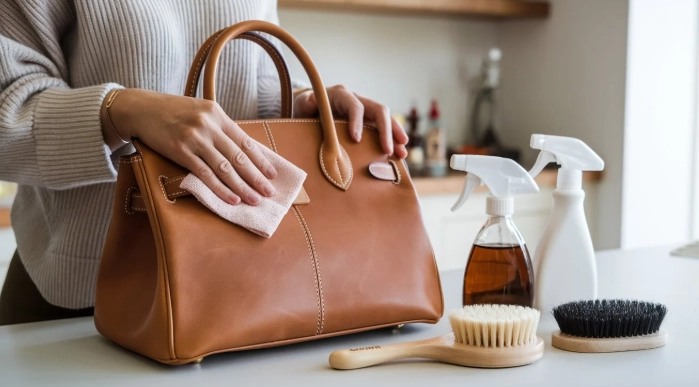
Why Even Consider a Home Remedy for Leather?
Before we raid the pantry, let's talk about why you'd go this route. Commercial leather cleaners are fantastic, but sometimes you need a solution now, or you prefer knowing exactly what's touching your bag. Home remedies are often milder, cheaper, and surprisingly effective for routine care. They're perfect for someone who wants to keep their bag in good shape between professional cleanings or for tackling a fresh stain before it sets.
Think of it like skincare. You use a gentle daily cleanser (your home remedy) and occasionally get a professional facial (the expert intervention). The goal is to extend the life and beauty of your bag without harsh chemicals. The core question, "what home remedy can I use for a leather bag," is really about finding that gentle, daily cleanser.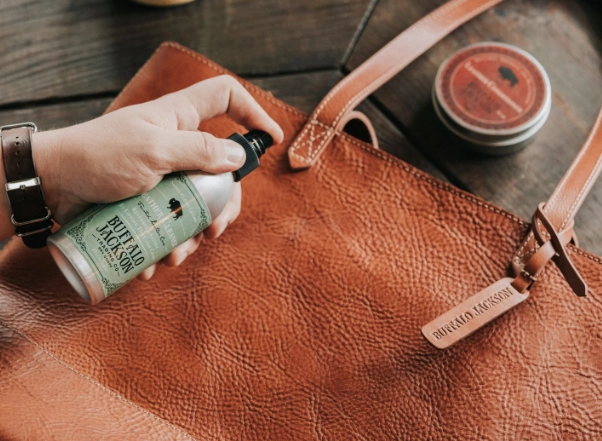
The Golden Rules: What to Do Before You Start
Jumping in without a plan is how mistakes happen. These aren't just suggestions; they're the non-negotiable first steps.
Second, know your leather. Is it smooth and shiny (finished or corrected-grain), or soft and matte with visible pores (aniline or nubuck)? Finished leather can handle a bit more, while delicate aniline leather is like a sponge and needs extreme gentleness. If you're unsure, err on the side of caution and use the mildest option.
Clean before you condition. Applying any oil or conditioner over dirt is like rubbing grit into the leather's pores. You'll just grind the dirt in deeper.
The All-Stars: Safe and Effective Home Remedies
Here are the proven performers. These are the answers you're actually looking for when you wonder what home remedy can I use for a leather bag.
1. The Classic: Mild Soap and Water
This is your number one go-to for general cleaning. Forget harsh detergents or dish soaps with degreasers and brighteners. You want a pure, simple soap.
- Castile soap (like Dr. Bronner's unscented) is ideal. It's plant-based and gentle.
- Alternatively, a saddle soap bar, which is technically a dedicated leather product but often found at home.
- Distilled or filtered water is best to avoid mineral deposits.
- Two soft, white microfiber cloths (color can bleed).
Mix a few drops of soap into a cup of water. You want suds, but not a soapy soup. Dampen one cloth in the solution, wring it out until it's just barely damp—almost dry. Wipe the leather in small, circular motions, focusing on soiled areas. Immediately follow with the second cloth dampened with clean water (and well-wrung) to rinse off any soap residue. Let it air dry away from direct heat. This method is perfect for removing surface grime, salt stains, and light dirt.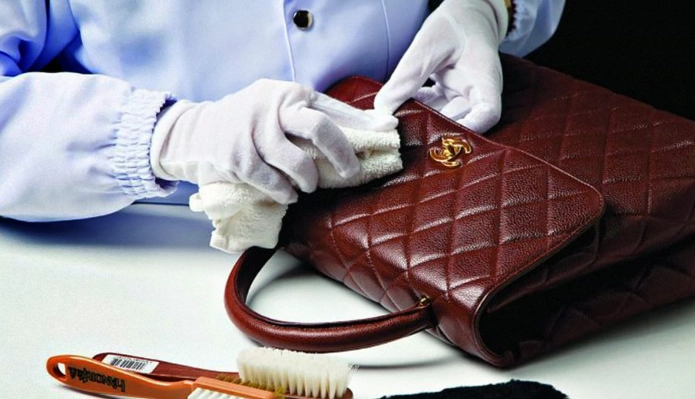
2. The Nourisher: Natural Oils and Butters
Leather loses its natural oils over time, leading to dryness and cracks. Conditioning replenishes them. Not all oils are created equal for this task.
Top Choices:
- Pure, Food-Grade Lanolin: This is the secret weapon. Lanolin is the oil from sheep's wool, and it's remarkably close to leather's natural oils. It's rich, penetrates well, and doesn't go rancid quickly. Warm a tiny pea-sized amount between your fingers until soft, then massage it gently into clean, dry leather. Buff off any excess after 30 minutes.
- Beeswax-Based Conditioner (DIY): A blend of beeswax and a safe oil (like coconut or sweet almond oil) creates a protective, conditioning balm. It's great for weatherproofing rustic or work bags.
Use With Caution:
- Coconut Oil: It's a popular suggestion, but it's controversial. It can be great in tiny amounts on very dry, thick leather, but it can also go rancid or darken light leather. If you use it, use a minuscule amount and be prepared for potential darkening.
- Olive Oil, Baby Oil, Vegetable Oil: Just don't. They go rancid, attract dust, and can clog leather pores permanently. My sad satchel story is a testament to this.
3. The Stain Fighters
Different stains need different tactics. The key is to act fast.
For Grease or Oil: Sprinkle cornstarch or talc-free baby powder on the stain. Let it sit for several hours or overnight—it will absorb the oil. Brush it off gently. You may need to repeat this.
For Water Stains/Rings: Often, these are mineral deposits. Try wiping the area with a 50/50 mix of white vinegar and water on a cloth, then immediately wipe with a water-dampened cloth to neutralize, and condition the area after it dries as the vinegar can be drying.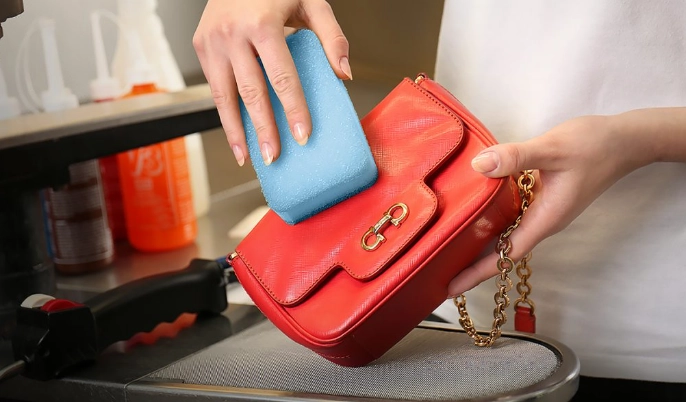
The Home Remedy Arsenal: A Quick-Reference Table
| Remedy | Best Used For | Leather Types | Key Precautions |
|---|---|---|---|
| Diluted Castile Soap | General cleaning, dirt, salt marks | All finished leathers (test first) | Wring cloth nearly dry. Never soak. |
| Pure Lanolin | Deep conditioning dry, stiff leather | Full-grain, vegetable-tanned, dry leathers | Use a tiny amount. Buff off excess thoroughly. |
| Beeswax Balm | Conditioning & adding water resistance | Work bags, boots, rustic leather | Can darken and create a matte finish. |
| Cornstarch | Absorbing fresh grease/oil stains | All types (on surface) | Leave on for many hours. Gentle brushing to remove. |
| White Vinegar (diluted) | Water stain rings, mild disinfecting | Sturdy finished leather only | Can be drying. Always follow with conditioner. |
The "Absolutely Not" List: Home Remedies to Avoid
This is just as important as knowing what to use. The internet is full of bad advice.
Petroleum Jelly (Vaseline): It never fully absorbs, stays greasy, attracts dirt like a magnet, and can degrade leather fibers over time. It's a short-term gloss for a long-term problem.
Milk or Mayonnaise: Old wives' tales. They might provide a temporary shine due to their fat content, but they will sour, smell, and damage the leather. Just the thought of putting mayo on my bag makes me cringe.
Excessive Water or Steam: Never submerge a leather bag. Avoid steamers to remove wrinkles. Heat and moisture can cause irreversible shrinking, warping, and stiffness.
Tailoring the Remedy: What's Your Bag Like?
The best home remedy for your leather bag depends entirely on the bag itself. Let's break it down.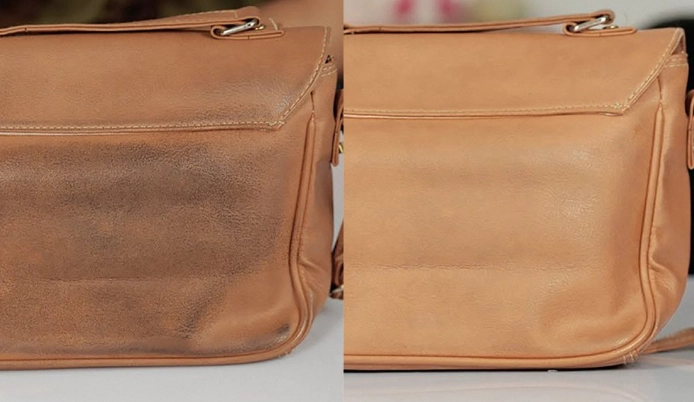
Smooth, Shiny (Finished) Leather Bags
Most common bags fall here. They have a protective topcoat. Your approach: gentle cleaning with soapy water, occasional conditioning with a light hand. Lanolin works well here. Avoid anything waxy if you want to keep the shine.
Soft, Matte, or Suede/Nubuck Bags
This is delicate territory. For suede and nubuck, forget liquids. Use a dedicated suede brush or a clean, dry toothbrush to lift nap and dirt. For stains, a suede eraser is your only safe home tool. For aniline leather (matte finish), use the mildest soap solution possible and condition very sparingly with a product meant for delicate leathers.
Vintage or Dry, Stiff Leather
These need moisture and flexibility. A careful application of lanolin or a dedicated leather conditioner is key. Go slow. Apply a thin layer, let it absorb for a day, and see if it needs more. Rushing will oversaturate it.
Your Questions, Answered (The FAQ)
When to Put Down the Home Remedy and Call a Pro
Home remedies have limits. Recognizing them saves your bag. If your bag has any of the following, stop searching for "what home remedy can I use for a leather bag" and start looking for a reputable leather repair specialist:
- Major structural damage: Torn straps, broken stitching, separated linings.
- Deep, set-in stains you've tried and failed to lift.
- Mold or mildew that has penetrated. (Surface mold can sometimes be wiped with a dilute vinegar solution, but deep mold needs professional treatment).
- Extreme dryness and cracking where the leather is already lifting or flaking.
- Any bag of high monetary or sentimental value. The cost of a professional is insurance.
For finding a good professional, resources from organizations like Leather Naturally can be helpful in understanding proper leather stewardship and might point you towards industry resources for finding care.
The Final Word
Caring for leather at home is deeply satisfying. It connects you to the material and extends the life of something you love. The core principle is gentleness. Whether you're using a simple soap, a dab of lanolin, or just a regular brushing with a soft cloth, you're fighting the dirt and dryness that age your bag. Remember the spot test, know your leather, and don't be afraid to do less. Often, the best answer to "what home remedy can I use for a leather bag" is a patient, careful hand and the simplest tools you already own.
So grab that soft cloth, maybe a drop of mild soap, and give your bag some attention. You might be surprised at the beauty you can bring back to the surface with just a little know-how and care.