Quick Guide
You pull that beautiful leather bag from the back of your closet, the one you spent a pretty penny on years ago. Instead of the soft, supple companion you remember, you're met with a stiff, dull, and maybe even cracked shell. The leather feels like cardboard. It's lost its luster, its personality. I've been there. That sinking feeling is real. But before you give it up for dead or start browsing for a replacement, take a deep breath. More often than not, a dry leather bag isn't a lost cause—it's just desperately thirsty. Learning how to revive a dry leather bag is a skill that saves money, honors craftsmanship, and aligns with a more thoughtful, sustainable approach to fashion.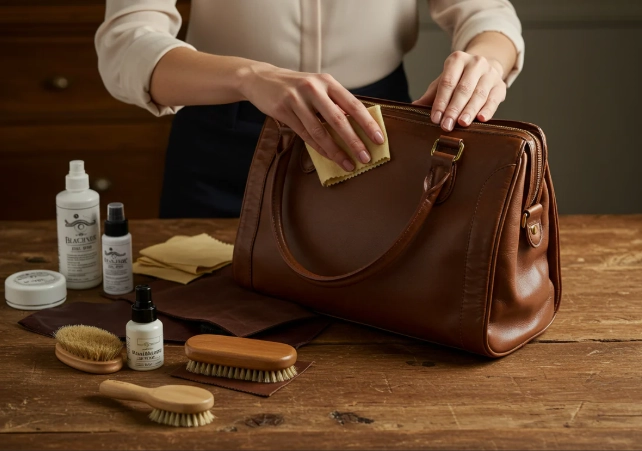
This isn't about slapping on some random cream. It's a process. A bit like nursing a plant back to health. You need to understand what went wrong, what you're working with, and then apply the right remedies in the right order. Rushing it or using the wrong product can do more harm than good. I learned that the hard way with an old satchel I nearly ruined with an overly aggressive cleaner. So, let's do it right.
Why Does Leather Get Dry and Cracked?
Leather is skin. It's porous, organic, and needs moisture to stay flexible. When it's tanned and turned into your bag, it's treated with natural oils and fats. Over time, these essential lubricants evaporate or are stripped away. Think of it like your own skin in winter. What causes this?
- Heat and Sun Exposure: Leaving your bag in a hot car or by a sunny window is a surefire way to bake the moisture right out. UV rays break down the leather's fibers.
- Low Humidity: Dry, artificial climates (hello, air conditioning and central heating) suck moisture from the air and, consequently, from your leather goods.
- Lack of Use and Care: Leather benefits from the natural oils on our hands and from occasional conditioning. Sitting untouched for years lets it desiccate.
- Harsh Cleaners: Using household cleaners, alcohol-based wipes, or soap not meant for leather strips away its protective oils.
Understanding this is the first step in learning how to revive a dry leather bag effectively. You're not just fixing the symptom; you're addressing the root cause.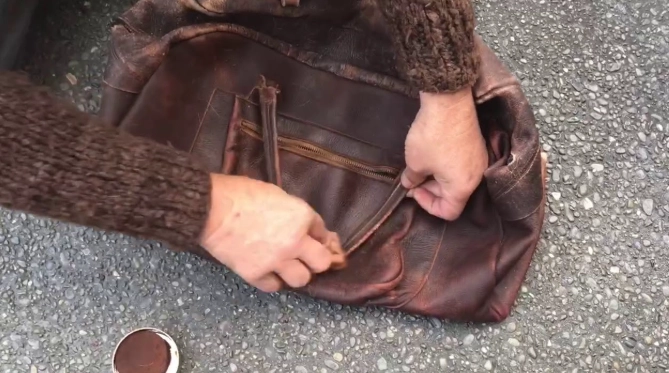
Step 1: Diagnose Your Leather Bag
Not all leather is created equal. The method for how to revive a dry leather bag depends heavily on its type. Using a heavy oil on a delicate leather can create a nasty, permanent stain.
What kind of leather do you have? Check the brand's website or original tags. If that's not possible, do a spot test.
- Full-Grain or Top-Grain Leather: Durable, develops a patina. Shows natural markings. This is the most common type for quality bags and responds beautifully to conditioning.
- Nubuck or Suede: Has a velvety, brushed nap. Requires specific cleaners and conditioners. Never use standard leather creams.
- Coated or Finished Leather: Has a shiny, plastic-like polymer layer on top. It's more resistant to stains but can peel if the coating fails. Conditioning is less critical but can help the underlying material.
- Aniline or Semi-Aniline: Very porous, dye penetrates fully. Extremely sensitive. Requires gentle, dedicated products.
Still unsure? The inside seam or pocket is a great place for a discreet test.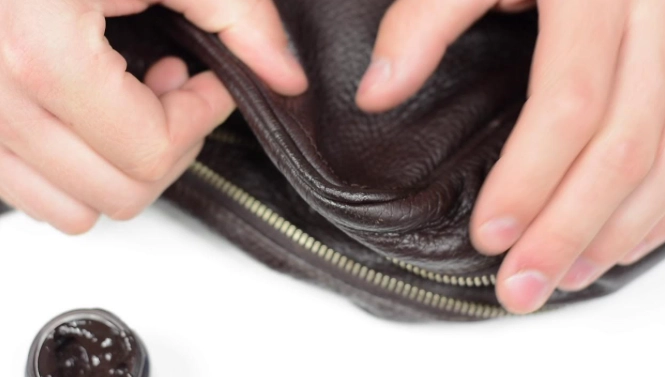
The Dryness Test
Gently pinch a small, inconspicuous area (like the back or bottom). If the leather feels stiff, doesn't give much, and looks pale or ashy, it's dry. In severe cases, you'll see fine white lines (cracks) when you bend it.
Step 2: Gather Your Arsenal (The Right Tools)
You don't need a chemistry set. A few key items will do. Investing in quality products here makes a world of difference compared to using something random from the garage.
| Tool/Product | Purpose | What to Look For / Notes |
|---|---|---|
| Soft, Lint-Free Cloths | Application, buffing, dusting. Microfiber cloths are perfect. | White or light-colored is best to avoid dye transfer. |
| Gentle Leather Cleaner | To remove surface dirt and old residues before conditioning. | pH-balanced, specifically for leather. Avoid household soaps. Brands like Leather Therapy or Saphir are highly regarded by professionals. |
| Leather Conditioner | The star of the show. Replenishes lost oils and fats. | For dry bags, look for conditioners containing lanolin, beeswax, or mink oil. Bickmore's Bick 4 and Leather Honey are popular, effective choices. For delicate leathers, use a lighter lotion. |
| Leather Balm or Cream (Optional) | For very dry or scuffed bags, adds extra nourishment and can help mask light scratches. | Often contains more waxes. Can add a slight tint. |
| Soft-Bristled Brush (Optional) | For cleaning suede/nubuck or getting dirt out of seams. | Use a dedicated suede brush or a very soft horsehair brush. |
Step 3: The Step-by-Step Revival Process
Alright, let's get to the heart of how to revive a dry leather bag. Clear a clean, flat workspace. Patience is your best friend here.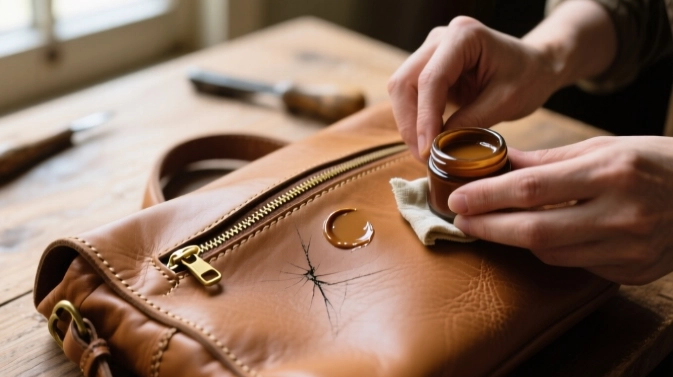
1. The Deep Clean (Don't Skip This!)
Conditioning a dirty bag just traps grime in the pores. Empty the bag completely. Use a soft, dry brush or cloth to dislodge loose dirt from seams and crevices.
Dampen a corner of your microfiber cloth with your chosen leather cleaner (apply the cleaner to the cloth, not directly to the bag). Gently wipe the entire surface in circular motions. Focus on stained or soiled areas. For stubborn spots, let the cleaner sit for a minute before wiping.
Use a separate, clean damp cloth to wipe away any cleaner residue. Then, let the bag air dry completely. No hairdryers! This might take a few hours. The leather should feel cool and dry to the touch.
This step alone can bring back some life if the dirt was masking the true color.
2. The Conditioning (The Magic Step)
This is where the real transformation happens in learning how to revive a dry leather bag.
- Apply Sparingly: Put a small amount of conditioner on a clean cloth. Rub your hands together to warm and spread it.
- Work in Sections: Start with the back or a less visible panel. Apply in gentle, circular motions, ensuring even coverage. You'll see the dry, thirsty leather absorb it almost immediately. The color will darken slightly—this is normal and will lighten as it dries.
- Cover All Areas: Don't forget the handles, straps (especially the underside), gussets, and edges. These high-stress areas dry out fastest.
- Let It Soak: Walk away. Let the conditioner penetrate deeply for at least 30 minutes, or even overnight for severely dry bags. The leather will drink it in.
3. Buffing and Final Touches
After the soak-in period, take a fresh, dry cloth and buff the entire bag. This removes any excess conditioner, polishes the surface, and brings up a soft, natural shine. Really put some elbow grease into it—the friction helps.
Inspect the bag. Does it still feel dry in spots? Are there deep scratches? If yes, you can apply a second, very thin layer of conditioner just to those areas or use a leather balm for scratches. For general dryness, a second light coat might be needed. Repeat the soak-and-buff process.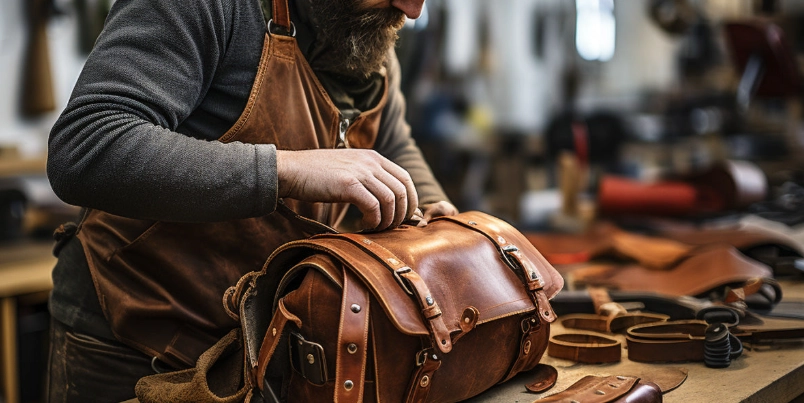
Advanced Topics & Problem-Solving
Sometimes, basic conditioning isn't enough. Here's how to tackle tougher situations.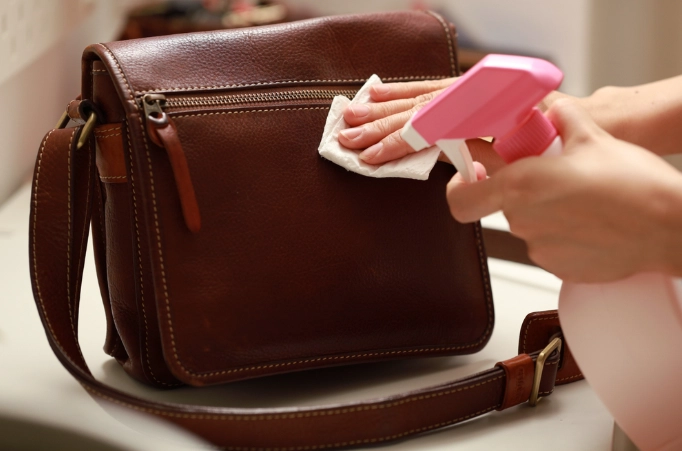
Reviving a Severely Dry, Stiff Bag
For a bag that's almost cardboard-like, you need a more intensive treatment. After cleaning, apply a thicker, richer conditioner like Leather Honey or a dedicated leather rejuvenator. Apply a generous but not dripping coat. Place the bag in a cool, dry place (not a plastic bag—it needs to breathe) for a full 24 hours. Wipe off excess and buff. You may need to repeat this process 2-3 times over a week. The transformation can be stunning.
Dealing with Mold or Mildew
If you find fuzzy spots, act fast. Take the bag outside. Use a soft brush to gently remove as much mold as possible. Wipe with a 1:1 solution of water and isopropyl alcohol (test first!), or use a leather cleaner with antifungal properties. Dry thoroughly in a well-ventilated area, stuffed with paper to hold its shape. Only condition once you are 100% sure it's completely dry and mold-free.
What About Cracks?
Fine surface cracks can be minimized and made less noticeable with heavy conditioning, which plumps up the fibers. Deep, structural cracks won't heal, but conditioning prevents them from spreading. There are leather fillers on the market, but they require skill and color-matching. For a valuable bag, this is pro territory.
Prevention: How to Keep Your Leather Bag Supple Forever
The best way to learn how to revive a dry leather bag is to never let it get that dry in the first place.
- Regular Conditioning: Every 6-12 months, depending on climate and use. Mark it on your calendar.
- Proper Storage: Store in a breathable dust bag (not plastic!) in a cool, dry place. Stuff it with acid-free tissue paper to maintain shape.
- Immediate Care: Wipe off rain or spills with a dry cloth immediately. Let it dry naturally away from direct heat.
- Rotate Your Bags: Don't use the same bag every single day for years. Give it a rest.
This preventative care is a cornerstone of the slow fashion movement. It's about cherishing what you have.
Frequently Asked Questions (FAQs)
Can I use coconut oil or olive oil on my leather bag?
I get this question a lot. The short answer is: I don't recommend it. While they might seem like natural solutions, food-based oils can go rancid over time, leading to unpleasant odors and potentially damaging the leather. They also don't contain the specific waxes and emulsifiers in commercial conditioners that help the product absorb evenly and protect the surface. It's a gamble. For a bag you care about, use a product designed for the job. The Leather Institute provides resources on proper leather science that explain why specialized products are formulated the way they are.
My bag got wet and is now stiff. What do I do?
First, let it dry slowly at room temperature, stuffed with paper towels or newspaper to absorb moisture and retain shape. Never use a heater or hair dryer. Once completely dry, it will likely be stiff. That's when you follow the full cleaning and conditioning process outlined above. The stiffness is from the natural oils being displaced—conditioning puts them back.
How often should I condition my leather bag?
There's no one-size-fits-all answer. A bag used daily in Arizona will need it more than one used occasionally in Seattle. A good rule of thumb is every 6 months for frequently used bags, and once a year for others. Let the leather tell you—if it starts to look or feel less supple, it's time.
Can a dry leather bag be restored to its original softness?
Most of the time, yes, you can get incredibly close. I've been shocked at how bags I thought were hopeless have come back to life. However, "original" softness on a brand-new bag sometimes involves surface finishes that wear away with use. The softness you restore will be the softness of healthy, nourished leather—which is often even better, with a rich, personal patina.
That patina is a badge of honor, a story.
What's the difference between conditioner and leather polish?
This is crucial. Conditioner is food—it nourishes and moisturizes from within. Polish is makeup—it adds color and a shiny topcoat, often with waxes and pigments. Always condition first. Polishing a dry bag is like putting lipstick on chapped lips. It might look okay for a minute but doesn't solve the underlying problem. For most dry bag revivals, you only need a conditioner.
Final Thoughts
Learning how to revive a dry leather bag is more than a chore; it's an act of preservation. In a world of fast fashion, taking the time to restore a quality item is deeply satisfying. It connects you to the material, the craftsmanship, and the history of the piece itself.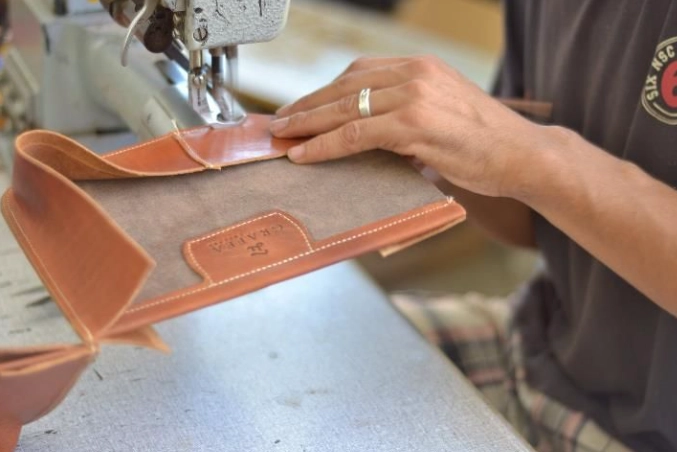
The process isn't complicated, but it requires attention and a bit of patience. Start with a clean slate, feed the leather what it craves, and protect it for the future. You might just find that your old, dried-out bag becomes your favorite again, not despite its revived state, but because of it. It carries the care you've invested.
So go on, dig that bag out. Give it a second chance. You've got the guide.