Quick Navigation
- What Exactly Is a Convertible Tote Backpack, and Why Should You Care?
- The No-BS Guide to Choosing Yours: Features That Actually Matter
- Putting It to the Test: Use Case Scenarios
- Beyond the Hype: Honest Pros and Cons
- Your Questions, Answered (The Real Stuff People Google)
- Making It Last: Care and Maintenance
- The Bottom Line
Let's be real for a second. How many times have you stood in your hallway, one foot out the door, staring at a pile of bags and feeling that familiar twinge of travel anxiety? You've got your rolling suitcase, sure. But then there's the tote for your book and snacks, the backpack for your laptop and camera, and a crossbody for your passport and wallet. It's a juggling act before you've even left the house. Your shoulders ache just thinking about it.
I was exactly there. A chronic over-packer and an under-planner, constantly switching bags mid-journey. Then, on a particularly chaotic trip through Lisbon's hilly streets, I saw someone effortlessly swing their bag from their back to their shoulder as they hopped on a tram. It was a lightbulb moment. That's the magic of a dedicated convertible tote backpack travel solution. It's not just a bag; it's a mindset shift for how we move through the world.
This isn't about selling you a specific brand. It's about giving you the framework to find your perfect bag. Because the right one feels less like luggage and more like a trusted travel companion.
What Exactly Is a Convertible Tote Backpack, and Why Should You Care?
At its core, it's exactly what it sounds like: a bag that transforms from a tote (carried on your shoulder or in your hand) into a backpack (strapped comfortably on both shoulders), and sometimes into other configurations like a crossbody or a briefcase. The conversion usually happens via cleverly hidden or detachable straps.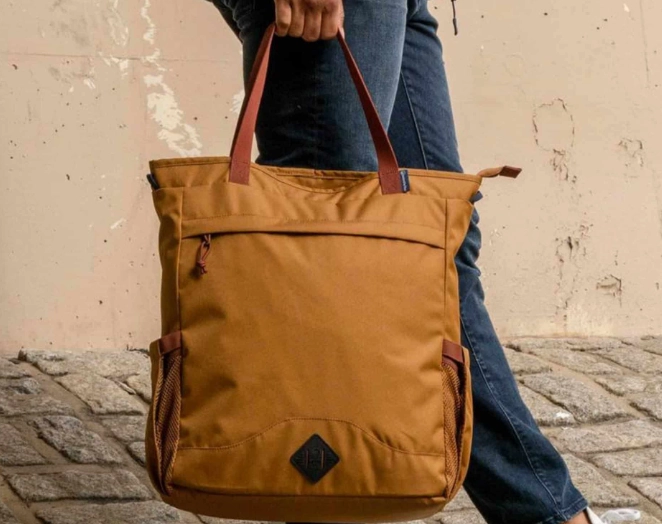
But the "why" is more important. Think about the phases of a journey.
- The Airport Sprint: Backpack mode. Hands-free, balanced weight, you can speed-walk to your gate without your bag swinging wildly.
- The Boarding Process: Quick shift to tote mode. Easier to slide under the seat in front of you, and you can access your laptop or book without taking the whole bag off.
- The City Explorer: Backpack mode again for all-day comfort while walking miles. Safer from pickpockets too, when worn properly.
- The Business Lunch/Meeting: Tote mode. Looks more polished and professional than a backpack in many settings.
- The Market Run: Tote mode for easy in-and-out access to your wallet and for carrying those spontaneous purchases.
One bag, multiple personalities. It adapts to you, not the other way around. The versatility of a good convertible travel tote backpack is its superpower.
The No-BS Guide to Choosing Yours: Features That Actually Matter
Walk into any store or browse online, and you'll be overwhelmed. Here’s how to cut through the marketing and focus on what will impact your daily use.
The Conversion Mechanism: The Heart of the Bag
This is the most critical part. A bad mechanism will make you hate the bag.
- Hidden Backpack Straps: The most common. Straps zip or snap into a rear compartment. Good for: A sleek tote look when in shoulder-bag mode. Watch out for: The compartment can eat into internal space, and the straps might be thinner for the sake of hiding.
- Detachable Straps with Clips: Straps completely detach via metal hooks or carabiners. Good for: Often sturdier, and you can leave the straps at home if you know you'll only need a tote. Watch out for: You have to store the straps somewhere when not in use.
- Toggle or Slide Conversion: Less common. You adjust straps to change the carrying style without detaching. Good for: Ultra-fast switching. Watch out for: Can sometimes look bulkier.
My take? I prefer detachable straps. They feel more secure, and I've had a hidden-zip compartment fail on me. But if you prioritize a clean aesthetic, hidden might be your jam.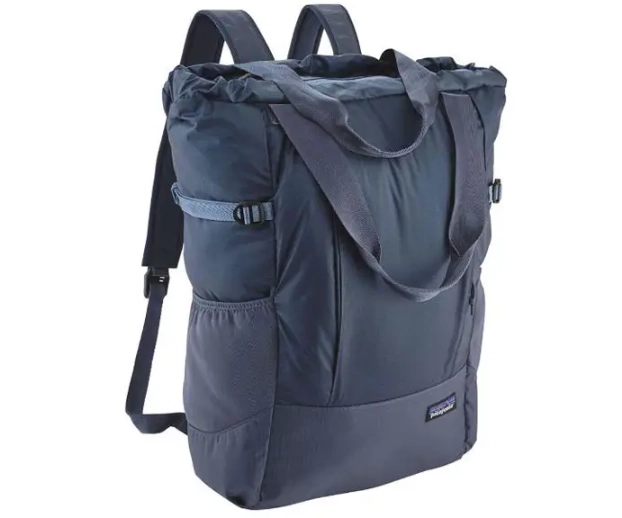
Material & Build: Is It Built to Last?
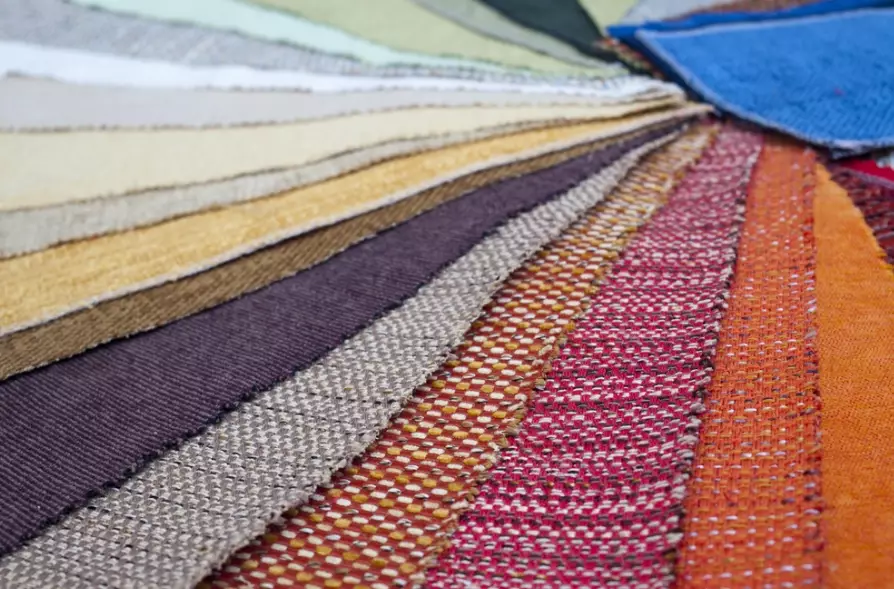
This is where you decide on budget. Nylon (like ballistic nylon) is lightweight, durable, and often water-resistant. Polyester is common and affordable but can feel less premium. Leather is beautiful and develops a patina, but it's heavier and needs care.
Check the zippers. YKK is a brand synonymous with quality—it’s a good sign. Look at the stitching. Is it even and tight? Are stress points (where straps attach) reinforced? A bag for convertible tote backpack travel will get yanked on, overstuffed, and tossed around. It needs to handle it.
Organization: Chaos vs. Calm
This is deeply personal. Are you a "lumper" or a "splitter"?
- Minimalist Interior: Basically one big cavity with maybe a laptop sleeve. You use your own pouches. Pros: Flexible, lightweight. Cons: Can become a black hole.
- Maximalist Organization: Dedicated slots for pens, phones, tablets, water bottles, keys, sunglasses... you name it. Pros: Everything has a place. Cons: Can be rigid and add weight. If your phone model changes, that perfect slot might become useless.
Size & Weight: The Goldilocks Principle
Will this be your personal item on flights? Then you must check your airline's underseat dimensions. The TSA website is a good starting point for general US airline guidelines, but always check your specific carrier. A bag that's perfect for a weekend might be too big for a budget airline's strict rules.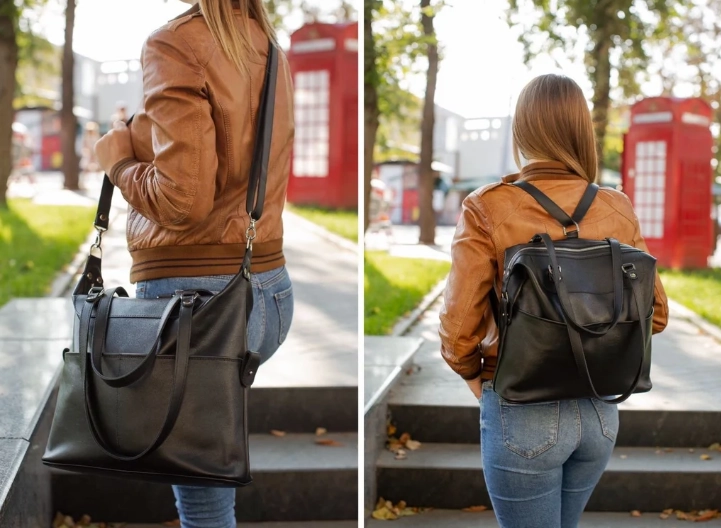
Empty weight matters. A heavy bag before you put anything in it is a deal-breaker. Pick it up in the store. Load it with something. How does it feel?
Putting It to the Test: Use Case Scenarios
Let's get practical. How does this play out in real life?
| Travel Scenario | Primary Bag Mode | Key Features to Look For | Potential Pitfall to Avoid |
|---|---|---|---|
| The Weekend City Break | Switches frequently: Backpack for transit/walking, Tote for dinners. | Medium size (20-25L), quick-access pocket, water-resistant material. | A bag that's too dressy or too casual, limiting its use. |
| The Digital Nomad / Work Trip | Mostly Tote/Briefcase mode for meetings, Backpack for commute. | Padded, dedicated laptop compartment (15"+), professional aesthetic, luggage pass-through. | Poor padding for tech. A bag that screams "hiking" in a boardroom. |
| The Carry-On Only Adventurer | Primarily Backpack for hands-free exploring, Tote for quick access on transport. | Larger capacity (25-30L), sternum/hip straps for support, durable/abrasion-resistant material. | Overloading a bag not designed for heavy weight, leading to discomfort. |
| The Everyday Commuter & Parent | Backpack for biking/walking, Tote for driving/carrying kid stuff. | Easy-to-clean interior, external bottle pockets, organization for small items. | Flimsy construction that won't handle daily abuse. |
See how the same bag type serves different masters? That's the point. Your travel backpack tote convertible should fit your most common script.
Beyond the Hype: Honest Pros and Cons
Let's balance the glowing reviews. These bags aren't perfect for every single person or situation.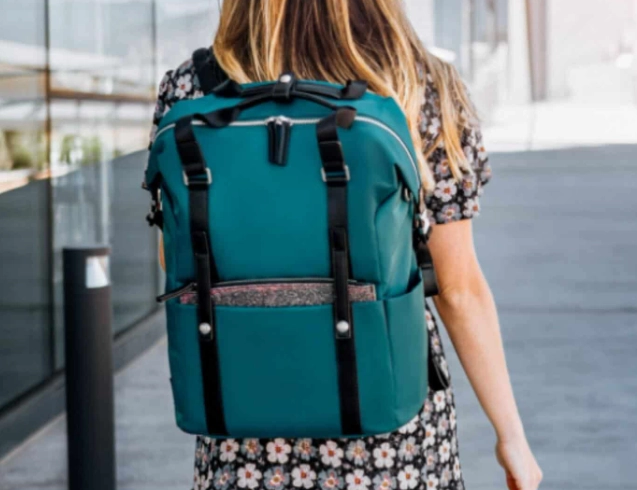
The Good (The Pros)
- Ultimate Versatility: The obvious one. It's like having two or three bags in one.
- Packing Efficiency: You pack once. No shifting essentials between a purse and a daypack.
- Adaptability: Seamlessly fits different parts of your day and different environments.
- Potential Cost Savings: Instead of buying a quality tote AND a quality backpack, you invest in one great hybrid.
- Security: In crowded places, backpack mode worn on both shoulders is much harder to snatch than a tote on one shoulder.
The Not-So-Good (The Cons & Compromises)
- The Jack-of-All-Trades Effect: It might not be the absolute best tote or the absolute best backpack. A dedicated hiking backpack will always be more comfortable for 10-mile treks. A fine leather tote will always look more elegant.
- Weight & Bulk: The mechanisms and extra material add weight and sometimes bulk compared to a simple tote.
- Complexity: More moving parts (zips, clips, straps) mean more potential points of failure. This is why build quality is paramount.
- Aesthetic Compromise: Some designs, especially those trying to hide backpack straps, can look a bit boxy or utilitarian as a tote.
So, is it for you? If your travel and life involve frequent context switching and you value adaptability over specialized perfection, then absolutely. If you only ever need a backpack or only ever need a tote, stick with a dedicated option.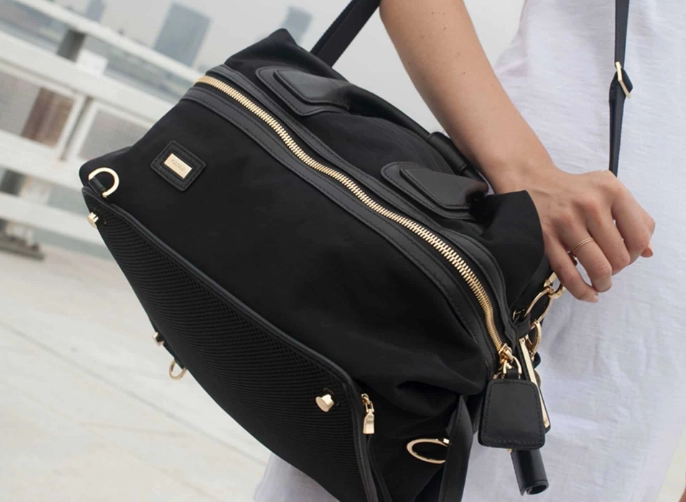
Your Questions, Answered (The Real Stuff People Google)
- Padded, adjustable straps: Wide is better than thin.
- A padded back panel: For comfort and breathability.
- Sternum strap: A game-changer for distributing weight and keeping straps from slipping off your shoulders. Many convertibles include one that stashes away.
They won't match the ergonomics of a top-tier hiking pack with a hip belt, but many are surprisingly comfortable for all-day city wear.
Making It Last: Care and Maintenance
You've invested in a good one. Now keep it that way.
- Empty it regularly. Don't let crumbs, sand, or pen marks become permanent residents.
- Spot clean. For nylon, a damp cloth with mild soap usually does the trick. For leather, use products designed for that specific type of leather. The Leather Working Guide is a fantastic independent resource for understanding leather care basics.
- Store it properly. Don't crush it in a closet. Stuff it with some old t-shirts or paper to help it keep its shape. Store it in a dust bag if it came with one.
- Check the hardware. Every few months, give the zippers, clips, and strap attachments a once-over. Make sure nothing is loose or damaged.
A little care goes a long way. My main convertible bag has been with me for five years and across three continents, and aside from a few scuffs, it works like the day I bought it.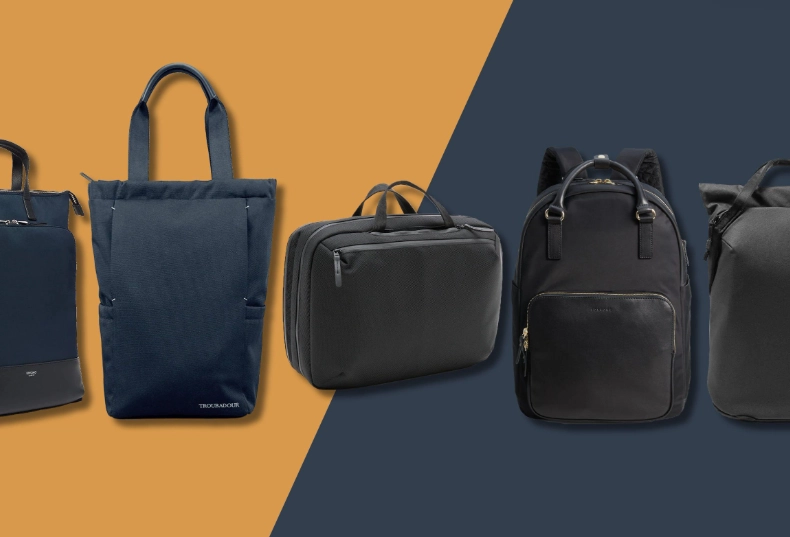
The Bottom Line
Choosing the right convertible tote backpack for travel isn't about finding the one with the most features or the trendiest name. It's about understanding your own travel rhythm. What do you actually do? How do you move? What causes you stress?
Ignore the fancy marketing photos. Think about the last trip where your bag annoyed you. What was the problem? Was it too heavy? Too disorganized? Too hard to carry when you were tired? Let those pain points guide you.
The goal is to stop thinking about your bag altogether. It should be a seamless, supportive part of your journey, freeing you up to focus on the experience itself. That's the real promise of a great convertible bag—it gets out of your way and lets you travel better.
So, take this guide, figure out your non-negotiables, and go find your match. Your shoulders (and your sanity) will thank you.