Your Guide to Backpack Totes
- What Exactly Is a Backpack Convertible Tote?
- Why Would You Even Need One? The Real-World Benefits
- How to Choose Your Perfect Backpack Convertible Tote: A Step-by-Step Filter
- Primary Use Case: What's Your Main Gig?
- Deep Dive: Comparing Top Contender Styles
- Common Questions (Stuff You're Actually Wondering)
- Final Thoughts Before You Click "Buy"
So you've seen them around. Maybe a colleague seamlessly shifts her bag from shoulder to back as she runs for the train. Or a traveler in the airport effortlessly converts a sleek tote into a backpack to navigate a long terminal. The backpack convertible tote isn't just a passing trend—it's a legitimately clever solution for a modern, on-the-go life. But is it right for you? And with so many options, how do you even begin to choose?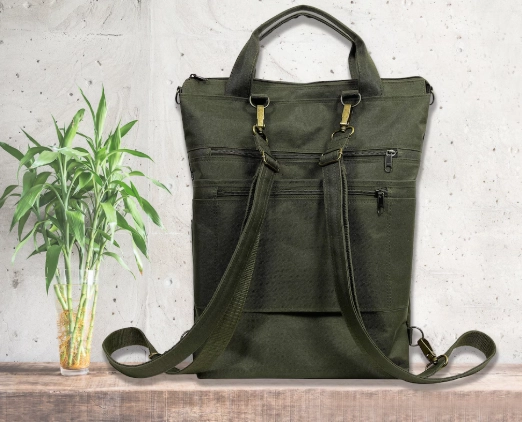
I've been down this rabbit hole myself. I bought one on a whim years ago, lured by the promise of ultimate versatility. The first one was a disaster—cheap straps that dug into my shoulders, a floppy body that offered zero structure. It turned me off the whole concept for a while. But then I tried a better-made one, and honestly? It changed how I pack and move through my day. This guide is everything I wish I'd known before I started looking.
Let's cut through the marketing fluff and get real about what a backpack convertible tote can and cannot do, who it's best for, and exactly what to look for (and avoid) when you're ready to buy.
What Exactly Is a Backpack Convertible Tote?
At its core, it's a hybrid. It starts its life looking like a standard tote bag—often with one or two main handles. The magic (and the reason for the "convertible" part) lies in the hidden or stowable backpack straps. These are typically tucked away in a zippered compartment at the back or along the sides. When you need your hands free or want to distribute weight more evenly, you deploy these straps, and voilà, you have a backpack.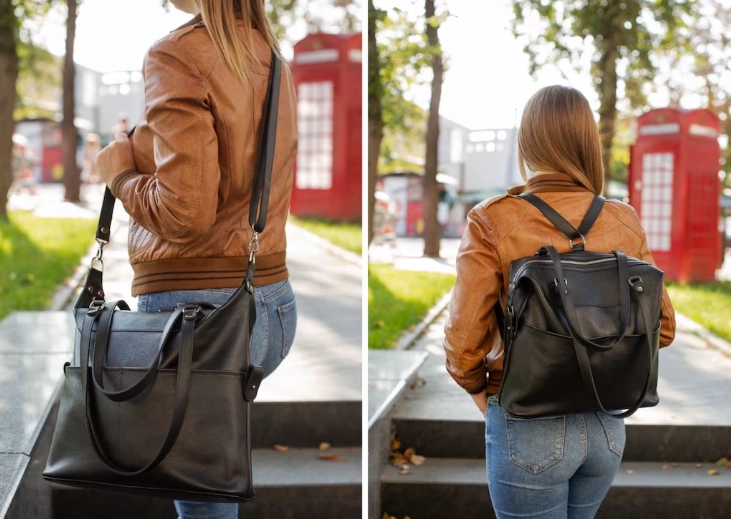
It's not a hiking backpack pretending to be a purse, nor is it a formal handbag with useless add-on straps. The best ones genuinely bridge the gap, offering a polished enough look for work or casual outings while providing the practical, ergonomic benefits of a backpack when you need them. Think of it as your bag's superhero alter ego.
Why Would You Even Need One? The Real-World Benefits
Versatility is the obvious answer, but let's get specific. A good backpack convertible tote solves specific problems.
The Good Stuff (The Pros)
- Ergonomic Savior: Carrying a heavy tote on one shoulder is a recipe for neck and back pain. Switching to two-shoulder backpack mode distributes weight evenly. This is a game-changer for commuters, parents, or anyone who tends to overpack.
- The Ultimate Transition Bag: Go from a business meeting (tote mode) to a walk in the park (backpack mode) without missing a beat. It adapts to your activity, not the other way around.
- Hands-Free Freedom: Need to text, hold a coffee, manage kids, or just navigate a crowded space? Backpack mode gives you both hands back. It's simple but profoundly useful.
- Travel-Friendly: Many are designed to fit under airplane seats. Use tote mode for easy access to your passport and tablet during the flight, then convert to a backpack for hauling your stuff through the airport or your destination city.
- Potentially Fewer Bags: It can often replace the need for both a work tote and a casual daypack, simplifying your closet and your decisions.
The Not-So-Good (The Cons)
- The "Jack of All Trades" Trap: Some bags do both modes poorly. The tote might be too shapeless, or the backpack straps might be flimsy and uncomfortable. You have to choose carefully.
- Style Compromise: While many are stylish, a bag with visible backpack strap attachments might not have the ultra-clean, minimalist lines of a high-fashion tote. It's a functional aesthetic.
- Weight: The hardware and mechanisms for conversion add a bit of weight compared to a simple tote.
- Security: In backpack mode, the main compartment is on your back, out of sight. This isn't ideal in high-theft areas unless the bag has specific security features like lockable zippers or slash-resistant material.
See? Not perfect for every single situation. But for many, the pros heavily outweigh the cons.
How to Choose Your Perfect Backpack Convertible Tote: A Step-by-Step Filter
Don't just buy the first cute one you see. Your lifestyle dictates your needs. Ask yourself these questions first.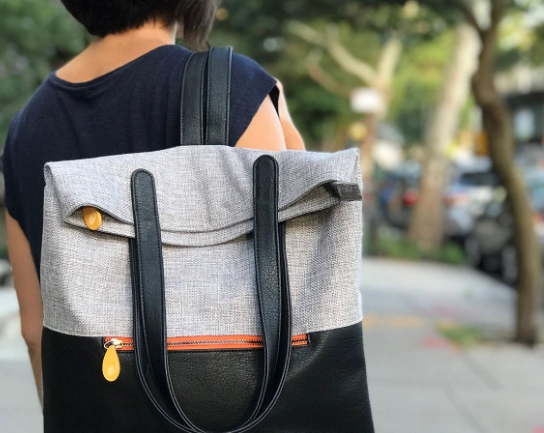
Primary Use Case: What's Your Main Gig?
Is this for work? Then you'll need a professional-enough look, a laptop sleeve (probably 15+ inches), and good organization for pens, notebooks, and chargers. Look for structured shapes and sophisticated materials like leather or robust nylon.
Is it for everyday errands and mom/dad life? Durability, easy-to-clean materials (hello, spilled snacks), and wide openings for quick access are key. Maybe even insulated pockets for a water bottle.
Is travel the main goal? Prioritize lightweight materials, a luggage strap to slide over suitcase handles, and multiple secure pockets (including one against your back for a passport). Check airline carry-on size restrictions if that's important to you.
The Anatomy of a Great Bag: Features That Matter
Let's dissect what makes a convertible tote backpack stand out from the crowd.
| Material | Best For | Pros | Cons | My Take |
|---|---|---|---|---|
| Nylon (e.g., Ballistic, Ripstop) | Travel, Everyday, Rainy Climates | Lightweight, incredibly durable, water-resistant, often easy to clean. | Can look too technical or sporty for very formal settings. | My go-to for travel. It just takes a beating. Brands like Tumi or Patagonia do this really well. |
| Polyester | Budget Options, Casual Use | Affordable, wide variety of colors/prints, often water-resistant. | Less durable than high-end nylon, can feel less premium. | Fine for a light-use bag, but check the fabric density (denier). A higher number is tougher. |
| Canvas / Cotton | Casual, Everyday, Bohemian Style | Classic look, sturdy, often biodegradable. | Heavy when wet, stains easily, offers zero water resistance unless treated. | I love the look but find them impractical for my messy life or any chance of rain. |
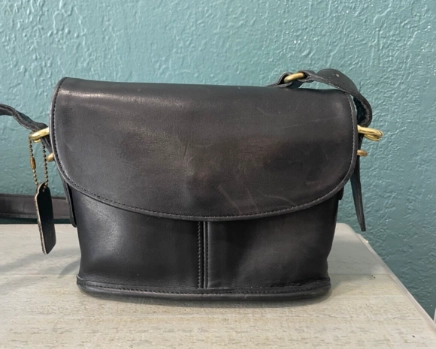
| Leather (Genuine or Vegan) | Work, Professional Settings, Style-Priority | Elevated, professional appearance, develops a beautiful patina, very durable long-term. | Heavier, requires care, can be expensive, not ideal in heavy rain. | The top choice if you need one bag to look sharp in an office. It bridges the style gap perfectly. |
Strap Quality is Non-Negotiable. This is where cheap bags fail. Look for:
- Width & Padding: Backpack straps should be at least 1.5 to 2 inches wide and well-padded. Thin straps will cut into your shoulders with any real weight.
- Adjustability: Can you adjust them for different torso lengths or over a winter coat? Look for robust sliders.
- Attachment Points: How are they attached to the bag? Riveted or bar-tacked stitching is strong. Flimsy stitching will tear.
- Stowage: Is there a clean, dedicated pocket to hide the straps in tote mode? Straps dangling or bunched up in a pocket ruin the tote look.
Organization: Chaos vs. Calm. Do you prefer a big bucket to dump everything into, or do you need a place for every item?
- Minimalist: One large main compartment, maybe a small external zip pocket. You use your own pouches.
- Highly Organized: Dedicated laptop sleeve, tablet pocket, multiple interior slip pockets, key leash, pen slots, water bottle pockets (internal or external).
Think about your daily carry. I'm a pouch person, so I prefer a simpler interior with one or two open pockets. My partner needs a slot for everything or he'll lose it.
Capacity & Size: Getting It Just Right
Too small and it's useless; too big and it's a bulky monster. Measure your essential daily carry (laptop, notebook, lunch, gym kit) and use that as a guide. Liters are a better measure than vague "fits a 15-inch laptop" claims.
- Small (10-15L): Essentials only. Great for minimalists, light errands, or as a personal item for travel.
- Medium (15-25L): The sweet spot for most. Fits a laptop, files, a light jacket, and your daily miscellany. This is the most common and versatile size for a backpack convertible tote.
- Large (25L+): For workhorse needs, gym clothes + work gear, or as a primary carry-on travel bag. Can get heavy and less structured.
Deep Dive: Comparing Top Contender Styles
Let's look at how different designs cater to different needs. This isn't about specific brands, but archetypes.
| Style Archetype | Typical Materials | Key Features | Best For | Potential Drawback |
|---|---|---|---|---|
| The Structured Professional | Leather, Stiff Nylon | Boxy shape, polished hardware, discreet strap stowage, laptop compartment, often a zip-top closure. | Office workers, consultants, anyone who needs to look put-together. | Can be rigid and less forgiving if you need to overstuff it occasionally. |
| The Rugged Adventurer | Heavy-duty Nylon, Cordura | Loads of external attachment points (for carabiners, etc.), water bottle pockets, often a more hiking-backpack inspired harness system. | Outdoor weekends, travel to adventurous destinations, students with an active lifestyle. | Might look too technical for a formal workplace. |
| The Minimalist Chic | Soft Leather, Felt, Simple Canvas | Clean lines, hidden seams, often a single color, focus on texture and form. Conversion mechanism is very subtle. | Style-conscious users who value aesthetics but want the option of hands-free carrying. | May sacrifice some organization and durability for the sake of clean design. |
| The Mega-Organizer | Varied | Interior looks like a command center with pockets for everything, including tech. Often has a separate shoe compartment or a wet/dry bag area. | People who carry a lot of small items and hate digging. Great for gym-goers (clothes, shoes, toiletries). | All those pockets add weight and can make the bag feel cramped for larger, bulkier items. |
See what fits your vibe? I lean towards the Structured Professional for work and the Rugged Adventurer for trips. The Mega-Organizer stresses me out—too many choices!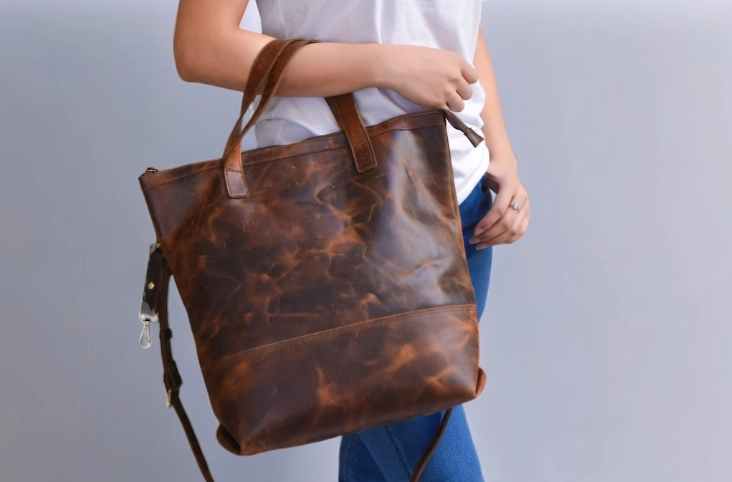
Common Questions (Stuff You're Actually Wondering)
Are backpack convertible totes actually comfortable as backpacks?
They can be, but it's the #1 thing to vet. A good one with wide, padded, adjustable straps is surprisingly comfortable for all-day wear, even with a moderate load. A bad one is torture. Never buy one without checking reviews specifically about strap comfort, or better yet, trying it on with weight inside.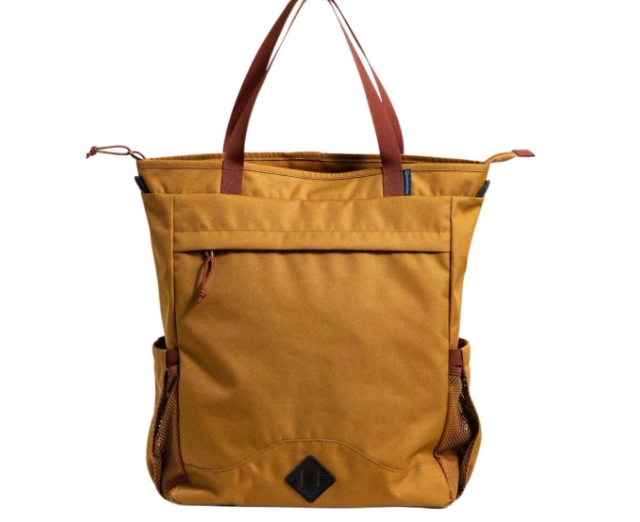
Can I use it as my personal item on a flight?
Most medium-sized ones (around 18-22L) absolutely can, especially in backpack mode which often makes it fit more easily under the seat. Always check your airline's specific dimensions, but the flexible nature of a tote often gives you an advantage over a rigid suitcase. I've used my trusty backpack convertible tote on dozens of flights as my under-seat bag.
How do I keep it looking good in tote mode if the straps are hidden inside?
The best designs have a zippered compartment on the back panel that lays completely flat when the straps are inside. You shouldn't see or feel a bulky lump. Cheaper bags just have you stuff the straps into a pocket, creating an awkward bulge. Look for that dedicated, flat stowage compartment.
Are they secure? My stuff feels vulnerable on my back.
This is a valid concern. Look for security features: lockable zipper pulls, RF-blocking pockets for cards/passports, and slash-resistant material (like certain types of canvas or metal mesh layers). In crowded places, you can also wear it in tote mode on your front, or simply keep your wallet/phone in a smaller, secure crossbody bag inside. Don't assume any bag is theft-proof.
How do I clean a fabric backpack convertible tote?
It depends entirely on the material. For most nylon or polyester bags, spot cleaning with a damp cloth and mild soap works. Some are even machine washable (check the tag!). For leather, use a dedicated leather cleaner and conditioner. For canvas, you might be able to gently hand wash it, but spot treatment for stains is safer. The American Cleaning Institute has general guidelines for fabric care that can be a helpful starting point.
Is it worth the investment compared to buying a separate tote and backpack?
Financially, a single high-quality convertible backpack tote often costs less than buying two separate high-quality bags. The real value is in convenience and reducing decision fatigue. You have one bag that does it all. However, if your needs are extremely distinct (e.g., a very formal leather tote for court and a heavy-duty 30L backpack for hiking), two separate bags will perform each task better. The hybrid is for the middle ground where your needs overlap.
The goal isn't to find a bag that's perfect at everything, but one that's perfectly good enough for *your* everything.
Final Thoughts Before You Click "Buy"
Look, no bag is magic. But a well-chosen backpack convertible tote comes close for a lot of us. It's the acknowledgment that our days aren't monolithic—they're a series of shifting contexts and demands. This bag shifts with you.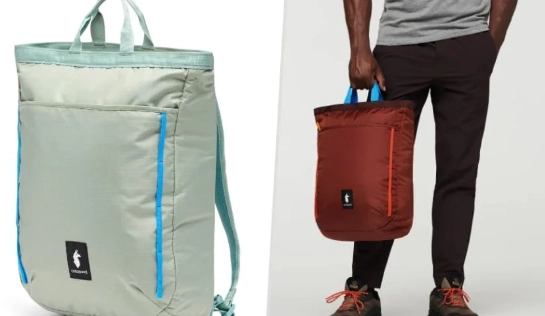
My biggest piece of advice? Be brutally honest about your primary use. Don't buy a travel-focused bag if you'll use it 90% for the office. Don't buy a stiff leather one if your main goal is weekend farmers' market runs. Read reviews with a critical eye, especially about strap comfort and durability over time. Sites like REI often have detailed, long-term user reviews for more outdoor-oriented models, which can be incredibly revealing.
And give yourself permission to return it if it doesn't work. Load it up with what you'd normally carry, wear it around the house for 20 minutes in both modes. Do the straps slip? Does it feel unbalanced? Is the opening annoying to get into? Your back and shoulders will thank you for taking the time to get it right.
Happy hunting. May you find the hybrid that makes your daily haul just a little bit easier.