Quick Navigation
- Why People Ask "Is Revolve Fast Fashion?" in the First Place
- Breaking Down the Revolve Business Model: The Evidence
- Revolve vs. Typical Fast Fashion: A Side-by-Side Look
- The Sustainability Question: What Is Revolve Actually Doing?
- So, Is Revolve Fast Fashion? The Final Verdict
- Your Questions, Answered (The Real Stuff People Search)
- How to Shop Revolve (If You Still Want To) More Mindfully
So you've seen the hauls, the influencer trips, the endless stream of cute dresses on your feed. You're probably wondering, with all those new arrivals every single week, is Revolve fast fashion? It's a question that pops up more and more as people become aware of their shopping habits. The short, messy answer? It's complicated. It's not as clear-cut as a brand like Shein, but it's also not a slow, sustainable darling either. Let's peel back the layers.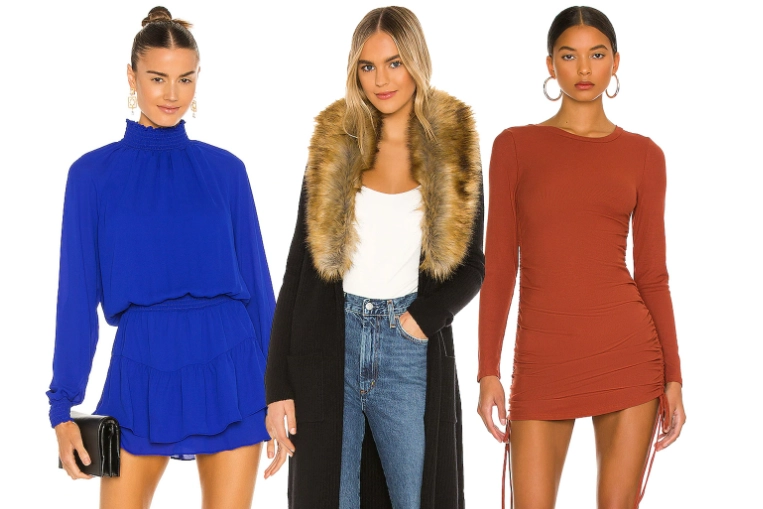
I remember ordering a dress from Revolve a few years back, excited by the pictures. It arrived, looked great for one wedding, and then the seam started coming apart after a gentle wash. That experience got me thinking—what exactly am I paying for here? Is it quality, or just hype? That's what we're going to dig into.
What do we even mean by "fast fashion"? Before we can label Revolve, we need a working definition. Fast fashion generally refers to a business model that prioritizes rapid production of high-volume, trend-driven clothing at low prices. The goal is to get the latest styles from the runway to your closet as quickly and cheaply as possible. This often comes with ethical and environmental trade-offs, like questionable labor practices and textile waste. Think Zara, H&M, Fashion Nova.
Why People Ask "Is Revolve Fast Fashion?" in the First Place
The confusion makes total sense. On one hand, Revolve sells hundreds of different brands, many of which are contemporary designers with higher price points. You're not finding $10 tops here. On the other hand, the entire vibe of the site feels... fast. The constant churn of new products, the influencer-centric marketing that makes you feel like you need the *new new* thing immediately. It creates a similar consumption pressure.
Their own in-house brands, like Lovers + Friends, Tularosa, or NBD, are central to this debate. They pump out new styles at an incredible pace, closely following (some might say copying) micro-trends seen on social media. The pricing sits in a weird middle ground—not cheap, but not investment-piece expensive either. It's that "affordable luxury" or "expensive fast fashion" zone that feels tricky.
Key Insight: The question "Is Revolve fast fashion?" often stems from a feeling of disconnect. The marketing sells an aspirational, high-end lifestyle, but the product lifecycle and trend-chasing feel eerily similar to traditional fast fashion. It's like fast fashion in designer clothing.
Breaking Down the Revolve Business Model: The Evidence
Let's look at the facts. We can't just go on vibes. We need to examine how Revolve actually operates.
Speed and Volume of New Arrivals
This is the biggest red flag for many. Visit the Revolve site any day of the week, and you'll see a staggering number of "New Arrivals." We're talking hundreds of items weekly across their various brands. This relentless newness is a core fast fashion tactic—keeping you coming back, creating fear of missing out (FOMO) on the latest trend. If a brand's success depends on you constantly buying the next thing, that's a fast fashion mentality, regardless of the price tag.
Their in-house labels are designed for speed. They can identify a trend on TikTok on Monday and have a similar style produced and on the site within weeks, not months. That's a hallmark of a fast supply chain.
Pricing Strategy: A Middle Ground
Here's where it gets fuzzy. A classic fast fashion marker is ultra-low price. Revolve isn't that. Dresses regularly cost between $80 and $250. But here's the catch: that price point doesn't automatically mean high quality or ethical production. It often just reflects better marketing and aspirational branding. You're partly paying for the "Revolve girl" aesthetic.
I've compared pieces from Revolve's in-house brands to items from more transparent contemporary brands at similar prices. The difference in fabric thickness, stitch quality, and finishing can be stark. You're not always getting what you pay for in terms of longevity.
Transparency (Or the Lack Thereof)
Ask Revolve where their clothes are made, under what conditions, or what their environmental impact goals are, and you'll hit a wall. There's a profound lack of detailed public information. Their official website is focused on selling, not educating. For a company of its size and influence, this opacity is a major issue. Sustainable brands shout their practices from the rooftops; Revolve is very quiet.
This lack of transparency makes it impossible to verify any ethical claims. When you're wondering "is Revolve fast fashion," this secrecy is a huge part of the answer. Fast fashion thrives in the shadows.
A Reality Check: Just because a brand is popular on Instagram and has a higher price point does NOT mean it operates ethically or sustainably. Marketing budget and actual business practices are completely different things. Revolve masters the former while keeping the latter under wraps.
Revolve vs. Typical Fast Fashion: A Side-by-Side Look
Sometimes a comparison makes things clearer. Let's put Revolve's in-house brands next to a classic fast fashion giant and a slow fashion brand.
| Feature | Typical Fast Fashion (e.g., Shein, Boohoo) | Revolve's In-House Brands (e.g., Lovers + Friends) | Slow Fashion / Sustainable Brand |
|---|---|---|---|
| Price Point | Extremely Low ($5-$30) | Mid-Range ($50-$200) | Higher ($100-$500+) |
| New Arrivals | Thousands daily/weekly | Hundreds weekly | Seasonal collections (2-4 per year) |
| Trend Cycle | Ultra-fast (days/weeks) | Very Fast (weeks) | Slow, timeless designs |
| Transparency | Very Low | Very Low | High (factory info, materials) |
| Marketing | Influencers, social ads | Heavy on mega-influencers & trips | Values-driven, educational |
| Perceived Quality | Low, disposable | Mixed (often lower than price suggests) | High, built to last |
See that? Revolve occupies a distinct middle column. It's not the bargain-bin extreme, but it aligns far more closely with the fast fashion model in terms of speed, transparency, and trend-chasing than it does with a slow fashion ethos. Calling it "fast fashion with a higher price tag" isn't far off for their owned brands.
That table tells a story, doesn't it?
The Sustainability Question: What Is Revolve Actually Doing?
When pressed, Revolve might point to a small selection of brands under a "Responsible Shop" filter. This is a common industry tactic—highlighting a tiny percentage of better products to deflect criticism from the core business model. It's greenwashing 101 if the main operation doesn't change.
There is no comprehensive sustainability report from Revolve Group that I could find. No science-based targets for reducing carbon emissions. No detailed commitment to living wages in their supply chain. Compared to the frameworks laid out by organizations like the Fashion Revolution, which advocates for transparency through initiatives like the Fashion Transparency Index, Revolve falls painfully short.
Independent ethical fashion watchdogs, like Good On You, often rate Revolve's overall practices as "Not Good Enough" due to this lack of evidence on key issues. They note there's no proof it minimizes textile waste or uses eco-friendly materials in a significant way.
So, if your main concern in asking "is Revolve fast fashion" is the environmental and ethical impact, the evidence suggests the answer leans heavily towards yes.
I want to believe brands can change, but when the core profit model is based on selling more and more new stuff, every season, every week, real sustainability is an uphill battle. It's fundamentally at odds with the goal of reducing consumption.
So, Is Revolve Fast Fashion? The Final Verdict
After looking at all this, here's my honest take.
Revolve itself, as a retailer, is a platform. It sells some independent, slower brands alongside its own rapid-fire labels. But the heart of its business—the engine that drives its profits and its influencer-powered marketing—is its portfolio of in-house brands that operate on a fast fashion model.
They use a slightly higher price point to disguise the same core principles: speed, trend replication, low transparency, and encouraging constant consumption. The quality, from my experience and countless reviews online, is inconsistent and often not durable enough to justify the price, leading to a similar disposable outcome.
Therefore, to the question "Is Revolve fast fashion?" I'd say: For its owned brands, yes, it is a form of elevated or contemporary fast fashion. As a whole platform, it's a hybrid, but one where the fast-fashion side dominates the culture and the bottom line.
Your Questions, Answered (The Real Stuff People Search)
Is Revolve clothing good quality?
It's wildly inconsistent. Some items from third-party designers might be great. For their in-house brands, the quality is often mediocre—thin fabrics, loose threads, poor stitching. It's designed for the 'gram, not for your closet for years. You're paying for the label and the trend, not superior craftsmanship.
Is Revolve more ethical than Shein?
This is a low bar. Shein is arguably one of the worst offenders in the industry. While Revolve's higher prices *might* indicate slightly better factory conditions (simply because there's more money in the price per item), there is no public evidence or certification to prove this. Without transparency, you cannot assume it's ethical. The lack of information makes both brands problematic from an ethical standpoint.
Does Revolve have a good return policy?
Their policy is standard for online retailers—returns within 30-60 days, items must be unworn with tags. However, the ease of returns fuels the fast fashion cycle. It encourages over-ordering, trying on for social media, and sending back, which has a massive carbon footprint from shipping. It's convenient, but it's part of the problem.
What are actual sustainable alternatives to Revolve?
If you love the style but want to break the cycle, look for brands that prioritize transparency. Check out platforms like Good On You for ratings. Consider buying second-hand on sites like The RealReal or Depop—you can often find Revolve brands there, which is more sustainable than buying new. Or, invest in pieces from brands that tell you who made your clothes and what they're made of.
How to Shop Revolve (If You Still Want To) More Mindfully
Look, I'm not here to lecture. Sometimes you need a specific outfit. If you decide to shop at Revolve, here's how to do it with more awareness:
- Stick to Third-Party Brands: Filter for the independent designers they carry. Research those specific brands for their practices.
- Avoid the "New Arrivals" Page: Shop by what you actually need, not by what's just been added. That page is designed to trigger impulse buys.
- Read the Fabric Care: If it says "Dry Clean Only" on a cheap-feeling fabric, it's a red flag for poor quality and high maintenance cost.
- Buy Second-Hand First: Search for the Revolve brand you want on resale sites. You'll save money and give a garment a second life.
- Question the "Need": Is this for one event, or will you wear it 30 times? Be brutally honest with yourself.
The goal isn't perfection, it's awareness.
Wrapping this up, the conversation around "is Revolve fast fashion" is crucial. It shows that shoppers are waking up. They're realizing that a high price tag and a glamorous image don't equal a responsible company. Revolve has built an empire on desire, but it's built on the same shaky, consumptive ground as the fast fashion it seems to distance itself from.
Until Revolve makes radical changes to its supply chain transparency, environmental commitments, and slows down its relentless production cycle, the ethical shopper has every right to be skeptical. Your money is your vote. Choose what you want to support.