Your Glasses Guide at a Glance
- What's Actually "Trendy" Right Now? (Beyond the Hype)
- Material World: What Are Your Frames Really Made Of?
- The Million-Dollar Question: How Do I Choose the Right Pair?
- The Part Everyone Skips: Lenses Are Half the Battle
- Navigating the Purchase: Online vs. In-Person
- Caring for Your Investment (So They Last Years)
- Answering Your Burning Questions
Let's be honest. Shopping for designer trendy glasses for women can feel like navigating a minefield. One minute you're scrolling through gorgeous images, the next you're drowning in terms like "acetate" and "pantoscopic tilt." And the price tags? Don't get me started. I remember buying a pair that looked incredible online but made me look like a startled owl in person. Money down the drain.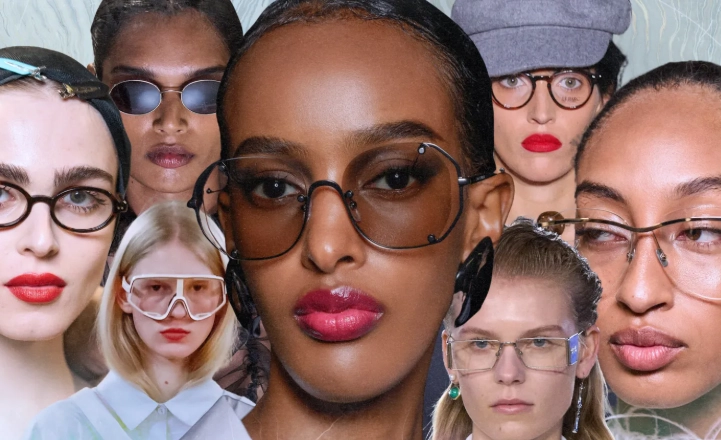
This guide is here to cut through the noise. We're not just talking about what's hot this season (though we'll cover that). We're talking about how to find the pair that actually works for your face, your lifestyle, and your budget. Because the best designer trendy glasses for women are the ones you forget you're wearing—until someone compliments them.
What's Actually "Trendy" Right Now? (Beyond the Hype)
Trends come and go, but some styles have serious staying power. Right now, it's less about one single "it" frame and more about having options. The key is expressive individuality, according to industry reports from sources like The Vision Council, which tracks optical fashion. Think of it as building a glasses wardrobe.
The oversize geometric frame is still a powerhouse. Big, bold shapes—think rectangles, hexagons, and even abstract forms—that make a statement. They're great for adding structure to a rounder face. But here's my take: while dramatic, they can overwhelm petite features. I tried a pair of massive square designer trendy glasses, and they literally covered half my cheeks. Not my best look.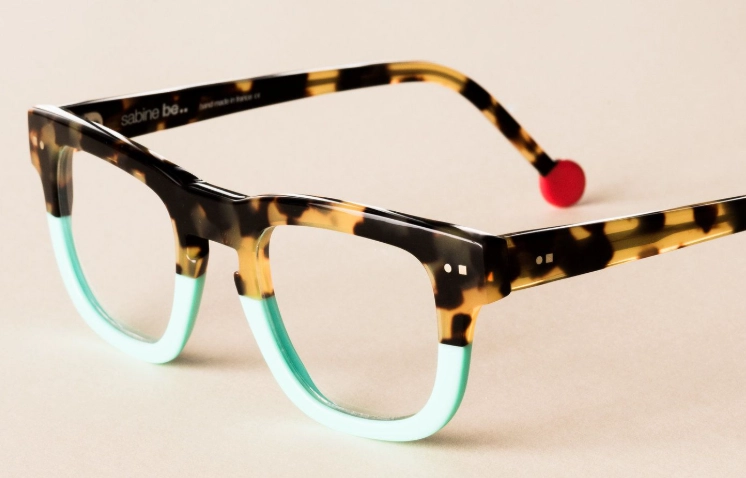
On the flip side, the "thin and delicate" trend is having a major moment. Think wire frames, often in gold or silver, with minimalist detailing. They offer a lighter, more intellectual vibe. Perfect if you want your glasses to be an accent, not the main event. Brands like Lindberg and Mykita have mastered this.
And let's not forget the revival of classic shapes with a twist. The cat-eye is eternal, but now it's bolder, with thicker brows or unexpected color gradients. Wayfarers are being reimagined in translucent materials. It's about familiarity, but with a fresh edge that makes trendy glasses for women feel new again.
Material World: What Are Your Frames Really Made Of?
This is where quality truly separates designer frames from fast-fashion knockoffs. The material affects comfort, durability, and even how the color ages.
| Material | What It Is | The Good Stuff | The Not-So-Good | Best For... |
|---|---|---|---|---|
| Acetate | Layers of plant-based plastic pressed into blocks, then carved. | Incredible color depth & patterns, hypoallergenic, durable, can be adjusted well. | Can be heavier than some metals, might not suit ultra-minimalist tastes. | Color lovers, bold styles, those with metal allergies. |
| Stainless Steel / Titanium | Lightweight, strong metals. Titanium is the premium choice. | Extremely light, strong, corrosion-resistant, sleek look. | Fewer bold color options, can feel "cold," adjustments require more skill. | Active lifestyles, all-day comfort seekers, minimalist aesthetics. |
| Monel / Nickel Silver | Common metal alloys used in many affordable frames. | Inexpensive, easy to adjust, widely available. | Can cause skin reactions (nickel allergy), heavier, may corrode. | Budget-conscious buys (but beware of allergies). |
| Optyl / TR-90 | Space-age, flexible thermoplastics. | Light as a feather, incredibly flexible and resilient, hypoallergenic. | Limited to simpler designs, can't be heat-adjusted like acetate. | Kids, sports performance, anyone who is rough on their glasses. |
I'm personally an acetate devotee. There's a heft and substance to it that feels quality. A good acetate frame, like many from women's designer glasses lines, develops a subtle sheen over time. Cheap plastic just gets scratched and dull.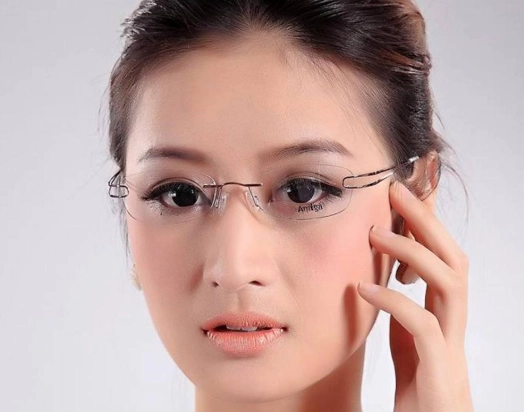
The Million-Dollar Question: How Do I Choose the Right Pair?
Here's where most guides get it wrong. They tell you to "follow your heart." Bad advice. Your heart is seduced by Instagram filters. You need a strategy.
First, figure out your face shape. Stand in front of a mirror, pull your hair back, and trace the outline of your face on the glass with soap (or just look closely). Are your jaw and forehead about the same width? That's oval. Is your jaw significantly wider? That's triangular or heart-shaped. The goal is often to create balance.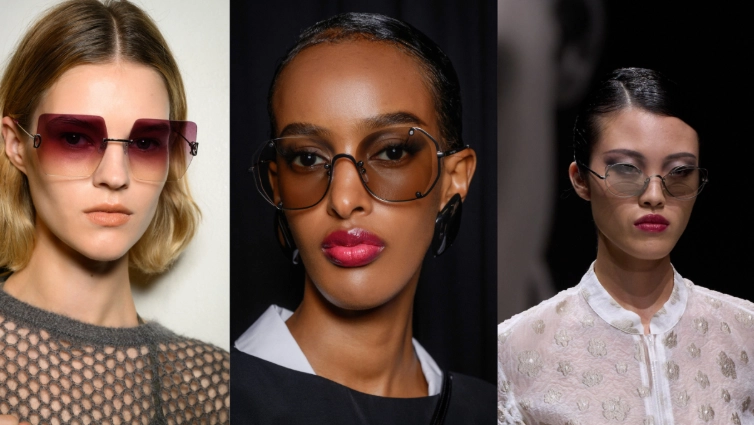
| Your Face Shape | Frames to Embrace | Frames to Approach with Caution | Why It Works |
|---|---|---|---|
| Round | Angular frames (rectangular, square, cat-eye), frames with a strong brow line. | Small, round frames. | Adds definition and structure to soft curves. |
| Square | Round, oval, or aviator shapes, frames with thinner, curved lines. | Harsh, geometric squares. | Softens strong jawlines and adds contrast. |
| Oval | Lucky you! Most shapes work. Focus on proportion—frames as wide as the broadest part of your face. | Frames that are drastically oversized or undersized. | Oval is balanced, so maintain that harmony. |
| Heart | Light-colored or rimless bottom frames, aviators, rounded squares. | Heavy, decorative frames that emphasize the top width. | Draws attention downward, balancing a wider forehead. |
But wait. Your coloring matters just as much. Skin tone, hair color, even your typical makeup palette. Warm skin tones (with yellow or golden undertones) often glow in tortoiseshell, gold, olive, or warm reds. Cool skin tones (pink or blue undertones) shine in black, silver, plum, or blue-toned frames. It's not a rigid rule, but a helpful nudge.
Then there's your lifestyle. Do you work from home on video calls all day? A frame that sits comfortably and doesn't create weird shadows under your eyes is key. Are you constantly running after kids or hitting the gym? Lightweight and flexible materials are non-negotiable. The most designer trendy glasses for women fail if they're a pain to live with.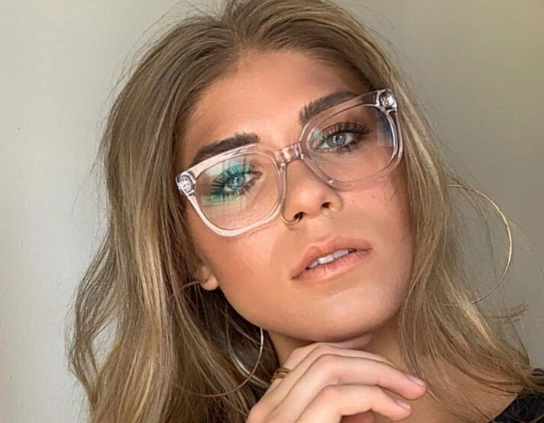
The Part Everyone Skips: Lenses Are Half the Battle
You can spend $500 on frames and ruin them with cheap lenses. It happens all the time. The lens is what you actually see through. This is where technical details from trusted sources like The American Academy of Ophthalmology's public resources become crucial.
First, the index. If you have a strong prescription, a high-index lens (1.67, 1.74) is worth every penny. It's thinner and lighter, so your chic, thin frames won't have Coke-bottle lenses. For weaker prescriptions, standard plastic is fine.
Coatings. This is the secret sauce. Anti-reflective coating (AR) is not optional in my book. It cuts glare from screens and headlights, and it makes your eyes visible behind the lenses. Without it, you just see reflections. Scratch coating is a must for longevity. And Blue light filtering? The science is still debated for general eye health, but many people report less digital eye strain. I use it and notice a difference after long writing sessions.
Pro Tip: Always ask for your AR coating on both sides of the lens. Some cheap labs only coat the back. A quality, multi-layer coating from a brand like Zeiss or Crizal makes a world of difference in clarity.
Navigating the Purchase: Online vs. In-Person
This is the great debate. Online retailers offer convenience and lower prices. I've used them for simple prescription sunglasses. But for your primary pair of designer trendy glasses? I'm team in-person, and here's why.
The fit is everything. An optician measures your pupillary distance (PD), adjusts the nose pads so the glasses sit at the right height, and bends the temples so they don't squeeze your head or slide down. An online purchase is a guess. Even with virtual try-ons, they can't account for how the weight distributes on your nose or the curve of your skull.
Watch Out: Some online shops sell counterfeit designer frames. The quality of the hinges, the etching on the temple, the feel of the material—all off. If a deal seems too good to be true for a brand like Gucci or Tom Ford, it probably is.
That said, a good middle ground is to try on frames in-store to find your perfect shape and size, note the model number, and then see if your local optician can price-match or offer a package deal on frames and lenses. Building a relationship with a local optician pays off in perfect adjustments and expert advice.
Caring for Your Investment (So They Last Years)
You wouldn't throw a silk blouse in the dryer. Don't abuse your designer glasses. Use both hands to take them off to keep the hinges from warping. Clean them with microfiber cloth and lens spray—never your shirt (which has grit that scratches coatings). Store them in a hard case, never loose in your bag where keys can gouge them.
And get them adjusted regularly! Every six months or so, swing by your optician. Frames naturally loosen with wear. A quick, free tweak keeps them fitting like day one.
Answering Your Burning Questions
Finding the perfect pair of designer trendy glasses for women is part science, part art, and a little bit of trial and error. Forget about chasing every micro-trend. Focus on quality materials, a flattering shape for your unique features, and a fit that feels like second skin. When you find that pair, you won't just see better—you'll walk into a room with a quiet confidence that no accessory can match. Now go forth and try some on. Your face will thank you.