Quick Guide
- The Shape of Things: Bold Geometry is Back (With a Twist)
- Material World: Acetate, Metal, and a Greener Conscience
- The Color Palette: From Translucent to Earthy Tones
- Details That Define the Moment
- How to Actually Choose: Your Face Shape & Personal Style
- Beyond Trends: The Practical Stuff Everyone Forgets
- Answering Your Burning Questions
- Wrapping It Up: The Real Trend is Authenticity
You know how it goes. You walk into an optical store or scroll through endless frames online, and suddenly you're paralyzed. Cat-eye or rectangle? Translucent or tortoiseshell? Huge or tiny? It's a lot. I've been there, recently helping a friend pick out new glasses, and the sheer number of "trendy" options was overwhelming. But after digging through style reports, talking to a few opticians, and just observing what people are actually wearing, a clearer picture emerges. The current trend in women's glasses isn't about one single look. It's about having choices that let your personality shine, with a strong undercurrent of nostalgia, playfulness, and a growing conscience about what we're buying.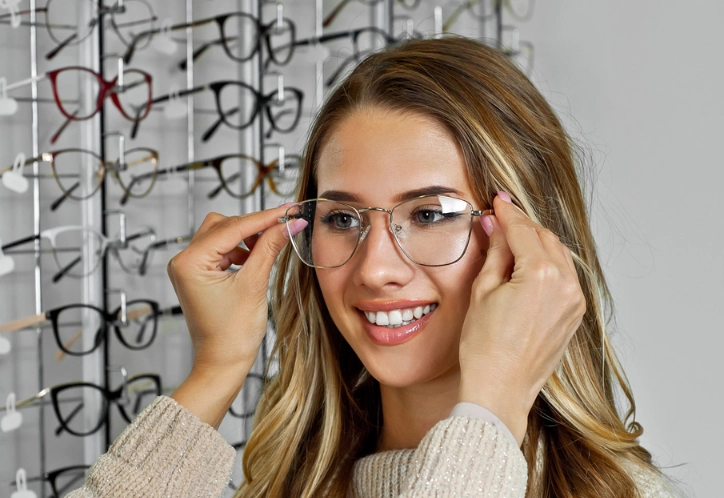
Gone are the days when glasses were just a medical necessity you tried to hide. Now, they're a central fashion accessory, arguably as important as your handbag or shoes. The market reflects this. A recent report by The Vision Council highlights the explosive growth of the fashion eyewear segment, with consumers increasingly purchasing multiple pairs for different occasions. So, asking "what is the current trend in women's glasses?" opens up a fun, multifaceted conversation.
Let's break it down. We'll look at the shapes taking over Instagram, the materials that feel both cool and responsible, the colors that are popping, and the subtle details that make a frame feel modern. More importantly, we'll talk about how to translate these trends into a pair that actually works for your face and life. Because a trend is useless if it makes you look and feel awkward.
The Shape of Things: Bold Geometry is Back (With a Twist)
If you want to pinpoint one dominant force in frame silhouettes, it's the return of bold, geometric shapes. But it's not a blunt copy-paste from the 70s or 80s. Designers are playing with proportions and softening edges.
Oversized Frames: The Statement Makers
Big, bold frames are still holding strong. We're not talking about the bug-eye trend of the early 2000s, but rather sophisticated, oversized rectangles and squares. They offer a cool, intellectual vibe and provide great peripheral coverage. The key to nailing this look is proportion. The frame should be wider than your face at the temples, but the top shouldn't sit so high that they disappear into your eyebrows. I think this trend works best for medium to larger face shapes; on very petite faces, they can sometimes look a bit costume-y, like you're borrowing your professor's glasses.
The Modern Cat-Eye: Less Claw, More Curve
The cat-eye is a perennial favorite, but its current iteration is less about a sharp, dramatic upsweep and more about a gentle, rounded lift at the corners. Think of it as a "kitten-eye." It's flattering on most face shapes because it adds a bit of lift to the cheekbones. This softer take is a great example of how a classic trend evolves to feel fresh again. It's playful without being overpowering.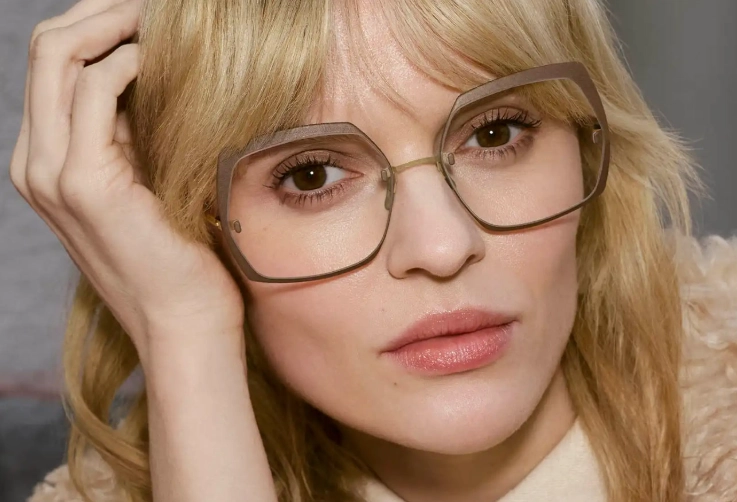
Round Frames: The Intellectual's Choice
John Lennon-esque round frames have settled in as a modern classic. They contrast beautifully with angular face shapes (like square or heart-shaped faces) by softening hard lines. The current trend leans towards thinner metal or acetate rims, avoiding the thick, chunky look. They communicate a creative, thoughtful, and sometimes minimalist aesthetic. Are round frames part of the current trend in women's glasses? Absolutely, but they've moved from a niche, hipster choice to a mainstream staple.
And then there are the hybrids. The browline frame (think: the top half is bold, the bottom half is wire) has made a massive comeback, offering a retro-meets-modern look. Aviators, once strictly for sunglasses, are now being made in prescription-friendly versions with lighter tints or clear lenses.
Material World: Acetate, Metal, and a Greener Conscience
The stuff your glasses are made of is just as trendy as their shape. And here, the story gets interesting.
Acetate is King (and Queen)
High-quality acetate remains the dominant material for fashion frames. It's durable, allows for incredible color and pattern depth (like those lovely marbled and layered effects), and feels substantial. The trend is towards richer, more nuanced colors within the acetate. Not just plain black, but black with hints of burgundy or blue fleck. Not just tortoiseshell, but tortoiseshell with green or gold undertones.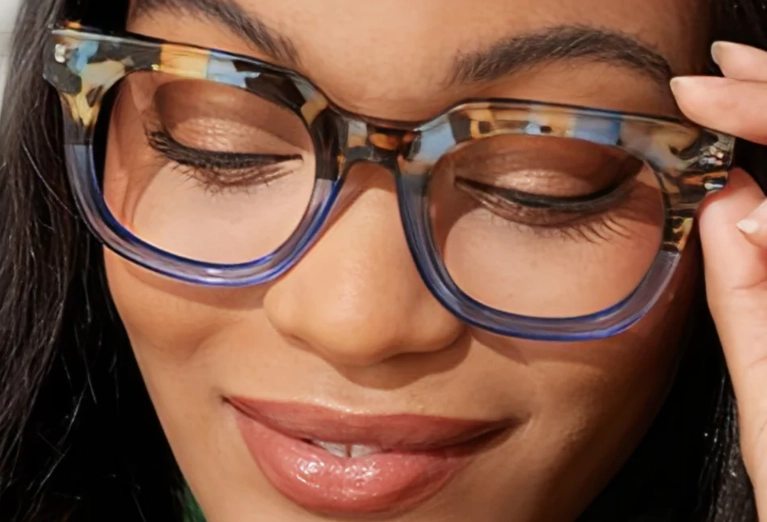
The Rise of Sustainable & Alternative Materials
This is a big one. More brands are answering the call for sustainable fashion. You can now find frames made from recycled ocean plastics, castor oil-based acetates, reclaimed wood, and even biodegradable materials. Brands like ZEISS often partner with frame makers focusing on eco-innovation. This trend isn't just about being "green"—it often results in unique, story-worthy textures and colors you can't get from traditional plastics. It’s a trend that feels good in more ways than one.
Lightweight Metals: Titanium and Memory Alloys
For those who find acetate too heavy or prefer an almost-invisible look, ultra-lightweight metals are huge. Titanium is hypoallergenic, incredibly strong, and can be colored in beautiful ways. Memory metal alloys (like Flexon) that spring back to shape are fantastic for active lifestyles or if you're, well, a bit rough on your glasses (guilty as charged). The trend in metals is toward thinner, more refined silhouettes and mixed finishes—like a matte gunmetal frame with shiny gold hinges.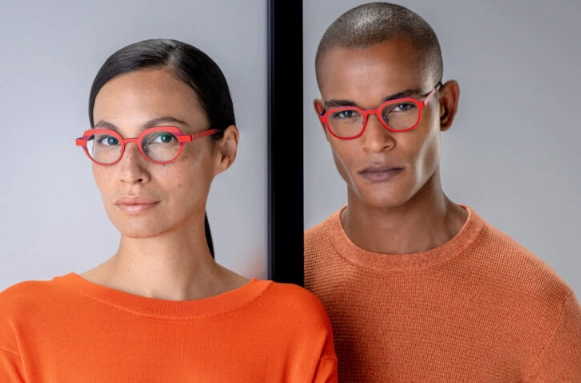
The Color Palette: From Translucent to Earthy Tones
Color is where you can really play with the current trend in women's glasses. The safe black and tortoiseshell are always there, but the fun is on the fringes.
Translucent & Pastel Tints: Clear, blush pink, light blue, and soft amber frames had a major moment and have settled in as a versatile option. They're less harsh than solid colors, add a hint of color without clashing with your outfit, and have a modern, lightweight feel. Perfect for spring and summer, but honestly, they work year-round.
Warm, Earthy Tones: Think terracotta, olive green, mustard yellow, and rich cognac. These colors feel grounded and sophisticated, pairing beautifully with neutral wardrobes. They're a step away from the cool-toned grays and blacks that dominated for a while.
Jewel Tones: For the bold, deep emerald green, sapphire blue, and amethyst purple frames are making statements. These are less "everyday" for most, but incredible as a signature piece or for a second, fun pair.
The New Neutrals: Beyond black, look for dark greens, deep burgundies, and charcoal grays. They function like a neutral but are more interesting and can complement your skin's undertones better than stark black.
My friend ended up choosing a translucent blush pink pair for everyday and a rich, earthy terracotta pair for when she wants to feel more put-together. It’s a great two-pair strategy that covers a lot of bases.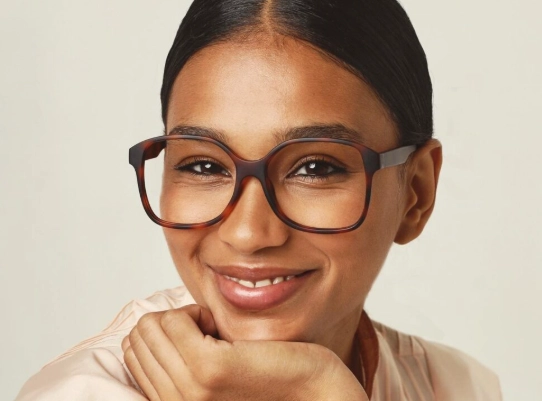
Details That Define the Moment
It's often the little things that make a frame feel current.
- Double Bridges: A bar connecting the lenses across the top of the nose. It gives a distinctive, often retro-futuristic look and adds structural interest.
- Keyhole Bridges: A V-shaped or keyhole-shaped bridge that sits comfortably on the nose without leaving marks. It's a classic detail that's seeing a resurgence, especially in acetate frames.
- Embellished Temples:
I find the keyhole bridge incredibly comfortable, honestly more than a standard saddle bridge. It’s a small detail with a big impact on fit.
How to Actually Choose: Your Face Shape & Personal Style
All these trends are meaningless if you don't know how to apply them. The golden rule is contrast. You generally want to choose frames that contrast with your face's dominant lines to create balance.
| Your Face Shape | Trendy Frames That Flatter | Frames to Think Twice About |
|---|---|---|
| Round (cheekbones and face length are similar, softer angles) | Angular shapes like square, rectangular, or sharp cat-eye. They add definition. | Small, round frames that echo your face shape can make it appear fuller. |
| Square (strong jawline, broad forehead) | Round, oval, or aviator shapes. They soften the angles. Softer, oversized squares can work too. | Small, geometric frames that are too similar to your face shape can exaggerate angularity. |
| Oval (balanced, slightly longer than wide) | Lucky you! Most shapes work. Play with the boldest trends—oversized, geometric, round. | Avoid frames that are too large for your features, which can overwhelm. |
| Heart (wide forehead, narrow chin) | Frames that are wider at the bottom, like cat-eyes or round frames. Low-set temples help. | Heavy, decorative frames on the top (like heavy browlines) can emphasize a wide forehead. |
But honestly? Rules are made to be broken. The most important thing is how you feel in them. Do they feel like "you"? Do you forget you're wearing them? That's the real test.
Beyond Trends: The Practical Stuff Everyone Forgets
Trends are fun, but glasses are a functional item. Ignoring these aspects is a recipe for regret.
Lens Technology is Part of the Trend
The current trend in women's glasses isn't just about the frame. Advanced lens materials and coatings are a huge part of the modern experience. Blue light filtering coatings are standard for digital device users. High-index lenses are thinner and lighter, crucial for strong prescriptions in large frames. Photochromic lenses that transition to sunglasses are more responsive and come in more colors than the old gray/brown options. Anti-reflective coatings are better than ever. When you're investing in a trendy frame, budget for the lenses that will make them a joy to wear all day. The American Optometric Association's consumer site has great resources on understanding lens options.
Fit is Everything
A $500 frame that slips down your nose or pinches behind your ears is a bad buy. The bridge must sit snugly without pressure points. The temples should be long enough to curve comfortably around your ears without squeezing. The width of the frame should align roughly with the width of your face. A good optician will adjust your glasses for a custom fit—use this service!
Seriously, a good adjustment can save a pair of glasses you thought were doomed.
Answering Your Burning Questions
Wrapping It Up: The Real Trend is Authenticity
So, after all this, what is the current trend in women's glasses? It's diversity. It's the freedom to choose between a bold, oversized geometric frame, a delicate wire cat-eye, or a sustainable pair made from recycled materials. It's about color playing a bigger role than ever. It's about frames being an integral, expressive part of your personal style rather than a hidden necessity.
The market is richer and more creative than it's ever been. Don't get overwhelmed by the options—get excited by them. Try on shapes you normally wouldn't. Play with color. Ask about materials. And remember, a great pair of glasses is one you look forward to putting on every morning. That's a trend that never goes out of style.