Quick Navigation
Let's be real for a second. We've all stood in a store or scrolled online, looked at the price tag of a swimsuit, and done a double-take. A few hundred dollars? For what's essentially some fabric stitched together? I remember the first time I saw a bikini priced over a thousand dollars – I laughed, thinking it was a mistake. But then I started digging, talking to people in the industry, and even (gulp) trying a few pieces on. And you know what? The picture gets a lot more complicated, and honestly, more interesting.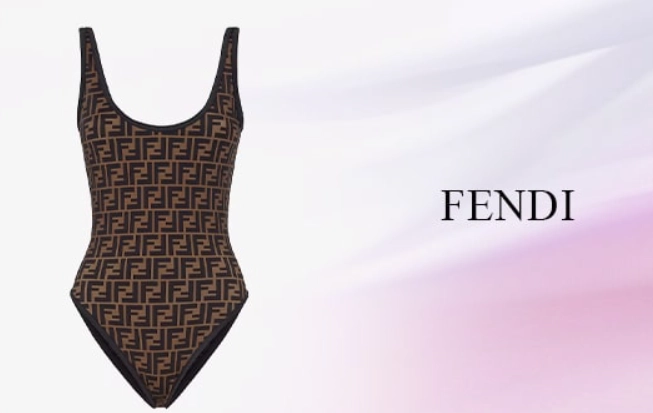
The world of the most expensive swimsuit brands isn't just about slapping a logo on Lycra and calling it a day. It's a universe built on things you can't always see in a product photo: heritage that goes back decades, fabrics you have to feel to believe, and construction techniques that border on obsession. It's about buying a piece of a story, or an engineering marvel for your body. Sometimes it's worth it. Sometimes... it's just a very expensive label. Figuring out the difference is what we're here for.
The Anatomy of a Luxury Price Tag
Before we get to the names, let's break down where your money actually goes. When you're buying from the upper echelon of swimwear, you're not just buying a garment. You're investing in a combination of factors that cheaper brands simply can't, or won't, replicate at scale.
Material World: It's All in the Feel
This is the biggest differentiator, hands down. Forget the standard chlorine-resistant polyester you find at the mall.
Luxury brands often use proprietary fabrics. We're talking Italian-made, digitally printed micro-mesh that feels like a second skin. Or recycled nylon and elastane blends sourced from specific European mills that have been in the fabric game for over a century. Brands like Eres are famous for their signature "Eres" fabric – a unique, matte, incredibly soft material that holds color brilliantly and is designed to dry quickly. You can't get it anywhere else.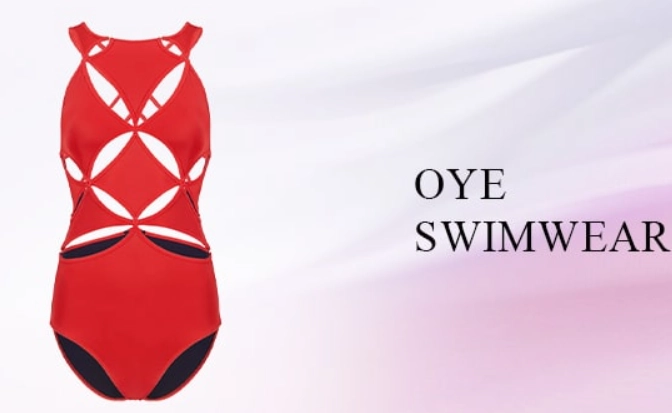
Then there's the hardware. Rust-proof, gold-plated or solid brass rings and clasps instead of plastic. Adjustable ties made from silk or fine cotton, not scratchy nylon. These details seem small, but they're the first things to fail on a cheap suit. On a luxury piece, they're built to last seasons.
Construction: Where the Magic (and Labor) Happens
Mass-produced swimwear is cut and sewn by machines in minutes. The most expensive swimsuit brands often rely on significant hand-finishing. I visited a small atelier once (not for swimwear, but for dresses), and seeing the level of hand-stitching, seam finishing, and quality control changed my perspective entirely.
Seams are often flat-locked or bonded, not just overlocked, to prevent chafing. Linings are carefully tacked in place by hand. Edges are finished with a technique called "piping" or with custom-made bias tape for a clean look. This level of detail requires skilled artisans, not just factory line workers, and that labor cost is a huge part of the equation. A report by the Business of Fashion often highlights how luxury fashion's value is tied to this "artisanal" element, which is scarce and costly.
Design, Heritage, and That Elusive "It" Factor
You're also paying for intellectual property and brand legacy. The creative director's vision, the unique cuts that flatter specific body types (like Marysia's iconic scalloped edges, which are a nightmare to produce consistently), the prints developed in-house by artists – it all adds up.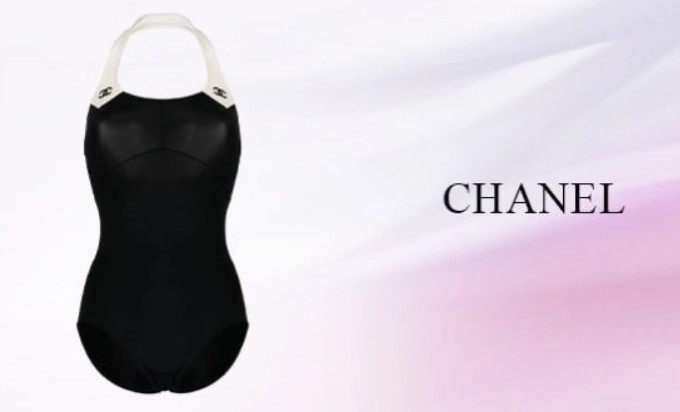
Brands like La Perla carry nearly 70 years of Italian lingerie-making expertise into their swimwear. That heritage isn't just marketing fluff; it's a deep knowledge of how to structure and support the female form with fabric. When Bottega Veneta releases a swim collection, you're buying into the minimalist, luxury-leather-goods aesthetic that Daniel Lee or Matthieu Blazy crafted. The swimsuit becomes an extension of that world.
And let's not forget exclusivity. Limited production runs, made-to-order styles, and exclusive prints mean you're less likely to see five other people at the beach in the same suit. For some buyers, that alone is worth a premium.
The Contenders: A Close Look at the Most Expensive Swimsuit Brands
Okay, let's get to the names you're probably searching for. This isn't just a list; it's a breakdown of what each brand brings to the (very expensive) table. Prices can vary wildly based on style, but we're talking generally in the $300 to $1,500+ range for a single piece.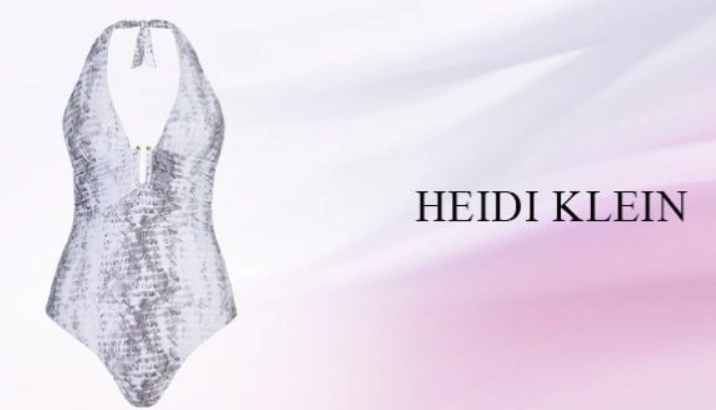
| Brand | Origin / Heritage | Price Range (approx.) | Signature Move / Why It's Pricy | Who It's For |
|---|---|---|---|---|
| Eres | French, founded 1968 | $400 - $1,200+ | Proprietary "Eres" fabric (matte, supremely soft), architectural cuts, minimalist luxury. The gold standard of understated opulence. | The minimalist who values feel and cut over logos. Someone who buys swimwear as a forever piece. |
| La Perla | Italian, founded 1954 | $350 - $900+ | Lingerie-level construction applied to swim. Intricate lace, fine embroidery, sophisticated support. It's haute couture for the beach. | Those who love romantic, detailed, and overtly feminine designs with a touch of decadence. |
| Zimmermann | Australian, founded 1991 | $300 - $700+ | Iconic, artist-designed prints, delicate lace inserts, flouncy silhouettes. You're paying for the print artistry and romantic Aussie vibe. | The print-lover, the romantic. Someone who wants their swimwear to make a bold, feminine statement. |
| Solid & Striped | American, founded 2012 | $150 - $400 | Elevated basics. Perfect fits, high-quality fabrics, timeless silhouettes. Price comes from perfecting the simple things. | The person who wants a flawless, classic suit that will last for years without going out of style. |
| Marysia | Polish-American, founded 2009 | $250 - $500 | The iconic scalloped edge. It's a brand built on a single, complex design detail that requires precise cutting and sewing. | Someone looking for a unique, playful, and instantly recognizable design that's still chic. |
| Vilebrequin | French, founded 1971 | $200 - $600+ | Men's & kids' luxury focus, iconic prints (like the turtle), incredibly soft fabrics. A legacy brand in men's resortwear. | The man (or family) wanting high-quality, fun, and durable swim shorts that are a step above the norm. |
| Bottega Veneta | Italian, founded 1966 | $500 - $1,500+ | The full weight of a mega-luxury fashion house. Minimalist designs, exceptional fabric, and the ultimate luxury "quiet logo" status. | The buyer who wants the pinnacle of fashion-brand luxury without obvious branding. |
Looking at that table, you start to see the patterns. French and Italian brands often lead on fabric technology and heritage craftsmanship (Eres, La Perla). Australian and newer American brands often excel at print and design identity (Zimmermann, Marysia). Then you have the fashion houses (Bottega Veneta), where the swimsuit is part of a much larger, very expensive universe.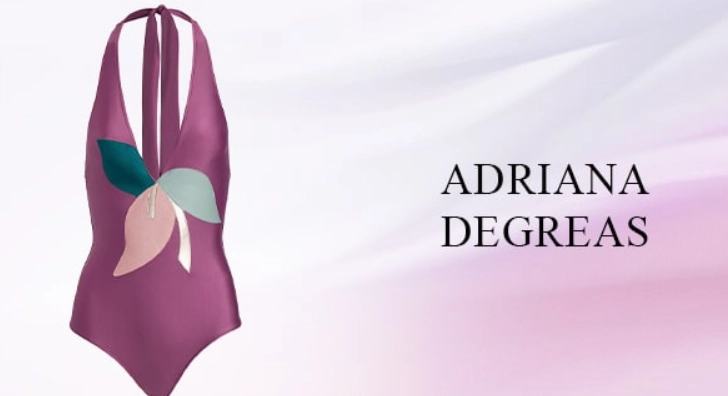
I have a friend who swears by her Eres one-piece. She's had it for five seasons, and it still looks and feels new. She calls it her "uniform" – simple, perfect, and worth every penny for the confidence it gives her. On the other hand, I tried a very expensive, heavily embellished suit from another high-end brand once. It was stunning, but so delicate I was afraid to sit down on a pool chair. That's the other side of the coin.
Beyond the Price: Answering Your Real Questions
This is the million-dollar question (or, more accurately, the several-hundred-dollar question). The answer is: it depends entirely on you.
Worth it if: You view swimwear as a long-term investment, not a disposable seasonal item. You prioritize unparalleled comfort, fit, and fabric feel above all else. You have a specific, hard-to-fit body type and need the superior construction and customization (through adjustable details) that luxury brands offer. You value owning something unique, well-made, and story-driven.
Maybe not worth it if: You're rough on your clothes, lose items easily, or your size fluctuates often. You primarily want the latest trendy print or cut each season. You're buying purely for the logo and not for the underlying quality. There are fantastic contemporary brands in the $100-$250 range that offer great quality and design.
You don't just walk into any department store. Most of these most expensive swimsuit brands are sold through their own flagship boutiques (in major cities like NYC, Paris, Milan, LA), high-end department stores like Bergdorf Goodman, Neiman Marcus, or Harrods, and on their own curated e-commerce sites. Net-a-Porter and MatchesFashion are also excellent online retailers for luxury swimwear, offering great curation and easy returns.
My advice? If possible, try on in person. The fit is everything. If buying online, become best friends with the size chart and read the fabric composition. Look for reviews that mention fit (does it run small? large?). And always, always check the return policy.
Buying a suit from one of the most expensive swimsuit brands comes with responsibility. You can't just toss it in the washer. To protect your investment:
- Rinse Immediately: After every wear, rinse thoroughly in cool, fresh water to remove salt, chlorine, and sunscreen.
- Hand Wash Only: Use a gentle detergent meant for delicates. Never use fabric softener.
- Dry Flat: Never wring it out. Roll it in a towel to absorb excess water, then lay it flat in the shade to dry. Direct sunlight fades even the best dyes.
- Storage: Store it flat or rolled in a drawer. Don't hang it for long periods, as this can stretch the fabric.
It's a bit of a ritual, but it's what ensures your suit stays vibrant and holds its shape for years. The The Laundress (despite past issues, their care advice was always sound) and similar resources emphasize this gentle care for high-end garments.
The Final Dive: Making Your Decision
At the end of the day, the world of the most expensive swimsuit brands isn't about frivolous spending. It's about a different philosophy. It's the antithesis of fast fashion. It's choosing a garment for the way it's made, the way it makes you feel, and the intention behind it.
For some, that will always seem absurd. And that's okay! The fantastic variety in the market means there's something for every budget and priority.
But if you've ever been curious, if you've ever put on a suit that felt like it was molded to you, or seen a design that took your breath away, you understand the allure. These brands are selling more than just swimwear. They're selling confidence, craftsmanship, and a little bit of magic for your time in the sun.
Maybe start with one piece – a bottom or a classic one-piece – from a brand that speaks to you. See how it feels. Notice the details. See how it lasts. That personal experiment will teach you more than any article ever could.