Quick Navigation
We've all been there. You pull your favorite jeans out of the dryer, only to find they've transformed into something fit for a toddler. That sinking feeling is real. Maybe it was a hot wash, a high-heat dry, or just one of those laundry mysteries. The point is, they're tight, they're short, and wearing them feels like a denim-based torture session.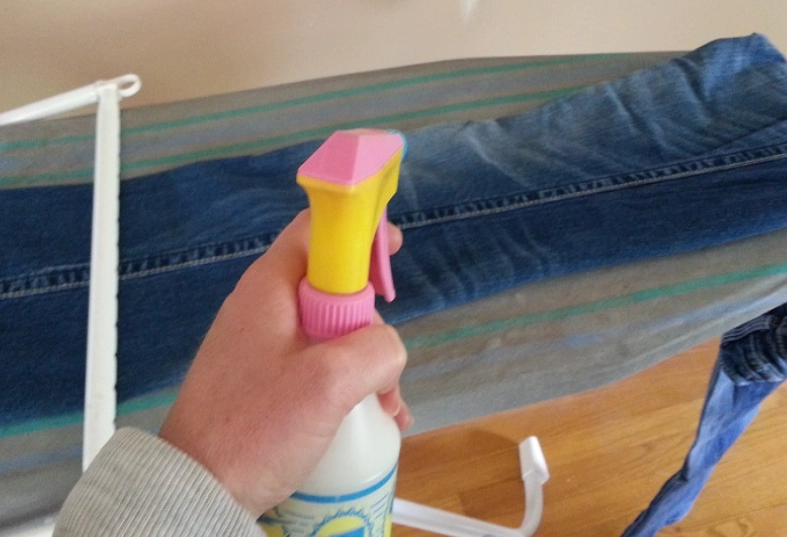
But before you donate them or relegate them to the "DIY shorts project" pile, stop. There's hope. Learning how to unshrink jeans isn't just a laundry hack legend; it's a practical science based on how fabric fibers behave. I've been through this more times than I'd like to admit (that "permanent press" setting lied to me), and through trial, error, and a bit of textile research, I've found what actually works.
This guide isn't about magic. It's about gently coaxing the cotton fibers in your denim back to a more relaxed, wearable state. We'll walk through the why, the how, and the what-not-to-dos. Whether you're dealing with premium raw denim or your everyday stretch jeans, the principles are similar, but the approach needs care.
Why Do Jeans Shrink in the First Place? (The Science Bit)
To understand how to unshrink jeans, you need to know why they shrank. It's not random punishment. Denim is primarily made from cotton. Cotton fibers are like tiny, twisted ropes. When they're woven into fabric and then made into jeans, they're under tension.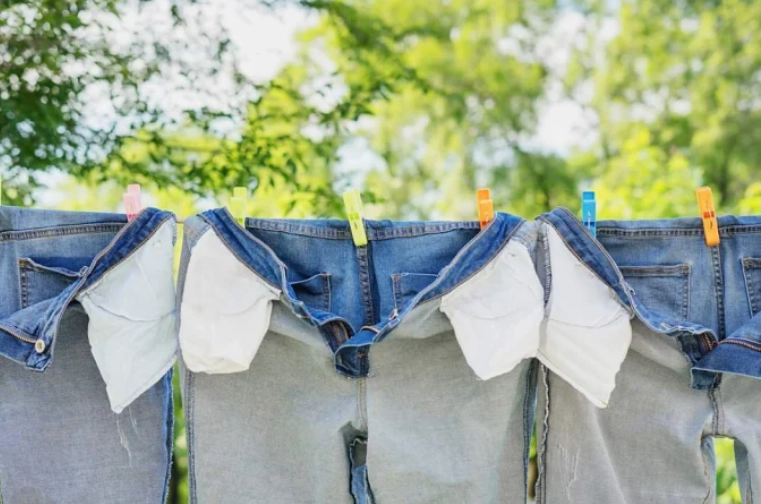
Heat and agitation—from hot water and a spinning dryer—cause these fibers to contract and tighten up. The moisture from washing swells the fibers, and the intense heat of the dryer then rapidly forces that moisture out, locking the fibers in their new, shrunken position. It's like applying a permanent crimp.
Stretch jeans have an extra component: elastane (spandex/Lycra). Heat is the sworn enemy of elastane. High heat breaks down the elastic properties, causing it to lose its snap-back ability. So while the cotton part might shrink, the elastane part gives up, leading to a baggy-yet-tight mess that's particularly hard to fix.
Here’s a quick breakdown of how different fibers react:
| Fiber Type | Reaction to Heat & Agitation | Potential for Unshrinking |
|---|---|---|
| 100% Cotton | Shrinks significantly. Fibers contract and tighten. | High. The fibers can be relaxed and re-stretched. |
| Cotton-Polyester Blend | Shrinks less than pure cotton. Polyester is more heat-stable. | Moderate to High. Focus is on relaxing the cotton portion. |
| Stretch Denim (Cotton + Elastane) | Cotton shrinks, elastane can degrade. Can cause permanent loss of shape. | Moderate. Must be gentle to avoid damaging elastane further. |
| Raw/Selvedge Denim | Sanforized (pre-shrunk) shrinks minimally. Unsanforized is meant to shrink with first wash. | Varies. Unsanforized shrinkage is expected and often permanent in length. |
Knowing your fabric is the first step in choosing the right method to unshrink jeans. A method that's great for heavy 100% cotton denim might be too harsh for delicate stretch jeans.
The Proven Methods: How to Unshrink Jeans Step-by-Step
Alright, let's get to the practical part. These methods work by re-hydrating the fibers and then manually encouraging them to relax and stretch back out before they dry. Patience is your best friend here. Rushing will lead to disappointment.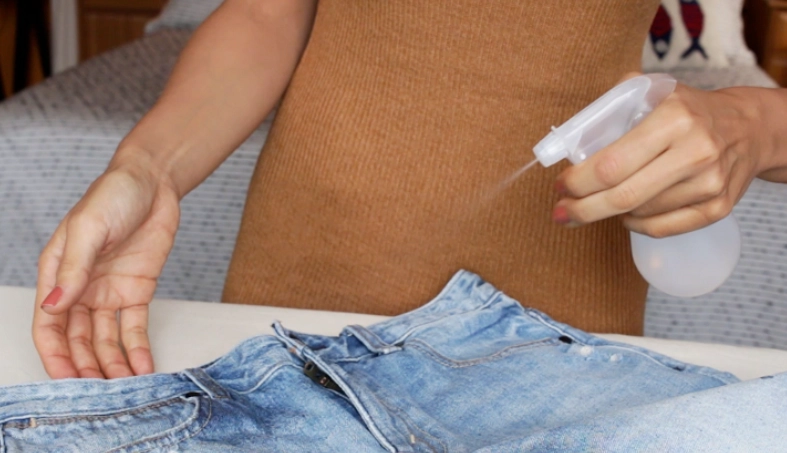
Method 1: The Lukewarm Water & Conditioner Soak (My Go-To)
This is the most reliable method for most jeans. Hair conditioner or fabric softener acts as a lubricant for the fibers, making them more pliable. It's the method I reach for first.
What You'll Need:
- Your shrunken jeans
- A clean bathtub, large sink, or plastic tub
- Lukewarm water (NOT hot)
- Hair conditioner or liquid fabric softener (about 1/4 cup)
- Two large, clean towels
The Process:
- Fill your tub with enough lukewarm water to completely submerge the jeans. Hot water can set the shrinkage further, so stick to lukewarm or even cool.
- Add the conditioner and swish it around to dissolve.
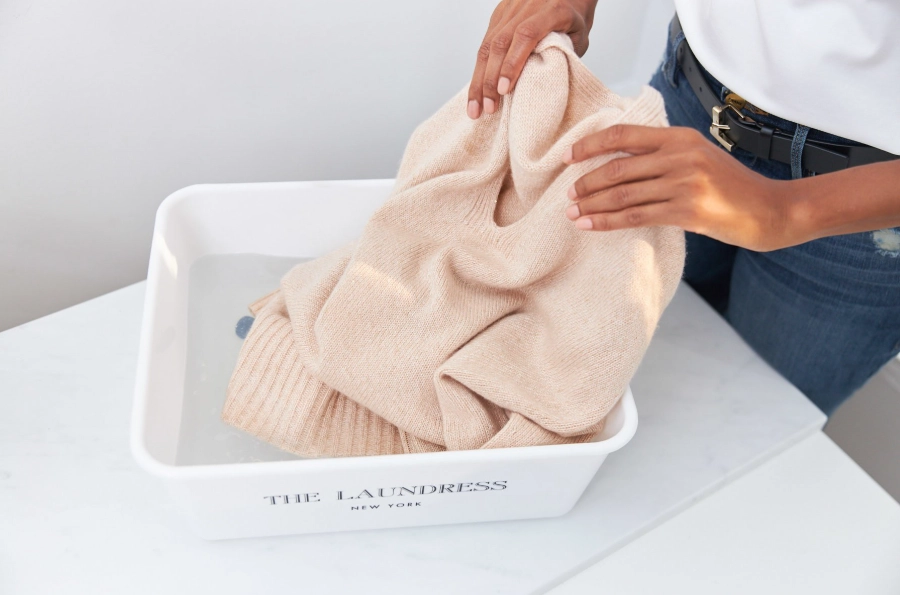
- Submerge the jeans fully. Gently press out any air bubbles. Let them soak for at least 30 minutes, up to an hour. Don't just leave them and forget them; agitate them gently with your hands every 10 minutes or so.
- After soaking, drain the water. Do not wring the jeans. Wringing can distort the fabric. Instead, gently press them against the side of the tub to remove excess water.
- Lay one of the large towels flat on the floor. Place the wet jeans on top, arranging them in their natural shape.
- Now, the most important part for learning how to unshrink jeans: Start gently stretching. Focus on the length first. Grab the waistband and the cuff and pull gently but firmly along the seams. Do this along the entire length. Then, focus on the width—the hips, thighs, and calves. Work systematically. You're not trying to tear them, just coax them back to their original dimensions.
- Once you've stretched them, roll them up in the first towel to absorb more moisture.
- Lay the second dry towel flat and transfer the jeans. Reshape them and do a final light stretch. Let them air dry flat, away from direct heat or sunlight. As they dry, you can occasionally give them another gentle tug in problem areas.
Method 2: The Steamy Shower Technique (For Minor Shrinkage)
This is a great low-commitment method if the shrinkage isn't too severe, or if you're nervous about a full soak. It uses steam to relax the fibers.
Simply hang your jeans in the bathroom while you take a hot shower (keep them away from direct water spray). The steam will permeate the fabric. After 10-15 minutes of steam, put the jeans on while they're still warm and damp. Yes, put them on. Carefully move around, do some lunges, sit down, and let your body help stretch them back into shape. Wear them until they are mostly dry. It feels a bit odd, but it works surprisingly well for easing tight thighs or waistbands.
This method is less effective for major length shrinkage, but it's a fantastic first attempt for slight tightness.
Method 3: The Professional's Trick: Using a Wet Press Cloth
This method is more targeted and is reminiscent of what a tailor might do. It's excellent for addressing specific areas like a tight waistband or calves.
- Dampen a clean, thin cloth (like a cotton handkerchief or pillowcase). Wring it out so it's moist, not dripping.
- Lay your jeans flat on an ironing board. Place the damp cloth over the area you want to unshrink (e.g., the entire waistband).
- Set your iron to a medium heat with steam. Do not use the cotton/high setting—too much heat is counterproductive.
- Press the iron down onto the damp cloth, holding it for 5-10 seconds. The steam and moderate heat will relax the fibers.
- Immediately after pressing, use your hands to gently stretch the warmed area. Hold the stretch for a few seconds. Repeat as needed, moving the damp cloth to new sections.
What NOT to Do: Common Mistakes When Trying to Unshrink Jeans
In your desperation, you might be tempted to try anything. Avoid these pitfalls—they can make the problem worse or ruin your jeans permanently.
- Don't Use Boiling Water: It seems logical—use heat to reverse heat damage. It's wrong. Extreme heat will set the shrinkage further, essentially cooking the fibers into their shrunken state.
- Don't Mechanically Stretch Dry Jeans: Trying to forcefully stretch bone-dry jeans can overstress the threads, leading to popped seams, torn belt loops, or a distorted fit. The fibers need to be softened with moisture first.
- Don't Put Them Back in the Dryer on High Heat: "I'll just dry them on low with a tennis ball to stretch them out." No. The tumbling action and even low heat can continue the shrinking process. Always air dry after attempting to unshrink.
- Don't Use Harsh Chemicals: Bleach, strong detergents, or vinegar (in high concentrations) can weaken cotton fibers during this vulnerable, wet state, leading to thinning or holes.
Prevention is Better Than Cure: How to Avoid Shrinking Jeans Altogether
Once you've gone through the hassle of learning how to unshrink jeans, you'll want to avoid a repeat performance. Proper care is simple.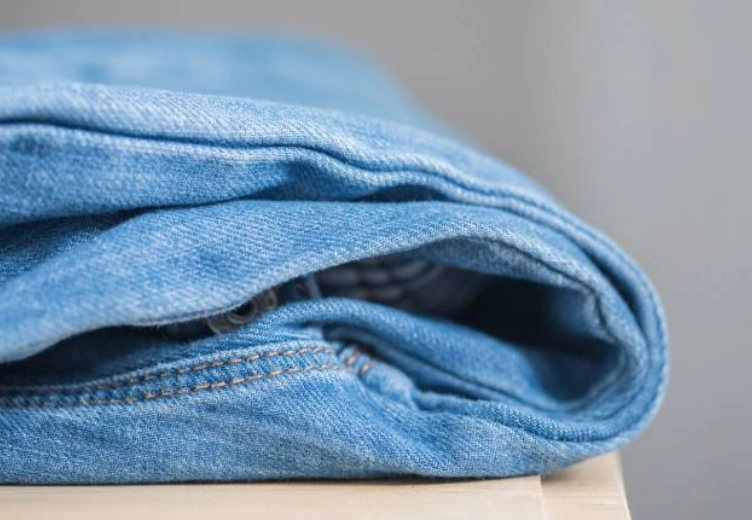
Always, always, check the care label. It's not a suggestion; it's the manufacturer's instructions for that specific fabric blend. The International Association for Textile Care Labelling (GINETEX) maintains standards for these symbols globally, so they're a reliable guide.
Wash jeans in cold water on a gentle cycle. Cold water cleans effectively without causing fiber contraction. Turn them inside out to protect the color. And the golden rule: air dry them. Hang them on a line or a drying rack. If you must use a dryer, use the absolute lowest heat setting (or no heat, just air fluff) and remove them while they are still slightly damp. Let them finish drying on your body or laid flat.
Honestly, I wash my jeans far less often than other items. Spot cleaning and airing them out between wears preserves the fabric, color, and fit immensely. The folks at CottonWorks, an educational resource by Cotton Incorporated, have tons of technical info on why cotton behaves the way it does, which reinforces these care tips.
Frequently Asked Questions (FAQs)
The Bottom Line
Learning how to unshrink jeans is a valuable skill that can save you money and heartache. It demystifies what feels like a laundry disaster. The core principle is universal: relax the fibers with moisture and gentle heat, then manually guide them back to shape before they dry. The conditioner soak method is your most reliable bet for significant shrinkage.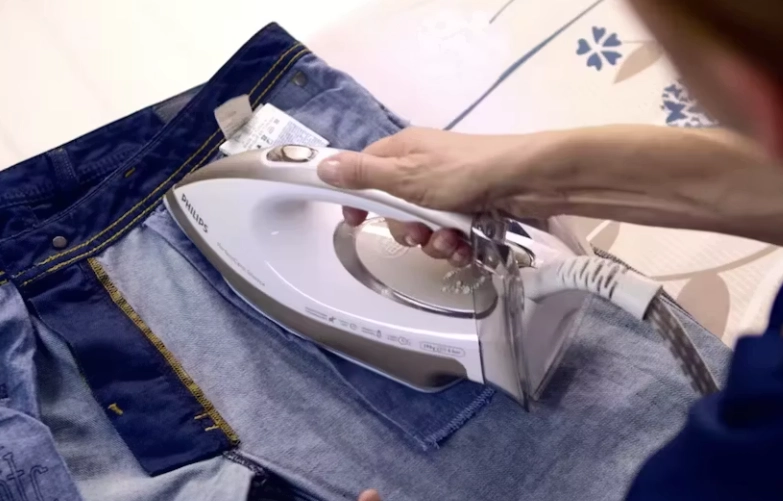
Remember, the goal isn't always perfection. It's wearability. If your jeans are just a bit snug after a wash, the steam method might be all they need. If they're full-on capris, break out the tub and the conditioner.
The best result I ever had was with a pair of rigid, non-stretch jeans. They came back almost perfectly. With stretch jeans, I managed to recover the fit in the cotton portions, but the elastane had lost some life—they were wearable but not as snug as before. That's just the nature of the fabric.
So next time you pull a shrunken pair from the dryer, don't panic. Grab some conditioner, be patient, and give those fibers a chance to relax. You might just be surprised. And then, promise yourself you'll always, always air dry.