Quick Guide
- Why Do Jeans Shrink? It's All in the Fibers
- How Washing Actually Causes Jeans to Shrink
- So, Why Do Jeans Sometimes Get Bigger or Stretch Out?
- The Practical Guide: How to Wash Jeans to Prevent Shrinkage
- How to Fix Jeans That Have Already Shrunk
- Special Cases and Your Burning Questions Answered
- The Final Verdict on Your Jeans
I remember the first time it happened to me. A perfect pair of jeans, fitting like they were tailor-made. Then, after what I thought was a normal wash, they felt like they were made for someone a size smaller. Tight, uncomfortable, and frankly, a bit depressing. On another occasion, a different pair came out of the dryer feeling baggy and loose, losing all their shape. Sound familiar? It's the classic denim dilemma that's probably why you're here. So, do jeans shrink or expand after washing? The frustratingly accurate answer is: they can do both. But why does this happen, and more importantly, how can you control it? Let's dig into the real story, beyond the myths and laundry tag confusion.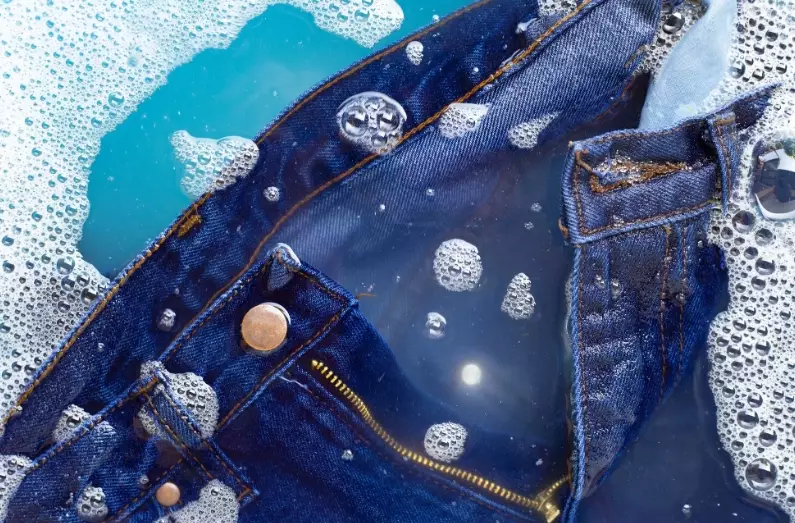
It's not magic, and it's not your washing machine having a grudge against your favorite wardrobe staple. The behavior of your jeans in the wash is a direct result of science—fiber science, fabric construction, and the physics of heat and water. Understanding this is the first step to never having a laundry-day denim disaster again.
Why Do Jeans Shrink? It's All in the Fibers
To get why your jeans might get smaller, you need to think small. Really small. Think about the individual fibers that make up the cotton in your denim. Cotton fibers are natural, and their structure is like a twisted ribbon. When the fabric is woven and then later finished at the mill, these fibers are under tension. They're stretched out.
Now, introduce water and heat. Water molecules penetrate the fibers, causing them to swell. Heat then provides the energy that allows the tense, stretched-out fibers to relax and return to their natural, shorter state. This relaxation is permanent shrinkage. The heat essentially "sets" the fibers in this new, shorter configuration. This is why the first wash is often the most dramatic. The technical term for this is "relaxation shrinkage," and it's the main culprit when you ask, "Do jeans shrink in the wash?"
But it's not just cotton. The blend matters. A lot.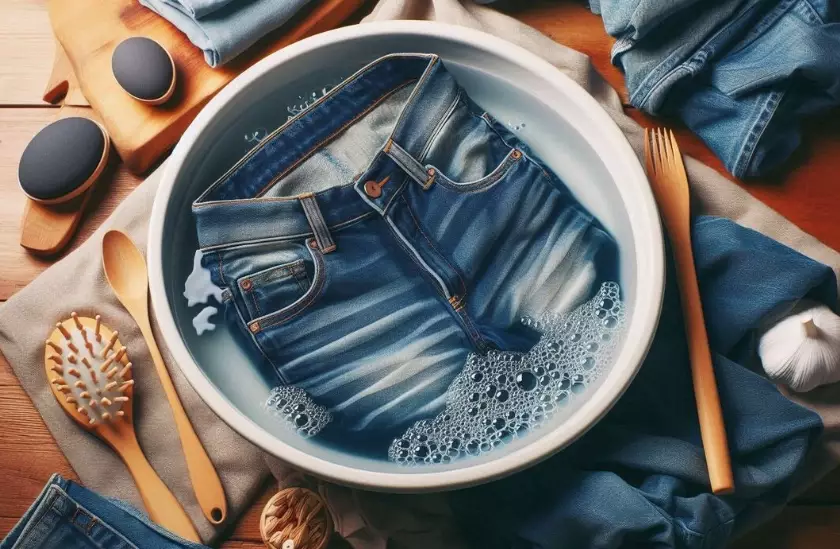
The Fabric Blend Breakdown: What's Your Jeans Made Of?
Not all denim is created equal. The tag that says "98% Cotton, 2% Elastane" is your first clue to predicting the wash-day behavior. Here’s how different fibers react:
| Fiber Type | Shrinkage Tendency | Expansion/Stretch Tendency | Care Notes |
|---|---|---|---|
| 100% Cotton | High. The king of shrinkage. Expect noticeable, permanent shrinkage in length and width, especially with heat. | Low initial stretch, but will bag out. They stretch with wear in stress areas but lack recovery, leading to a baggy feel over time. | Cold wash, air dry is non-negotiable to maintain size. |
| Cotton + Elastane/Spandex (e.g., 98/2, 99/1) | Moderate. The cotton will try to shrink, but the synthetic elastane resists it. Overall shrinkage is less than pure cotton. | High recovery. The whole point! They stretch with movement but snap back to shape. Resist bagging out at the knees. | Heat is the enemy of elastane. High heat from dryers will degrade the spandex, killing its stretch and recovery permanently. |
| Polyester/Cotton Blends | Very Low. Polyester is a synthetic fiber highly resistant to shrinkage from water and heat. | Low. They hold their shape well but don't have the comfortable give of elastane blends. | Very easy-care. More resistant to wrinkles and shrinkage. |
| Raw/Selvedge Denim (100% Cotton) | Very High & Intentional. These are sold unwashed and unsanforized (not pre-shrunk). The first wash causes significant, controlled shrinkage to achieve a custom fit. | Will mold to your body. They stretch and form to your unique shape in precise areas with wear. | A whole specialized process. Often involves a initial soak ("soak") and then minimal washing for months. |
See? That "2%" makes a world of difference. I made the mistake of tossing a pair of expensive stretch jeans in a hot dryer once. The elastane fibers melted just enough to lose their spring. They never hugged my legs the same way again—they just hung there, sad and overstretched. A total waste.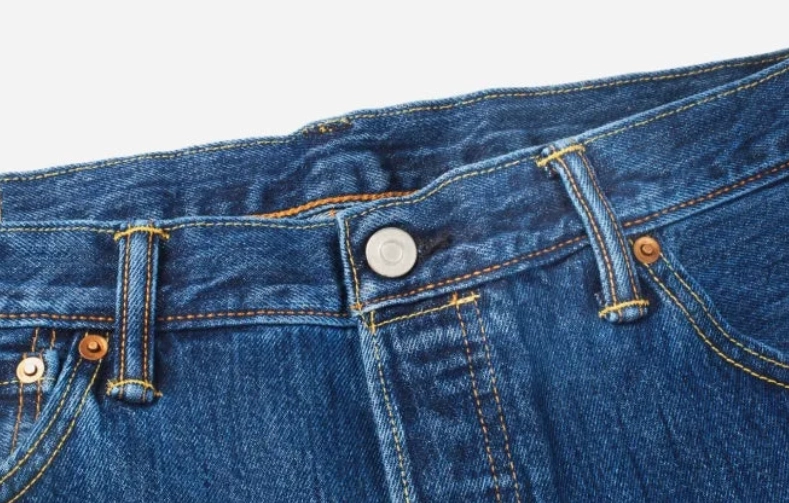
How Washing Actually Causes Jeans to Shrink
Let's walk through the process. You throw your jeans in the machine. Here’s what happens at each stage that answers "do jeans shrink or expand after washing":
1. The Agitation & Water Temperature: This is where it starts. Hot water (above 130°F/54°C) is the primary driver of cotton shrinkage. It aggressively opens up the fiber scales and allows them to relax. Warm water causes mild shrinkage. Cold water (below 85°F/30°C) minimizes it. The agitation of the wash cycle helps the water and heat penetrate every part of the fabric evenly.
2. The Spin Cycle: This doesn't cause shrinkage directly, but it matters. A high-speed spin can twist and wring the fabric while it's in a vulnerable, swollen state. This can sometimes lead to distortion or set wrinkles in a weird way. A medium spin is gentler.
3. The Dryer: The Shrinkage Amplifier
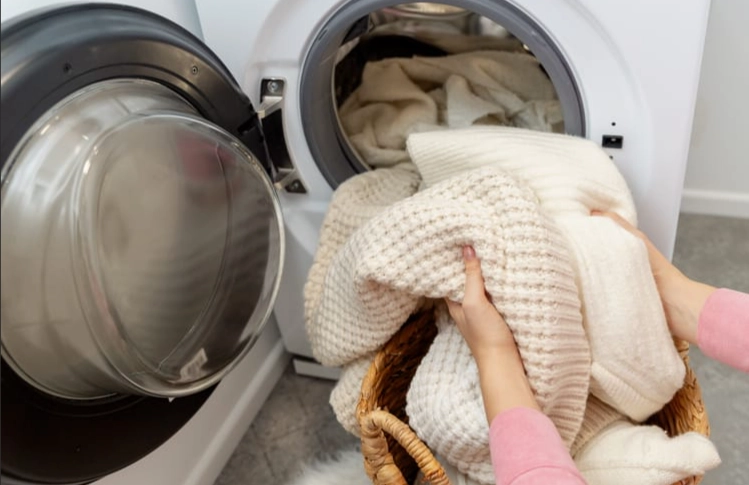
This is the big one. If hot water is the catalyst, the dryer is the accelerator. Tumbling in a high-heat dryer applies continuous, intense heat to the already-shrinking fibers, locking in that smaller size. It also causes mechanical stress as the jeans are tossed around. The combination is a guaranteed recipe for smaller jeans. Even "no-heat" or "air fluff" settings involve tumbling, which can still cause wear and stretching in a random way.
So, Why Do Jeans Sometimes Get Bigger or Stretch Out?
This is the other side of the coin. You wash them, and suddenly they're looser. This isn't expansion from washing; it's stretching from wear that the wash didn't reset. Think of denim like a memory foam mattress. When you sit, squat, or move, you apply force to the fibers, stretching them. With 100% cotton, those fibers have poor "memory" or recovery—they stay stretched out. This is "bagging out," especially at the knees.
With stretch jeans, the elastane is designed to snap back. But with each wash, especially a warm or hot one, you degrade that elastane a tiny bit. Over time, it loses its ability to recover fully. So while the initial wash might shrink the cotton component, the long-term effect of repeated washing and drying is a gradual loss of shape, making them feel bigger in a sloppy way, not a comfortable way.
Ever notice how your jeans feel tighter in the morning and looser by the end of the day? That's the daily micro-stretch cycle. A wash in cold water and a flat dry should, in theory, reset them close to their original state. Heat prevents that reset.
The Practical Guide: How to Wash Jeans to Prevent Shrinkage
Okay, enough theory. What do you actually do? Here’s a step-by-step method that works. I've tested this on everything from cheap department store jeans to premium raw denim.
- Turn Them Inside Out. This protects the outer dye from fading too quickly and reduces abrasion on the surface that causes wear lines.
- Use Cold Water. Always. Select the cold/cold setting on your washer. This is your number one defense against shrinkage.
- Choose a Gentle Cycle. Use the delicate or gentle wash setting. Less agitation means less stress on the fibers.
- Use a Mild Detergent. Skip the heavy, fragrant detergents. A small amount of a gentle, liquid detergent is plenty. You can even use a specific denim detergent if you're into it.
- Skip the Fabric Softener. Seriously, don't. It coats the fibers, can break down elastane, and often makes denim feel weird and less breathable.
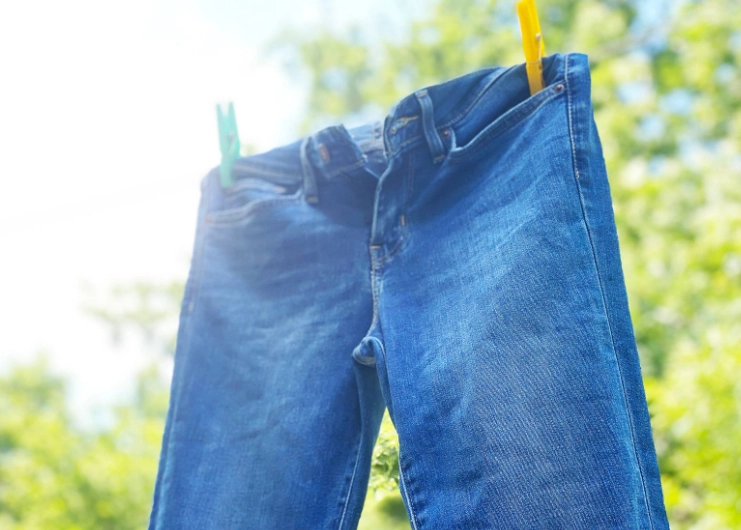
- Air Dry. Every. Single. Time. This is non-negotiable. Lay them flat on a drying rack or hang them by the waistband (not the legs, as this can stretch the wet fabric). Keep them out of direct sunlight to prevent fading.
How often should you wash? Way less than you think. For non-stinky, non-dirty jeans, airing them out is often enough. I'll wear a pair 5-10 times before a wash, easy. Spot clean spills immediately. This minimal washing philosophy is huge for preserving fit, color, and the fabric's integrity.
How to Fix Jeans That Have Already Shrunk
All is not lost if your favorite pair has become a bit too "snug." You can't reverse permanent relaxation shrinkage, but you can coax some of the fibers to stretch back out. Here’s what you can try, in order of aggressiveness:
The Gentle Re-Stretch: While the jeans are slightly damp (not soaking wet) from a cold wash, put them on. Move around in them—do some lunges, squats, gently pull at the waist and thighs. Wear them until they are mostly dry. Your body will help stretch them back to a wearable shape. This works best for minor shrinkage.
The Conditioner Soak: Fill a bathtub or large basin with lukewarm water (not hot!). Add a capful of hair conditioner or a fabric softener (this is the one time it's okay!). The conditioner acts as a lubricant for the fibers. Soak the jeans for 15-30 minutes. Then, without rinsing, gently try to stretch the fabric with your hands, focusing on tight areas. Lay them flat to dry. Don't expect miracles, but it can help.
Professional Alteration: If the length is the main issue, a tailor can often let out the hem if there's enough fabric allowance. For width, options are very limited and expensive. Usually, it's not feasible.
Honestly, prevention is infinitely easier than the cure. Once those cotton fibers have relaxed and been heat-set, their new, shorter state is pretty much permanent.
Special Cases and Your Burning Questions Answered
Do Raw or Selvedge Denim Jeans Shrink?
Absolutely, and intentionally. This is a whole different world. Unsanforized raw denim is sold in its dry, loom-state. The first soak or wash causes massive, controlled shrinkage (typically 3-10% depending on the fabric). Enthusiasts buy them sized up to account for this. The process, called the "initial soak," is a ritual. After that, they are washed very infrequently (every 6+ months) to maintain high-contrast fades and fit. When you finally do wash raw denim, use cold water and air dry to minimize further shrinkage.
Do Jeans Shrink More in Length or Width?
Usually more in length (the inseam). The warp yarns (the lengthwise threads) in denim are typically under more tension during weaving. When they relax, the length contracts more noticeably. Width (especially the thigh and seat) can shrink too, but you often feel the length first—your jeans become "high waters."
Can You Shrink Jeans on Purpose?
Sure, if you want to. The method is simple: do everything we said to avoid. Wash in hot water. Dry on high heat. Repeat if necessary. This is a blunt instrument, though. It's hard to control, and you risk damaging the dye, weakening the fabric, and ruining any stretch properties. It's better to buy the right size.
The Final Verdict on Your Jeans
Do jeans shrink or expand after washing? The initial movement for most jeans, particularly cotton-based ones, is toward shrinkage, driven by water and heat relaxing the tense fibers. The long-term movement, through wear and tear on the fibers, is toward expansion or losing shape (bagging out). Your care routine dictates which force wins.
If you blast them with heat, shrinkage dominates. If you baby them with cold washes and air drying, you minimize shrinkage and allow them to maintain their intended shape far longer, slowing the bagging-out process. The question "do jeans shrink in the wash" is really a question about your laundry habits.
It boils down to this: treat your denim like the investment it is. Whether it's a $30 pair or a $300 pair, a little care goes a massively long way. Ditch the dryer, embrace the cold wash, and wash them less. Your jeans will fit better, look better, and last for years longer. And you'll never have to do the awkward "shrunken jeans shuffle" again.
Now, go check those care labels.