Quick Guide
Let's be honest. We've all been there. You find the perfect pair of jeans, wear them a bunch, and then... they start to sag. The knees bag out, the waist feels a bit loose, and that once-perfect fit is just a memory. It's frustrating. You start typing furiously into Google: how to shrink jeans permanently. The results are a mess. Some say boil them, some say just use the dryer, others warn you'll ruin them completely.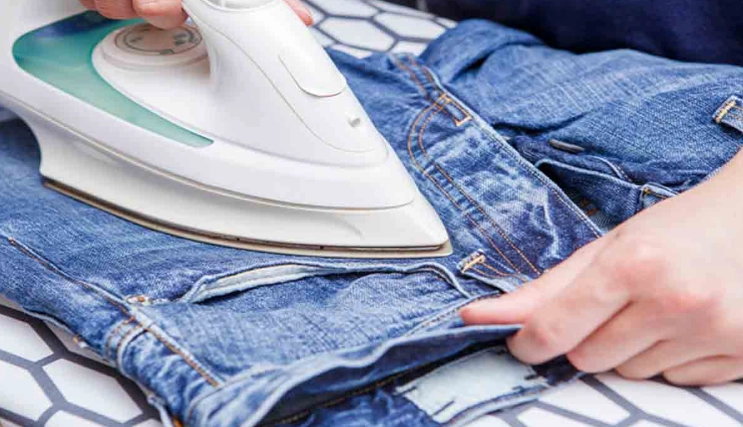
I've been through this myself. I had a beloved pair of raw denim that stretched way too much after the initial break-in. I tried things, messed up a pair of cheap jeans in the process (RIP, old buddies), and eventually figured out what actually works. It's not magic, it's fabric science and a bit of careful experimentation.
This guide is that experiment, written down. We're going to cut through the noise and talk about how to shrink jeans permanently for real. We'll look at why jeans stretch, what "permanent" really means with denim, and walk you through every method, from the simple to the more involved. I'll also tell you when it's probably not worth the risk.
The Core Idea: Permanent shrinkage in jeans isn't about destroying the fabric. It's about resetting the cotton fibers' tension by applying heat and moisture, causing them to contract and—hopefully—stay that way. The keyword is hopefully. Not all jeans are created equal.
Why Do Jeans Stretch in the First Place? (The Science Bit)
Before you try to reverse it, it helps to know what's happening. Denim is primarily cotton. Cotton fibers are natural and have a degree of elasticity. When you wear jeans, the constant pressure from your movements—sitting, walking, bending—slowly pulls and stretches these fibers. Over time, they don't snap back fully.
Think of it like a spring that gets worn out.
Modern jeans make this worse. Many have stretch fibers like spandex or elastane woven in (even 1-2% makes a big difference). While comfy, these synthetic fibers are designed to stretch and recover. But with enough wear and heat from your body, even their recovery ability fatigues. They get longer and stay longer.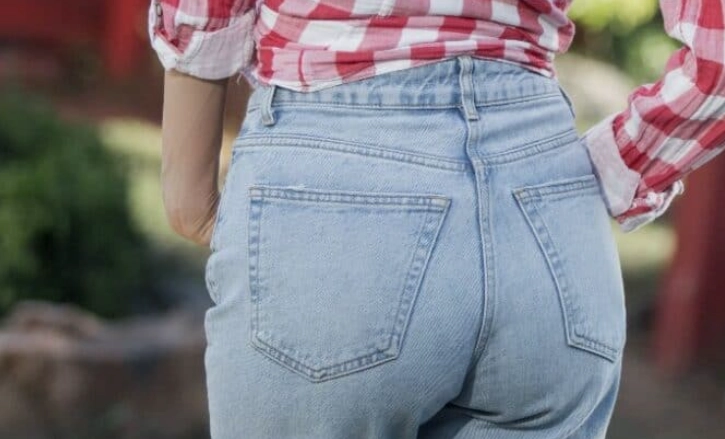
So, when we talk about how to shrink jeans permanently, we're really talking about shocking those cotton fibers into contracting tighter than their current "stretched" state and getting any synthetic fibers to tighten up, if possible.
Not All Denim Will Shrink Equally
This is the most important thing to understand. Your results depend heavily on what your jeans are made of.
- 100% Cotton (Especially Unsanforized/Raw Denim): The gold standard for shrinking. This fabric hasn't been pre-shrunk much by the manufacturer. It can shrink significantly (up to 10% in some cases) and the results are more likely to be lasting. If you want to know how to shrink jeans permanently, starting with 100% cotton gives you the best shot.
- Cotton Blends (With Polyester/Rayon): These are trickier. Polyester is very resistant to heat shrinkage. You might get minor shrinkage from the cotton content, but the polyester will fight it. Results are inconsistent.
- Stretch Denim (Cotton + Elastane/Spandex): Ah, the big question. Can you shrink jeans with stretch in them? Yes, but not permanently in the same way. The heat can damage the elastic fibers (lycra, spandex), causing them to break down or lose their elasticity. You might get initial shrinkage, but the jeans can quickly stretch back out with wear because the elastic is compromised. Sometimes they just don't shrink much at all. It's a gamble.
Your Method Toolkit: How to Shrink Jeans Permanently, Step-by-Step
Okay, let's get practical. Here are the main methods, ranked roughly from most effective/common to most aggressive. Remember, always check the care label first. It's not just a suggestion; it tells you what the manufacturer thinks the fabric can handle. Ignoring it is how you end up with doll-sized jeans.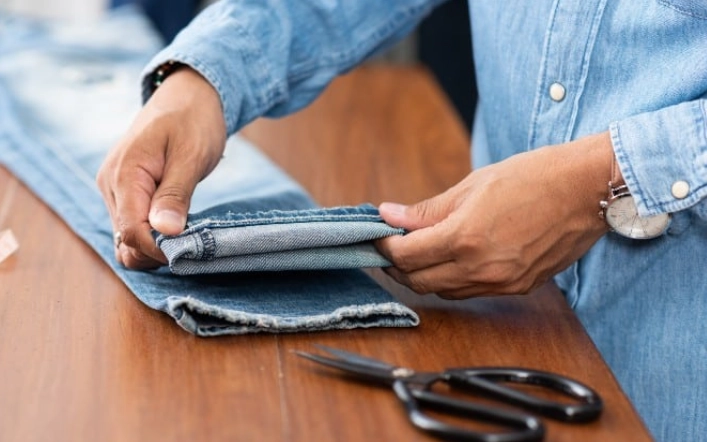
Method 1: The Hot Wash & High Heat Dryer (The Standard Approach)
This is the go-to for most people wondering how to shrink jeans at home. It combines agitation, hot water, and high heat.
- Turn your jeans inside out. This protects the outer dye and finish from excessive friction and fading.
- Set your washing machine to the hottest water temperature available (usually labeled "Hot" or around 60°C/140°F). Use a normal or heavy-duty cycle for maximum agitation.
- Add a small amount of regular detergent. You can skip fabric softener, as it can coat fibers and potentially inhibit shrinkage.
- Once the wash is done, immediately transfer the jeans to the dryer.
- Set the dryer to the highest heat setting (like "Cotton" or "Heavy Duty"). Dry them completely. Don't stop halfway; the full heat cycle is key.
- Check the fit while they're still warm. Try them on. This is your new baseline.
What to expect: This method typically yields 3-7% shrinkage in 100% cotton jeans. It's effective for overall sizing down. For a more nuanced look at fabric care during washing, the American Cleaning Institute has general guidelines on how heat and agitation affect textiles.
But what if you don't have a dryer, or you're nervous about the tumble?
Method 2: The Boiling Water Pot Method (Precision Shrinking)
This is more hands-on and great if you want to target a specific area, like the waistband or thighs, or if you're dealing with a very stubborn, thick pair of denim. It's also the classic answer for how to shrink jeans permanently without a dryer.
- Fill a large pot (big enough to submerge the jeans) with water and bring it to a rolling boil.
- Using tongs, carefully submerge your jeans. You can do the whole pair or just hold the area you want to shrink in the water.
- Let them boil for 20-30 minutes. Agitate them with the tongs occasionally.
- Carefully remove the jeans (they will be extremely hot).
- You have two options here:
- Option A (For Maximum Shrinkage): Wring them out (carefully, with oven mitts) and then toss them in the dryer on high heat until bone dry.
- Option B (For More Control): Let them cool slightly, then put them on while still damp and wear them until they dry. This molds the shrinkage directly to your body. It's uncomfortable but can give a great custom fit.
My take: This method works, but it's harsh. It can lead to more uneven color loss (particularly in indigo denim) and stresses the seams. I'd only use it on durable, 100% cotton jeans where other methods failed.
Method 3: The Bathtub or Soak Method (Gentler Overall Shrink)
Less aggressive than boiling, but still effective. Good for a slight overall reduction.
Fill a bathtub or a very large basin with the hottest water from your tap. Submerge the jeans completely, weighing them down with something clean if needed. Let them soak for 45-60 minutes. The longer the soak, the more penetration you get. After soaking, drain the water, press out the excess (don't wring aggressively), and then dry on high heat. The shrinkage here is more subtle, maybe 1-3%.
The Risks & How to Avoid Disaster
Let's not sugarcoat it. Trying to shrink jeans can go wrong. Here's what you're risking:
- Uneven Shrinkage: The legs might shrink more than the waist. The knees might pull weirdly. This is common and hard to predict.
- Color Fading & Bleeding: Hot water is brutal on dye, especially with indigo or black jeans. Your jeans will likely fade, and the water might turn blue. Wash them alone!
- Damaged Stretch Fibers: As mentioned, heat kills elastane. Your stretch jeans might become permanently baggy or lose all their recovery.
- Weakened Fabric & Seams: Extreme heat and agitation degrade cotton fibers over time. Seams can pucker or even split if stressed too much.
- The "Too Small" Catastrophe: The classic. You aimed for a perfect fit and ended up with high-waters you can't button. Always err on the side of less aggressive methods first.
A good rule of thumb from fabric science is that natural fibers like cotton shrink, while synthetics like polyester are heat-set and resist it. The Textile School resource has deeper technical explanations on fiber behavior under thermal stress, which underscores why your jeans' material makeup is the #1 factor.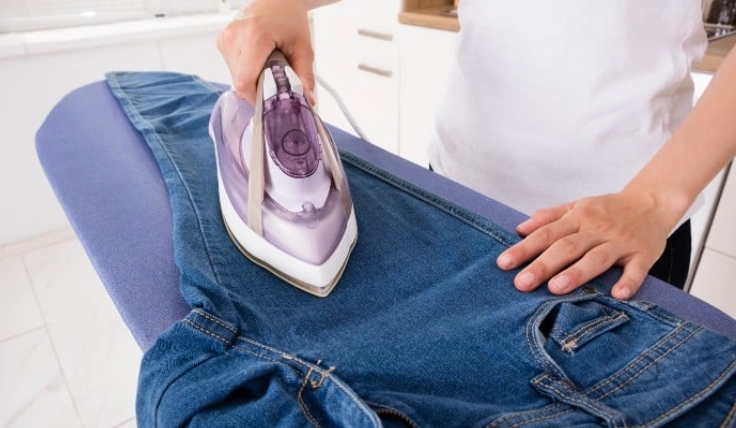
Method Comparison: Which Path to Choose?
To make this clearer, let's break it down side-by-side. This table should help you decide the best way to tackle your specific pair when figuring out how to shrink jeans permanently.
| Method | Best For | Shrinkage Potential | Permanence Level | Main Risk |
|---|---|---|---|---|
| Hot Wash + High Heat Dry | Overall shrinkage on 100% cotton or heavy denim. Easiest method. | Medium (3-7%) | High (for cotton) | Color fading, overall size reduction may be too much. |
| Boiling Water Pot | Targeted areas (waist, knees) or maximum shrinkage on tough denim. | High (5-10%) | High (for cotton) | Uneven shrinkage, significant fading, fabric damage. |
| Hot Soak (Bathtub) | A gentle overall size reduction. Preserving color better. | Low (1-3%) | Medium | Minimal. Might not be enough shrinkage. |
| Dryer-Only (on High Heat) | A quick fix or minor tightening on already-washed jeans. | Very Low (1-2%) | Low | Can overdry and weaken fabric; not a permanent solution. |
See the pattern? For high permanence, you need high heat and moisture, and you need cotton to work with.
Frequently Asked Questions (The Stuff You're Secretly Searching)
Yes, but it's fiddly. The boiling pot method is your friend here. Submerge only the area you want to shrink (e.g., hold the waistband in the water). For legs, you can try soaking them and then using a hairdryer on high heat to blast the specific damp area while pulling the fabric taut in the direction you want it to shrink. It's not an exact science, and you risk a visible "shrink line." Honestly, I've had mixed results. Sometimes it works okay on a waistband, but legs are tough to do evenly.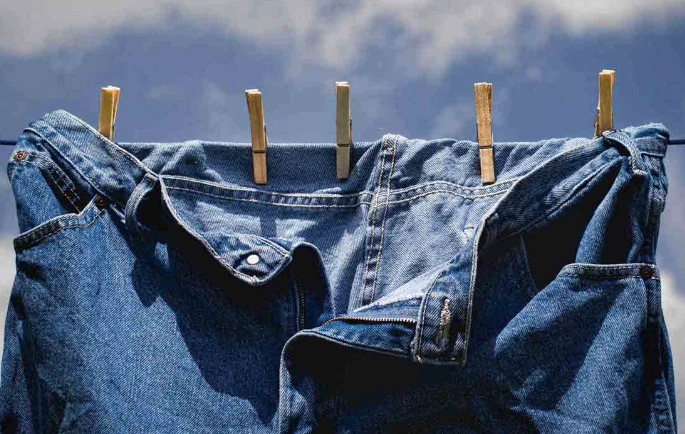
Each time you apply major heat and agitation, you damage the fibers a bit more. You might get away with 2-3 aggressive shrinkage cycles on a sturdy pair of 100% cotton denim before they start to feel thin, weak, or the color becomes hopelessly faded. For stretch or blended denim, one attempt is often all you get before the structure gives up.
Almost always, yes. Lengthwise shrinkage is very common because the weave of denim contracts in all directions. If you're trying to shrink jeans for a better fit in the seat and thighs, be prepared for them to become an inch or so shorter as well. There's no way to completely isolate one dimension.
Kind of, but not fully. You can try to relax the fibers by soaking them in lukewarm water with a conditioner like hair conditioner or a dedicated fabric relaxer for 30 minutes. Then, gently stretch them by hand while wet and lay them flat or hang them to dry, manually pulling them to the desired dimensions every so often. It rarely returns them to their pre-shrunk state, but it can help regain a little room. This is why starting gentle is crucial when learning how to shrink jeans permanently—you can't truly reverse it.
Absolutely. Raw, unsanforized denim is designed to shrink. Most manufacturers of raw denim (like many brands discussed on forums like Reddit's Raw Denim community) recommend an initial hot soak to get the majority of the shrinkage out before you start wearing them. This process, called the "initial soak," is the primary and most effective shrinkage event for these jeans. If they stretch out later, a warm wash and air dry can bring them back close to the post-soak size.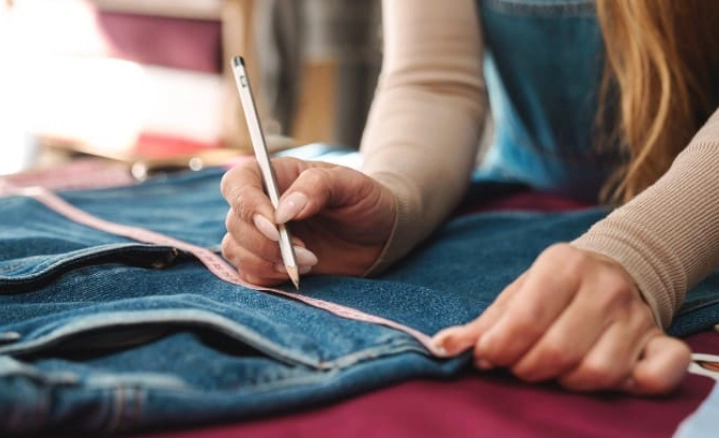
The Final Word: Is It Worth It?
So, after all this, what's the verdict on how to shrink jeans permanently?
For 100% cotton jeans, especially thicker or raw denim: Yes, it's very possible and often successful. Use the hot wash/high heat dryer method first. Manage your expectations—it's a reset, not a miracle.
For stretch jeans or cotton blends: Proceed with extreme caution, or don't bother. The results are rarely permanent and you're likely to damage the fabric's integrity and comfort. You might be better off using a belt, or considering taking them to a tailor for professional alterations, which is a more reliable way to adjust fit.
The best advice I can give, which sounds boring but is true, is to buy jeans that fit perfectly when they're snug. Denim, especially cotton, will almost always give a little. It's better to have them slightly tight initially and have them stretch to perfection than to start with a perfect fit that turns baggy.
Shrinking is a repair tool, not a sizing strategy.
I hope this deep dive saves you from the disaster I had with my first pair. Take it slow, test on an old pair if you can, and remember that sometimes, a well-fitting new pair is a better investment than trying to battle physics and fabric science with an old one. Good luck!