Your Denim Care Companion
- The Science Behind the Shrink: It's All About the Fibers
- Washer vs. Dryer: Breaking Down the Damage
- A Practical Guide: How to Absolutely Prevent Jeans from Shrinking
- Special Cases: Raw, Selvedge, and Stretch Denim
- Okay, It's Too Late. How to Fix Shrunken Jeans
- Your Denim Care FAQs Answered
- Final Verdict: A Clear Winner in the Shrinkage Battle
Okay, let's talk about that sinking feeling. You pull your favorite pair of jeans out of the laundry, and they've… changed. They're tighter, shorter, just plain off. It happens to the best of us. The big question everyone asks is: do jeans shrink in the dryer or washer? Which one's the real culprit?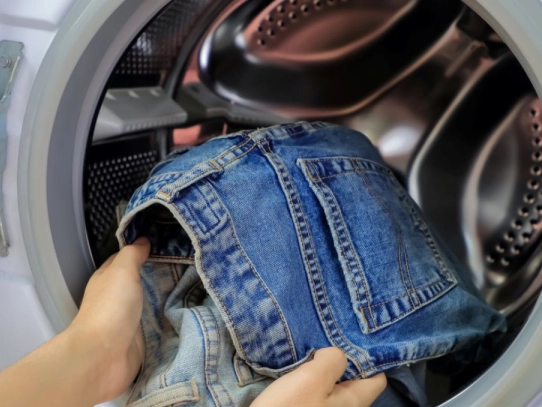
The short, frustrating answer is: both can be. But it's not that simple. It’s like asking what causes a cold—is it the virus, or is it going outside with wet hair? One is the root cause, the other is the accelerator. Understanding the difference is what saves your denim.
I learned this the hard way with a pair of raw selvedge jeans I'd saved up for. Washed them on hot (rookie mistake) and then tossed them in a high-heat dryer. The result? They could have fit a teenager. My mistake was treating all denim the same, not understanding the fabric. So let's break it down, so you don't make my errors.
Core Insight: The washer provides the conditions for shrinkage (heat, moisture, agitation). The dryer applies the intense, finishing heat that often locks that shrinkage in permanently. Think of the washer as the setup and the dryer as the knockout punch.
The Science Behind the Shrink: It's All About the Fibers
To really get why jeans shrink, you gotta know what they're made of. Most jeans are primarily cotton. And cotton fibers are hygroscopic—they love water. When cotton gets wet, the fibers swell. When you add heat and mechanical agitation (like in a washer), the fibers can actually contract and tighten their structure.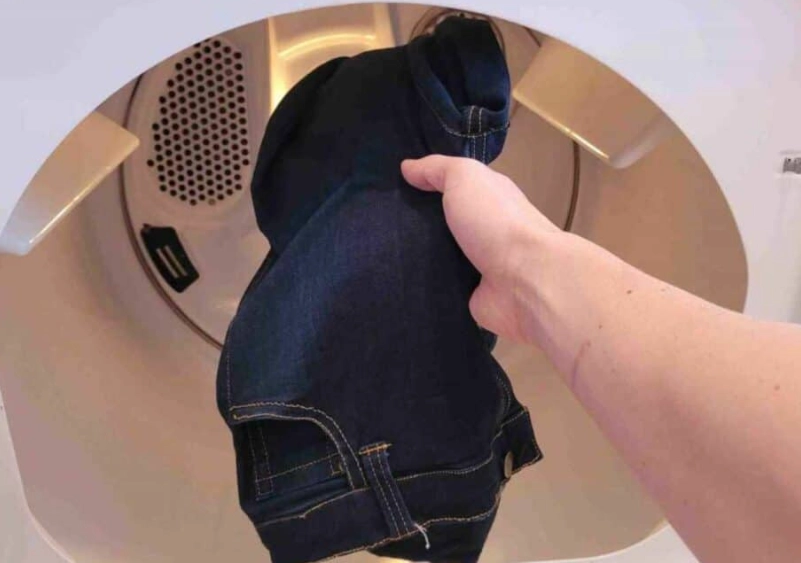
Fabric Construction 101: Denim is a rugged twill weave, usually 100% cotton or a cotton blend. The way the yarns are spun and woven creates tension. Heat, moisture, and agitation release that tension, allowing the fibers to relax into a shorter, denser state—which we see as shrinkage.
Blended fabrics (like cotton with polyester, spandex, or lycra) behave differently. The synthetic fibers are more stable and resistant to heat. So, a jean with 2% lycra might tighten temporarily but often springs back. It's the 100% cotton ones, especially unsanforized (more on that later), that are the most vulnerable.
This is a key point most basic guides miss. The question "do jeans shrink in the dryer or washer" depends entirely on the type of jean you're talking about.
Washer vs. Dryer: Breaking Down the Damage
Let's put the two appliances on trial. Here’s what each one does to your denim.
The Washing Machine's Role
The washer is where the shrinkage process begins. It's not just about water; it's about the combination of factors.
- Hot Water: This is the biggest trigger. Hot water opens up the cotton fibers dramatically, making them highly susceptible to contracting. If you only remember one thing, remember this: wash jeans in cold water.
- Agitation: The spinning and tumbling create friction and stress on the fibers, encouraging them to mat together and tighten.
- Detergent & Cycle Length: Harsh detergents and long, heavy-duty cycles are more aggressive than gentle cycles meant for delicates.
So, in the washer, you're creating the perfect storm. The fibers get relaxed and vulnerable. But often, the jeans will still feel somewhat pliable when wet. They haven't fully "set" into their new, smaller size yet.
I used to think a warm wash was a good compromise for getting jeans clean. Nope. For denim, especially darker washes, cold is almost always the way to go. The difference in cleanliness is minimal, but the difference in fabric longevity is huge.
The Dryer's Role (The Point of No Return)
If the washer sets the stage, the dryer is the main act. This is where shrinkage becomes permanent.
- High Heat: Intense, direct heat bakes the cotton fibers in their newly contracted state. As the moisture is violently evaporated, the fibers lock into place. This is irreversible.
- Tumbling Action: Continues the agitation, further tightening the weave.
This is the critical distinction.
You can wash a pair of 100% cotton jeans in hot water and, while damp, still stretch them back out a bit. But once they've gone through a high-heat dryer cycle, that's their new shape. Finished. So, when people ask do jeans shrink in the dryer or washer more?, the dryer is usually responsible for the final, permanent size change.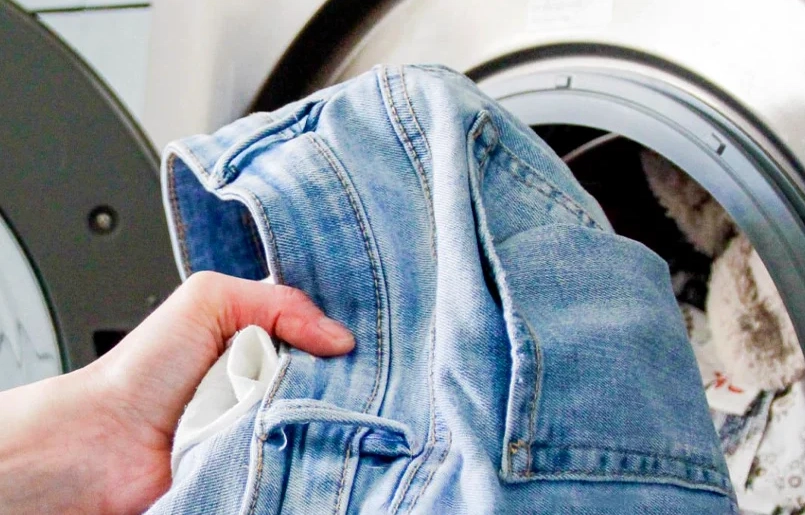
Watch Out: Denim with elastane (spandex/lycra) is particularly vulnerable to dryer heat. High heat can degrade and melt the elastic fibers over time, causing them to lose their stretch and become baggy or brittle. It kills the recovery.
A Practical Guide: How to Absolutely Prevent Jeans from Shrinking
Knowing the problem is half the battle. Here’s your actionable, step-by-step defense plan. This isn't just theory; this is what works.
1. Decode the Care Label (Seriously, Read It)
It's the manufacturer's cheat sheet. A tag that says "Tumble Dry Low" is giving you permission to use the dryer—on low. "Line Dry" or "Lay Flat to Dry" means avoid the machine dryer altogether. "Wash Cold" is your mandate. Ignoring this is like ignoring a recipe and wondering why the cake failed.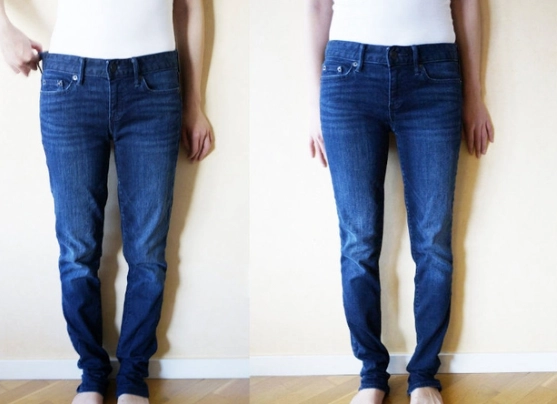
2. The Golden Rules of Washing
- Temperature: Cold water only. Always. It cleans effectively without the thermal shock.
- Cycle: Use the gentle or delicate cycle. Less agitation, less stress.
- Detergent: A mild detergent is best. Avoid heavy enzymes or brighteners if you want to preserve dark indigo.
- Frequency: Wash jeans less often. Spot clean when you can. Denim doesn't need a wash after every wear. This reduces cumulative exposure to water and agitation.
- Inside Out: Turn jeans inside out before washing. This protects the outer dye and finish from friction against other clothes and the drum.
3. The Art of Drying (This is Where You Win)
This is the most important step for preventing shrinkage. You have options, listed from best to worst for your denim's health.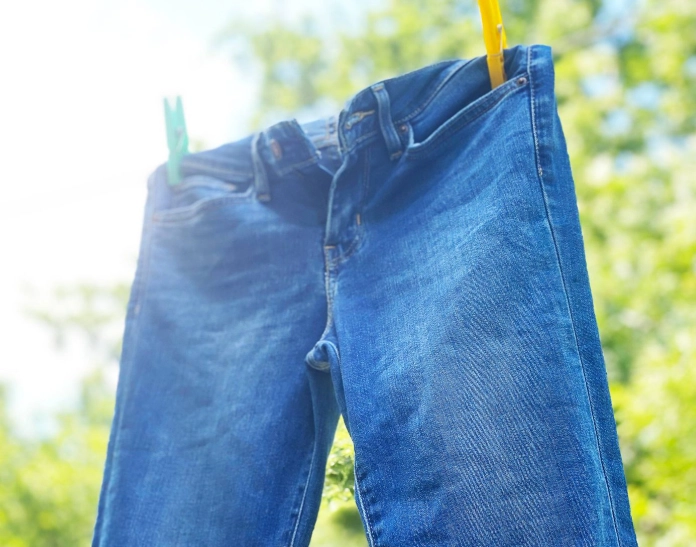
| Drying Method | How-To | Impact on Shrinkage | My Take |
|---|---|---|---|
| Air Dry (Flat) | Lay jeans flat on a drying rack or clean towel. Reshape them gently. | Zero heat shrinkage. Best possible method. | The gold standard. Preserves fit, color, and fabric integrity perfectly. Takes time but worth it. |
| Air Dry (Line) | Hang by the waistband or from the inseam with clips. | Zero heat shrinkage. Watch for stiffness at clip points. | Great for space. Can cause slight distortion at stress points if hung heavy and wet. |
| Tumble Dry (NO HEAT / Air Fluff) | Use the dryer's "no heat" or "air only" setting for 15-20 mins. | Minimal to none. Removes dampness without heat. | A good hack if you need to soften them up a bit or are in a hurry. Not a full dry cycle. |
| Tumble Dry (Low Heat) | Low heat setting, and remove while still slightly damp. | Low risk of major shrinkage if removed promptly. | The risky "convenience" option. You might get away with it a few times, but cumulative damage occurs. |
| Tumble Dry (High Heat) | The standard, high-heat dryer cycle. | High risk of significant, permanent shrinkage. Damages elastane. | Just don't. This is how jeans are ruined. The convenience isn't worth ruining a $50+ pair of pants. |
My personal routine? Wash inside-out on cold/delicate, then always air dry flat. It adds maybe a day to the process, but my jeans look and fit better for years longer.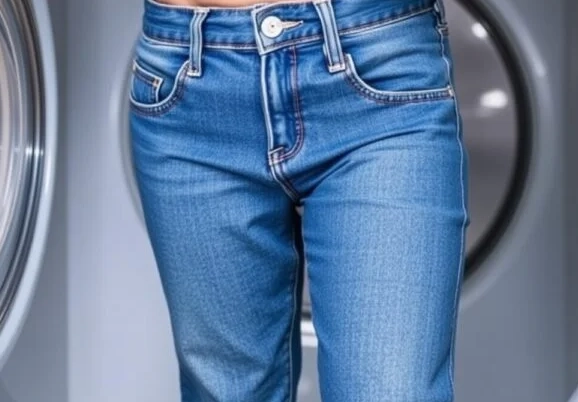
Special Cases: Raw, Selvedge, and Stretch Denim
Not all jeans are created equal. Let's talk about the outliers.
Raw & Unsanforized Denim
This is denim in its purest, untreated form. It hasn't been pre-shrunk (sanforized). The first wash or soak will cause significant, intentional shrinkage—often 5-10% or more. This is expected and part of the process. Enthusiasts do a initial "soak" in a tub to control this shrinkage before wearing. If you put these in a dryer, you'll supercharge that shrinkage beyond what's intended. For authoritative details on fabric treatments, the U.S. Department of Agriculture has resources on cotton fiber science, though it's dense reading.
Stretch Denim (with Elastane/Lycra/Spandex)
Remember, heat is the enemy of elasticity. High heat from the dryer will break down the synthetic stretch fibers over time. They'll lose their snap, becoming baggy and unable to recover. Always air dry stretch jeans to preserve their fit. The International Organization for Standardization (ISO) sets care label standards (like ISO 3758) that manufacturers follow, which is why those symbols are universal.
Okay, It's Too Late. How to Fix Shrunken Jeans
We've all been there. Don't panic. You can't fully reverse set-in shrinkage, but you can often salvage a wearable fit.
- Re-wet Them: Soak the jeans in lukewarm (not hot!) water with a bit of hair conditioner or fabric softener for 15-30 minutes. This relaxes the fibers.
- Manually Stretch: While damp, lay them on a flat surface. Gently pull and stretch the fabric in the areas that are too tight—lengthwise on the legs, across the waist, down the thighs. Be firm but don't tear.
- Wear Them Damp: This is the old-school trick. Put the damp jeans on and move around, do lunges, squat. Your body will help stretch them back into a more natural shape.
- Air Dry in Stretched Position: After stretching, lay them flat to dry, or hang them, making sure they are not bunched up. You can even place heavy, clean objects at the hem to encourage length.
I've had mixed results with this. It works decently for minor shrinkage from a single hot wash. But if they've been through multiple high-heat dryer cycles, the fibers are essentially "cooked," and recovery is very limited. It's a lesson in prevention.
Your Denim Care FAQs Answered
Do new jeans shrink?
Most modern, mass-produced jeans are "sanforized" or pre-shrunk, meaning they've undergone a industrial process to minimize further shrinkage (usually to 1-3%). However, they can still shrink a bit if abused with heat. Always check the label. Raw/unsanforized jeans are the exception and will shrink a lot on first wash.
Can you put jeans in the dryer at all?
You can, but it's a risk-reward game. If you must, use the lowest heat setting possible and remove them while they are still slightly damp to the touch. Then finish by air drying. Never use high heat.
Do jeans shrink in length or waist more?
Typically, you'll notice shrinkage in length first, as the weave contracts along the yarn. Waistbands, often having a different composition or tighter weave, can be more resistant, but they will shrink too with enough heat. Inseams are usually the first casualty.
How much do jeans shrink?
For pre-shrunk (sanforized) jeans washed and dried correctly (cold wash, air dry): maybe 1%. Washed in hot and dried on high: 3-5% or more. For unsanforized denim: 5-10% on the first wash. That's a full size or more.
Does drying jeans on high heat make them cleaner?
No. Heat drying kills some bacteria through desiccation, but so does air drying over time. The cleaning happens in the wash cycle with detergent and agitation. High heat just damages fabric and sets in stains.
Final Verdict: A Clear Winner in the Shrinkage Battle
So, circling back to the core question: do jeans shrink in the dryer or washer?
The washer creates the potential for shrinkage through heat and agitation. The dryer, specifically high heat, realizes and permanently sets that shrinkage. Therefore, while both contribute, the dryer is often the final, decisive factor in making shrinkage irreversible.
The path to perfect-fitting jeans that last is simple, just not always convenient.
- Wash less often.
- Always wash in cold water on a gentle cycle, inside out.
- Never, ever use the high-heat dryer setting. Make friends with a drying rack.
It boils down to treating your jeans less like disposable clothing and more like an investment. A little extra care in the laundry room means your favorite pair will keep its perfect fit, color, and comfort for years to come. And you'll never have to ask "do jeans shrink in the dryer or washer" with a sense of dread again. You'll know exactly how to keep them right.
For more on textile care standards and best practices, organizations like the American Association of Textile Chemists and Colorists (AATCC) develop the test methods that define how fabrics react to washing and drying, which ultimately informs those care labels we all should read.