Quick Guide
- What Really Happens When You Tumble Dry Your Jeans?
- The Great Dryer Debate: A Fabric-by-Fabric Breakdown
- How to Dry Jeans the Right Way (If You Must Use the Dryer)
- The Champion Alternative: How to Air Dry Jeans Properly
- Your Top Jeans Drying Questions, Answered
- The Final Verdict: To Tumble or Not to Tumble?
Let's be honest. We've all done it. You pull your jeans out of the washer, still damp and heavy, and the thought of hanging them up to air dry for what feels like an eternity is just too much. The dryer is right there, warm and inviting. Toss them in, set a timer, and boom—you've got wearable pants in under an hour. It's the laundry shortcut we all know. But then you put them on, and something feels... off. They're a bit tighter around the thighs. The color seems a little less vibrant. The hem is riding higher than you remember. That's when the nagging question hits you: is it bad to put jeans in the dryer?
The short, frustrating answer is: it depends. It's not a simple yes or no. Asking if drying jeans is bad is like asking if going out in the sun is bad. A little bit is fine, maybe even necessary, but too much too often will definitely cause damage. The real story is about what you're risking versus the convenience you're gaining. I learned this the hard way with a pair of dark wash jeans I loved. After a few months of regular dryer cycles, they went from a perfect, sleek fit to something that felt like stiff, shrunken cardboard. The waistband was tight, the length was off, and that rich indigo had faded to a dull blue-gray. It was a total denim disaster.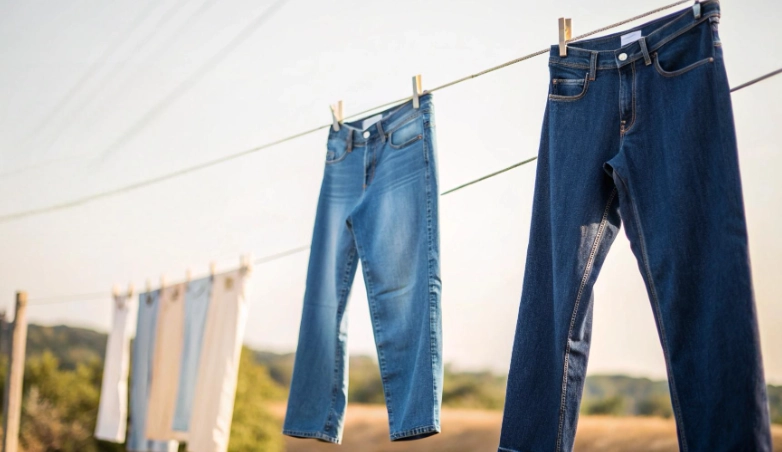
So, let's ditch the vague warnings and get into the specifics. What actually happens in that tumbling, heated chamber? Why do some jeans come out fine and others are ruined? And most importantly, if you do decide to use the dryer, how can you minimize the damage? This guide is for anyone who wants their jeans to last longer, look better, and fit right—without giving up on modern appliances entirely.
What Really Happens When You Tumble Dry Your Jeans?
Think of your jeans not as just a pair of pants, but as a complex structure of fibers. The dryer attacks that structure in three main ways: heat, moisture, and physical agitation. It's a triple threat.
The Shrinkage Saga: It's All About the Fibers
Shrinkage is the number one fear, and for good reason. The primary culprit is cotton, the main component of most denim. Cotton fibers are like tiny, twisted ropes. When they get wet, they relax and swell up. Then, when you apply high heat, those swollen fibers contract violently as the moisture is violently whipped out of them. This contraction is permanent. The fibers don't go back to their original length.
But not all cotton is created equal. Sanforized denim has been pre-treated with a process that stretches and compresses the fabric to minimize future shrinkage (usually to around 1-3%). Most mass-market jeans are sanforized. Unsanforized or "shrink-to-fit" denim (like classic raw denim) is a different beast. It hasn't had this treatment, so its first wash and dry will cause significant, intentional shrinkage—sometimes over 10%. If you put unsanforized jeans in a hot dryer, you might end up with capris.
And let's not forget blends. Many jeans today mix cotton with synthetic fibers like polyester, elastane (spandex/Lycra), or Tencel. Polyester is much more heat-resistant, so it can reduce overall shrinkage. Elastane is the magic behind stretch jeans, but it's incredibly sensitive to high heat. Repeated dryer cycles can degrade the elastic fibers, causing them to snap or lose their rebound. That's why your stretch jeans eventually get baggy at the knees and seat—the heat has slowly killed the stretch. So, is it bad to put jeans in the dryer if they have elastane? Absolutely, it's a surefire way to shorten their lifespan.
The Fade Factor: Kiss Your Color Goodbye
Denim gets its color from indigo dye, which famously sits on the surface of the yarn rather than penetrating it fully. This is why jeans fade so beautifully. But the dryer is like a fast-forward button on the fading process. The combination of heat and constant friction against the drum and other clothes literally beats the dye right out of the fabric. High-heat drying accelerates this dramatically compared to gentle air drying.
If you love a deep, dark wash or want to maintain the contrast fades on your raw denim, the dryer is your enemy. It creates an all-over, uniform lightening that many denim enthusiasts consider undesirable. It's a flat fade, not the high-contrast whiskers and honeycombs that come from natural wear.
Fit and Feel: From Soft to Stiff
Ever put on jeans straight from the dryer and felt like you were wearing a cardboard tube? That's because the heat can remove too much of the natural oils and softness from the cotton, leaving the fibers harsh and rigid. The tumbling action can also set in weird creases and wrinkles that are hard to get out.
On the flip side, some people actually like the slight shrinkage and "tightened-up" feel a dryer cycle gives, especially if their jeans have stretched out from wear. This is a temporary fix, though. As soon as you wear them and they warm up with your body heat, they'll stretch right back out to where they were, often in an uneven way.
So, is putting jeans in the dryer bad for their fit? It makes it unpredictable. You're trading a consistent, molded-to-you shape for a temporary, heat-induced one that degrades the fabric each time.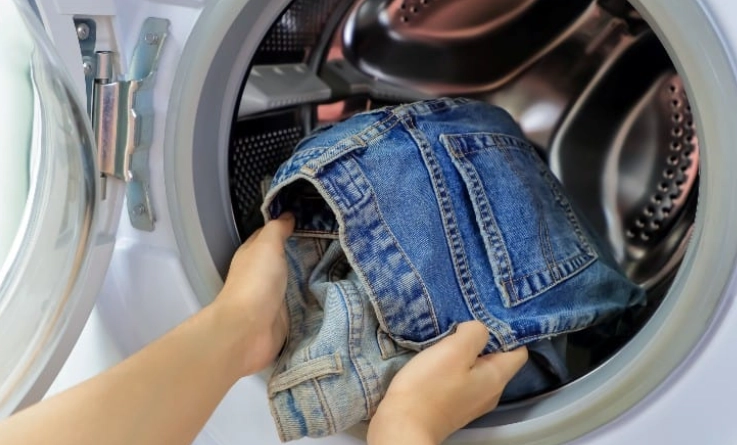
The Great Dryer Debate: A Fabric-by-Fabric Breakdown
This is where we get practical. The "right" answer to the dryer question changes completely based on what your jeans are made of and what you want from them. Let's break it down.
| Jeans Type / Fabric | Can You Put It in the Dryer? | Recommendation & Why | Risk Level |
|---|---|---|---|
| 100% Cotton (Sanforized) Your standard Levi's, Wranglers, etc. | Yes, but with caution. | Use low or no heat only. Expect minor, cumulative shrinkage (1-3% per cycle) and accelerated fading. Best to air dry if you love the exact fit and color. | Medium |
| 100% Cotton (Unsanforized/Raw) Premium selvedge, "shrink-to-fit" | Almost Never. | The first wash should be cold soak, air dry. A dryer will cause massive, uncontrolled shrinkage. After the initial shrink, air dry is still the only safe choice to preserve fades and fit. | Very High |
| Cotton + Elastane (Stretch Jeans) Most modern skinny/jeggings | It's a bad idea. | Heat is the #1 killer of elastane. It will destroy the recovery, leading to bagginess. Always air dry to maintain the stretch and shape. | High |
| Cotton + Polyester Blend | More tolerant. | Polyester resists shrinkage, so low-heat drying is safer for fit. However, heat can still cause fading and damage the cotton portion. | Low-Medium |
| Distressed/Very Thin Denim Ripped jeans, light summer denim | Not advised. | The weak points (rips, worn areas) are highly vulnerable to tearing from the tumbling action. The agitation can make small rips into big ones. | High |
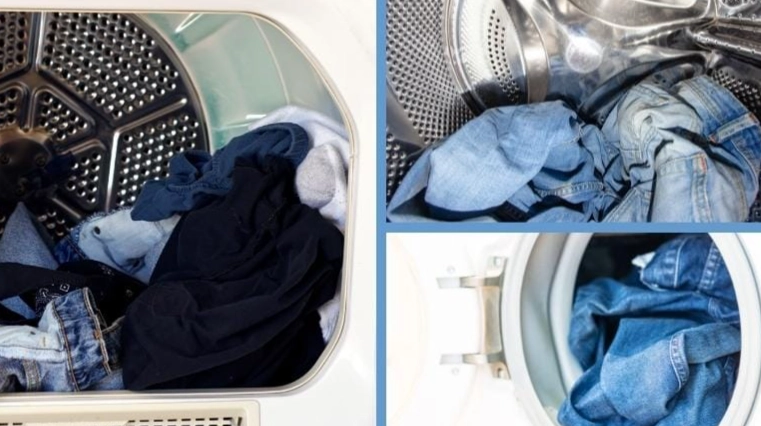
See? It's not one rule. That pair of old, beater jeans you wear for gardening? Toss them in the dryer on low, no big deal. But those expensive, perfect-fitting dark wash jeans or your raw denim project? The dryer is basically a torture chamber for them.
 The fabric tells the tale. Listen to it.
How to Dry Jeans the Right Way (If You Must Use the Dryer)
Okay, let's get real. Sometimes you need dry jeans fast. Maybe you're traveling, maybe you only have one good pair, maybe it's just a Tuesday and you can't be bothered. If you're going to use the dryer, here's how to do the least harm possible. Think of it as damage control.
- Flip Them Inside Out: This protects the outer dye from direct friction against the drum, significantly slowing down fading.
- Use the Lowest Heat Setting Possible: "No Heat" or "Air Fluff" is ideal. "Low Heat" is the absolute maximum. Never use medium or high heat. The longer, gentler drying time is worth it.
- Don't Overload the Dryer: Give your jeans room to tumble freely. Cramming them in with a full load creates more friction and leads to more wrinkles and strain.
- Remove Them While Slightly Damp: This is the pro move. Take them out when they're about 90-95% dry—just a touch of moisture left. Hang them immediately to finish drying. This prevents over-drying, which causes stiffness and maximizes shrinkage.
- Skip the Dryer Sheets: They can coat the fibers and affect the breathability and hand-feel of the denim. They're not necessary.
I've started using the "air fluff" or "no heat" cycle almost exclusively for any item I'm nervous about. It takes longer, sure, but it uses just room-temperature air and tumbling to dry things. It's a game-changer for drying jeans without the brutal heat.
The Champion Alternative: How to Air Dry Jeans Properly
This is the method recommended by denim purists, tailors, and anyone who wants their clothes to last. It requires patience but zero skill.
- Shake and Shape: After washing, give the jeans a good snap to shake out excess water and help eliminate wrinkles. Gently pull the legs and waistband back into their general shape.
- Choose Your Hanger Wisely: Never use a thin wire hanger by the waistband. The weight of the wet denim will create sharp, ugly points ("hanger horns") at the corners. Instead, use a thick, padded hanger or, even better, hang them from the hem.
- The Best Method: Hang from the Hem. Fold the jeans in half along the seam and clip the hem (not the fabric, the hemline) to a pants hanger or a line with clothespins. This lets them hang full-length, gravity helps smooth wrinkles, and it avoids any distortion at the waist.
- Location: Hang them in a well-ventilated area, out of direct sunlight. Direct sun will fade them even faster than a dryer! A shower rod, a laundry room, or a covered patio is perfect.
- Drying Time: Expect 12-24 hours depending on thickness and humidity. Plan your washes accordingly.
Yes, it takes time. But when you put on a pair of air-dried jeans, the difference is noticeable. They're softer, the color is richer, and the fit is exactly as you remember it. No surprises.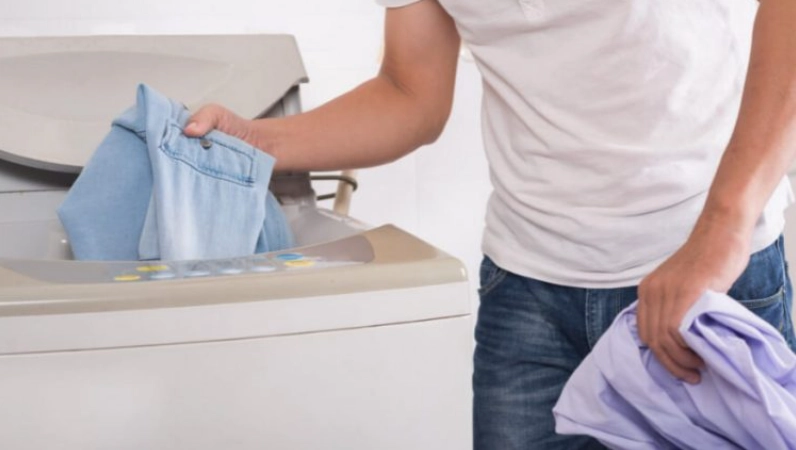
Your Top Jeans Drying Questions, Answered
Let's tackle some of the specific, real-world questions people have when they google this stuff.
Will one time in the dryer ruin my jeans?
Probably not *ruin* them, unless they're unsanforized or you used high heat. But it will start the process. One cycle might cause a tiny bit of permanent shrinkage and a slight loss of color intensity. It's cumulative damage. The more you do it, the worse it gets.
How can I shrink jeans that are too big?
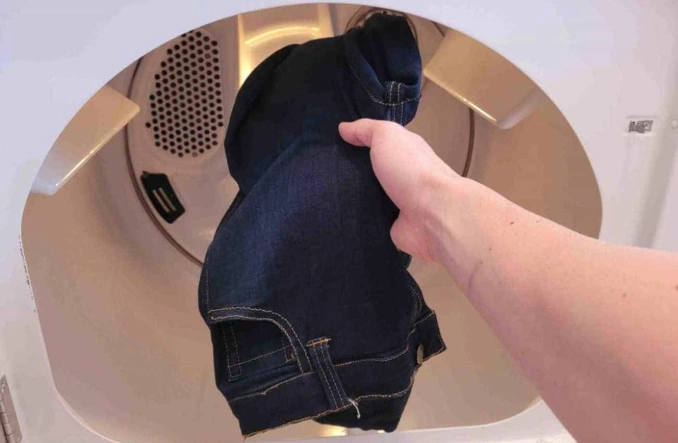
Ah, the intentional shrink. If you *want* to shrink sanforized jeans a bit, the dryer is your tool. Wash them in hot water (not just warm), then dry them on high heat. Check the fit every 5-10 minutes. Be warned: this is unpredictable. They might shrink more in length than width, or vice versa. And you're committing to never drying them on heat again, or they'll keep shrinking.
How can I make my jeans soft again after line drying?
Air-dried jeans can sometimes feel stiff. This is often just mineral deposits from hard water. Try adding a half-cup of white vinegar to the rinse cycle as a natural fabric softener. Once dry, simply wearing them for 20 minutes will let your body heat and movement soften them up perfectly. You can also toss them in the dryer on "air fluff" for 10 minutes with a dry towel to break up the stiffness.
What about dryer balls? Do they help?
Wool or rubber dryer balls are great! They help separate the jeans in the dryer, improve airflow (so they dry faster on lower heat), and soften fabric naturally without chemicals. They're a worthwhile addition if you machine-dry anything.
The Final Verdict: To Tumble or Not to Tumble?
So, after all this, what's the bottom line on whether it's bad to put jeans in the dryer?
For maximizing the lifespan, color, and perfect fit of your jeans—especially any pair you paid good money for or truly love—**air drying is the undisputed best practice.** It's the single most effective thing you can do in your laundry routine to preserve your denim. Organizations like Cotton Incorporated consistently recommend air drying or tumble drying on low to extend the life of cotton garments, and denim brands from Levi's to high-end selvedge makers explicitly advise against high-heat drying.
The dryer, particularly on high heat, is a tool of accelerated wear. It shrinks, fades, and stresses the fibers. It's a trade-off of convenience for longevity.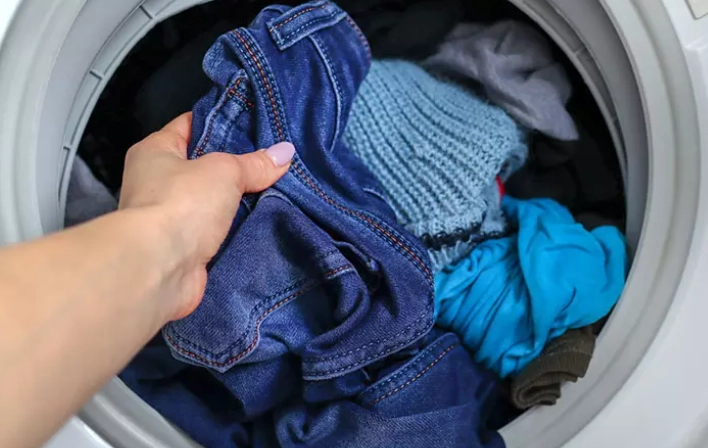
But life isn't perfect. If you need to use the dryer, make it a gentle ally, not a destructive force. Use no heat or low heat, turn them inside out, and pull them out while slightly damp. This approach minimizes the harm and answers the core question: is it bad to put jeans in the dryer? It's not inherently evil, but it's a process that needs to be managed with care and knowledge.
Your jeans are an investment. A little extra care in the drying process pays off every single time you wear them, for years to come.