Quick Navigation
- Why Heat is the Enemy of a Consistent Fit (The Science Bit, Simplified)
- Your Jeans' Material: The Biggest Predictor of Shrinkage
- The Dryer Settings: Low Heat vs. High Heat – A World of Difference
- Is the Tightness Permanent or Temporary?
- How to Actually Dry Your Jeans (The Right Way)
- Answers to the Questions You're Actually Typing Into Google
- The Final Verdict: To Tumble or Not to Tumble?
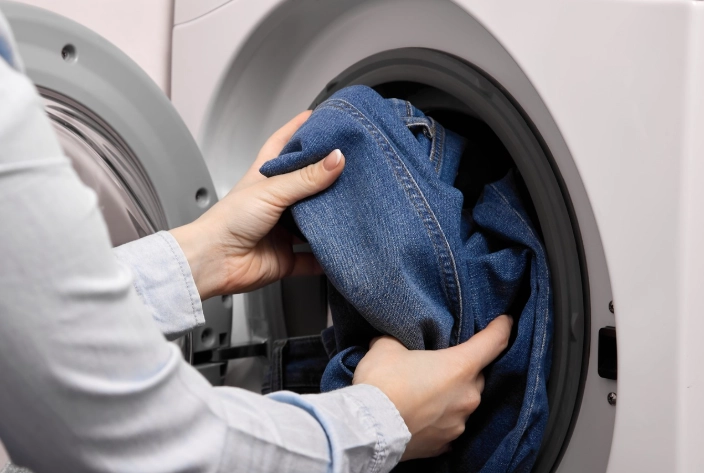
Let's cut to the chase. You pull your favorite jeans out of the dryer, still warm. You try them on, and... yep. They feel different. Snugger. Tighter. Especially around the waist and thighs. It's not your imagination. That's the heat and tumbling doing their thing. But is this a permanent change, or just a temporary sensation? The answer, like a good pair of raw denim, has layers. It's not a simple yes or no. It's a conversation between fabric, water, heat, and time.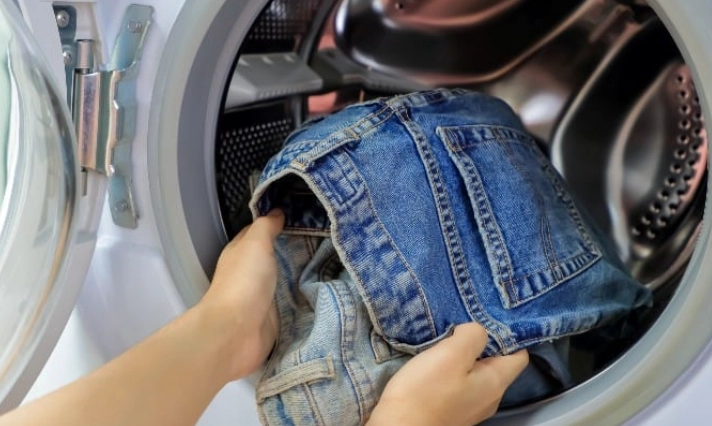
I remember ruining a perfectly good pair of jeans years ago by blasting them on high heat. They came out looking like they belonged to a younger sibling. It was a frustrating lesson. So let's unpack this together, without the jargon.
The Short Answer: Yes, putting your jeans in the dryer can make them tighter, primarily through fabric shrinkage. However, the degree depends massively on the denim's material composition, its previous washing history, and the dryer settings you use. For some jeans, the tightness is temporary (from heat stiffness); for others, it's a permanent reduction in size.
Why Heat is the Enemy of a Consistent Fit (The Science Bit, Simplified)
Think of the cotton fibers in your jeans like a bundle of tiny, relaxed springs. When they're woven into denim and sewn into jeans, they're in a stable state. Washing them soaks these fibers, causing them to swell and relax. Now, here's the kicker: applying intense, rapid heat—like in a dryer—makes those swollen fibers contract violently and unevenly as the water is violently evaporated away. This contraction is what we call shrinkage.
It's not magic; it's basic textile physics. The higher the heat and the more aggressive the tumbling, the more you're shocking those fibers into a tighter, often distorted, configuration. That's why the waistband, which is often under more tension, and the thicker seams can feel disproportionately tighter.
Does putting your jeans in the dryer make them tighter? At a fiber level, absolutely. But let's look at what your jeans are actually made of.
Your Jeans' Material: The Biggest Predictor of Shrinkage
Not all denim is created equal. The label inside your jeans tells the real story. Here’s how different fabrics react to the dryer’s drum.
100% Cotton Denim (Especially Raw or Selvedge)
This is the most vulnerable. 100% cotton has no synthetic fibers to stabilize it. Raw denim (unwashed after dyeing) is notorious for shrinking significantly—sometimes up to 10%—on its first wash and dry. Putting raw denim in a dryer is basically asking for a completely new, smaller pair of pants. It's a permanent change. For vintage or 100% cotton jeans, the dryer is your fit's arch-nemesis.
Cotton Blends (With Polyester, Elastane, etc.)
Most modern jeans fall here (e.g., 98% Cotton, 2% Elastane). The synthetic fibers (polyester, spandex, Lycra) are much more resistant to heat shrinkage. They act like a skeleton, holding the cotton's shape. So, does putting your jeans in the dryer make them tighter if they have stretch? They might tighten slightly from cotton shrinkage, but the synthetics will pull them back closer to their original shape as they cool and you wear them. The tightness you feel is often the elastane being heat-shocked and stiff, which relaxes with body heat.
Distressed or Pre-Washed Denim
These have usually been through industrial washing and drying processes, so most of their potential shrinkage is already "baked out." They're safer to dry, but high heat can still degrade the fabric, fade colors faster, and weaken distressed areas, leading to rips.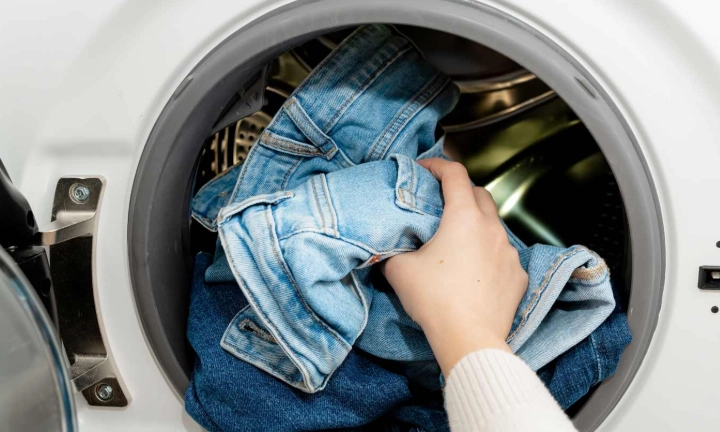
Personal Opinion: I’ve found that even with blends, repeated high-heat drying slowly degrades the elastane. The jeans lose their recovery over time, leading to baggy knees and a saggy seat—a different kind of fit problem. You win the shrinkage battle but lose the war on shape.
The Dryer Settings: Low Heat vs. High Heat – A World of Difference
This is where you have control. The setting you choose is the difference between a minor fit adjustment and a laundry disaster.
| Dryer Setting | Effect on Jeans | Risk of Permanent Tightness/Shrinkage | Best For... |
|---|---|---|---|
| High Heat | Maximum fiber contraction. Rapid, violent drying. Can set wrinkles and distort shape. | Very High. Likely to cause permanent, noticeable shrinkage, especially in high-cotton content jeans. | Heavy towels, perhaps. Not recommended for jeans. |
| Medium Heat | Moderate fiber stress. A common but risky default for many. | Medium to High. Over multiple cycles, cumulative shrinkage will occur. Fades colors faster. | Sturdy cotton blends you don't mind gradually changing. |
| Low Heat / Delicate | Gentle, slower drying. Allows fibers to contract more gradually and evenly. | Low. Minimal permanent shrinkage. Mostly causes temporary stiffness from residual moisture evaporation. | Almost all jeans. Preserves color, fit, and fiber integrity. |
| Air Fluff (No Heat) | Tumbling with room-temperature air. No thermal shock. | Very Low / None. Cannot cause shrinkage. Removes lint and wrinkles slightly. | Refreshing jeans between wears, removing dust/pet hair. A safe choice. |
| Air Dry (Not in Dryer) | Hanging or laying flat to dry. No tumbling stress. | Zero from drying. Any shrinkage will only be from the wash water, which is minimal and can be stretched back during wear. | The gold standard for preserving the exact fit, color, and lifespan of any pair of jeans. |
See the pattern? Heat is the agent of change. Less heat equals less change to your fit.
Is the Tightness Permanent or Temporary?
This is the core of the anxiety, right? You put them on and they're tight. Will this pass?
- Temporary Tightness (The “Heat Stiffness” Effect): This is common with cotton-blend jeans dried on low or medium heat. The fibers and any elastane become temporarily rigid and constricted from the heat. After 20-30 minutes of wearing them, your body heat and movement will relax the fibers, and they'll return to very near their original fit. It feels alarming but isn't permanent damage.
- Permanent Tightness (Actual Fabric Shrinkage): This happens with high heat on high-cotton content denim, or cumulative medium-heat cycles on any jean. The cotton fibers have permanently contracted and re-bonded in a tighter formation. No amount of wearing will stretch them back to the original measurements. You might gain a little bit of ease in the waist and seat with wear, but the legs and overall length will remain shrunk.
So, does putting your jeans in the dryer make them tighter forever? It can. But often, especially with modern jeans, you're just dealing with a stiff, temporarily grumpy pair of pants.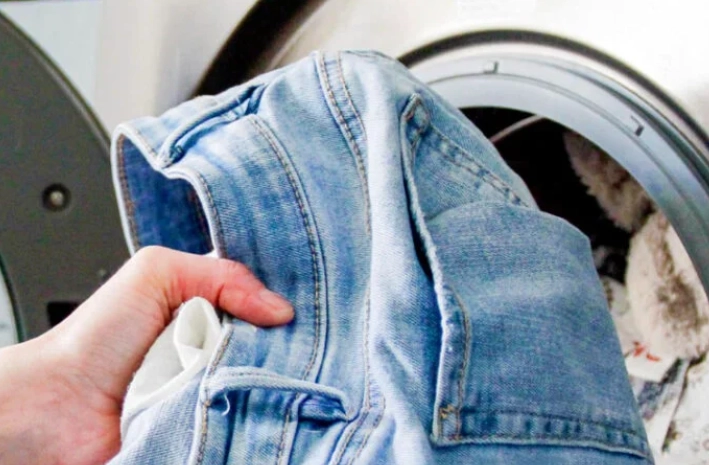
How to Actually Dry Your Jeans (The Right Way)
If you want to avoid the whole "will they fit?" panic, follow this hierarchy. I've moved to mostly Step 1 now, and my jeans last years longer.
- Air Dry, Always. This is the single best practice. Hang them by the waistband on a sturdy hanger or over a drying rack. Ensure they are in a well-ventilated space, not bunched up. This preserves every single aspect of the jean: dye, fit, fiber strength, and the integrity of distressed details. The Levi's® care guide explicitly recommends air drying to maintain fit and color. That's a pretty authoritative source on denim.
- Use the Dryer Sparingly & on Low/No Heat. If you must use the dryer, make it the exception. Use the Low Heat or Delicate setting. Throw in a couple of dry towels to help absorb moisture and reduce drying time (and therefore heat exposure). Remove them while they are still very slightly damp—this is key. The residual moisture will evaporate as you hang them, preventing the final, harshest stage of heat shock.
- Never Use High Heat. Just don't. It's for towels and sheets, not for your clothing investments.
A Hack If They Do Shrink: If you've accidentally shrunk a mostly cotton pair, all is not completely lost. Don't just force them on. Lightly dampen the tight areas with a spray bottle, then put them on and do some gentle lunges, squats, and bends. The combination of moisture and gentle mechanical stress can help coax the fibers to relax and stretch slightly in the directions you need. It's not a perfect fix, but it can salvage a wearable fit.
Answers to the Questions You're Actually Typing Into Google
Let's tackle some related queries head-on. These are the things people really wonder after the main question.
Will putting my jeans in the dryer once shrink them?
It depends on the jeans and the heat. For pre-shrunk, modern stretch jeans on a low heat cycle? Probably not permanently. For 100% cotton, raw, or vintage jeans? Absolutely, even once on high heat can do it. The first wash/dry cycle is always the most critical for shrinkage.
How can I shrink my jeans intentionally in the dryer?
Well, if you've read this far, you know the recipe. Wash them in hot water, then dry them on the highest heat setting possible. Repeat if necessary. Monitor them closely—it's easy to overshoot and make them unwearable. Honestly, it's a risky method. A tailor is a more precise solution for fit issues.
Does the dryer ruin jeans?
"Ruin" is a strong word, but it significantly accelerates their decline. The high heat and friction break down cotton fibers, degrade elastic components, accelerate color fading (especially for indigo), and weaken areas like pocket corners and seams. The American Chemical Society notes that heat and agitation are key factors in dye loss and fabric wear. Air drying is the ultimate act of denim care.
Can I put jeans in the dryer to kill germs?
Yes, but you don't need high heat for a long time. The CDC states that drying clothes completely in a dryer is part of effective laundry hygiene. The sustained heat of even a low-heat cycle, which typically reaches 125-135°F (52-57°C), is sufficient to kill most common household bacteria and dust mites when maintained for the full cycle. You don't need to nuke them on high.
The Final Verdict: To Tumble or Not to Tumble?
Look, I get it. The dryer is convenient. It's fast. It makes clothes feel fluffy and warm. But jeans aren't towels. They are an engineered garment where fit is everything.
So, to circle back to our title: Does putting your jeans in the dryer make them tighter? The definitive answer is yes, it very often can, either temporarily or permanently. The mechanism is primarily heat-induced fiber shrinkage, exacerbated by aggressive tumbling.
My advice, born from bitter experience? Make friends with your drying rack. The 24-48 hours of air-drying time is a small price to pay for jeans that fit exactly the same today, next month, and next year. You preserve the color, the strength of the fabric, and your sanity when getting dressed.
If you must use the dryer, treat it as a gentle finishing tool on low or no heat, not a primary drying method. Your jeans—and your future self trying to button the waistband—will thank you.
It really comes down to what you value more: the convenience of a one-hour dry, or the long-term consistency of a perfect fit. For me, the choice is clear. I'm hanging mine up.