快速导览
- What Does "18k Gold" Actually Mean? (It's Not Just a Number)
- The Hallmark of Truth: How to Spot Real vs. Fake
- Hoop Styles: Finding Your Perfect Match
- Size & Proportion: It's All About Your Face
- The Practical Stuff: Wear, Care, and Making Them Last
- The Investment Angle: Are 18k Gold Hoops Worth It?
- Answering Your Burning Questions (FAQ)
- Wrapping It Up: Your Checklist Before You Buy
Let's talk about real gold hoop earrings 18k. You know, the ones that catch the light just right, feel substantial in your hand, and somehow go with absolutely everything in your closet. I get it. You're probably tired of sifting through pages of jewelry listings, trying to figure out what's actually worth your money and what's just shiny marketing. Is it really 18k? Will it turn your skin green? How big should you go?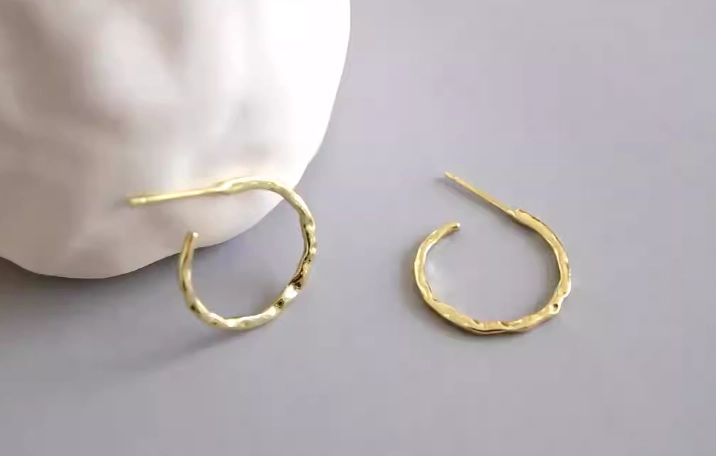
I've been there. I've bought the cheap "gold" hoops that tarnished in a month and regretted it. I've also saved up for the real thing and felt that little thrill every time I put them on, years later. There's a huge difference, and it's not just about the price tag.
This guide is here to cut through the noise. We're going to break down everything you need to know before you click "buy" on a pair of real 18k gold hoop earrings. No fluff, just the practical stuff about quality, style, and making a smart investment you won't regret.
What Does "18k Gold" Actually Mean? (It's Not Just a Number)
Okay, first things first. When we say real gold hoop earrings 18k, what are we really talking about? Karats (k) measure the purity of gold. Pure gold is 24 karats, but it's way too soft for everyday jewelry like hoop earrings—it would bend and scratch if you looked at it funny.
So, we mix it with other metals. 18k gold is 18 parts pure gold and 6 parts other metals (like silver, copper, zinc, or nickel). That works out to 75% pure gold. It's the sweet spot for fine jewelry: durable enough for daily wear, but with a rich, warm color and high value.
Why 18k over 14k? It's a common question. 14k gold (58.3% pure gold) is more durable and affordable. But 18k has a deeper, more luxurious yellow hue and a higher intrinsic gold content. For a classic piece you plan to wear forever, many feel the upgrade is worth it. For hoops that take a lot of movement and potential knocks, 14k is a perfectly sensible choice too. It comes down to your budget and color preference.
But here's where it gets tricky. Not all 18k gold is the same color. The alloy metals change everything.
- Yellow Gold: The classic. Usually alloyed with copper and silver. The higher gold content gives 18k yellow gold its intense, warm color that's less brassy than 14k.
- White Gold: Made by mixing gold with white metals like palladium or nickel, and almost always plated with a very thin layer of rhodium for that bright white shine. The plating can wear off over years, requiring re-plating to maintain the color.
- Rose Gold: My personal favorite for hoops. The pinkish tone comes from a higher copper content. It's romantic, trendy, and the copper makes it very durable.
See? Already more than just "gold."
The Hallmark of Truth: How to Spot Real vs. Fake
This is the part that worries everyone. You're spending good money. How can you be sure you're getting real 18k gold hoop earrings?
Look for the stamp. Legitimate jewelry will have a tiny hallmark stamped somewhere, usually on the post of the earring or the inside of the hoop. For 18k, look for "750", "18k", "18kt", or "18 karat". This is the jeweler's legal guarantee of the metal content. No stamp? Big red flag. Walk away.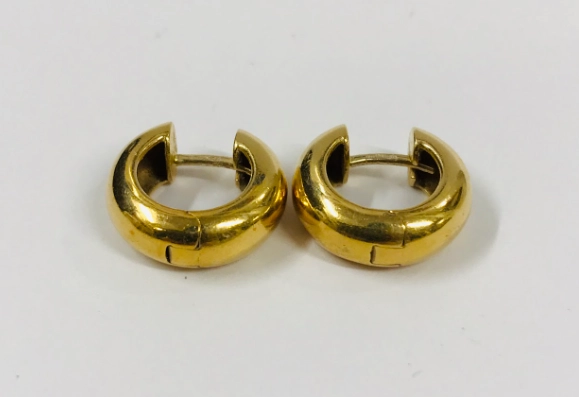
Watch out for: Terms like "gold plated," "gold filled," or "gold vermeil" on what's advertised as solid gold. Plated means a thin layer of gold over a base metal (like brass). It will wear off. Gold filled has a thicker layer, but it's still not solid. Vermeil is gold plating over sterling silver. They're not bad for fashion pieces, but they are NOT the same as solid real gold hoop earrings 18k and shouldn't be priced as such.
Weight is another clue. Gold is dense. A solid pair of medium-sized 18k gold hoop earrings will have a satisfying heft. If they feel suspiciously light and hollow, they might be gold-plated or hollow (which is a thing—more on that later).
For absolute peace of mind, buy from a reputable source. A trusted local jeweler, a well-established online retailer with clear policies, or a brand with transparent sourcing. Don't be shy about asking questions. A good seller will happily explain the origins and quality of their pieces. You can also refer to resources like the World Gold Council for general information on gold standards and purity.
Hoop Styles: Finding Your Perfect Match
Now for the fun part. Choosing the style. This is where personal expression comes in, but also some practical considerations.
By Construction: Solid vs. Hollow vs. Tube
This choice dramatically affects price, weight, and durability.
| Type | What It Is | Pros | Cons | Best For |
|---|---|---|---|---|
| Solid Gold Hoops | The wire or band is made entirely of solid 18k gold. | Extremely durable, won't crush, holds value superbly, feels luxurious. | Most expensive due to high gold weight. | Lifetime investment pieces, everyday wear, smaller to medium sizes. |
| Hollow Gold Hoops | The hoop is formed from a thin sheet of gold into a hollow tube. | Much more affordable for larger sizes, still looks substantial. | Can dent or crush if sat on or handled roughly, harder to repair. | Statement-making large hoops you wear occasionally. |
| Tube or Semi-Solid Hoops | A middle ground—thicker than hollow but not fully solid. | Good balance of affordability and durability, less likely to crush than hollow. | Still not as durable as fully solid for small sizes. | A great compromise for medium to larger hoops. |
My two cents? For your first pair of real gold hoop earrings 18k, go solid, especially if you want an everyday size (like up to 40mm diameter). The peace of mind is worth it. I learned this after accidentally sleeping in a pair of hollow hoops... they were never quite the same shape again.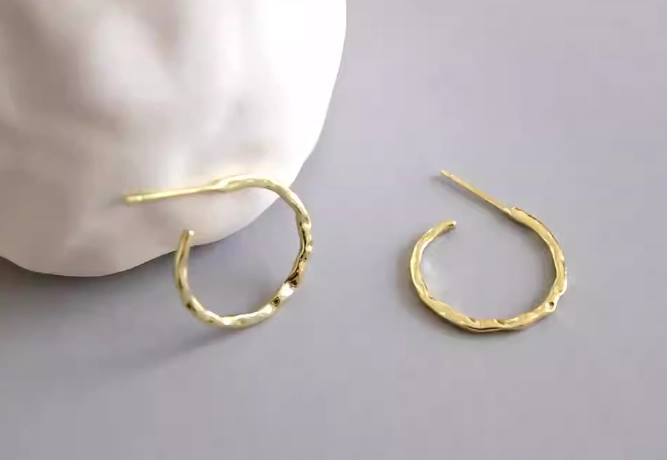
By Design: The Endless Variety
From classic to modern, there's a hoop for every vibe.
- The Classic Seamless Hoop: A perfect, unbroken circle. Timeless, sleek, and goes with literally everything. The ultimate wardrobe staple.
- Hinged Hoops with a Closure: These have a hinge and a clasp (often a secure lobster claw). They feel very secure and are easy to put on.
- Threaded or Screw-Back Hoops: The post screws into the back of the hoop. Incredibly secure, great for active lifestyles or if you're paranoid about losing one (guilty).
- Textured or Knotted Hoops: Featuring hammered finishes, braided details, or knot designs. Adds visual interest and can hide minor scratches over time.
- Diamond-Cut or Florentine Finish Hoops: Have faceted cuts or cross-hatched textures that catch the light beautifully, making them sparkle almost like they have diamonds.
What's your daily style? Minimalist? Go for a sleek, medium, solid gold seamless hoop. More bold? A large, textured pair makes a statement.
Size & Proportion: It's All About Your Face
Choosing the right diameter and thickness (or "mm") is crucial. A hoop that's too small can get lost, while one that's too large can feel overwhelming.
Here's a quick, non-scientific guide I use:
Small Hoops (under 20mm): Delicate, perfect for a subtle look, stacking with other earrings, or for those who never take their earrings out. Great for all face shapes.
Medium Hoops (20mm - 40mm): The workhorse size. Visible, stylish, but not in-your-face. This is the sweet spot for a first pair of real 18k gold hoop earrings. They frame the face nicely.
Large Hoops (40mm+): Statement makers. Glamorous, bold, and perfect for a night out. Consider hollow construction here to keep the weight and cost down, unless you have a Beyoncé-level budget.
Think about your face shape too. Round face? Try angular or oval-shaped hoops to add length. Long face? Wider hoops can add width. But honestly? The best rule is to try them on (or hold a circular object up to your ear in the mirror) and see what makes you feel good.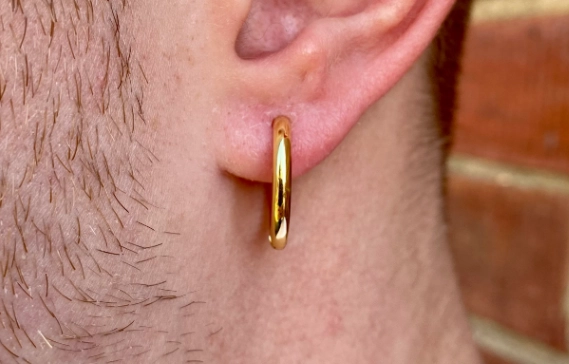
Trust your gut.
The Practical Stuff: Wear, Care, and Making Them Last
You've got your dream hoops. Now, how do you keep them looking perfect?
Daily Wear and Hypoallergenic Concerns
One of the biggest reasons people seek out real gold hoop earrings 18k is for sensitive ears. High-karat gold is often hypoallergenic because it contains less nickel, a common irritant. 18k yellow and rose gold are usually very safe bets. However, some 18k white gold alloys might contain nickel. If you have severe allergies, always ask the jeweler about the specific alloy or opt for nickel-free white gold (alloyed with palladium).
Can you sleep in them? With solid, well-made hoops, you technically can. But I don't recommend it long-term. It puts pressure on the posts and backs, can snag on bedding, and over years, it will cause more wear and tear. Give your ears and your jewelry a break.
Cleaning and Maintenance
Gold is low-maintenance, but it's not no-maintenance. Body oils, lotions, and perfumes can create a dull film.
- The Easy Clean: Mix a few drops of mild dish soap in warm water. Soak the earrings for 10-15 minutes. Gently scrub with a super-soft toothbrush (a baby toothbrush is perfect), paying attention to the post and clasp. Rinse thoroughly with clean water and pat dry with a soft, lint-free cloth.
- What NOT to Do: Don't use harsh chemicals, toothpaste, or abrasive cleaners. Never use chlorine bleach—it can seriously damage and weaken the gold alloy.
- Professional Check-up: Once a year, take them to a jeweler for a quick check. They can ensure the posts are tight, the hinges work smoothly, and give them a professional polish if needed.
Storage is Key
Don't just toss them in a jumbled jewelry box. Store them separately in a soft pouch or the box they came in. This prevents them from scratching other pieces or getting tangled. Keeping them in a dry place is also important to prevent any tarnishing of the alloy metals (though solid gold itself doesn't tarnish).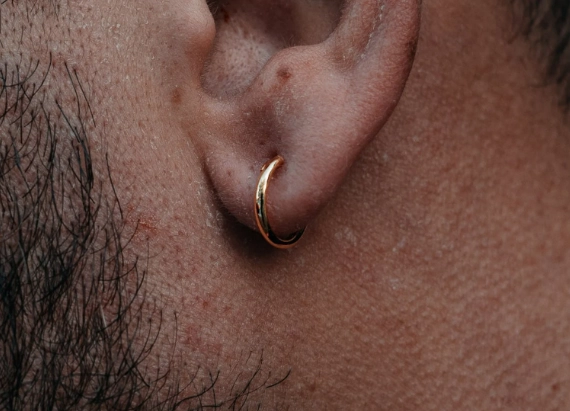
The Investment Angle: Are 18k Gold Hoops Worth It?
Let's be real. A pair of solid real 18k gold hoop earrings is a significant purchase. Is it just an expense, or is it an investment?
I look at it this way: Unlike fast-fashion jewelry that you replace every season, a quality pair of 18k gold hoops is a cost-per-wear champion. You wear them hundreds, maybe thousands of times over decades. The cost per wear becomes pennies. They become part of your signature style.
In terms of pure monetary value, the gold content has intrinsic worth. While you shouldn't buy jewelry purely as a financial investment (the retail markup is high), solid gold jewelry does retain value better than almost any other material. If you ever needed to, you could sell the gold for its melt-down value. You can't say that about a plated piece.
They're also heirlooms. These are the earrings you might one day pass down. That sentimental value is off the charts.
I bought my first pair of medium, solid 18k yellow gold hoops five years ago. I've worn them to job interviews, weddings, on vacation, and just to the grocery store. Every time I put them on, I feel put together. Not a single regret, even though I saved up for months. The cheap ones I bought before? Long gone in a landfill.
Answering Your Burning Questions (FAQ)
I've gotten a lot of questions from friends over the years. Here are the most common ones.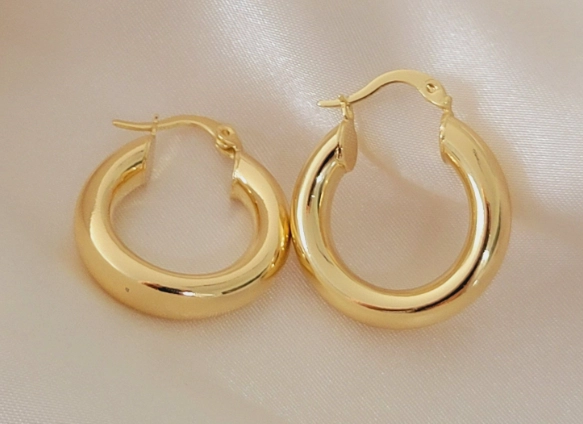
How much should I expect to pay for real 18k gold hoop earrings?
This is the big one. Price depends entirely on weight (size and if they're solid/hollow) and the brand's markup. For a modest pair of solid, medium (e.g., 30mm) hoops, you could be looking at anywhere from $800 to $2,500+ from a fine jeweler. Larger, designer, or diamond-accented hoops go much higher. Don't be fooled by prices that seem too good to be true—they almost always are.
Can I get my existing gold made into hoops?
Absolutely! Many jewelers offer remodelling services. You can bring in old, broken, or unused gold jewelry, and they can melt it down and craft it into a new pair of real gold hoop earrings 18k. You usually just pay for the labor and any additional gold needed. It's a sustainable and sentimental way to get exactly what you want.
Do 18k gold hoops come with diamonds?
They can, and it's a stunning combination. Often, you'll see hoops with a pavé line of diamonds or diamond-cut accents. Remember, if diamonds are involved, their quality (the 4Cs: cut, color, clarity, carat) will significantly impact the price. Always ask for a diamond grading report from a reputable lab like the Gemological Institute of America (GIA) for any substantial stones to understand exactly what you're buying.
Is the price of gold going up? Should I wait to buy?
Gold prices fluctuate daily based on global markets. Trying to time the market is nearly impossible for a jewelry purchase. If you find the perfect pair and it fits your budget now, I'd say go for it. You're buying a piece to wear and enjoy for years, not a stock to day-trade.
What's the difference between Italian and other 18k gold?
"Italian gold" often refers to a specific rich color or high-quality craftsmanship associated with Italy's jewelry-making traditions. The karat (18k) is the same purity. The difference is in the specific alloy mix (creating a preferred hue) and the finishing techniques, which can be exceptional. It's a mark of quality, not a different material.
Wrapping It Up: Your Checklist Before You Buy
Before you pull out your card, run through this list. It'll save you from buyer's remorse.
- Verify the Hallmark: Found a "750" or "18k" stamp? Good start.
- Check the Construction: Solid, hollow, or tube? Does it match your lifestyle and budget?
- Consider the Weight: Does it feel appropriately heavy for its size?
- Examine the Closure: Is it secure? Does the hinge move smoothly?
- Ask About the Alloy: If you have sensitive skin, confirm it's nickel-free.
- Research the Seller: Read reviews, check their return policy, and see if they have certifications.
- Trust Your Instincts: Does it feel right? Does it make you smile when you imagine wearing it?
Finding the perfect pair of real gold hoop earrings 18k is a journey. It's about finding that balance between timeless style, enduring quality, and personal expression. It's an investment in how you present yourself to the world every day.
Skip the trendy, disposable stuff. Go for the real thing. Your future self, putting on those same perfect hoops ten years from now, will thank you.