Your Quick Guide
Let's be real. You've saved up, you've dreamed of that perfect pair, and now you're staring at a listing online or holding a pair in your hands, and that little voice in your head starts whispering... "Is this too good to be true?" When it comes to Dior slingbacks, that iconic blend of elegance and edge, the market is flooded with fakes. Some are laughably bad. Others? They're scarily good, designed to trick even a seasoned eye. I've been there, heart sinking as I realized a "steal" was just that—someone stealing my money for a poorly made copy.
Knowing how to spot fake Dior slingbacks isn't just about protecting your wallet (though that's a huge part of it). It's about respecting the craftsmanship, the design heritage of a house like Dior, and ensuring you're getting the quality and comfort you paid for. A fake won't have the same support, the same leather that molds to your foot, the same feeling when you walk. It's the difference between an investment and junk.
Before You Even Buy: Setting Your Sights Right
Authentication starts before you click "buy now." A lot of heartache can be avoided by being smart from the get-go.
The Price is (Almost Always) the First Tell. Authentic Dior slingbacks retail for around $1000-$1200 USD for the classic models. If you see a brand new pair with tags for $300, it's a fake. Full stop. No authorized dealer is selling them at a 70% discount. For pre-owned, prices vary, but if it's significantly below market value for its condition, alarm bells should ring. Remember, if it seems too good to be true, it almost certainly is.
Know Your Seller. For new, buy directly from Dior boutiques or their official online store. For pre-owned, stick to platforms with strong authentication services like The RealReal or Vestiaire Collective (but still do your own checks!). Random eBay sellers or Instagram accounts with no history are a minefield. I got burned once on a lesser-known platform because I was too eager—the photos were stellar, the description perfect, but what arrived was a plasticky mess.
The Packaging Prelude: What the Box Can Tell You
Fakers often mess up the packaging first. It's an afterthought for them, but for Dior, presentation is key.
- The Box: It should be sturdy, high-quality cardboard in a distinct, creamy off-white color (not bright white). The Dior logo is embossed, not just printed. You should be able to feel it with your fingers. The font is crisp and sharp.
- The Dust Bag: This is a huge one. The authentic dust bag is made from a soft, thick cotton flannel (almost like a high-quality pajama material). The drawstring is sturdy, and the Dior logo is centered and neatly stitched or printed. Fake dust bags are often made from a thin, slippery polyester, the logo is off-center or fuzzy, and the drawstring feels cheap. I've seen some where the "r" in Dior looked more like an "n." Seriously.
- Extras: Authentic shoes often come with a spare heel tip (a little rubber piece) and sometimes a care booklet. Their presence isn't a guarantee of authenticity (fakes include them too), but their quality is. The spare tip should be neatly packaged in a tiny Dior-branded envelope or plastic bag.
The Main Event: Inspecting the Shoes Themselves
Okay, you've got the shoes in hand. This is where you become a detective. Grab a good light and maybe a magnifying glass if you have one.
1. The Heel & The Slingback Strap
This is the signature. The classic Dior slingback has a medium, curved kitten heel. The curve should be elegant and smooth. On fakes, the heel can look blocky, too straight, or poorly proportioned. Run your finger along the seam where the heel attaches to the shoe—it should be seamless and clean.
Now, the strap. The iconic "J'ADIOR" logo is embroidered on the elasticated strap. This is a major point of failure for counterfeits.
- Embroidery Quality: Every single letter should be perfectly defined, with no loose threads. The embroidery is dense and sits flush with the strap material. On fakes, the embroidery looks thin, bumpy, or the letters are connected by stray threads. The 'A' in J'ADIOR should have a distinct, sharp point.
- Placement & Alignment: The logo is centered perfectly on the strap. I mean perfectly. On fakes, it's often skewed slightly up, down, left, or right. The strap itself should have a clean, finished edge.
- Elastic Quality: The elastic should be firm but flexible, with a consistent weave. Cheap fakes use loose, shiny elastic that loses tension quickly.
2. The Sole & The Insole
Flip the shoe over. The leather on the outsole is usually a high-quality, smooth leather with the Dior logo embossed/debossed (pressed in, not raised) near the arch. The font is, again, crisp. Fake soles often use a cheaper, printed logo that can rub off, or the embossing is shallow and messy.
Look at the stitching on the sole's edge (the welt). It should be even, tight, and consistent. No glue stains oozing out.
Now, the insole. This is a goldmine for authentication. The insole is typically leather (or high-quality synthetic in some fabric styles) and has the Dior Paris logo embossed or printed.
The logo should be centered. The size and font proportion matter. Compare it to a known authentic image from Dior's site. Often on fakes, the "Paris" is too big or too small relative to "Dior."
3. The Material & Craftsmanship
Dior uses premium materials. The classic slingback is often in a cannage-patterned jacquard or soft calfskin.
Leather: It should smell like real, high-quality leather—a rich, pleasant smell. Not like chemicals or plastic. The grain should be fine and consistent. Press your finger into it gently; it should be supple and bounce back.
Jacquard/Canvas: The cannage pattern (the quilted look) should be impeccably even. The threads are tight, with no loose ends or snags. The pattern aligns perfectly across different panels of the shoe. On fakes, the pattern can be blurry, misaligned, or the fabric feels rough and cheap.
Stitching: This is non-negotiable. Every single stitch on an authentic Dior shoe is even, straight, and consistent in length and tension. There are no skipped stitches, no double-stitched mistakes, and the thread color matches perfectly. Look at areas like the toe cap and the back seam. Fakes have sloppy, uneven stitching, sometimes with thread that's a slightly different shade.
4. The Interior: Labels & Numbers
Inside the shoe, usually on the inner side, you'll find the size label. It's a clean, printed or embossed label with the size (e.g., 38.5), the country of manufacture (often Italy), and sometimes a style code. The font is clean and modern (usually a sans-serif). Fake labels often use the wrong font (like Times New Roman, which is a dead giveaway), have typos, or are printed on a cheap, shiny sticker.
There should also be a serial number or production code stamped somewhere inside, often near the heel or under the insole (if you can gently lift a corner). This is a series of numbers and letters. It won't mean much to you, but its presence and the crispness of the stamp are important. A blurry, uneven stamp is a bad sign.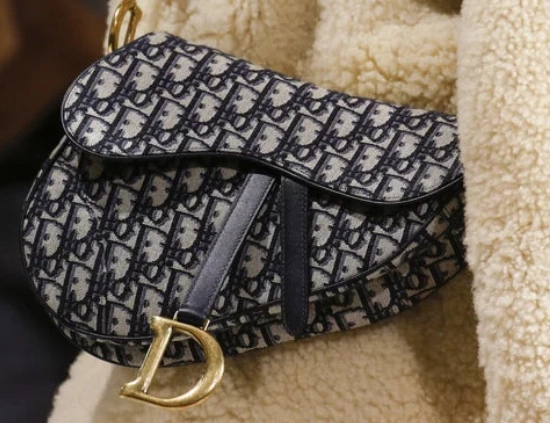
The Advanced Checklist: Things Most Guides Miss
Want to go to expert level? Here are the subtle touches that separate the master fakers from Dior's actual master craftsmen.
- The Shape & Last: Dior shoes are built on a specific "last" (the foot form). This gives them a distinctive, elegant silhouette from every angle—the arch, the toe box slope. Fakes often get the overall shape slightly wrong; it can look clunkier or less refined. Compare the profile view side-by-side with an official product photo.
- The Interior Feel: The inside of the shoe should be finished beautifully. No rough seams poking your foot, no globs of glue. The lining (if present) is smooth and luxurious.
- Metal Details: If your slingbacks have any metal hardware (like on some variations), it should have weight to it, be cool to the touch, and have a clean, sharp engraving of the Dior logo if applicable. Light, plasticky-feeling metal is a red flag.
- Weight: This sounds odd, but pick it up. Quality materials and construction have a certain heft. Very light shoes can indicate cheap materials.
| Feature | Authentic Dior Slingback | Common Fake Giveaway |
|---|---|---|
| J'ADIOR Strap Embroidery | Dense, flawless, perfectly centered, sharp letters. | Thin, fuzzy, misaligned, loose threads connecting letters. |
| Insole Logo | Embossed/printed directly into the insole material. | A separate, glued-on patch that feels cheap and can peel. |
| Stitching | Impeccably even, consistent, and neat across the entire shoe. | Uneven, sloppy, varying stitch length, visible glue. |
| Dust Bag | Thick, soft cotton flannel, crisp logo. | Thin, slippery polyester, blurred or off-center logo. |
| Leather Smell & Feel | Rich, authentic leather smell; supple, fine grain. | Chemical or plastic odor; stiff or plasticky feel. |
Your Questions, Answered (The Stuff You're Secretly Googling)
Let's tackle some specific worries head-on.

Putting It All Together: Your Action Plan
Feeling overwhelmed? Don't be. Break it down.
- Start with the Seller & Price. If these don't feel right, walk away. It's the easiest filter.
- Receive the item. Film yourself opening the package. It's evidence if you need to dispute.
- Do the holistic feel test. Weight, smell, material quality. Does it feel luxurious?
- Go detail by detail. Use this guide as a checklist. Focus on the strap embroidery, the insole, and the stitching. These are the biggest trip-ups for fakers.
- Compare, compare, compare. Have the official Dior website product page open on your phone. Compare every angle, every logo, every proportion.
- Trust your gut. If after all your checks something still feels "off," it probably is. The process of learning how to spot fake Dior slingbacks sharpens your instinct.
Remember, buying luxury, especially second-hand, requires a bit of homework. But that homework means you end up with a beautiful, authentic piece that will last for years, not a disappointing knockoff that falls apart in a season. The confidence you get from knowing you can spot the difference is almost as good as wearing the shoes themselves.