Quick Guide
Okay, let's talk about dry shampoo. We've all been there. Hair looks flat, maybe a bit greasy, and there's no time for a full wash. You reach for that can, give it a spray, and boom – instant volume and freshness. It's a lifesaver. But then you start hearing things. Rumors about certain ingredients not being great for your scalp, or that chalky residue building up. And you stop and think, wait a minute, what's the healthiest dry shampoo for your hair, really? Is the one I'm using okay, or am I trading a quick fix for long-term problems?
I found myself asking that exact question a couple of years ago. I was using a popular drugstore brand daily, and my scalp started feeling… off. A bit itchy, sometimes tender. I brushed it off at first, but it kept bugging me (literally). That's when I dove headfirst into the world of dry shampoo ingredients, and let me tell you, it was an eye-opener. The answer to "what's the healthiest dry shampoo" isn't about one magic brand. It's about understanding what's in the bottle (or can) and how it interacts with your unique hair and scalp.
This isn't about fear-mongering. It's about making informed choices. Some ingredients are perfectly fine for most people. Others might be irritants for sensitive individuals or are best avoided if you're aiming for a truly clean routine. So, let's skip the fluff and marketing jargon. We're going to look at the components that matter, decode those confusing labels, and I'll share some brands that are genuinely trying to do better.
Why Should You Even Care About a "Healthy" Dry Shampoo?
It's just hair, right? Well, not exactly. Your scalp is skin, and it's living, breathing, and has pores (hair follicles) that can get clogged. Think of it like the skin on your face. You wouldn't slather a thick, pore-clogging powder on your face every day without washing it off, would you? The same logic applies up top.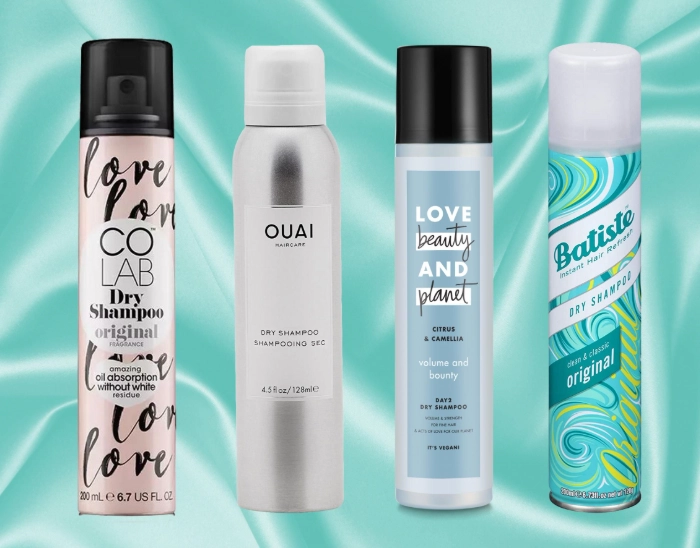
Using a dry shampoo with harsh solvents, heavy silicones, or questionable propellants can lead to a few issues:
- Scalp Buildup: This is the big one. Ingredients like certain polymers and silicones can build up on your scalp and hair shaft over time. This can weigh hair down, make it look dull, and even create a flaky, dandruff-like situation that's just product residue.
- Follicle Clogging: A clogged hair follicle isn't a happy one. It can potentially weaken the hair root and, in persistent cases, even affect hair growth. The American Academy of Dermatology notes that scalp health is foundational for hair health.
- Irritation and Dryness: Alcohols (like SD alcohol 40 or isobutane) are great for quick evaporation, but they can be seriously drying and irritating for sensitive scalps.
- Breathing in Particles: This is a less-discussed point. Aerosol sprays create a fine mist you can inhale. While research is ongoing, some health advocates recommend minimizing inhalation of any unnecessary airborne particles, especially those with fragrance chemicals. The Environmental Working Group (EWG) often flags this as a concern in their cosmetic assessments.
So, finding a healthier option isn't just a trendy "clean beauty" thing. It's about maintaining the long-term health of your scalp, which directly impacts the look and feel of your hair.
The Ingredient Deep Dive: The Good, The Bad, and The "It Depends"
This is where we answer the meat of the question: what's the healthiest dry shampoo for your hair made of? Let's break down common ingredients.
Absorbents: The Workhorses
These are the powders that soak up the oil. Not all are created equal.
- Rice Starch / Oryza Sativa Starch: A personal favorite and often considered one of the best. It's a fine, natural powder that absorbs oil beautifully without being too drying. It's also usually white but blends well into lighter hair. For darker hair, you need to brush it out thoroughly or find a tinted version.
- Corn Starch (Zea Mays Starch): Another excellent natural option. Similar to rice starch, it's gentle and effective. Many "clean" brands use this as their base.
- Kaolin Clay: A gentle clay that absorbs oil and impurities. It can add a bit of texture and volume. Great for most hair types, especially if you want a bit of grip for styling.
- Arrowroot Powder: Super gentle and a go-to for ultra-sensitive scalps. It's less absorbent than rice or corn starch, so it might not hold up for super oily hair, but it's incredibly kind to the skin.
- Tapioca Starch: Another gentle, plant-derived option that works well.
Ingredients That Raise Red Flags (The Ones to Scrutinize)
These aren't automatically "bad," but they are the reason you need to read labels. Their presence often separates a conventional dry shampoo from one aiming to be healthier.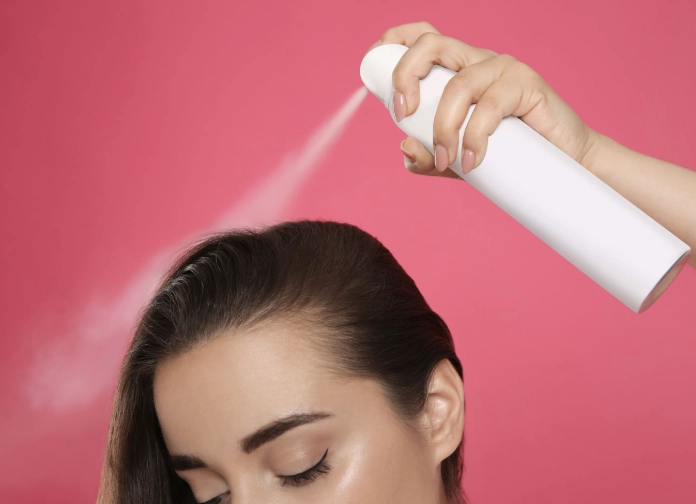
| Ingredient | Common Purpose | Potential Concerns / Why It's Flagged |
|---|---|---|
| Butane, Isobutane, Propane | Propellants in aerosol sprays. | They are petroleum-derived gases. The main concern is inhalation, as they help deliver the product (and any other ingredients) deep into your lungs. They are also highly flammable. Many non-aerosol powder formats avoid these entirely. |
| Siloxanes (Cyclopentasiloxane, Dimethicone) | Helps distribute product, adds slip, can make hair feel smooth. | They are silicone-based. While they feel nice temporarily, they can create a water-insoluble film that builds up on hair and scalp, potentially leading to clogged follicles, dullness, and weighing hair down. They're not easily washed away with water alone. |
| Talc (Magnesium Silicate) | Absorbent and filler. | While cosmetic-grade talc is considered safe, it has been controversial due to potential asbestos contamination in the past (though strict regulations now exist). Many people and brands simply prefer to avoid it, opting for plant starches instead. |
| SD Alcohol 40, Denat. Alcohol | Solvent, helps with quick drying. | Can be very drying and stripping to both hair and scalp, leading to irritation, especially with frequent use. |
| Artificial Fragrances/Parfum | Adds scent. | This is a big one for sensitivity. "Fragrance" or "parfum" is a trade secret cocktail that can contain dozens of chemicals, some of which are known allergens or irritants. If you have a sensitive scalp or react to scents, this is a key ingredient to avoid. |
What About Aerosol vs. Powder?
This is a major fork in the road when choosing what's the healthiest dry shampoo for your hair.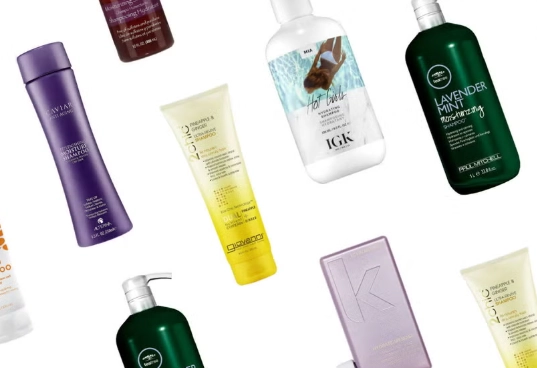
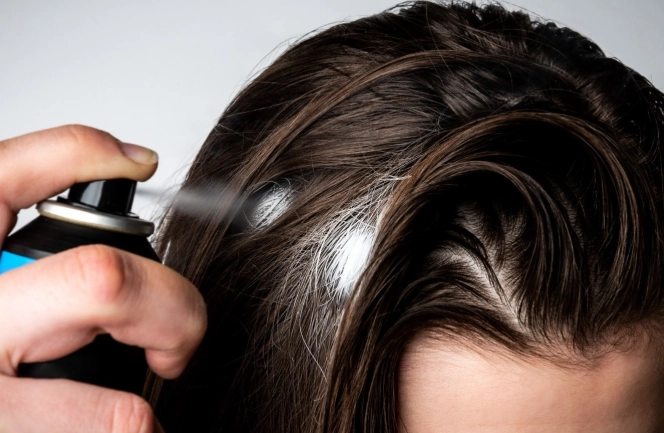
Aerosol (Spray): Convenient, easy to apply evenly, especially at the roots. The big downside? The propellants (butane, etc.) and the inhalation risk. If you use aerosol, the advice is always: spray in a well-ventilated area, hold the can at least 6-8 inches away, and try not to breathe it in directly.
Non-Aerosol (Powder or Non-Pressurized Spray): These come in squeeze bottles with a shaker top, brush applicators, or loose powder you sprinkle. The huge advantage is no propellant gases. You have more control over application, reducing waste and inhalation. The downside? They can be messier and have a learning curve to apply evenly without leaving white patches.
From a purely "healthy ingredients" perspective, non-aerosol formats win because they eliminate the propellant issue. But let's be practical – aerosols are incredibly convenient. The key is to choose an aerosol that uses cleaner ingredients aside from the necessary propellant.
Top Contenders: Brands That Are Answering the Call for Healthier Formulas
Alright, theory is great, but what about real products? Here are some brands that consistently come up when people search for what's the healthiest dry shampoo. I've broken them into categories based on their strengths. I've tried most of these myself, and I'll give you my blunt take.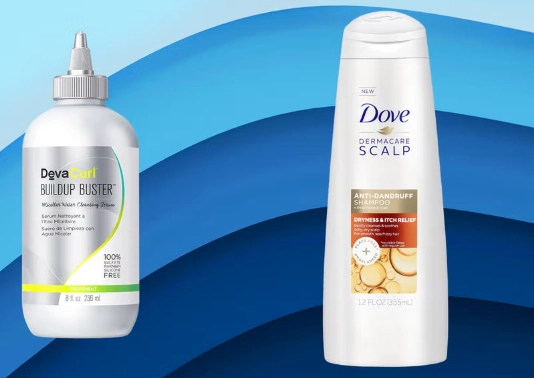
For a Truly Clean, Transparent Formula
These brands focus on minimal, food-grade, and natural ingredient lists.
Clean Formula Act + Acre Plant-Based Dry Shampoo: This is a non-aerosol powder in a sleek bottle. Ingredients are stellar: corn starch, rice starch, kaolin clay, and colloidal oatmeal (soothing!). Scent comes from geranium and palmarosa essential oils. It's fantastic for sensitive scalps and leaves no detectable residue when brushed out. It's pricey, but a little goes a long way. My dark hair needs careful blending, but it's worth the effort.
Clean Formula R+Co Death Valley Dry Shampoo: An aerosol that manages to be pretty clean. It uses rice starch as the main absorbent and is free of talc, aluminum starch, and parabens. The scent is strong (a unisex, herbal vibe) which some love and some hate. It gives great volume. The propellant is still there, but the other ingredients are a big step up from conventional options.
For the Organic & Natural Focus
These go a step further, often featuring certified organic ingredients.
Organic Focus Rahua Voluminous Dry Shampoo: This is a cult-favorite powder. Key ingredients are tapioca starch and certified organic rahua oil. It's very lightweight and adds incredible volume and texture. The scent is a unique, earthy-floral from Amazonian botanicals. It's one of the best for adding body without any crunch or stickiness. Again, a powder format, so application takes practice.
Organic Focus Innersense Organic Beauty Dry Shampoo: A non-aerosol spray (it uses a mechanical pump, not gas). Its base is corn starch and it's packed with organic aloe and herbs. It's designed to be incredibly gentle and is a favorite among hairdressers specializing in clean beauty. It doesn't offer the strongest oil control for very oily hair, but for refreshing second-day hair and adding lift, it's excellent and feels like nothing is there.
For Scalp-Soothing & Sensitive Types
If your scalp is easily irritated, these are worth a look.
Scalp Care Briogeo Scalp Revival Charcoal + Biotin Dry Shampoo: This one is interesting. It uses binchotan charcoal (a purifying agent) along with corn starch. The charcoal is great for absorbing excess oil and impurities. It also contains biotin and witch hazel. It's an aerosol, but it's formulated with scalp health in mind. The tint is a light gray-beige, which works well for brunettes and blends better than pure white powders.
Scalp Care Klorane Dry Shampoo with Oat Milk: A classic for a reason. This aerosol uses oat milk, which is known for its soothing, anti-irritating properties. It's a great bridge product – more accessible than some luxury brands, but with a thoughtful ingredient (the oat milk) that sets it apart from basic drugstore options. It's gentle and effective, though it still contains butane propellant.
How to Actually Use Dry Shampoo in a Healthier Way
Choosing a better product is half the battle. How you use it is the other half. Even the healthiest dry shampoo can cause issues if abused.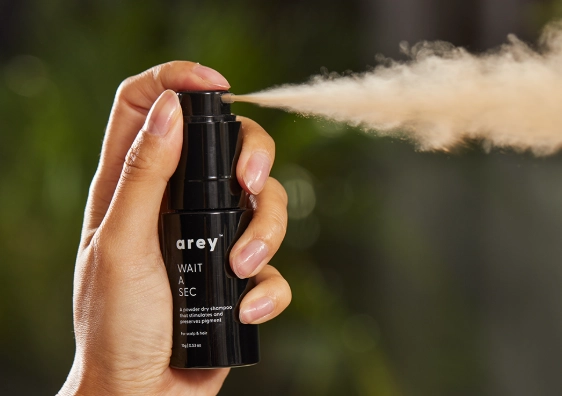
Don't Overapply. This is the biggest mistake. You don't need to drench your roots. Section your hair, spray or sprinkle lightly from about 6-8 inches away, focusing on the oiliest areas (typically the crown and part line).
Let It Sit. Give the absorbent powder a minute or two to actually work. Don't rub it in immediately.
Massage and Brush Thoroughly. Use your fingertips to massage your scalp and break up any powder clusters. Then, brush your hair thoroughly from roots to ends. This distributes the product, removes excess, and stimulates blood flow to your scalp.
It's Not a Wash Replacement. This is crucial. Dry shampoo is a refresh tool, not a substitute for washing with water and cleanser. Water is what truly hydrates your scalp and cleanses follicles. Try not to use it more than two days in a row. Give your scalp a proper wash to prevent buildup.
Do a Clarifying Wash Weekly. Once a week, use a clarifying shampoo to remove any cumulative buildup from dry shampoo, styling products, and environmental gunk. This resets your scalp and hair.
Wrapping It Up: Finding Your Healthy Match
So, after all this, what's the final answer to what's the healthiest dry shampoo for your hair?
It's the one that effectively manages oil while containing the gentlest, most scalp-friendly ingredients you can find and afford. It's a product you use mindfully, not a crutch. For me, the journey meant switching from aerosol gases and synthetic fragrances to simple plant starches and essential oils. My scalp thanked me for it.
Start by looking at the ingredient list of your current bottle. Can you spot rice starch, corn starch, or oat milk? Or do you see butane, cyclopentasiloxane, and just "fragrance"? That investigation is the first step. Then, maybe try one of the brands mentioned here. Give a non-aerosol powder a shot, even if it feels awkward at first.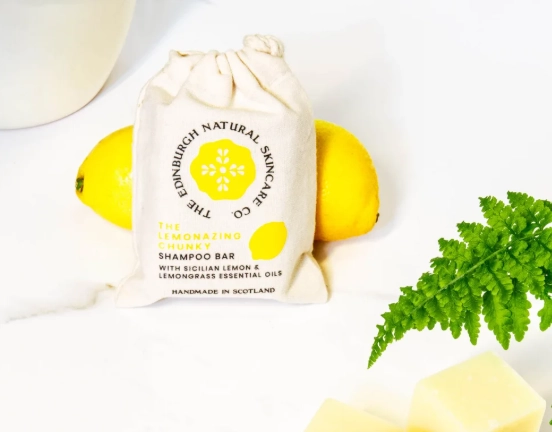
Remember, no product is perfect. The healthiest choice is always to wash your hair with water when you can. But for those in-between days, emergencies, or volume boosts, you now have the knowledge to pick an option that cares for your hair and scalp, not just your schedule. Your hair will look better in the long run because it will be growing from a healthier foundation. And that's the real goal, isn't it?