Let's be honest. That "Dry Clean Only" tag on your favorite cashmere sweater or merino wool cardigan feels more like a threat than a suggestion. You wear it, it eventually gets a whiff of dinner or a faint stain, and then it hangs in your closet, sentenced to a life of infrequent, expensive dry cleaning trips. I've been there. I once ruined a beautiful lambswool blend by throwing it in the machine on a gentle cycle, thinking I was clever. The result was a felted, child-sized version of its former self. That mistake taught me more than any label ever could.
The good news? You can absolutely wash wool and cashmere at home. In fact, gentle hand washing is often better for the fibers than harsh chemical dry cleaning. It removes body oils more thoroughly and preserves the natural softness. The fear of shrinkage and felting is real, but it's entirely preventable with the right knowledge. This guide isn't just a list of steps; it's the method I've honed over a decade of caring for luxury knits, from fine-gauge cashmere to chunky wool blends.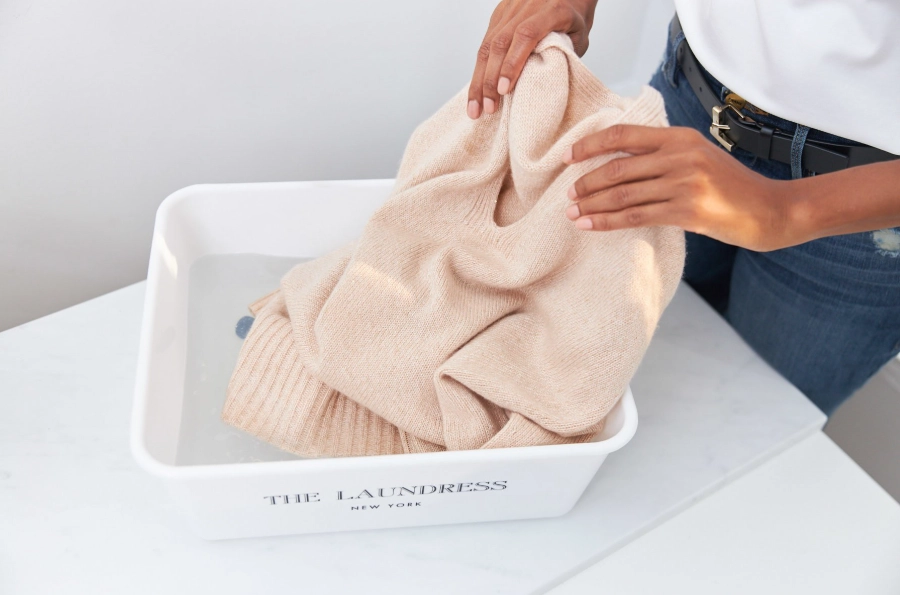
What You'll Learn Inside
- Why Hand Washing Beats Dry Cleaning (Most of the Time)
- Gathering Your Supplies: The Right Tools Matter
- The Pre-Wash Ritual: Spot Treatment & Prep
- The Step-by-Step Washing Process
- Drying Without Disaster: The Make-or-Break Phase
- Long-Term Storage and Between-Wear Maintenance
- Troubleshooting: Your Burning Questions Answered
Why Hand Washing Beats Dry Cleaning (Most of the Time)
Most people think dry cleaning is the safest option. For heavily structured wool garments like suits or coats, that's often true. But for sweaters, scarves, and knitwear? Hand washing wins. Traditional dry cleaning uses a solvent called perchloroethylene (perc), which can strip natural lanolin from wool over time, leaving fibers brittle. It also doesn't dissolve water-based stains like sweat or wine very well.
Hand washing with a pH-neutral detergent allows you to control the process completely. You use cool water, minimal agitation, and a gentle touch—things no commercial machine, however "gentle," can replicate. You're also saving money and reducing chemical use, which aligns with a more sustainable approach to fashion. The key is moving past the fear. The first time is nerve-wracking, I won't lie. But once you see your sweater emerge clean, soft, and perfectly sized, you'll never look back.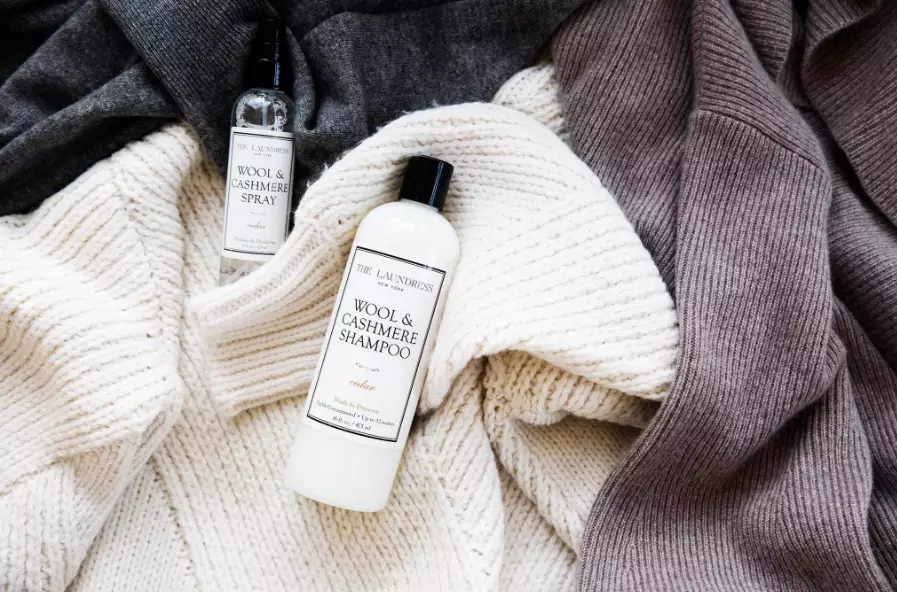
Gathering Your Supplies: The Right Tools Matter
You don't need fancy equipment, but using the wrong soap is the most common mistake. Skip the regular laundry detergent and fabric softener entirely.
Your Essential Washing Kit
The Detergent: This is non-negotiable. You need a detergent specifically formulated for wool or delicates. Look for terms like "lanolin-rich," "pH-neutral," or "no rinse." Brands like The Laundress Wool & Cashmere Shampoo, Eucalan, or Kookaburra Wash are excellent. They clean without harsh surfactants and often contain conditioners. Eucalan, for instance, requires no rinsing, which drastically reduces handling.
The Basin: A clean sink, bathtub, or a large plastic tub. Plug it and give it a quick rinse first to remove any cleaning product residue.
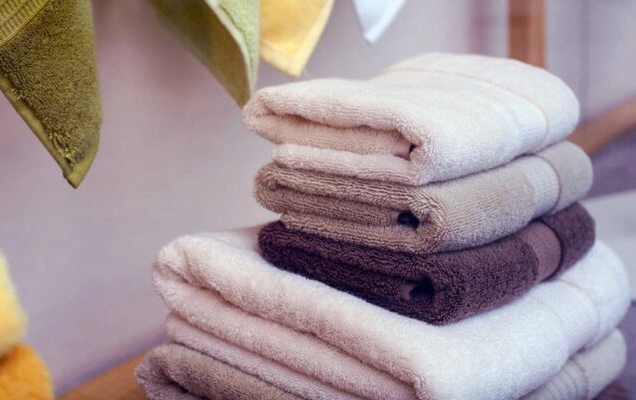
Towels: At least two large, absorbent, clean towels (bath towels are perfect). Terry cloth or microfiber works best.
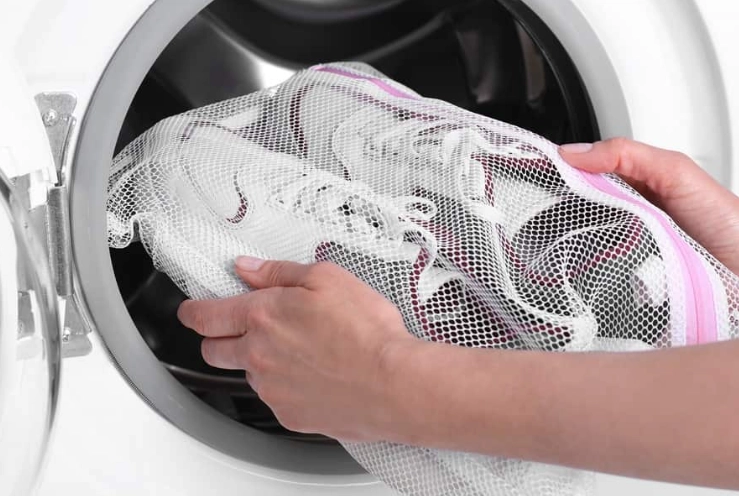
Optional but Helpful: A mesh laundry bag for extra security if you're nervous, and a garment rack for drying.
The Pre-Wash Ritual: Spot Treatment & Prep
Don't just dunk it. Take two minutes for prep. Turn the garment inside out. This protects the outer surface during washing. Gently brush off any surface dust or lint with a soft clothes brush.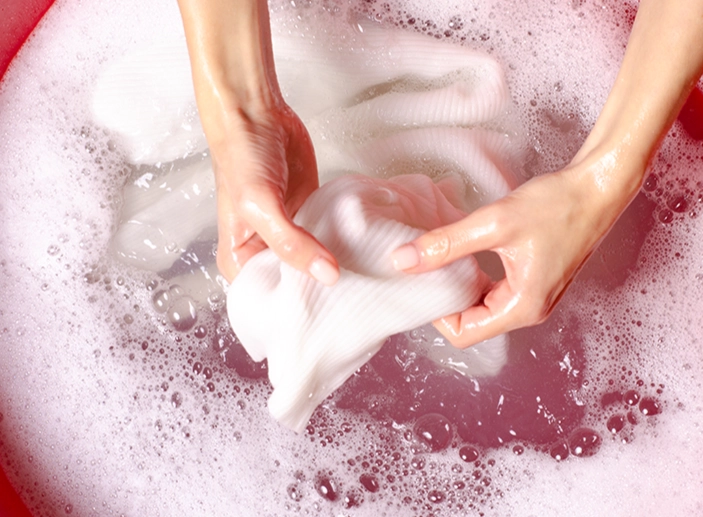
Now, check for stains. Oil-based stains (butter, makeup) need a different approach than water-based ones (wine, coffee). For most food or drink spills, dab (don't rub) the area with a tiny amount of your wool detergent directly on the stain, gently working it in with your fingers. Let it sit for 10-15 minutes before washing. For stubborn oil, a tiny drop of clear dish soap on the spot can work wonders—but test on an inside seam first.
The Big No-Nos: Never use chlorine bleach, stain sticks designed for cotton, or hot water. Never wring, twist, or scrub the fabric. Agitation + heat + moisture = felting (that irreversible shrinkage I experienced). Your goal is to be a gentle, supportive spa attendant, not a vigorous masseuse.
The Step-by-Step Washing Process
Here’s the moment of truth. Follow this sequence slowly.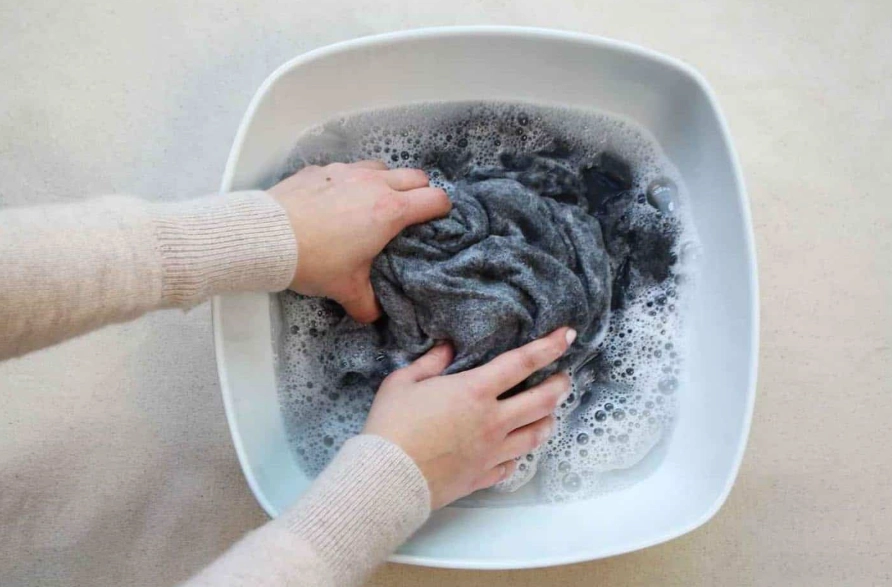
Step 1: Fill and Mix
Fill your basin with cool or lukewarm water. Test it on your wrist—it should feel cool to neutral, never warm. Hot water shocks the fibers and causes them to contract and lock together (felting). Add the recommended amount of wool detergent (usually a capful) and swish your hand to dissolve it completely before adding your sweater.
Step 2: Submerge and Soak
Place your garment into the soapy water. Gently press it down to ensure it's fully submerged. Now, walk away. Seriously. Let it soak for 15-30 minutes. This is where the detergent does the work. You might gently press and release the fabric a few times to circulate the soapy water, but no swishing, rubbing, or agitation.
Step 3: The Rinse
Drain the soapy water. Gently lift the sweater and support its weight—don't let it hang and stretch. Press it against the side of the basin to remove excess water. Refill the basin with fresh cool water of the same temperature. Submerge the sweater again and gently press to rinse. Repeat with a second rinse if you see any suds. If you're using a no-rinse formula like Eucalan, you can skip this entire step, which is a game-changer for reducing risk.
Step 4: Remove Excess Water
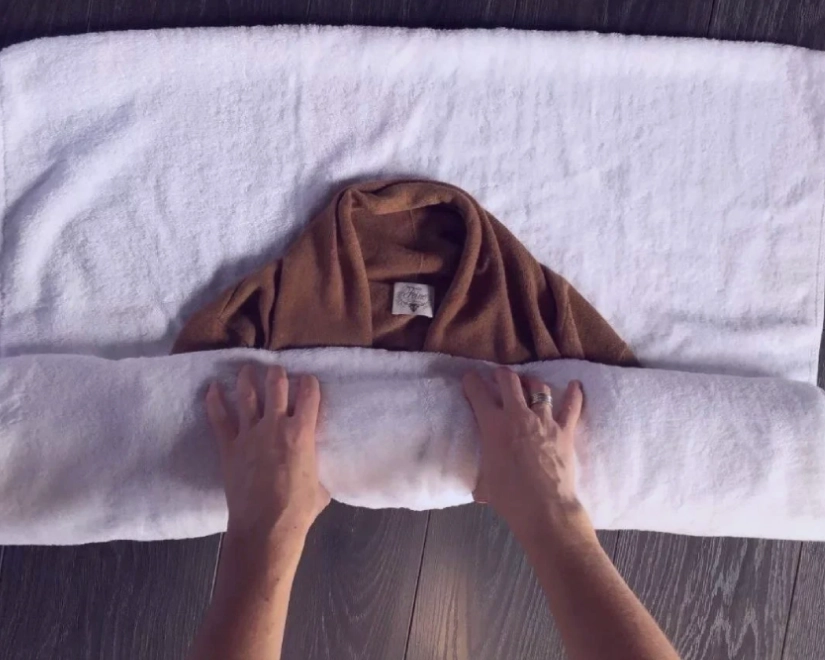
This is critical. Never wring. Lay one of your large towels flat on the counter. Place the rinsed, dripping sweater onto the towel. Roll the towel up with the sweater inside, like a giant jelly roll. Starting from one end, gently but firmly press and roll along the length of the towel. You'll see a shocking amount of water transfer into the towel. Unroll, move the sweater to a dry section of the towel or use your second towel, and repeat. The goal is to get the sweater from dripping wet to damp.
Drying Without Disaster: The Make-or-Break Phase
Drying is where most post-wash mistakes happen. You must reshape the garment to its original dimensions while it's damp.
- Lay your second dry towel flat on a drying rack, a clean, breathable surface (not directly on wood), or even a mesh sweater dryer.
- Gently arrange the damp sweater on the towel, face up. Pat and smooth it into its proper shape. Pay attention to the shoulders, sleeve length, and overall width. If it's a cardigan, button it up. If it's a V-neck, make sure the neckline is symmetrical.
- Let it dry flat, away from direct sunlight or heat sources (radiators, heaters, hair dryers). Direct heat is as damaging as hot water. A fan circulating air in the room can speed up drying safely.
- Flip the sweater over halfway through drying to ensure the underside dries completely. This can take 24-48 hours. Be patient.
Long-Term Storage and Maintenance
Don't hang knitwear. It will stretch out at the shoulders. Always fold and store in a drawer or on a shelf. For long-term seasonal storage, use breathable cotton bags, not plastic, which can trap moisture and cause mildew. Add natural moth repellents like cedar blocks or lavender sachets—avoid chemical mothballs, which can leave a permanent odor in the fibers.
Between washes, air out your sweaters after wearing. Hanging them on a padded hanger for a few hours in a well-ventilated area lets moisture from your body evaporate and reduces the need for frequent washing.