You just finished a tough match. Your feet feel great, but your shoes? They're a mess. Dirt from the clay court is caked on the sides, grass stains streak the white mesh, and that familiar post-game odor is starting to announce itself. Throwing them in the washer seems easy, but you've heard horror stories—shoes coming out misshapen, glue melting, colors bleeding. I've been there. I've also ruined a perfectly good pair by being careless. Over years of coaching and playing, I've learned that washing tennis shoes isn't just about cleaning; it's about preserving an investment and ensuring they perform and look good for their entire lifespan. Let's cut through the guesswork and get into the definitive guide on how to wash your tennis shoes properly.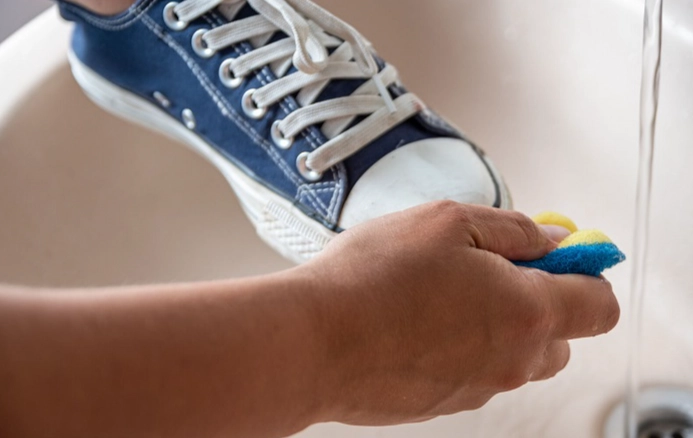
What You'll Learn in This Guide
- The Crucial Prep Work Everyone Skips
- Machine Washing vs. Hand Washing: Which is Best?
- Step-by-Step: The Safe Machine Wash Method
- Step-by-Step: The Thorough Hand Wash Method
- Material Matters: Leather, Mesh, and Synthetic
- Targeted Attack: Removing Specific Stains
- The Biggest Drying Mistakes (& How to Avoid Them)
- Long-Term Odor Prevention & Storage
- Your Tennis Shoe Cleaning Questions Answered
The Crucial Prep Work Everyone Skips
Most people grab their dirty shoes and head straight for the sink or washer. Stop. This prep stage is what separates a good clean from a great one, and it prevents damage.
Remove the laces and insoles. Take them out. Every time. Laces trap dirt and moisture, and insoles are the primary source of odor. Washing them separately ensures they get clean and allows you to access every part of the shoe.
Dry brush off loose debris. Use a stiff-bristled brush (an old toothbrush works) or even a dry towel to knock off dried mud, clay, or sand. Do this over a trash can. Forcing this grit into a wet wash just grinds it into the fabric, acting like sandpaper.
Check the care label. It sounds obvious, but nobody does it. Inside the tongue or along the inner wall, there's usually a symbol. A circle means it's okay for machine washing. If you see an X over a tub of water, it's hand wash only. I learned this the hard way with a pair of premium leather court shoes that had "do not wash" instructions—they were meant to be wiped clean only.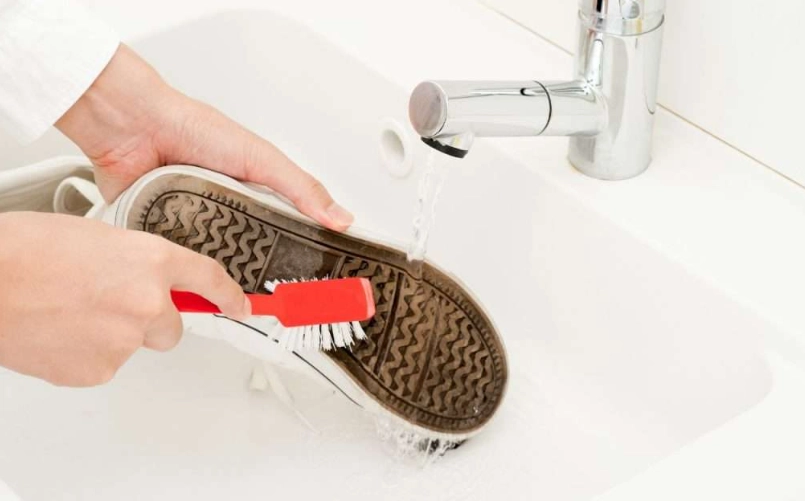
Machine Washing vs. Hand Washing: Which is Best?
This is the big debate. The answer isn't one-size-fits-all; it depends on your shoes' material, age, and how dirty they are.
| Method | Best For | Pros | Cons & Risks |
|---|---|---|---|
| Machine Washing | Modern synthetic/mesh trainers, heavily soiled everyday sneakers, shoes with robust construction. | Less effort, good for deep cleaning, consistent results. | Can damage glue, deform shoes, cause colors to run if not prepared correctly. |
| Hand Washing | Leather/upholstery shoes, older or delicate shoes, shoes with special materials (e.g., suede accents), spot cleaning. | Maximum control, gentler on materials, preserves shoe structure. | More time-consuming, requires more elbow grease. |
My rule of thumb: If the shoes are mostly synthetic and you play frequently, a gentle machine wash every few deep cleans is efficient. For regular maintenance, a quick hand wash is superior. For any shoe with leather or that you're emotionally attached to, always hand wash.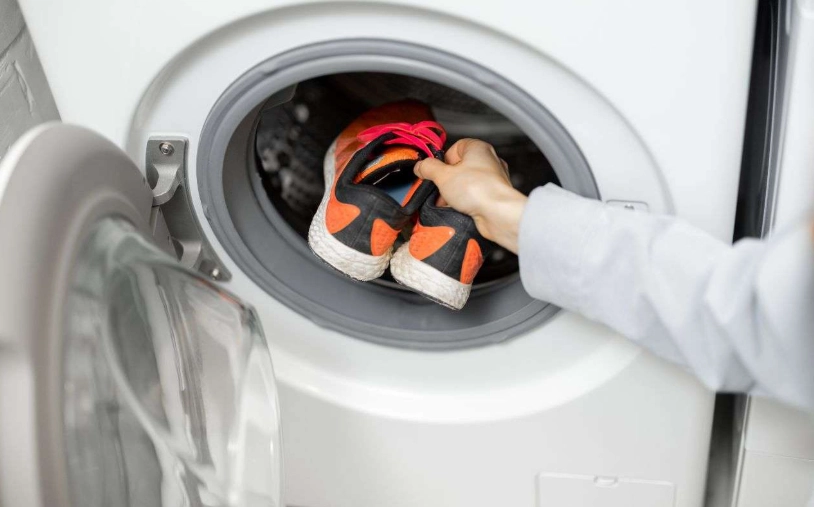
Step-by-Step: The Safe Machine Wash Method
The Machine Wash Protocol
- Use a Gentle Detergent: Avoid heavy detergents with bleach or strong enzymes. Use a small amount of mild liquid detergent. Powder detergent can leave residue.
- Protect the Shoes: Place each shoe in a separate mesh laundry bag or a tied pillowcase. This prevents them from bouncing violently and snagging.
- Add Buffer Items: Throw in a couple of towels. They cushion the shoes and balance the load, preventing the machine from becoming off-balance.
- Select the Right Cycle: Use cold water on a gentle or delicate cycle. Never use hot water—it can weaken adhesives and cause shrinkage.
- Skip the Spin: If your machine allows, reduce or skip the spin cycle. High-speed spinning can warp the shoe's shape.
After the cycle, don't just pull them out and call it a day. Inspect them. Are there still dirt patches? Is the insole area still grimy? If so, you might need to do some targeted hand cleaning on those spots before drying.
Step-by-Step: The Thorough Hand Wash Method
This is my preferred method for my match shoes. It gives you control.
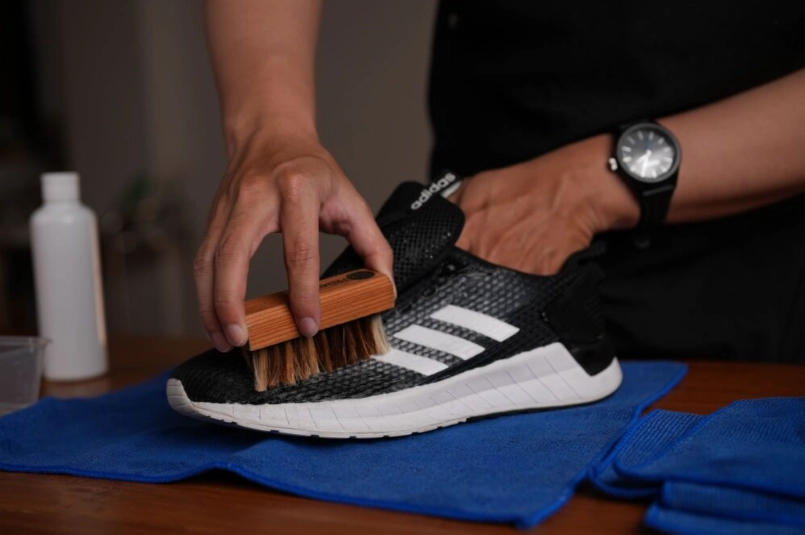
Create your cleaning solution. Mix a few drops of mild dish soap (like Dawn) or a dedicated sneaker cleaner with lukewarm water in a bowl. Avoid using harsh chemicals like bleach or ammonia directly on the shoes.
Focus on one section at a time. Dip your soft-bristled brush (a nail brush or soft toothbrush) into the solution. Scrub in small circles. Start with the midsole and outsole—the dirtiest parts—then move to the upper mesh or synthetic material. Be extra gentle on any logos or printed graphics.
The inside matters. Don't forget the interior! Use the brush to scrub inside the shoe, focusing on the toe box and heel counter where sweat accumulates. This is crucial for odor removal.
Rinse thoroughly with cool water. This is the step people rush. Leftover soap attracts more dirt. Rinse until the water runs completely clear. You can use a gentle stream from the tap or a damp cloth to wipe away soap suds.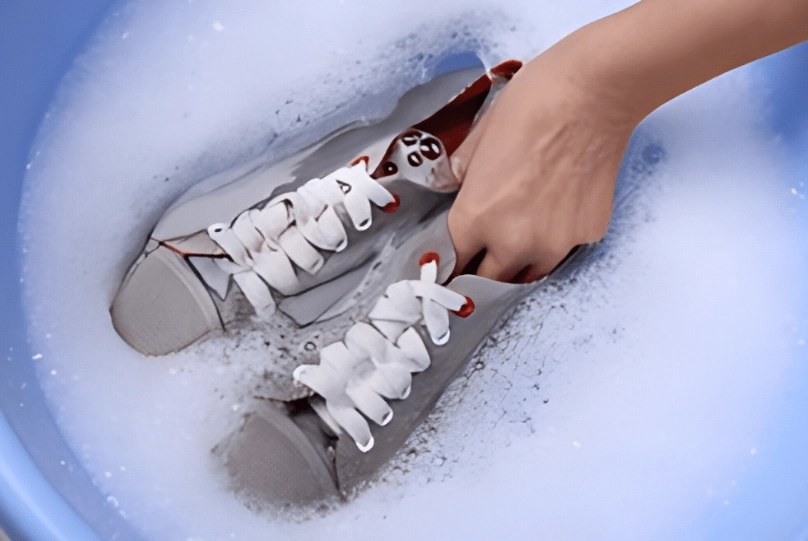
Material Matters: Leather, Mesh, and Synthetic
Cleaning White Mesh Tennis Shoes
The bane of every tennis player's existence. For general grime, the methods above work. For yellowing or set-in stains, make a paste of baking soda and water or use a dedicated whitening sneaker cleaner. Apply, let it sit for 15 minutes, then scrub gently. Some swear by a tiny amount of white vinegar in water for the final rinse to combat yellowing, but test on an inconspicuous area first.
Cleaning Leather Tennis Shoes
As mentioned, no soaking. Clean with a dedicated leather cleaner or a damp microfiber cloth. After cleaning and drying, apply a leather conditioner to keep the material supple and prevent cracks. This is non-negotiable for longevity.
Cleaning Synthetic & Rubber Parts
These are the most forgiving. Your standard soap and water scrub works well. For the hard rubber outsole, a magic eraser (melamine foam) can work wonders on scuff marks without harsh chemicals.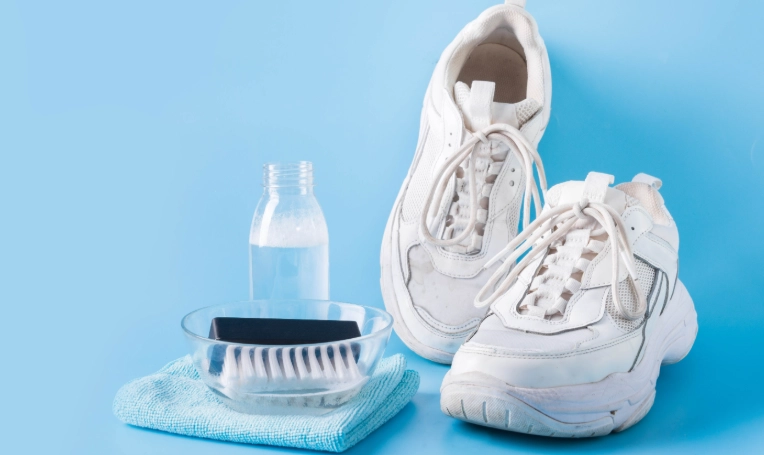
Targeted Attack: Removing Specific Stains
- Clay/Red Dirt: Let it dry completely, then brush off. For residue, a mix of water and a drop of dish soap. Avoid scrubbing while wet, as it pushes the stain deeper.
- Grass Stains: Rubbing alcohol on a cotton ball can be effective. Dab, don't rub aggressively. Test on a hidden spot first.
- Scuff Marks: A pencil eraser or melamine foam magic eraser. Gentle pressure is key.
The Biggest Drying Mistakes (& How to Avoid Them)
This is where most shoes are destroyed. Never, ever put tennis shoes in the dryer. The heat will melt the glue that holds the sole to the upper and can severely warp the shoe.
The right way to dry:
- Stuff with paper towels or newspaper. This absorbs moisture from the inside and helps the shoe retain its shape. Change the paper every few hours as it gets damp.
- Air dry at room temperature. Place them in a well-ventilated area, away from direct sunlight, heaters, or radiators. Direct heat is just as bad as the dryer.
- Position them properly. Lie them on their side, alternating sides every few hours. This prevents water from pooling in the toe. You can also use a shoe tree.
Patience is vital. It can take 24-48 hours for shoes to dry completely inside and out. Putting them on while damp is a surefire way to breed bacteria and cause odor.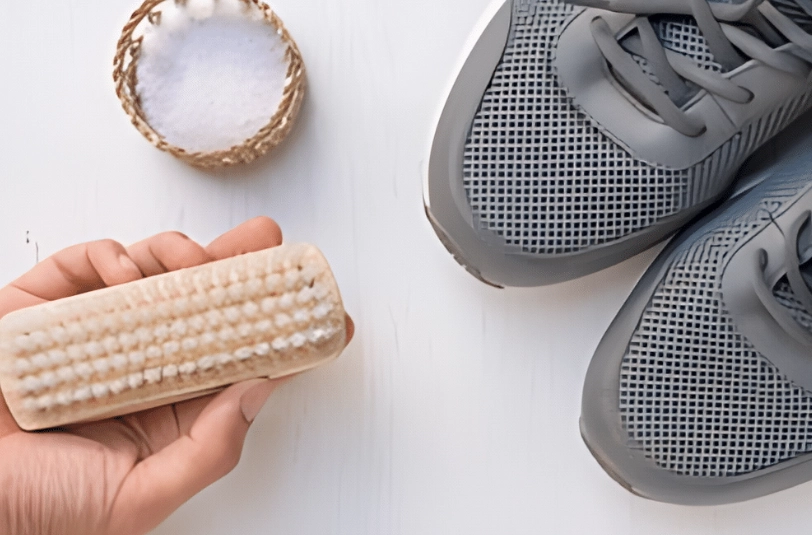
Long-Term Odor Prevention & Storage
Cleaning is reactive. Prevention is proactive.
After every wear, even if you don't wash them, take out the insoles and let both the insoles and shoes air out. I keep a small container of baking soda near my gear bag; a light sprinkle inside the shoes overnight absorbs moisture and odors.
For storage, keep them in a cool, dry place. Don't shove them into a dark, airtight gym bag while still sweaty. If you're storing them for the off-season, ensure they are completely clean and dry, stuff them with paper to hold shape, and keep them in their box or a breathable fabric bag.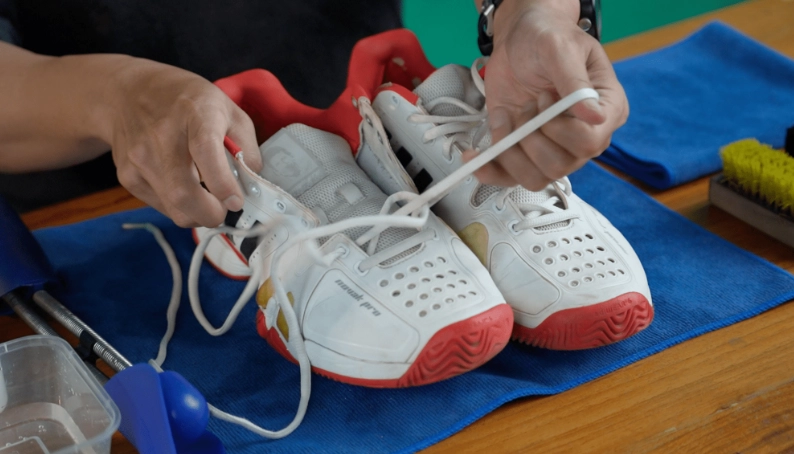
Your Tennis Shoe Cleaning Questions Answered
Can I use the washing machine to clean my expensive leather tennis shoes?
Absolutely not. I've seen it ruin a pair. The agitation and water immersion will crack the leather and dissolve the adhesives. Leather tennis shoes require surface cleaning only with appropriate leather cleaners and conditioners.
What's the fastest way to dry tennis shoes after they get soaked in the rain?
Remove the insoles and laces. Stuff the shoes tightly with crumpled newspaper or paper towels, focusing on the toe and heel. Place them near (not on) a fan or in a breezy area. The paper will wick moisture out rapidly. Change the stuffing every hour. Avoid any direct heat source.
My shoes still smell after washing. How do I get rid of persistent athletic shoe odor?
The odor is caused by bacteria deep in the material. Surface washing often isn't enough. Try this: Mix one part white vinegar with two parts water in a spray bottle. Lightly mist the interior (avoid soaking). Let it sit for 30 minutes, then air dry completely. The vinegar kills odor-causing bacteria. For a stronger treatment, sprinkle baking soda inside and let it sit overnight before vacuuming it out.
Is it safe to use bleach or chlorine to whiten my white mesh tennis shoes?
I strongly advise against it. While it might whiten temporarily, bleach weakens synthetic fibers, makes them brittle, and can cause yellowing over time. It's also terrible for any colored parts or logos. Stick to dedicated sneaker whiteners, baking soda paste, or hydrogen peroxide-based solutions, and always spot-test first.
How often should I actually wash my tennis shoes?
It depends on use. For regular players (3+ times a week), a light hand wash or wipe-down weekly is good. A deep clean (full hand wash or careful machine wash) every 4-6 weeks is sufficient. Over-washing can stress the materials. The key is daily airing out and addressing stains immediately before they set.
 The goal isn't to have shoes that look brand new forever—that's impossible if you're actually using them on the court. The goal is to extend their functional life, maintain their support and comfort, and keep them fresh enough that you're proud to wear them. A little consistent care beats one frantic, potentially damaging deep clean every six months. Grab your brushes, be patient with the drying, and your shoes will thank you with more miles on the court.