Let's be honest. The washing machine is a miracle. But it's also a blunt instrument. That "delicate" cycle? It's still a violent tumble compared to the true gentleness of hand washing. If you've ever pulled a shrunken sweater, a lace bra with snapped hooks, or a silk blouse that lost its luster from the machine, you know what I mean. Hand washing isn't just an old-fashioned chore; it's a non-negotiable skill for keeping your favorite clothes, the expensive ones, and the sentimental pieces in your wardrobe alive for years longer. It's the difference between a garment that lasts a season and one that lasts a decade.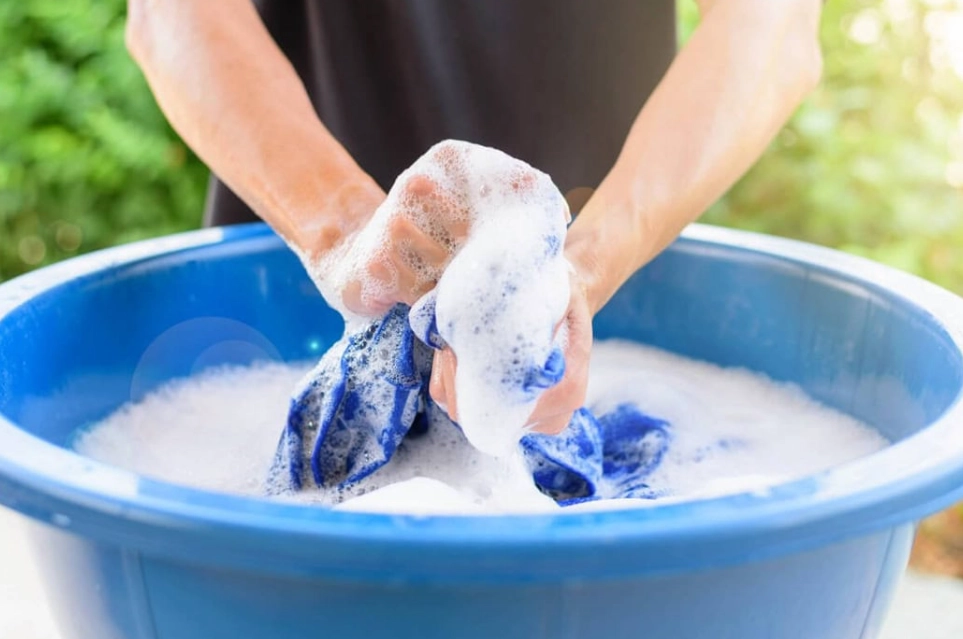
What You'll Learn in This Guide
Why Bother Hand Washing? (It's Not Just for Grandmas)
Think of hand washing as preventative maintenance for your clothes. A washing machine subjects fabrics to agitation, spinning, and friction against other items. Hand washing gives you complete control. You control the water temperature precisely—lukewarm for wool, cold for dark colors. You control the motion—a gentle swish, no twisting. You control the detergent concentration and where it goes, avoiding direct pours on delicate areas.
This control translates directly to longevity. The experts at The Laundry Evangelist often emphasize that mechanical action is the primary cause of wear and tear, not the detergent. By eliminating that, you drastically reduce pilling, fading, stretching, and fiber breakage. It's also the only safe method for items labeled "hand wash only" or "dry clean only" (for many of those, but more on that later).
Gathering Your Hand Washing Toolkit
You don't need much. A clean sink, bathtub, or a large plastic basin works. Here’s what I always have on hand:
- A Gentle Detergent: This is critical. Skip the heavy-duty liquid for grass stains. You want a detergent formulated for delicates. Look for terms like "wool wash," "fine fabric wash," or "no enzymes." Powder can sometimes leave residue, so I prefer liquid.
- White Vinegar: Not for washing, but for the final rinse. A splash (about 1/4 cup for a basin) helps neutralize any leftover alkali from soap and makes fabrics feel softer. It's a natural fabric softener alternative.
- Clean, White Towels: Two or three thick bath towels. These are for rolling up garments to remove excess water without wringing.
- A Drying Rack or Flat Surface: Never hang delicate wet knits or heavy items. They will stretch. A collapsible drying rack is perfect.
How to Hand Wash Clothes: The Step-by-Step Method
Follow these steps in order. Rushing or skipping leads to the problems we're trying to avoid.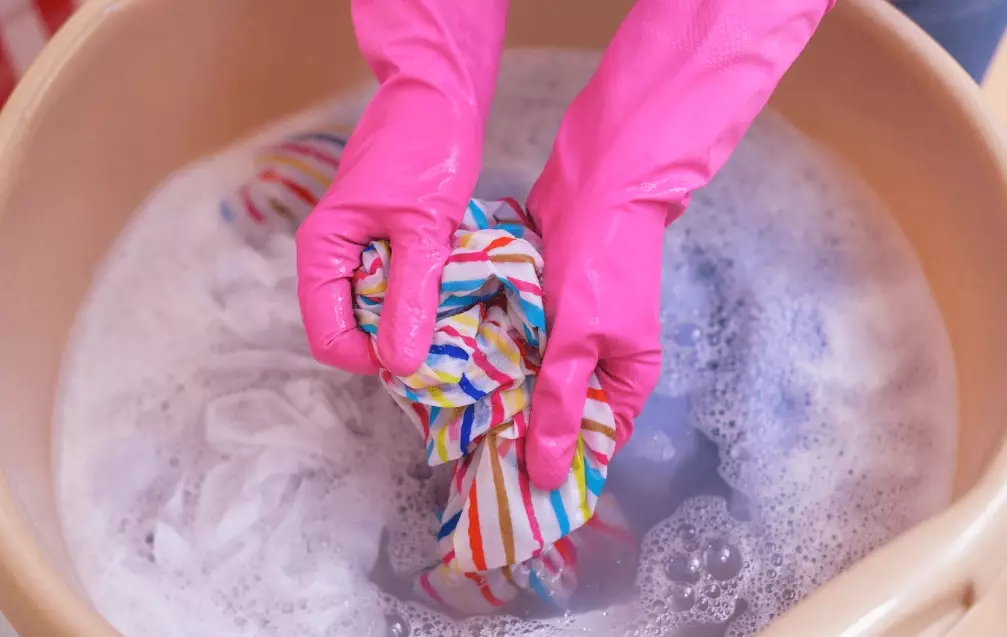
Step 1: The Pre-Wash Prep
Empty all pockets. Close zippers, hooks, and buttons to prevent snagging. Turn printed or dark-colored items inside out to minimize friction on the design. Separate lights from darks, just like machine washing. For items with stains, pre-treat. Apply a small amount of your gentle detergent directly to the stain, gently rub the fabric against itself, and let it sit for 10-15 minutes before you begin the main wash.
Step 2: The Washing Process
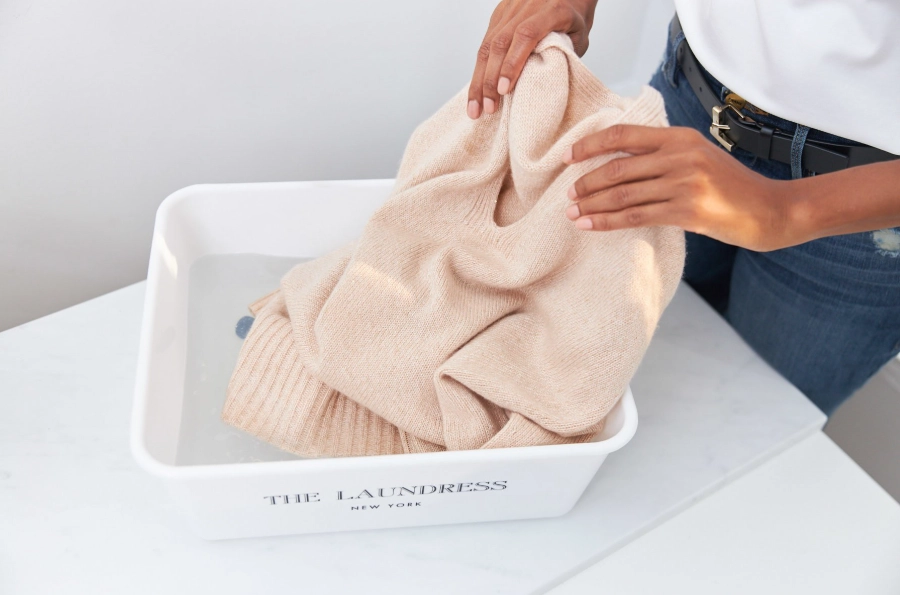
Fill your basin with water first, then add detergent, then add clothes. Why? This ensures the detergent is fully dissolved and won't concentrate in one spot on the fabric. Temperature guide: Cold for bright/dark colors and unknown fabrics. Lukewarm (around 30°C or 85°F) for whites, cottons, and linens. Cool/Lukewarm for wool and silk.
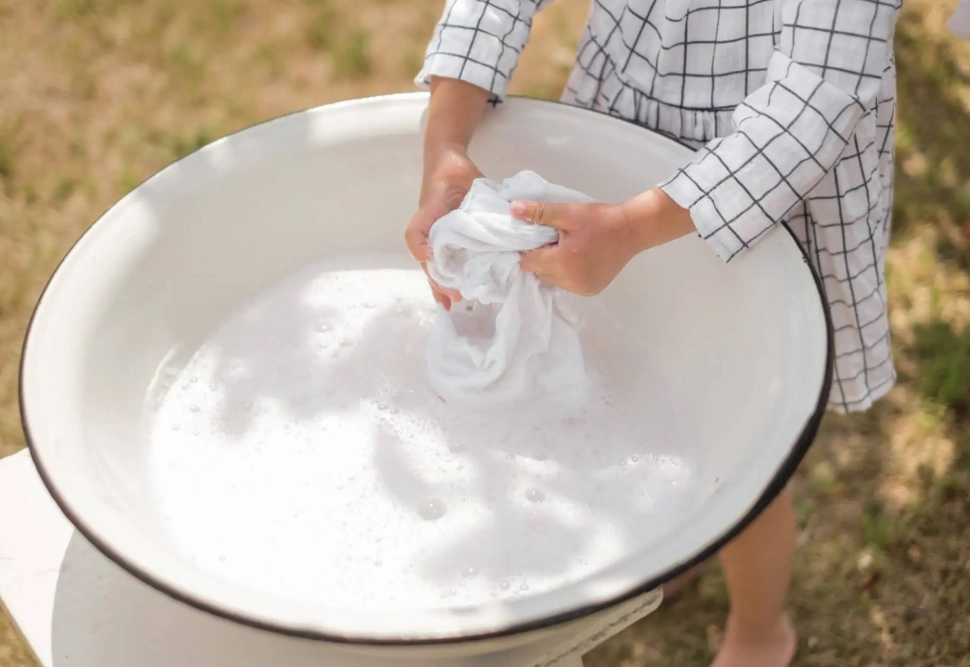
Submerge the garment. Use your hands to gently press it down and swish it through the water. Imagine you're gently kneading dough. Agitate for 2-4 minutes. For heavily soiled items, you can let it soak for up to 30 minutes, but no longer—prolonged soaking can damage fibers.
Step 3: Rinsing is Everything
Drain the soapy water. Gently press the garment against the side of the basin to remove some water. Refill the basin with clean water at the same temperature as your wash water. Swish the garment again to rinse. Drain and repeat until the water runs completely clear with no suds. This may take 2-4 rinses. Soap residue attracts dirt and makes fabric feel stiff.
For the final rinse, add that splash of white vinegar to the clean water. Swish the garment in this solution for a minute, then drain.
Step 4: Drying Without Disaster
This is where many people ruin a perfect hand wash. Never wring out the water. Here's the right way: Lay a clean, dry, absorbent towel flat. Place the wet garment on top, smoothing it into its natural shape. Roll the towel up with the garment inside, like a jelly roll. Press firmly along the roll or even stand on it. The towel will absorb a huge amount of water. You might need a second dry towel for a second roll for thick items like sweaters.
After rolling, lay the garment flat on your drying rack, reshaping it to its original dimensions. Smooth out any wrinkles. For knits, this is essential to prevent stretching. Keep it out of direct sunlight to prevent fading.
Special Care for Different Fabrics
Not all fabrics want the same treatment. Here’s a quick reference for common delicate materials.
| Fabric Type | Water Temperature | Key Action | Drying Method |
|---|---|---|---|
| Wool & Cashmere | Cool / Lukewarm | Be extra gentle. Support the weight when wet to avoid stretching. | Lay flat, reshape. Can take 24-48 hours to dry. |
| Silk | Cold or Lukewarm | Wash quickly (under 5 mins). Silk loses strength when wet. | Lay flat, roll in towel. Iron on low while slightly damp. |
| Lace & Embellishments | Cold | Wash inside a mesh laundry bag for extra protection. | Lay flat on towel. Do not hang. |
| Linen & Cotton | Lukewarm | Can handle slightly more agitation. Good for pre-treating stains. | Can be hung or laid flat. Linen wrinkles are natural. |
| Performance/Synthetic (Polyester, Nylon) | Cold | Use detergent without fabric softener, which can clog moisture-wicking fibers. | Air dry. Heat can damage elasticity and coatings. |
When in doubt, check the care label. But remember, as resources like The Spruce point out, "dry clean only" is sometimes a manufacturer's caution for liability, not an absolute rule. Many items with that label, like wool blazers or silk blouses, can be safely hand washed using the cold water and gentle method described above. The exception is structured items with interfacing or complex linings, which are best left to professionals.
3 Common Hand Washing Mistakes (And How to Fix Them)
I've made these myself, so learn from my errors.
Mistake 1: Using Too Much Detergent. More soap doesn't mean cleaner clothes. It means a nightmare trying to rinse it all out, which leaves a sticky residue. Use about a teaspoon for a sink full of water. You can always add a tiny bit more if needed.
Mistake 2: Soaking for Hours (or Days). I once forgot a wool sweater soaking in the basin. Two days later, the fibers had started to felt and degrade. Soaking loosens dirt, but after 30 minutes, you're just letting dirt redeposit and fibers swell unnecessarily. Set a timer.
Mistake 3: Hanging Heavy Knits to Dry. This is the classic sweater-stretcher. The weight of the water pulls the knit down, permanently elongating the arms and body. You'll end up with a dress. Always, always lay knits flat.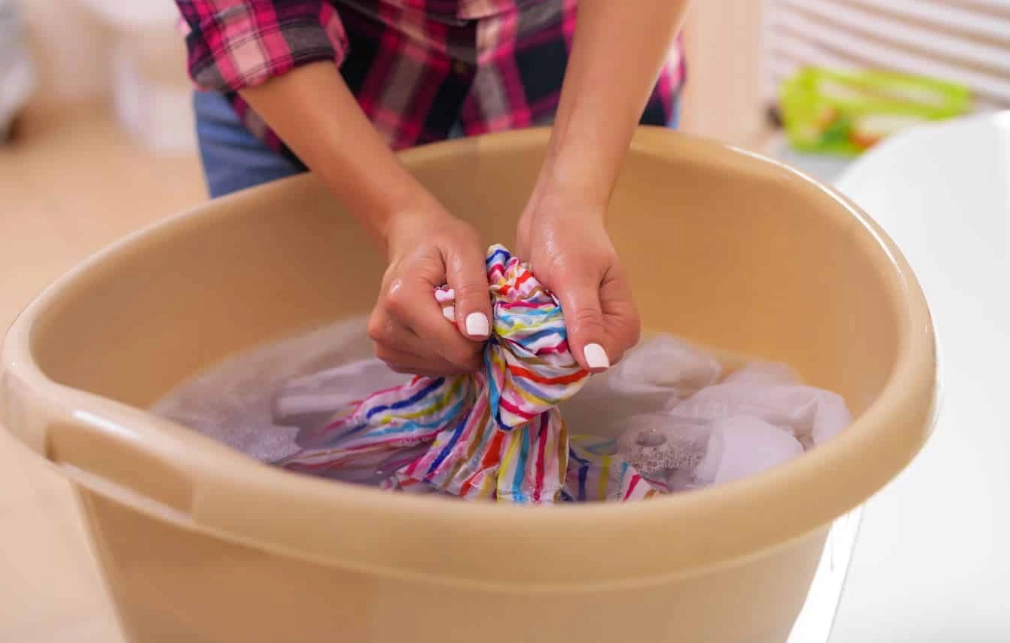
Your Hand Washing Questions, Answered
 What's the best way to hand wash a bulky item like a sweater?