Keeping white clothes white feels like a constant battle. You buy a crisp white t-shirt, wear it a few times, wash it, and suddenly it's a sad, grayish version of its former self. It's frustrating. I've been there, watching a favorite white button-down shirt slowly fade into something I'd only wear for painting. The good news? It's not magic, and it's not hopeless. Washing white clothes effectively is a system. It's about understanding why they discolor and then using specific, consistent steps to fight back. This guide isn't just a list of tips; it's the method I've developed over years of trial and error (and ruining a few items) to keep whites looking new.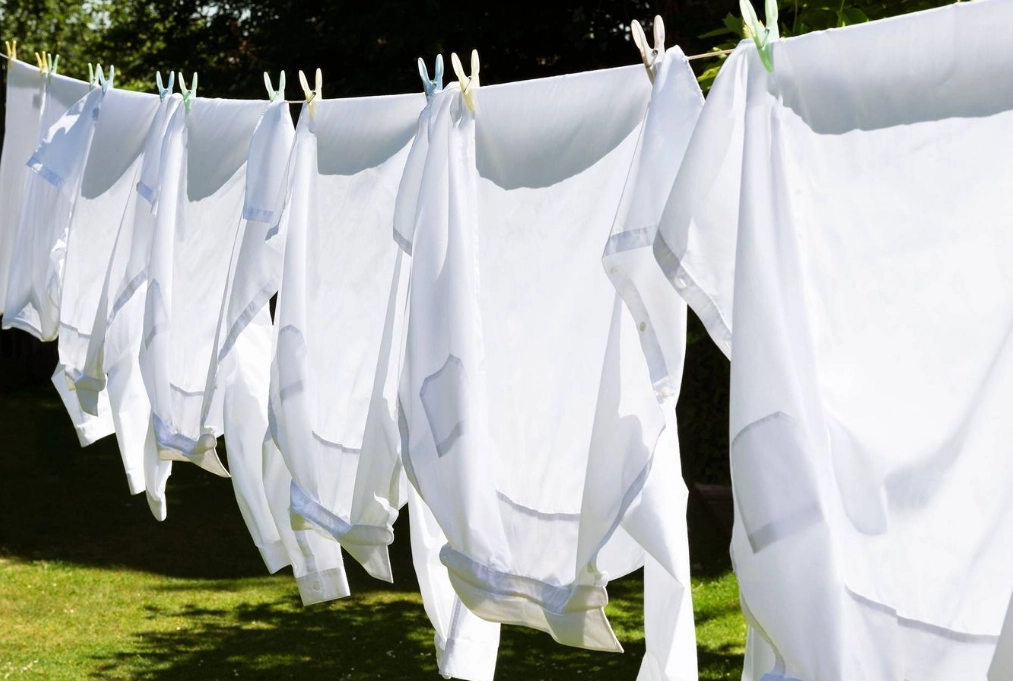
What You'll Find Inside
The Complete White Laundry Process: A Step-by-Step System
Think of this as a non-negotiable routine. Skip a step, and you risk the results.
Step 1: The Sort – It's More Than Just Color
Everyone knows to separate whites from colors. But with whites, you need to go deeper.
Create two piles: Bright Whites and Light/Off-Whites. Your pure white dress shirts, socks, and sheets go in the first pile. Cream-colored linens, beige undershirts, or anything with a slight pattern go in the second. Washing them together can make the bright whites look dull.
Also, separate by soil level and fabric. Heavily soiled gym clothes need a different treatment than lightly worn pajamas. Delicate white lace shouldn't be tumbling with rough white towels.
Step 2: Pretreatment – The Game Changer
This is where most people fail. They just toss clothes in the drum. Don't.
For general dinginess: Soak your whites in a solution of warm water and a scoop of oxygen-based bleach (like OxiClean or a generic sodium percarbonate powder) for 1-6 hours before the main wash. This lifts grime and brightens without the harshness of chlorine.
For specific stains (more on this later): Apply a paste of oxygen bleach and water directly to collar rings, underarm stains, or food spills. Rub it in gently and let it sit for 30 minutes.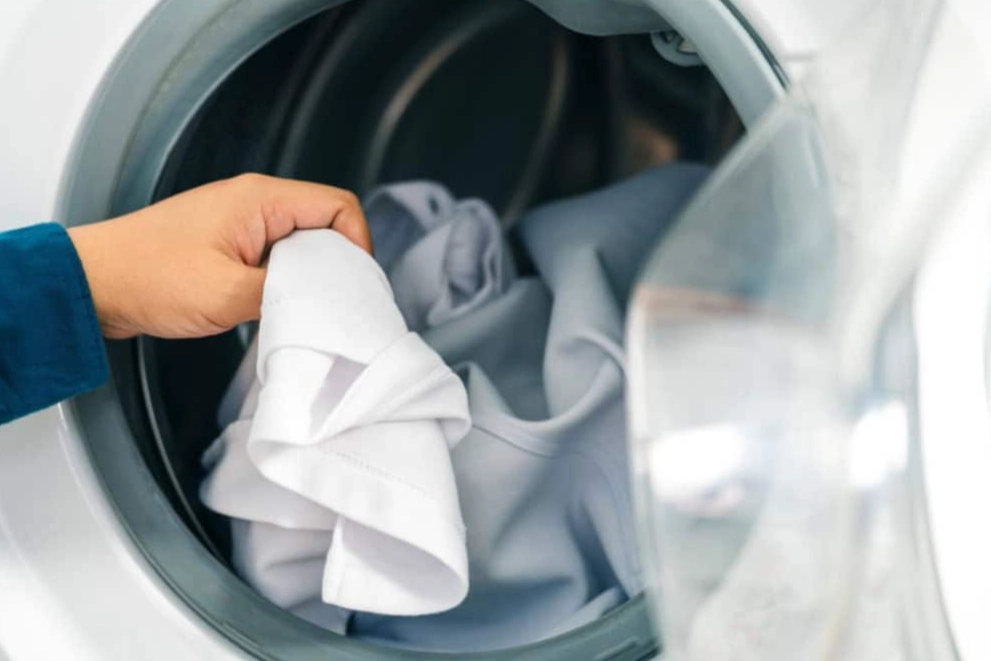
Step 3: The Wash Cycle – Temperature and Product Choices
Here's a hot take: you don't always need hot water. Modern detergents and oxygen bleaches work very well in warm water (around 40°C / 104°F). Hot water (60°C / 140°F) is best for sanitizing items like kitchen towels or underwear, but for general white laundry, warm water saves energy and is gentler on fabrics.
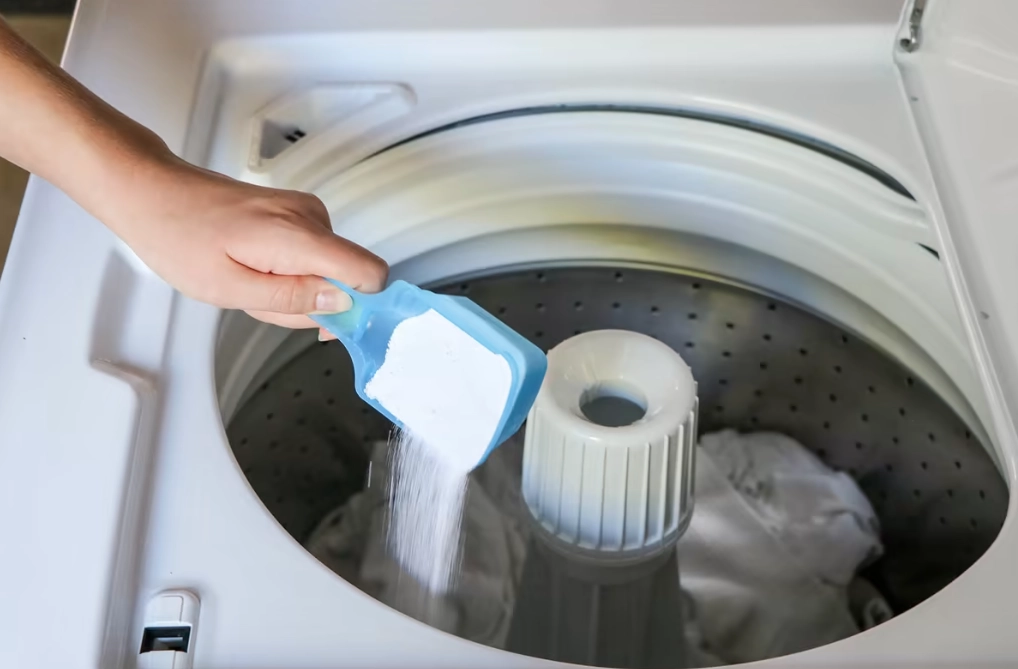
Detergent: Use a good-quality detergent. Powder detergent often contains mild brightening agents and works better on ground-in dirt than liquid. If you use liquid, ensure you're using enough—under-dosing is a major cause of gray, dull laundry.
Additives: This is your secret weapon. Add 1/2 to 1 cup of oxygen-based bleach to every load of bright whites. It's color-safe (despite the name), fabric-safe, and fights yellowing caused by body oils and minerals in water.
| Water Temperature | Best For | Notes |
|---|---|---|
| Hot (60°C / 140°F) | White towels, sheets, underwear, heavily soiled items | Sanitizes, tackles grease. Can set protein stains (blood, sweat) if used first. |
| Warm (40°C / 104°F) | Most white clothing (shirts, pants, socks), everyday linens | Ideal balance of cleaning power and fabric care. Works perfectly with oxygen bleach. |
| Cold (30°C / 86°F) | Delicate whites, items with non-colorfast trim | Prevents shrinking, saves energy. May require a longer soak or pretreatment. |
3 Common Mistakes That Yellow Your Whites (And How to Fix Them)
You might be following the steps but still getting poor results. These subtle errors are often the culprit.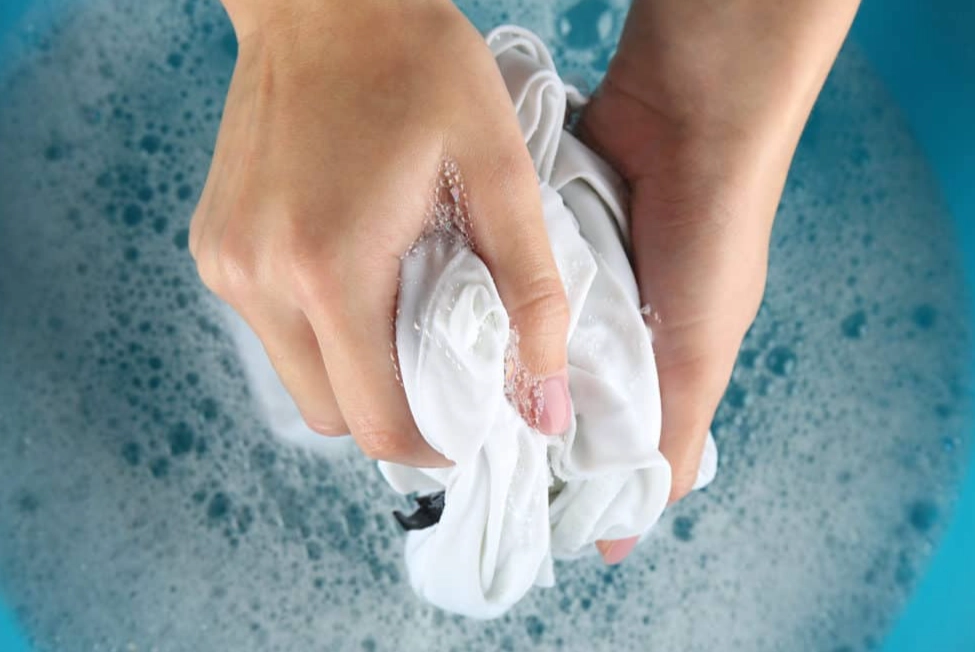
Mistake 1: Using Chlorine Bleach Incorrectly. Chlorine bleach is powerful but dumb. It doesn't clean dirt; it just destroys color molecules (including the yellow ones). Pouring it directly on fabric can cause permanent yellow spotting due to a chemical reaction with residues. Fix: Dilute it in water first. Add 1/4 to 1/2 cup to the washer's bleach dispenser *after* the drum has filled with water, never directly on clothes. Better yet, use oxygen bleach as your regular go-to and reserve chlorine for occasional deep whitening of all-cotton items.
Mistake 2: Overloading the Washer. Stuffing the drum means clothes can't move. They rub against each other in dirty water, redistributing grime. Your whites come out uniformly gray. Fix: Leave enough room for the laundry to tumble freely. The hand test works: if you can't comfortably fit your hand flat on top of the loaded clothes, take some out.
Mistake 3: Ignoring Your Water. If you have hard water (high mineral content), minerals like iron and magnesium can bind to fabrics, leaving a yellowish or gray film. Detergent struggles in hard water. Fix: Use a laundry booster like borax or washing soda. They soften the water, allowing your detergent to work effectively. If you see reddish-brown stains, that's likely iron; a product like Iron Out can help, but test on a seam first.
Advanced Stain Removal for Whites: A Quick-Reference Guide
General whitening is one thing, but specific stains need targeted action. Always treat stains before washing.
Sweat & Body Oil (Yellow underarm/collar rings): This is a combo of sweat, oil, and deodorant/aluminum salts. Soak the area in a solution of white vinegar and water for 30 minutes, then scrub with a paste of baking soda and water. Rinse. For stubborn cases, use an enzyme-based stain remover designed for “perspiration stains.”
Grass: Rubbing alcohol is surprisingly effective. Dampen the stain with it and blot. Then, wash as usual with oxygen bleach.
Red Wine/Coffee/Berries: Act fast. Pour a generous amount of table salt on the stain to absorb liquid. Then, soak the item in cold water. After soaking, treat with hydrogen peroxide (test for colorfastness first!). For dried stains, a paste of oxygen bleach and water left overnight can work miracles.
Ink: Hairspray (the old-fashioned, high-alcohol kind) or rubbing alcohol. Spray, let it sit for a minute, then dab from the back of the fabric. The ink will transfer to your cloth underneath. Keep moving to a clean spot.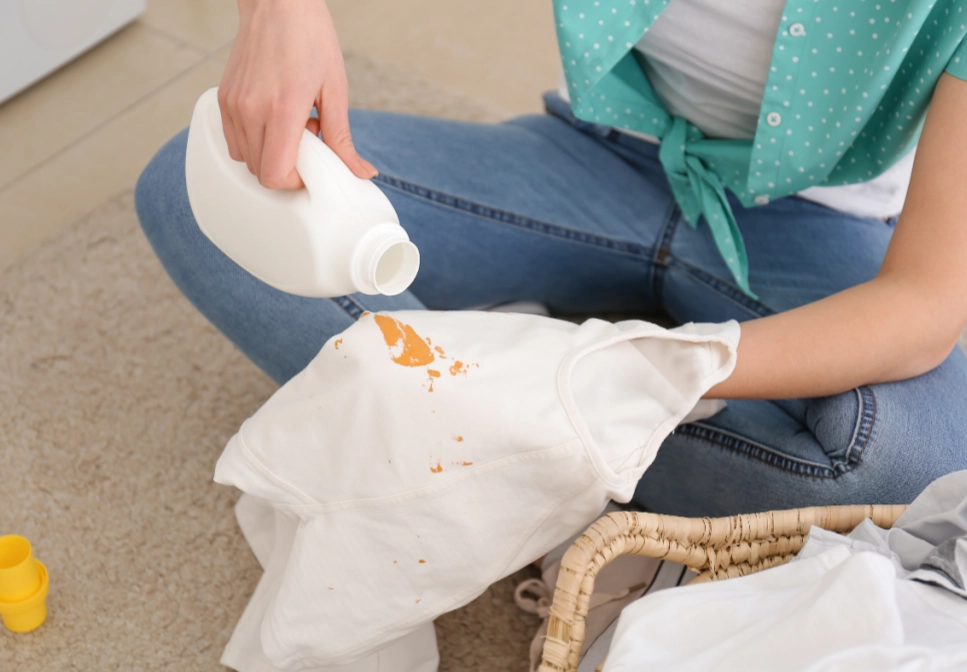
How to Dry White Clothes (The Final Frontier)
The dryer isn't just for drying; heat can set any remaining stains or cause yellowing.
My rule: Check stains are gone before drying. If a stain is still visible after washing, do not put it in the dryer. The heat will bake it in permanently. Re-treat and wash again.
For the whitest whites, sunlight is your best friend. UV rays have a natural bleaching effect. Line-dry your white cotton sheets and t-shirts outside when possible. You'll notice a fresher smell and a brighter look.
If using a dryer, use a low or medium heat setting. High heat can scorch and weaken fibers over time, making them look dull. Remove items promptly to prevent wrinkles that can trap dirt.
Your White Laundry Questions, Answered
Why do my white clothes turn yellow or gray after washing?
It's usually one of four things: body oils and sweat building up (especially with under-dosing detergent), mineral deposits from hard water, using too low a water temperature for the soil level, or mixing whites with light colors. A combination of pretreatment, using a water softener, and washing in warm water with enough detergent and oxygen bleach solves 90% of this.
Is chlorine bleach or oxygen bleach better for white clothes?
For routine maintenance, oxygen bleach is far superior. It's safer for almost all fabrics (except silk and wool), works effectively in cooler water, and breaks down stains rather than just masking them. Chlorine bleach is a harsh oxidizer best used sparingly on 100% cotton items to restore extreme brightness, but it can weaken fibers and cause yellowing if misused.
 How can I whiten old, already yellowed white clothes?
Don't throw them out yet. Give them a restorative soak. Fill a bathtub or large bucket with the hottest water safe for the fabric. Dissolve one cup of oxygen bleach and one cup of washing soda. Submerge the items and let them soak for 8 hours or overnight. Agitate occasionally. Then, run them through a full wash cycle (with detergent and another half-cup of oxygen bleach). This often brings back a significant amount of brightness.
Can I wash white clothes with patterns or colored trims?
You can, but you must treat them as “lights,” not “bright whites.” Skip the chlorine bleach entirely. Use oxygen bleach cautiously—it's generally safe for colors, but always check the care label first. Wash in cool or warm water to protect the non-white elements. The goal for these items is cleanliness and freshness, not maximum whitening.
My white towels are stiff and rough after washing. What am I doing wrong?
You're likely using too much detergent or fabric softener. Detergent residue builds up on towel fibers, blocking their absorbency and making them stiff. Strip your towels: wash them on the hottest setting with 1/2 cup of washing soda (no detergent). Then, run a second hot wash with 1/2 cup of white vinegar (no softener). Avoid fabric softener on towels—it coats the fibers. For fluffiness, tumble dry on low and shake them out while still slightly damp.