Quick Navigation: What's Covered Here
Let's cut to the chase. If you're not washing your makeup brushes regularly, you're basically painting your face with yesterday's grime and bacteria. I learned this the hard way after a nasty breakout that traced back to my go-to foundation brush. Cleaning brushes isn't just about keeping them pretty; it's about skin health, better makeup application, and making your investment last. In this guide, I'll walk you through exactly how to wash makeup brushes like a pro, based on years of trial and error—and a few ruined brushes along the way.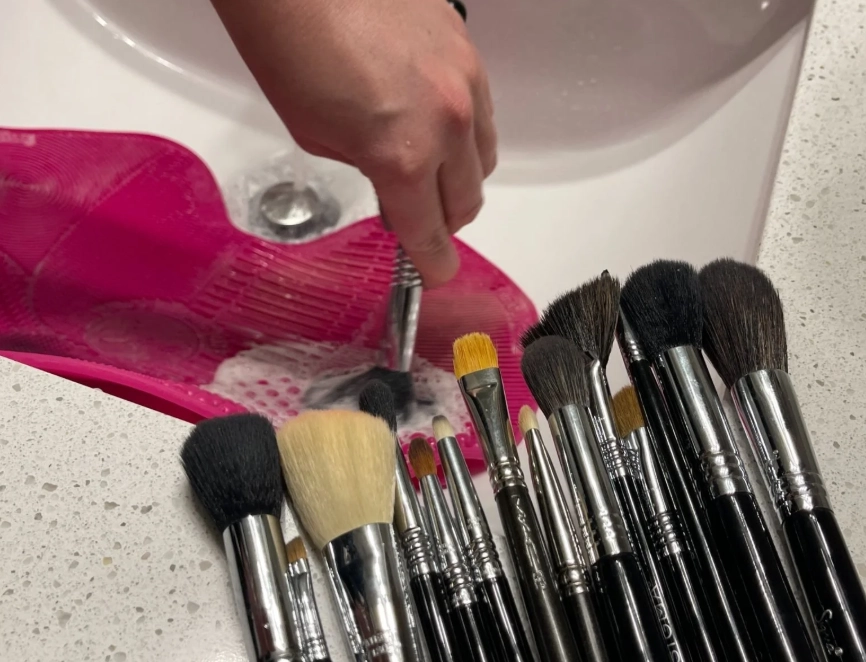
Why Cleaning Makeup Brushes is Non-Negotiable for Your Skin
Dirty brushes are a breeding ground for bacteria, oils, and old product. When you swipe that foundation brush across your skin, you're not just applying makeup—you're spreading everything from staphylococcus to dead skin cells. I've seen clients with persistent acne that cleared up once they started a proper brush cleaning routine. It's not an exaggeration; it's hygiene 101.
The Hidden Risks You Might Not Think About
Beyond breakouts, dirty brushes can harbor mold if they stay damp, especially in humid climates. For those with sensitive skin or allergies, the residue can trigger reactions like redness or itching. A study published in the Journal of Applied Microbiology found that unwashed makeup brushes can carry harmful bacteria like E. coli and Staphylococcus aureus. Think about it: you wouldn't reuse a dirty towel on your face, so why do it with brushes?
Another point rarely mentioned: dirty brushes affect makeup payoff. Product buildup makes brushes less effective, leading to patchy application. Your highlighter won't glow as bright, and your blush might look muddy. I noticed my makeup looked fresher and lasted longer once I committed to regular cleaning.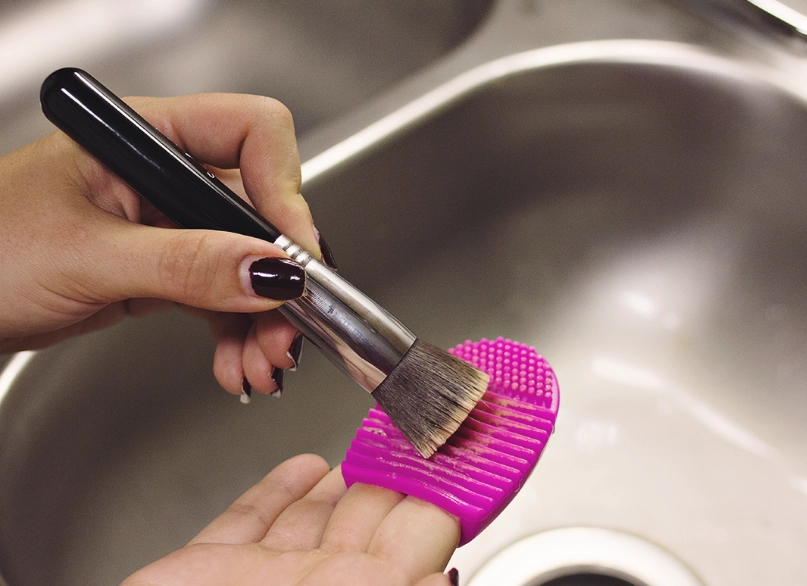
Tools and Products You Actually Need for Brush Cleaning
You don't need fancy gear. Here’s my tried-and-true arsenal after a decade in the beauty industry:
- Brush Cleanser: A dedicated makeup brush cleaner (like Cinema Secrets or BeautyBlender Solid) works best. In a pinch, gentle baby shampoo or a sulfate-free facial cleanser can do. Avoid harsh soaps—they strip natural oils from brush hairs.
- Lukewarm Water: Never hot water. Hot water can loosen the glue that holds bristles, causing shedding. I ruined a favorite angled brush by using hot water early in my career.
- Cleaning Mat or Your Palm: A silicone mat with textures (like the Sigma Spa Express) helps deep clean, but your hand works perfectly fine. I often use my palm for quick cleans.
- Clean Towel or Rack: For drying. Microfiber towels are great because they absorb water quickly.
- Optional: Brush Guard: These mesh sleeves help reshape brushes while drying, but they're not essential.
Some people swear by DIY mixes like olive oil and dish soap, but I find they leave a greasy residue. Stick to products designed for brushes—they're formulated to clean without damaging fibers.
Pro Tip: If you have natural hair brushes (like squirrel or goat hair), consider a conditioner after washing to maintain softness. But rinse thoroughly to avoid buildup.
Step-by-Step: How to Wash Makeup Brushes Properly
Here’s my foolproof method, broken down so you can follow along without guesswork. I'll use a foundation brush as an example, but the steps apply to most types.
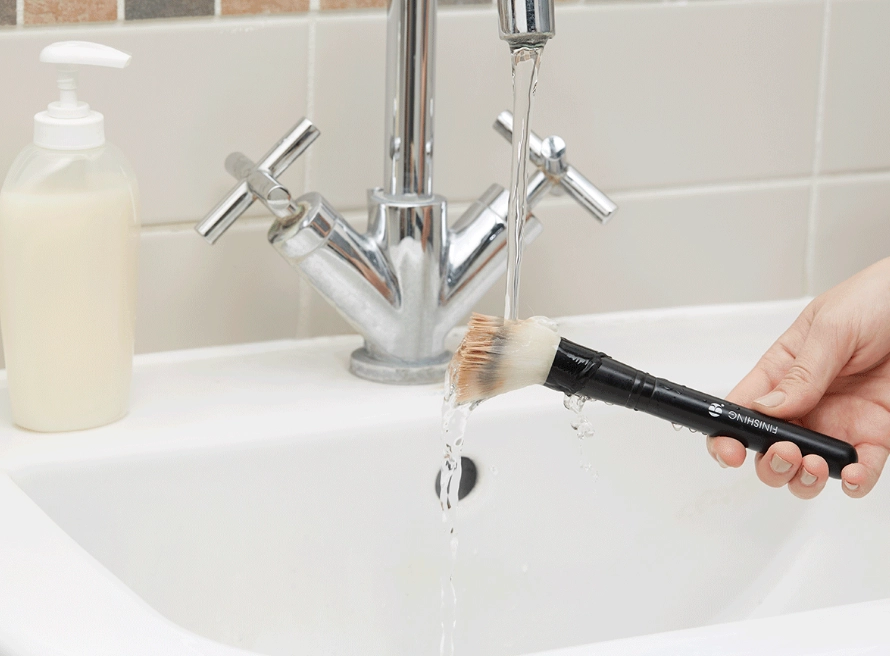
Step 1: Wet the Bristles Gently. Hold the brush under lukewarm running water, focusing on the bristles. Avoid getting water into the ferrule—that metal part where bristles meet the handle. Water in the ferrule is a top cause of shedding and handle damage. I tilt the brush sideways to control the flow.
Step 2: Apply Your Cleaner. Put a dime-sized amount of brush cleaner onto your palm or a cleaning mat. Swirl the damp brush in it to create a lather. For heavily soiled brushes, you might need a bit more, but don't overdo it—excess product is hard to rinse out.
Step 3: Massage and Clean. Use gentle circular motions on your palm or mat to work the lather through the bristles. Don’t scrub aggressively or bend the hairs; you're not scrubbing a pot. Focus on the base where product accumulates. For synthetic brushes, you can be a bit firmer, but natural hair brushes need a lighter touch.
Step 4: Rinse Thoroughly. Rinse under lukewarm water until the water runs clear. This might take a minute or two for dense brushes like kabukis. Squeeze the bristles gently with your fingers to help water flow through. If you see suds, keep rinsing—residue can attract dirt.
Step 5: Reshape and Prep for Drying. Gently squeeze out excess water with a clean towel. Then, use your fingers to reshape the bristles to their original form. For fluffy brushes like powder brushes, fluff them up. Lay the brush flat on a towel with bristles hanging off the edge to air dry. Never stand brushes upright while wet—water seeps into the handle, causing mold and loosening.
I do this process every two weeks for my daily-use brushes, but for eye brushes, I clean them weekly. It takes about 10 minutes for a full set, and it's worth every second.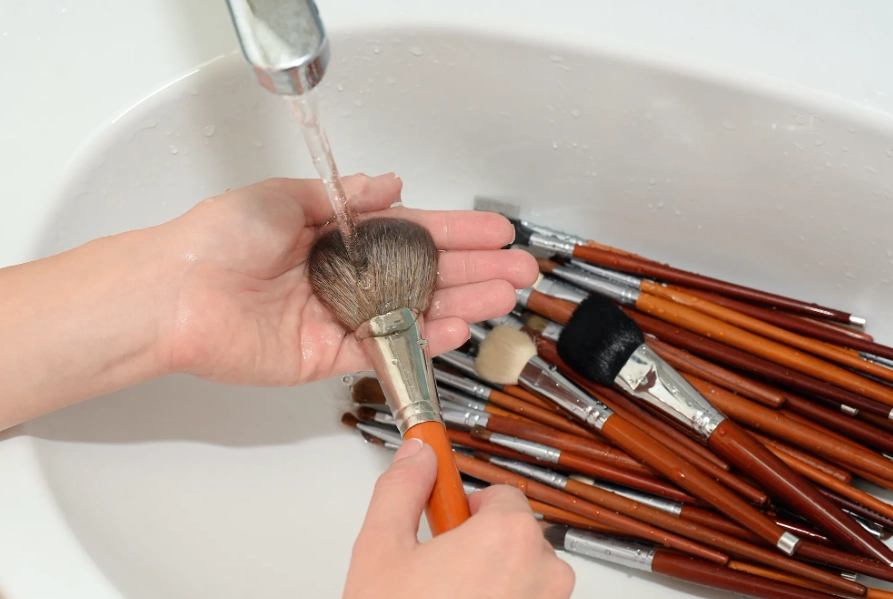
Drying Methods That Actually Work (and What Doesn't)
Drying is where most people mess up. If brushes don't dry completely, they can develop mildew or a musty smell. Here’s what I've found effective:
- Lay Flat on a Towel: Place brushes on a clean, absorbent towel in a well-ventilated area. Space them out so air circulates. I use a fan in the room to speed things up without heat.
- Use a Drying Rack: A slanted rack lets brushes dry at an angle, preventing water pooling. You can DIY one with a towel over a rolled-up mat.
- Avoid Direct Heat: Never use a hairdryer, radiator, or sunlight. Heat warps bristles and weakens glue. I learned this after a blush brush turned brittle from sun drying.
Drying times vary: synthetic brushes dry in 4-6 hours, natural hair brushes can take 24 hours or more. Patience is key—rushing ruins brushes.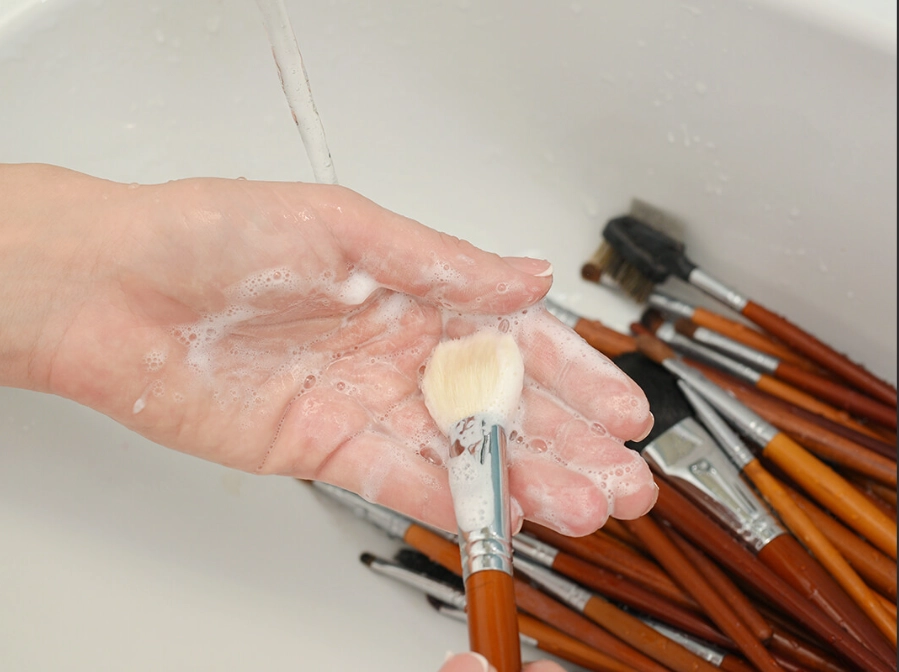
Common Errors That Ruin Your Brushes (From My Experience)
I've made plenty of mistakes, so you don't have to. Here are the top blunders to avoid:
- Using Hot Water: It breaks down adhesive. Stick to lukewarm.
- Soaking Brushes: Never submerge brushes in water. It weakens the handle and ferrule, leading to shedding. I once soaked a concealer brush overnight, and it fell apart.
- Drying Upright: Water pools at the base, causing mold and loosened bristles. Always lay flat.
- Over-cleaning: Washing too frequently (like daily) can strip natural oils from hair brushes, making them brittle. Unless you're a pro, weekly or bi-weekly is enough.
- Using Harsh Chemicals: Rubbing alcohol or vinegar can dry out bristles if overused. Reserve them for occasional deep cleans.
Another subtle error: not cleaning the handle. Wipe it down with a damp cloth to remove oils from your hands.
How Often Should You Clean Different Types of Brushes?
It depends on use and brush type. Here’s a practical guide based on my routine and recommendations from dermatologists:
| Brush Type | Recommended Cleaning Frequency | Why It Matters |
|---|---|---|
| Foundation and Concealer Brushes | Every 1-2 weeks | High product buildup; can harbor bacteria that cause breakouts. |
| Eye Brushes (e.g., eyeshadow, liner) | Weekly | Prevents eye infections and color mixing; sensitive area. |
| Powder and Blush Brushes | Every 2-4 weeks | Less residue, but still collects oils and dust. |
| Natural Hair Brushes (e.g., squirrel, goat) | Monthly for deep clean | Spot clean with spray between uses to preserve oils. |
| Synthetic Brushes (e.g., for creams) | Every 1-2 weeks | More durable; can handle frequent washing. |
For professional makeup artists, cleaning after each client is non-negotiable. At home, adjust based on your skin type—if you have oily or acne-prone skin, clean more often. I have combination skin, so I stick to this schedule and notice fewer breakouts.
FAQ: Expert Answers to Your Burning Questions
 Is it safe to use rubbing alcohol for quick cleaning?