You spilled coffee on your favorite leather jacket. Or maybe it just smells a bit… lived-in. Your first thought might be to toss it in the washer. Don't. I learned that lesson the hard way with my first vintage bomber – it came out stiff as a board and shrunk just enough to be unwearable. Washing leather isn't like washing cotton. It's skin. Treat it like you'd treat sensitive skin, and you can keep that jacket looking sharp for decades. This isn't just about cleaning; it's about preservation. Let's get into the right way to do it.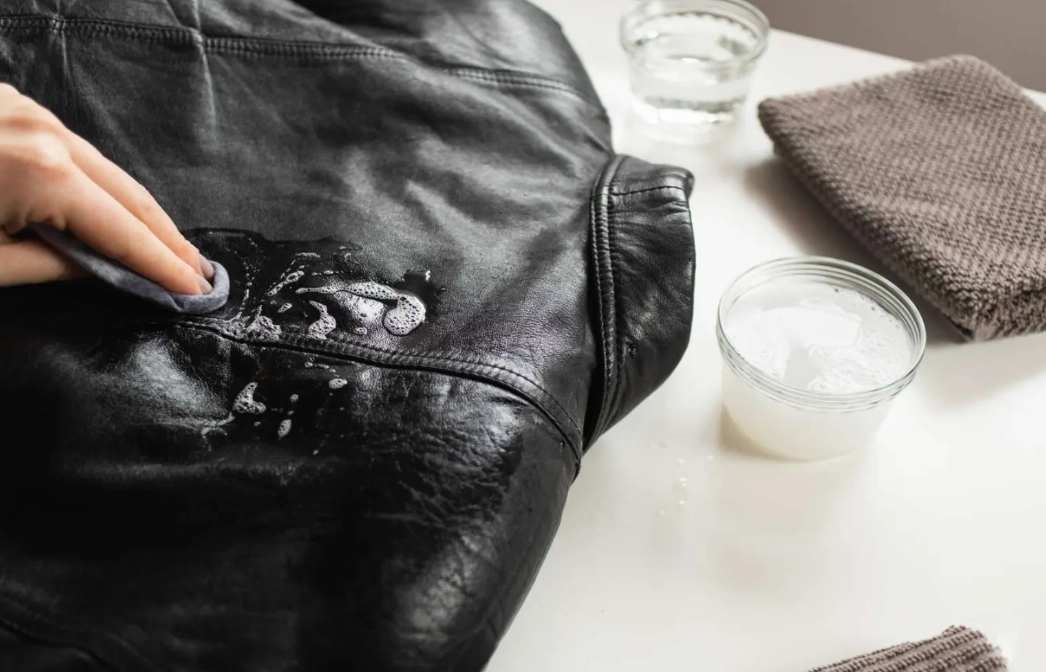
What You'll Learn
Know Your Leather Type First (This Step is Non-Negotiable)
Not all leather is created equal. Using the wrong method on the wrong type is the fastest route to disaster. Check the label inside your jacket. If there's no label, here's a quick touch test.
Full-Grain or Top-Grain Leather: This is the good stuff. It feels firm, has natural markings, and develops a patina. It's durable but can be pricey. You'll usually spot this on higher-end jackets like Schott NYC or AllSaints pieces. These can handle careful cleaning well.
Nubuck or Suede: Feels velvety and soft. It's incredibly porous and stains easily. Water can leave dark spots. Cleaning these is a specialist's game – for major stains, I always recommend a pro. The Leather and Hide Council advises extra caution with these finishes.
Corrected-Grain or Finished Leather: Has a smooth, uniform coating. Think many fashion-brand jackets. The coating can crack if harsh chemicals or excessive water seep underneath.
Bonded Leather: Avoid washing this altogether. It's leather fibers glued together, and water will dissolve the adhesive.
My rule? If it's a cheap, bonded leather jacket, spot clean only. For suede and major stains on any jacket, a reputable leather cleaner is worth every penny. For your standard full-grain or finished leather jacket, you can proceed with the hand-wash method below.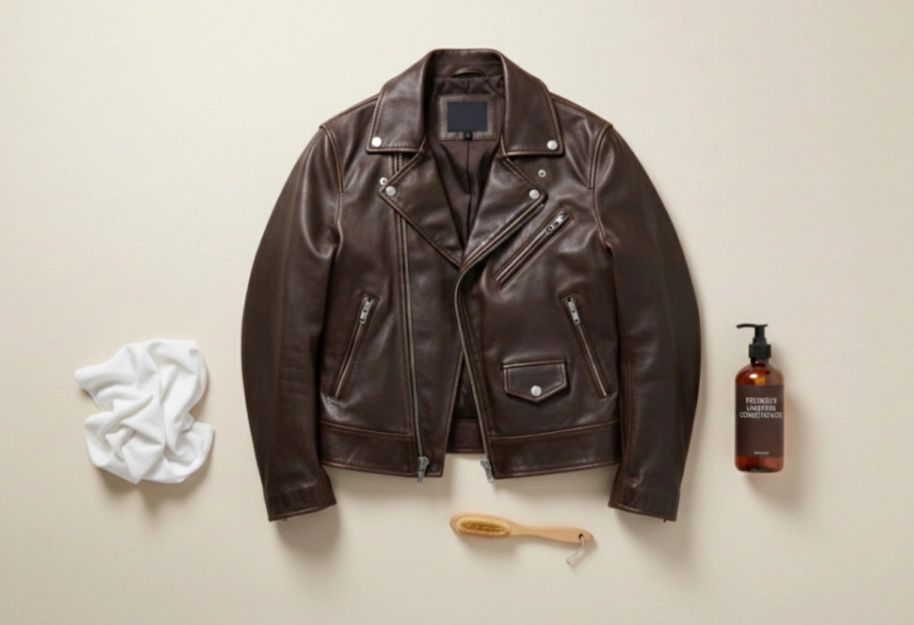
How to Hand-Wash a Leather Jacket: A Step-by-Step Guide
This is the safest method for a full clean. You'll need about an hour of active time.
Step 1: Prep Work & The Spot Test
Empty all pockets. Brush off loose dirt with a soft brush (a horsehair brush is perfect). Now, the spot test. Mix a drop of mild soap (like Castile soap or a dedicated leather cleaner) with distilled water. Dab this on an inconspicuous area – inside the waistband or under a collar flap. Wait for it to dry completely. If the color doesn't change and the leather doesn't feel rougher, you're good to go.
Step 2: The Gentle Wash
Fill a bathtub or large basin with lukewarm water. Hot water cooks the leather fibers, making them brittle. Cold water won't clean effectively. Add a very small amount of your chosen cleaner. Swish to create mild suds.
Submerge the jacket. Gently agitate it with your hands, focusing on soiled areas like cuffs and collars. Don't twist, wring, or scrub vigorously. Think of it as a gentle massage. For tough stains like salt rings (common in winter), use a soft cloth to dab a slightly stronger soap solution directly on the spot, then rinse the area.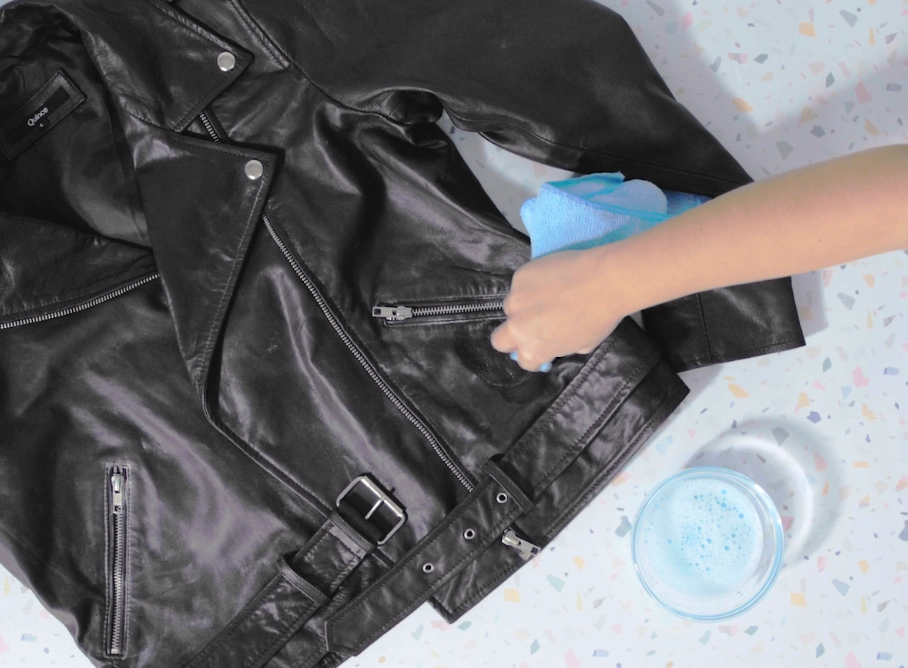
Step 3: The Rinse & Initial Dry
Drain the soapy water. Refill the tub with clean, lukewarm water. Submerge and agitate the jacket again to rinse out all soap residue. Soap left behind will attract more dirt. You may need to rinse twice.
After the final rinse, do not wring. Carefully lift the jacket, supporting its weight. Lay it flat on a thick, absorbent towel. Roll the towel and jacket up like a burrito to blot out excess water. Unroll, transfer the jacket to a fresh, dry towel, and lay it flat to air dry. Never use direct heat.
The Critical Drying & Conditioning Phase
This is where most people mess up. Drying too fast ruins the leather.
Air Drying is King: Lay the jacket flat on a mesh drying rack or a towel in a well-ventilated room, away from sunlight, radiators, or hair dryers. Rotate it every few hours so all parts dry evenly. This can take 24-48 hours. Patience is key.
Once it's completely dry to the touch, it will feel stiff. That's normal. The natural oils have been washed away. This is where conditioning saves the day.
Choosing & Applying Leather Conditioner: Use a quality conditioner like Bickmore Bick 4 or Lexol. Test on a small area first. Apply a thin layer with a soft cloth, rubbing in circular motions. Let it soak in for an hour, then buff off any excess with a clean cloth. The jacket will regain its softness and luster. I condition my jackets once a year, or twice if they see heavy use.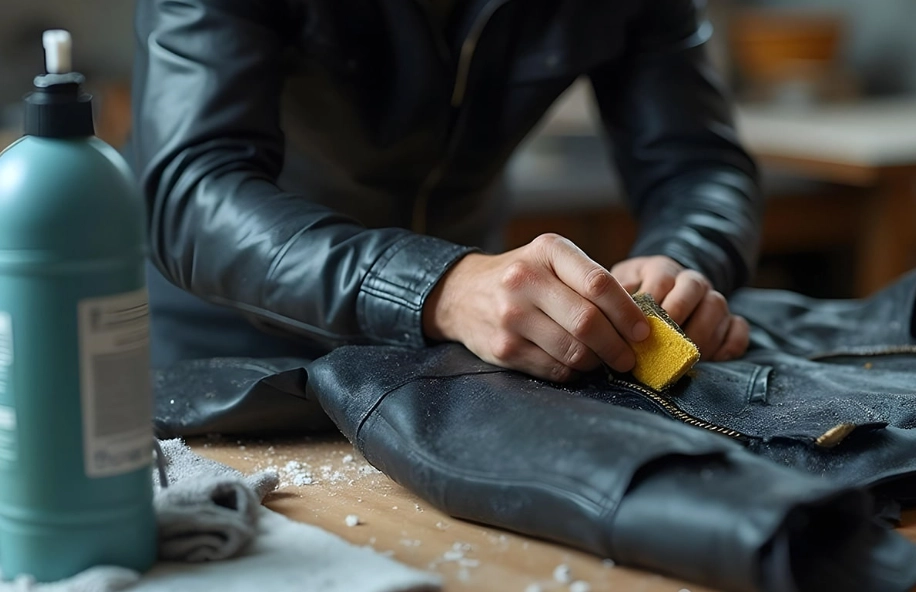
What Never to Do With Your Leather Jacket
- The Washing Machine: The agitation, spin cycle, and heat will shrink, crack, and permanently damage the leather. Just don't.
- The Dryer: This is leather murder. The intense heat will bake it into a stiff, shriveled mess.
- Household Cleaners: Windex, bleach, dish soap (except very mild ones), vinegar solutions for general cleaning – they're too harsh and will strip oils or discolor the leather.
- Hanging Soaking Wet: The weight of the water will stretch the shoulders and distort the jacket's shape as it dries.
- Over-Conditioning: More is not better. Excess conditioner can clog the leather's pores, making it greasy and attracting dirt.
Your Leather Jacket Wash Questions Answered
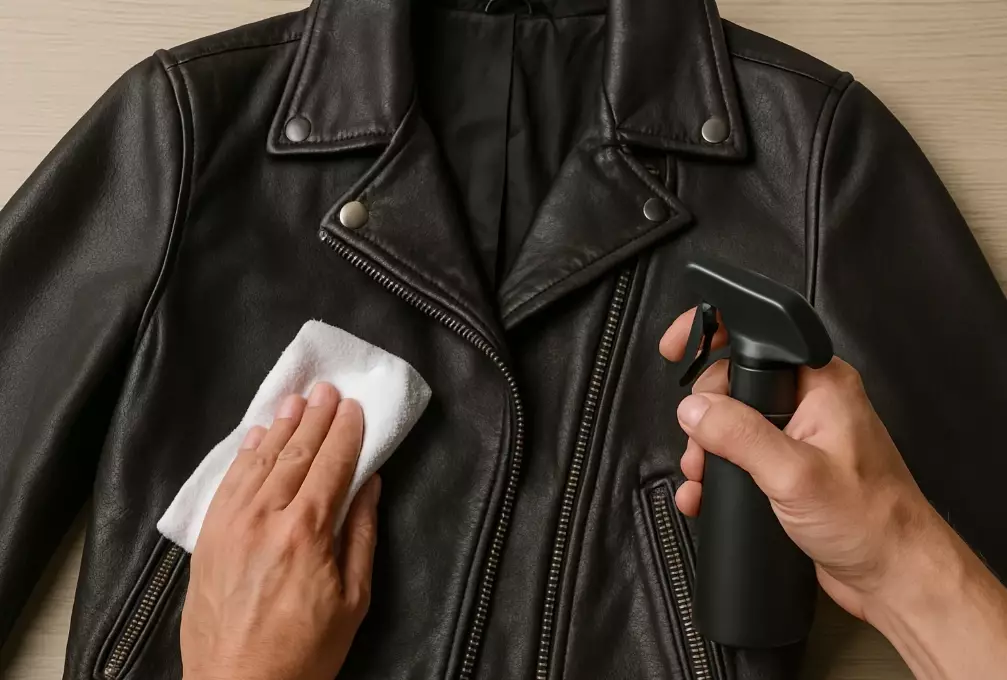 Washing a leather jacket feels intimidating, but it's a straightforward process of gentle cleaning, patient drying, and essential conditioning. It connects you to the item. You're not just cleaning a possession; you're maintaining a material that ages with you. Skip the shortcuts, respect the material, and that jacket will be a part of your wardrobe for a very long time.