You spend a third of your life with your face pressed against it. Think about that. Your pillow absorbs sweat, skin oils, saliva, and dust mites. A lot of dust mites. Washing your pillowcase weekly is basic hygiene, but the pillow itself? That's where most people drop the ball. A dirty pillow isn't just gross; it can worsen allergies, cause breakouts, and simply smell bad. The good news? Washing most pillows is straightforward—if you know the rules. Get it wrong, and you can ruin a perfectly good pillow. I learned that the hard way years ago with a memory foam pillow that never recovered. Let's make sure that doesn't happen to you.
What’s Inside This Pillow Washing Guide
Why You Absolutely Need to Wash Your Pillows
It's not about being a clean freak. It's about health and longevity. The American Academy of Allergy, Asthma & Immunology points out that bedding is a prime habitat for dust mites, whose droppings are a major allergen. Over a year, a pillow can gain up to a third of its weight in dust mites, dead skin, and other... stuff. This creates a perfect environment for bacteria and mold, especially if you're a side sleeper or live in a humid climate. Washing your pillow every 3-6 months breaks this cycle. It fluffs up the filling, removes odors (like that unidentifiable morning smell), and can even help you sleep better. Think of it as a reset button for your sleep hygiene.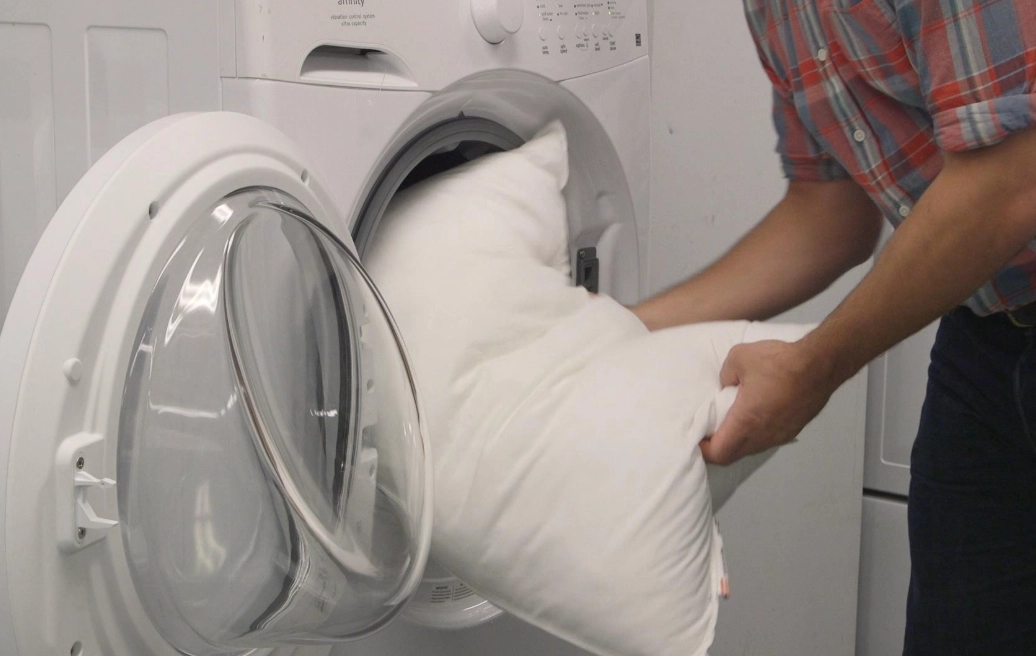
When Is It Time to Wash Your Pillow?
Don't wait for a visible stain. Here are the real signals:
- The Smell Test: Fold the pillow in half and give it a sniff near the core. If it smells musty, sour, or just "old," it's time.
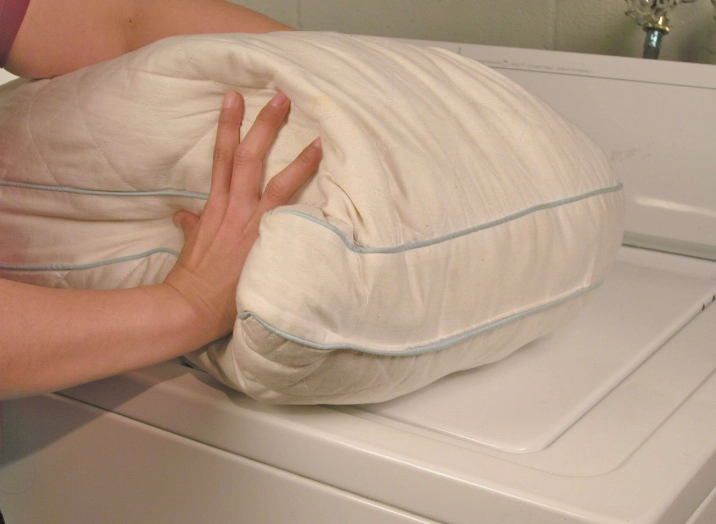
- The Fluff Test: Fold it in half. Does it stay folded like a limp pancake, or does it spring back? If it stays folded, the filling is matted with debris and moisture.
- The Allergy Test: Do you wake up with a stuffy nose, itchy eyes, or more acne along your cheeks and forehead? Your pillow could be the culprit.
- The Visual Check: Yellowing or subtle stains are a dead giveaway. That's not just age; it's a build-up of body soils.
Pro Tip: Mark your calendar or set a phone reminder for every 4 months. Pillow washing is one of those "out of sight, out of mind" tasks that gets forgotten.
The Crucial Pre-Wash Steps Everyone Skips
Jumping straight into the wash is a mistake. Preparation is 50% of the job.
1. Find the Care Label (And Actually Read It)
This seems obvious, but most people guess. The label inside the seam is your bible. Look for codes: "M" for professional cleaning, "W" for wash, "X" for do not wash. If it's missing, you'll need to ID the filling type.
2. Check for Structural Damage
Inspect the seams, especially at the corners. Any small holes or loose threads will become giant tears in the washer. Repair them with a needle and thread first. If the pillow is already torn and leaking filling, washing it will make a huge mess. It might be time for a replacement.
3. The Spot Treatment Ritual
Never pour detergent directly on a stain. Mix a small amount of mild detergent (like Woolite) with cool water. Dab (don't rub) the stain from the outside towards the center. For sweat or oil stains, a paste of baking soda and water left for 30 minutes before dabbing can work wonders.
Washing Guide by Pillow Type (Step-by-Step)
This is the core of it. One method does NOT fit all. Using the wrong one is how pillows die.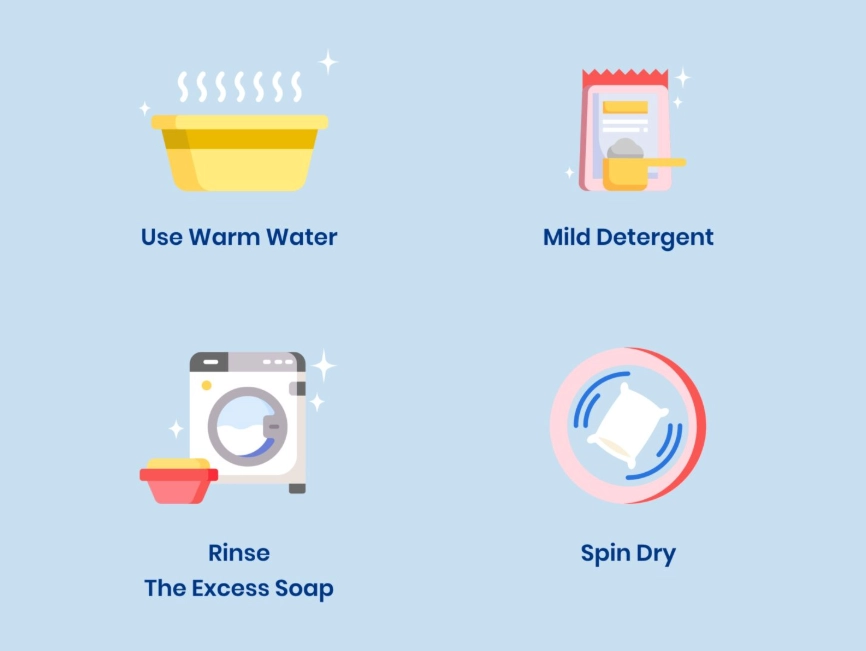
| Pillow Type | Machine Washable? | Key Instructions | Cycle & Temp |
|---|---|---|---|
| Polyester / Synthetic Fill | Yes (Most Common) | Wash 2 at a time for balance. Use an extra rinse cycle. | Gentle Cycle, Warm Water |
| Down or Feather | Yes (But Be Careful) | Use a mild detergent. Tennis balls in dryer are non-negotiable. | Delicate Cycle, Cold/Warm Water |
| Memory Foam (Shredded or Solid) | NO | Spot clean only. Never submerge. Air dry completely. | Hand Wash Only (Spot) |
| Latex Foam | No | Similar to memory foam. Can hand wash in bath, but avoid wringing. | Hand Wash, Cool Water |
| Buckwheat / Millet Hull | No | Empty filling, wash shell only. Dry filling separately in sun. | Machine Wash Shell |
How to Wash Synthetic and Down Pillows in the Machine
For machine-washable pillows (check that label!), follow this ritual:
- Balance the Load: Wash two pillows of similar size together. This prevents the machine from becoming unbalanced and thumping violently.
- Detergent Choice: Use a mild, liquid detergent
- Cycle Settings: Always use the gentle or delicate cycle with warm or cold water. Hot water can damage fabrics and cause filling to clump.
- The Extra Rinse: Select the extra rinse option if your machine has it. Soap residue attracts dirt faster and can irritate skin.
The Special Case of Memory Foam and Latex
Here's where I ruined my first good pillow. I assumed "foam" was fine. It wasn't. Traditional memory foam and latex are not designed to be agitated in a washer. The foam can absorb water, break down, and never regain its shape. It can also trap moisture inside, leading to mold.
The correct method: Mix a small amount of mild detergent in a basin of cool water. Submerge a clean cloth, wring it out thoroughly, and gently wipe the pillow surface. Never soak it. Then, wipe with a cloth dipped in clean water to rinse. Press—don't wring—to remove excess moisture. Air dry flat in a well-ventilated area, flipping every few hours. This can take 24-48 hours. A fan pointed at it helps immensely.
Critical Warning: Some "washable" memory foam pillows exist, but they are specifically marketed as such. If the tag doesn't explicitly say "machine washable," assume it's not. When in doubt, spot clean.
The Art of Drying a Pillow Completely
Drying is more important than washing. A damp pillow is a moldy pillow.
- Dryer Method (For Synthetic/Down): Use low heat. High heat can melt synthetic fibers or scorch down. Throw in 2-3 clean, dry tennis balls or wool dryer balls. They bash the clumps apart as the pillow tumbles. This is essential for restoring fluff. Expect it to take 2-3 cycles. Check between cycles and break up any clumps by hand.
- The Forgotten Step: Feel the very center of the pillow. The outside can feel dry while the core is still damp. Press it against your cheek—your face will detect moisture your hands miss.
- Air Drying (For all types, or as a final step): After the dryer, let pillows air dry in the sun for an afternoon. UV light is a natural disinfectant and deodorizer. For foam pillows, air drying is the only option. Lay them flat on a drying rack, never hang by a corner, which can distort the shape.
Common Pillow Washing Mistakes to Avoid
I've seen these ruin countless pillows.
Overloading the Washer: One king-size pillow is enough for one load. Two standard pillows max. They need room to agitate and rinse.
Using Fabric Softener or Bleach: Fabric softener coats fibers, reducing absorbency and breathability. It can also break down elastic materials. Bleach weakens fabrics and can yellow white pillows over time. For disinfecting, a cup of white vinegar in the rinse cycle is safer and helps remove soap residue.
Assuming All "Foam" is the Same: As discussed, this is the big one. Shredded memory foam pillows in a zip cover are often machine washable (check the label!). Solid blocks are not.
Rushing the Dry: Impatience leads to mildew. If you must use a pillow tonight and it's slightly damp, put a waterproof mattress protector over it, then your pillowcase, as a temporary barrier. But really, just let it dry fully.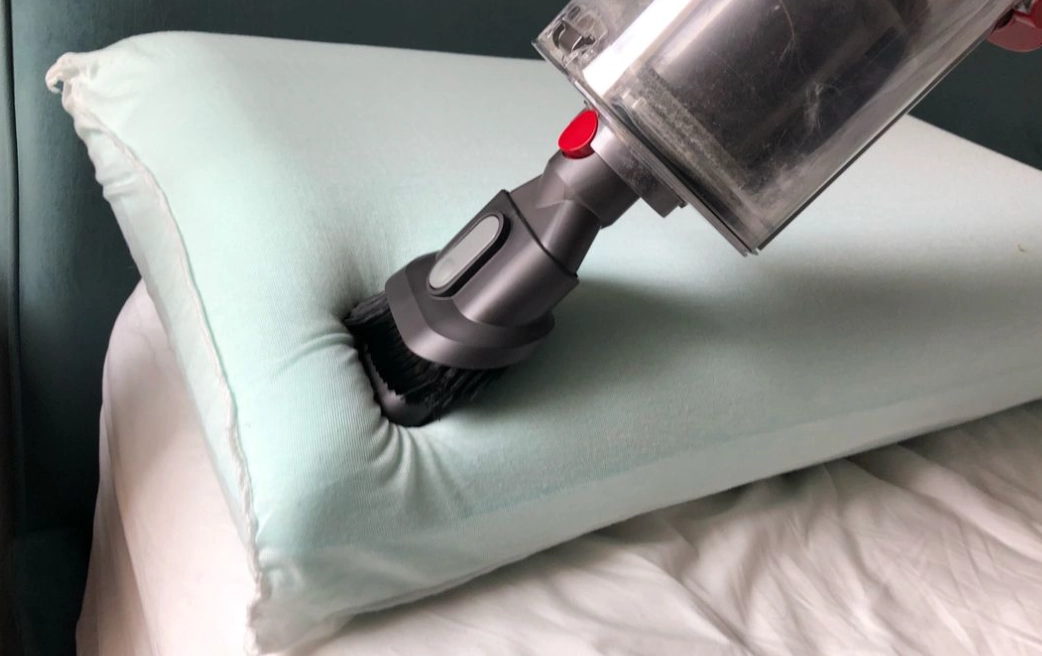
Your Pillow Washing Questions Answered
How often should I wash my pillows if I have severe dust mite allergies?
Every 4-6 weeks is ideal for the allergen-sensitive. Use hot water (if the label allows, typically for synthetic pillows) at 130°F (55°C) or higher, as this temperature kills dust mites. Follow with a thorough, high-heat dryer cycle. Also, use allergen-proof pillow encasements (zip-up covers) that you wash monthly. The encasement acts as a primary barrier, making the deep clean of the pillow itself more effective.
My down pillow came out of the dryer flat and lumpy. Did I ruin it?
Probably not, it's just "clumped." You likely didn't dry it long enough or without agitation. Put it back in the dryer on air-fluff or no-heat with 3 clean tennis balls. The constant beating will separate the clumps. It might take an hour or two. For severe clumping, you can gently tear the clumps apart by hand through the fabric before returning it to the dryer. Prevention is key: always use dryer balls next time.
Can I wash a pillow with a "Do Not Wash" label?
You can, but you void any warranty and risk destroying it. These labels are usually on pillows with complex internal structures, glued layers, or certain foams. If the pillow is inexpensive or you're planning to replace it anyway, you might attempt a gentle hand wash at your own risk. For a high-end pillow, follow the label. Often, "Do Not Wash" means professional cleaning is the only safe option, though that can be costly.
What's the best way to get yellow sweat stains out of a white pillow?
Pre-treat the stain first. Make a paste of baking soda, hydrogen peroxide (3%), and a drop of dish soap. Apply it to the stain and let it sit for an hour before washing. In the wash, add half a cup of borax along with your detergent. Borax is a natural whitener and booster. Always wash whites in the warmest water the care label permits. Sun drying will also help bleach the stain naturally.
Is it better to wash pillows at home or use a laundromat's large commercial washer?
A laundromat's large front-loader can be fantastic for bulky items like king-size pillows or comforters, as it has more space for proper agitation and rinsing. However, you have less control over the cycle. If you use one, still select the gentle cycle and bring your own mild detergent. Avoid the overpowered top-loaders with central agitators, as they can be too rough and cause tearing.