Let's be honest. The first time you need to wash your weighted blanket, a wave of panic might hit. It's not just a regular comforter. It's heavy, often filled with glass beads or plastic pellets, and it feels like a significant investment. The fear of breaking your washing machine or clumping the filling is real. I've been there. I ruined a perfectly good blanket years ago by throwing it in a top-loader without a second thought. The beads all shifted to one corner, creating a lumpy, useless mess. That mistake taught me more than any care label ever could. Washing a weighted blanket correctly isn't just about cleanliness; it's about preserving the therapeutic pressure and the lifespan of a product that likely helps you sleep or relax. This guide will walk you through the safe, effective methods, so you never have to learn the hard way.
What's in This Guide?
- Why Getting This Right Matters More Than You Think
- The Non-Negotiable First Step: Decoding the Care Label
- How to Machine Wash a Weighted Blanket (The Safe Way)
- The Hand Washing Alternative: When and How to Do It
- The Crucial Finale: How to Dry a Weighted Blanket
- Your Top Weighted Blanket Washing Questions, Answered
Why Getting This Right Matters More Than You Think
You might think a wash is just a wash. With a weighted blanket, it's engineering. The even distribution of weight is what makes it work. Aggressive spinning or the wrong detergent can disrupt that balance permanently. Beyond clumping, improper washing can:
- Damage the internal baffles: Those fabric squares or channels holding the filler in place can tear.
- Degrade the cover fabric: Harsh chemicals or heat can weaken fibers, leading to pilling or tears.
- Void the warranty: Most manufacturers explicitly state that improper cleaning voids their guarantee. That's a costly risk.
A clean blanket is also a healthier one. Over time, it collects dead skin cells, sweat, and dust mites. The National Sleep Foundation highlights a clean sleep environment as a key factor for quality sleep. Proper washing removes these allergens without compromising the blanket's function.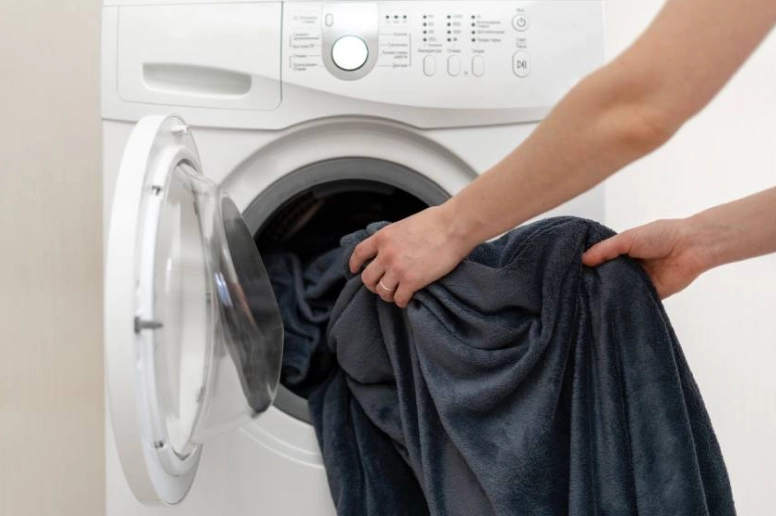
The Non-Negotiable First Step: Decoding the Care Label
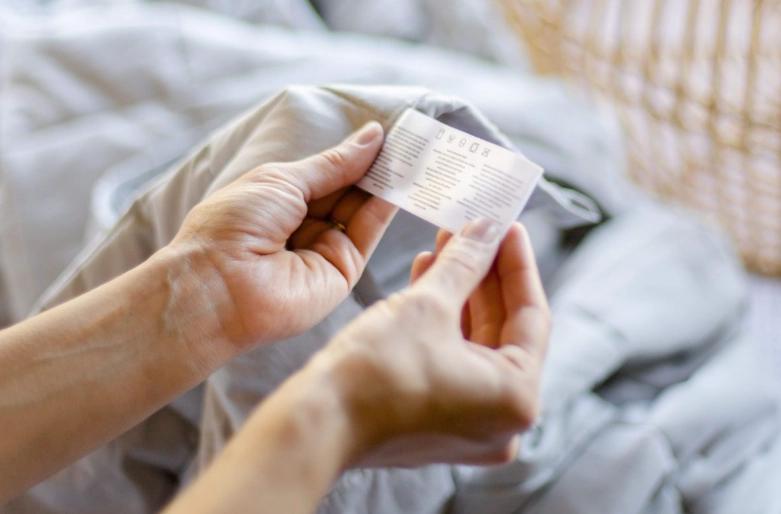
Before you do anything, find the care label. Usually, it's sewn into a corner seam. This isn't a suggestion; it's the manufacturer's blueprint. I've seen labels that say "spot clean only," "dry clean," "machine wash cold," and everything in between. Here’s a quick translator:
- "Machine Wash Cold, Gentle Cycle": Your green light for the machine method outlined below.
- "Spot Clean Only": Do not submerge. Use a damp cloth with mild detergent on stains.
- "Dry Clean": Take it to a professional. Tell them it's weighted and ask about their process. Not all dry cleaners are experienced with them.
- "Remove Cover Before Washing": Most weighted blankets have a removable duvet cover. Always wash the cover separately on a gentle cycle. The inner weighted insert often requires less frequent washing and may have its own "spot clean only" instructions.
If the label is missing or faded, err on the side of extreme caution. Assume it's hand-wash or spot-clean only. A call to the manufacturer's customer service can sometimes get you the info.
Pro Tip: Take a photo of the care label with your phone. That way, you'll always have it handy, and you won't have to dig for the tag next time.
How to Machine Wash a Weighted Blanket (The Safe Way)
If your label gives the okay, follow these steps to the letter. This is where most people mess up by cutting corners.
Pre-Wash Checklist
- Check your machine's capacity: This is critical. A standard top-loading agitator washer is often a bad choice for blankets over 15 pounds. The agitator can twist and damage the blanket. A front-loading or high-efficiency (HE) top-loading washer (without a central agitator) is vastly superior. Consult your washer's manual for weight limits. When in doubt, hand wash.
- Is the blanket too big? If it's a king-size blanket, it might not have enough room to tumble freely even in a large-capacity washer, leading to poor cleaning and extra strain on the machine.
- Pre-treat any stains: Use a mild stain remover or a paste of baking soda and water on spots like food or sweat stains. Let it sit for 15 minutes.
The Washing Process
- Use cold or warm water only. Hot water is a major cause of filler clumping and can shrink the fabric.
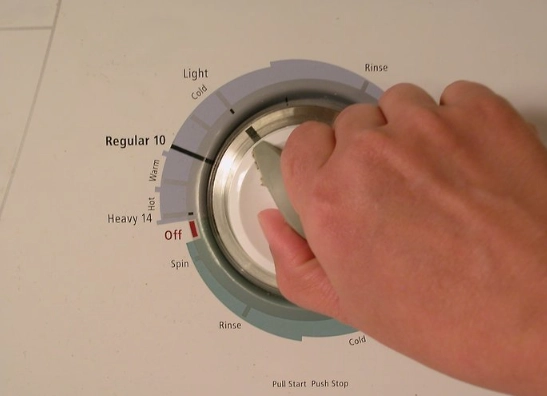
- Select the gentlest cycle available. "Delicate," "Hand Wash," or "Bulky Items" are good choices. Avoid "Heavy Duty" or "Normal" cycles.
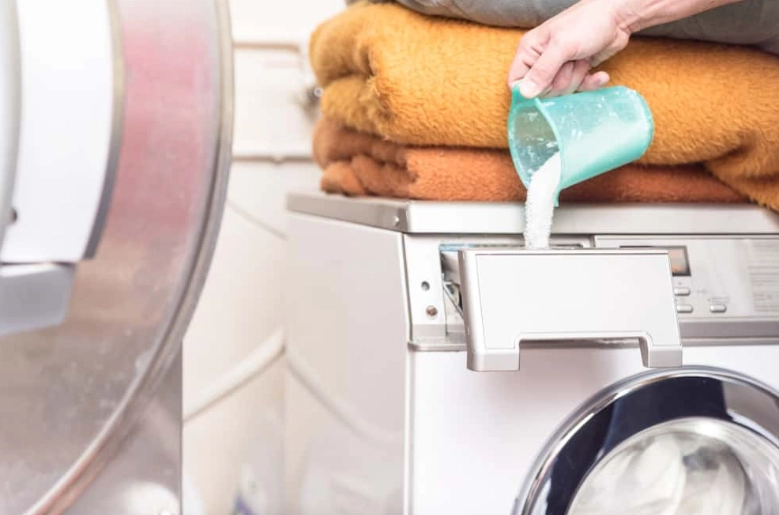
- Use a mild, liquid detergent. Powdered detergent can leave residue that traps moisture near the filler. Avoid bleach and fabric softeners entirely. Bleach weakens fibers, and softeners coat fibers, reducing absorbency and potentially irritating skin. Opt for a free & clear formula.
- Add an extra rinse cycle. This ensures all soap is thoroughly removed, which is key to preventing residue buildup.
- Wash it alone. Don't toss in towels or clothes. They can throw off the balance and cause aggressive spinning.
The Big Mistake Everyone Makes: They use too much detergent. You need far less than you think—about half the recommended amount for a large load. Excess soap is the primary culprit behind residue that leads to clumping after drying.
The Hand Washing Alternative: When and How to Do It
Hand washing is the safest method overall. It's my go-to for blankets over 20 pounds, older machines, or any blanket I'm particularly worried about. It's more labor-intensive but gives you complete control.
- Fill a bathtub or a very large utility sink with cool or lukewarm water.
- Add a small amount of mild liquid detergent and swish to disperse.
- Submerge the blanket. Gently press it down to soak. Let it sit for 15-30 minutes. Do not wring, twist, or scrub aggressively.
- "Agitate" gently. Use your hands to move the blanket around the water, pressing on it to work the soap through.
- Drain the soapy water. Gently press the blanket against the side of the tub to remove some water—again, no wringing.
- Refill with clean water and repeat the gentle pressing to rinse. You may need 2-3 rinse cycles until the water runs clear.
The Crucial Finale: How to Dry a Weighted Blanket
Drying is arguably more important than washing. Heat is the enemy. High heat will fuse plastic pellets together and can damage glass bead coatings.
| Method | How-To | Best For | Key Precautions |
|---|---|---|---|
| Tumble Dry (Low Heat) | Place blanket in dryer. Use LOW or NO HEAT setting. Add 2-3 clean, dry towels or dryer balls to help balance the load and fluff the blanket. | Blankets that are machine-washable and fit comfortably in your dryer. | Check every 30 minutes to fluff and redistribute. Can take 2-3 hours. Never use high heat. |
| Air Dry (Flat) | Lay the blanket flat over several clotheslines, a drying rack, or clean towels on a flat surface. Flip every few hours. | All blankets, especially delicate ones or those with "lay flat to dry" instructions. The safest method. | Ensure good air circulation. Direct sunlight can fade colors. Drying can take 24-48 hours. |
| Air Dry (Hanging) | Drape the blanket over two parallel lines to distribute weight evenly. Avoid hanging by one or two corners. | Lighter blankets where the weight won't overly stress the seams. | Use multiple support points. The center of the blanket should not sag too much, as this can strain the fabric. |
How do you know it's completely dry? Feel the very center of the blanket. If it's cool or damp at all, it needs more time. Any residual moisture in the core will eventually lead to mildew.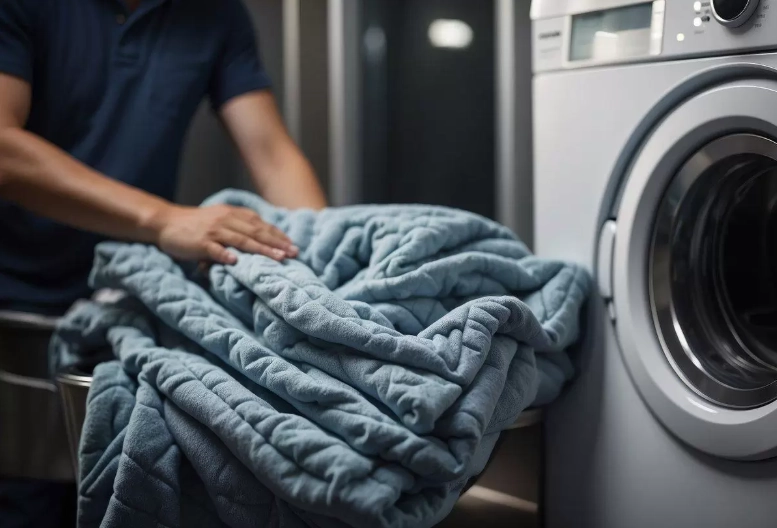
Your Top Weighted Blanket Washing Questions, Answered
Can I wash a 20-pound weighted blanket in a standard top-load washer with an agitator?
I strongly advise against it. The agitator's twisting motion is brutal on the internal baffle box structure. It's the fastest way to cause filler migration and clumping. For a blanket that heavy, hand washing in a tub or using a large-capacity front-loader is the only safe bet. If you must use a top-loader, ensure it's an HE model without a center agitator.
My blanket says "dry clean only." Is that really necessary, or can I spot clean it?
Trust the label. "Dry clean only" usually means the outer fabric or inner construction is too delicate for water immersion. You can and should spot clean for small stains. For overall soil, you need a professional. The key is to find a dry cleaner who understands weighted blankets. Call ahead and ask if they have experience with them. Explain what it is so they don't treat it like a regular comforter.
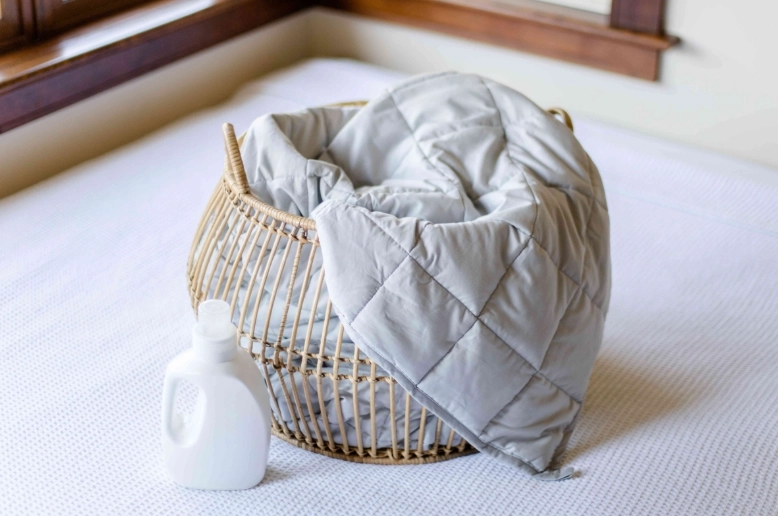 After washing, the beads are all clumped in one section. Can I fix it?
You can try, but it's an uphill battle. While the blanket is still slightly damp, lay it flat and manually massage the clumps back toward the empty areas. Use your fingers to work through the fabric channels. Once it's completely dry, shake it vigorously and fluff it. This might improve distribution, but severe clumping from a hot wash or aggressive spin is often permanent. This is exactly why following the gentle, cold-wash process is non-negotiable.
How often should I actually wash the weighted insert versus the removable cover?
Wash the removable cover every 1-2 weeks, just like bedsheets. The inner weighted insert needs far less frequent washing—maybe 2-3 times a year at most, or only for accidents. Always use a cover; it's your first line of defense and saves the insert from constant wear and tear. If you don't have a removable cover, consider buying one that fits.
Can I use vinegar or baking soda in the wash?
A half-cup of white vinegar in the rinse cycle can act as a natural fabric softener and help remove detergent residue. Add it to the fabric softener dispenser or during the final rinse. Baking soda can be used as a pre-wash paste on stains. I'm cautious about adding baking soda directly to the wash drum for a weighted blanket, as ensuring it's fully dissolved and rinsed out is harder with such a bulky item.