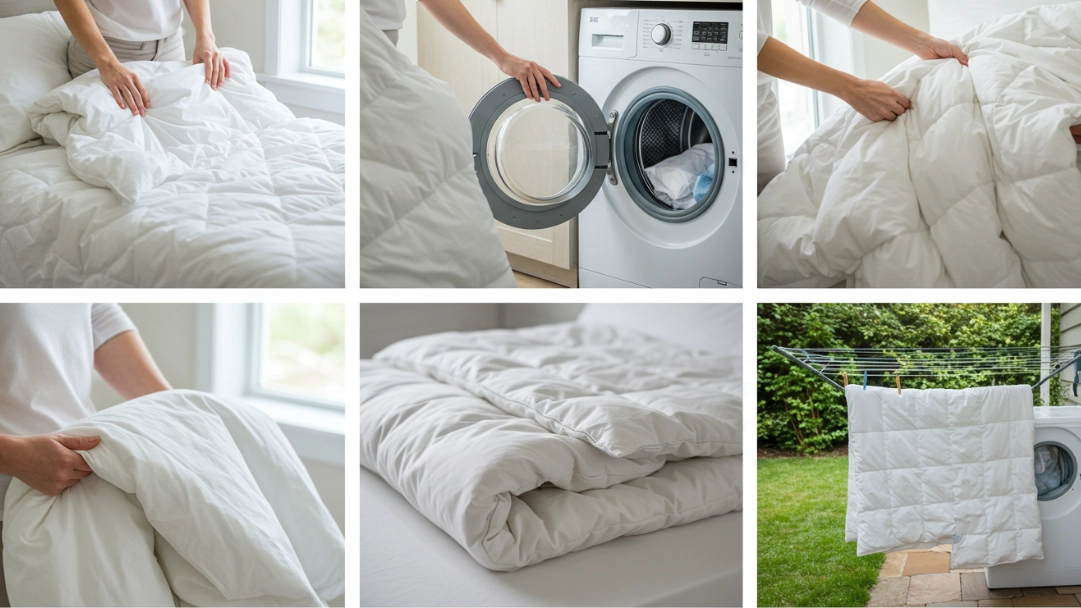
Let's be honest. Most of us only think about washing pillows when they start to smell or look a bit yellow. I was the same. For years, I just threw a pillowcase on and called it clean. Then I learned what was really building up inside: dust mites, dead skin cells, sweat, and oils. It's not a pretty picture. Washing your pillows isn't just about freshness; it's about sleep hygiene. And yes, you can absolutely do it in your washing machine, but there's a right way and a very wrong way. I learned the wrong way first—a lumpy, misshapen memory foam disaster. Let's make sure you avoid that.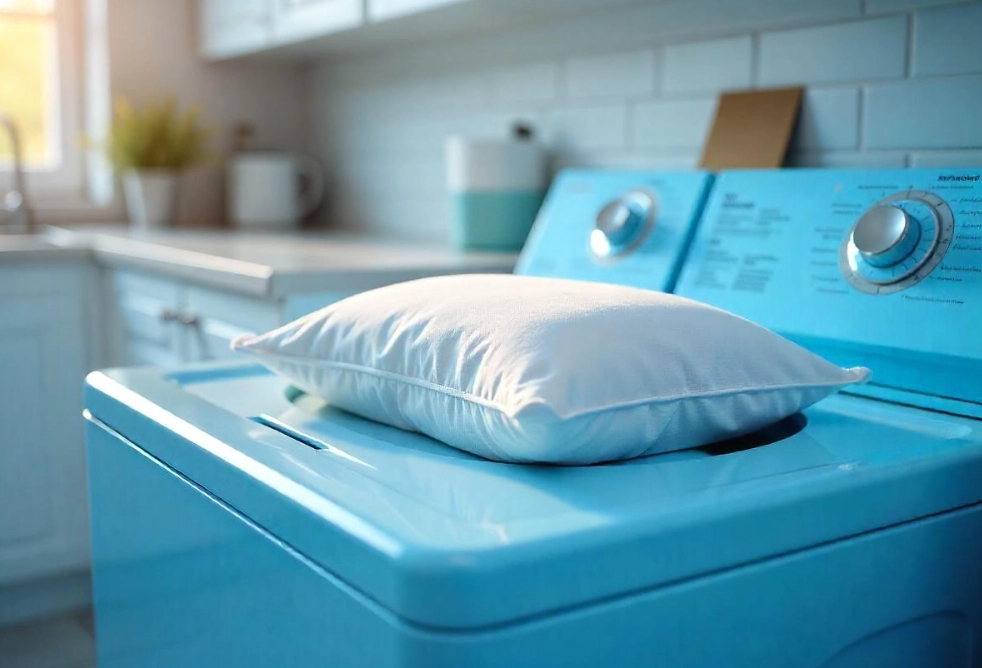
Your Quick Pillow Washing Cheat Sheet
What Type of Pillow Do You Have? (This Changes Everything)
This is the most important step. Washing a down pillow is a completely different beast from washing a synthetic one. Ignore the label at your own peril. Here's a breakdown of the most common types and how to handle them.
| Pillow Type | Machine Washable? | Key Washing Instructions | Biggest Risk |
|---|---|---|---|
| Down & Feather | Usually Yes | Gentle cycle, cold/warm water. Use mild detergent. Must be thoroughly dried. | Clumping if not dried properly. Can develop odor. |
| Polyester / Synthetic Fill | Almost Always Yes | Very forgiving. Warm water on a gentle or normal cycle. Dries quickly. | Heat damage from dryer if temperature too high. |
| Memory Foam | Almost Never | DO NOT machine wash or agitate. Spot clean only. The foam absorbs water and breaks down. | Complete disintegration, loss of support. |
| Latex Foam | Check Label (Often No) | Similar to memory foam. Usually hand-wash recommended if washable at all. Avoid twisting. | Waterlogging, mildew, tearing. |
| Buckwheat / Millet Hulls | No | Empty the filling, wash the cotton cover separately. Never wash the hulls themselves. | Ruining the filling, causing mold. |
See that memory foam line? That's where I messed up. I assumed "foam" was like the polyester ones. It wasn't. The pillow never recovered.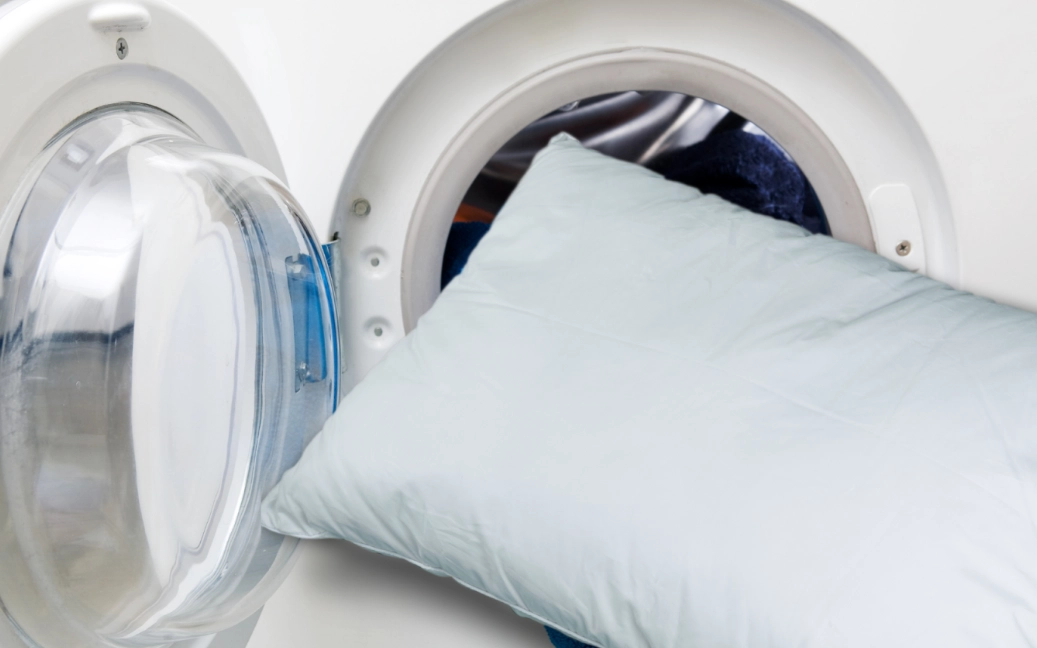
Golden Rule: The care tag is your bible. If it says "Do Not Machine Wash," believe it. If the tag is missing, use the table above as your guide, but err on the side of caution. When in doubt, spot clean.
The Crucial Pre-Wash Checklist
Don't just toss pillows in the drum. A few minutes of prep prevents hours of regret.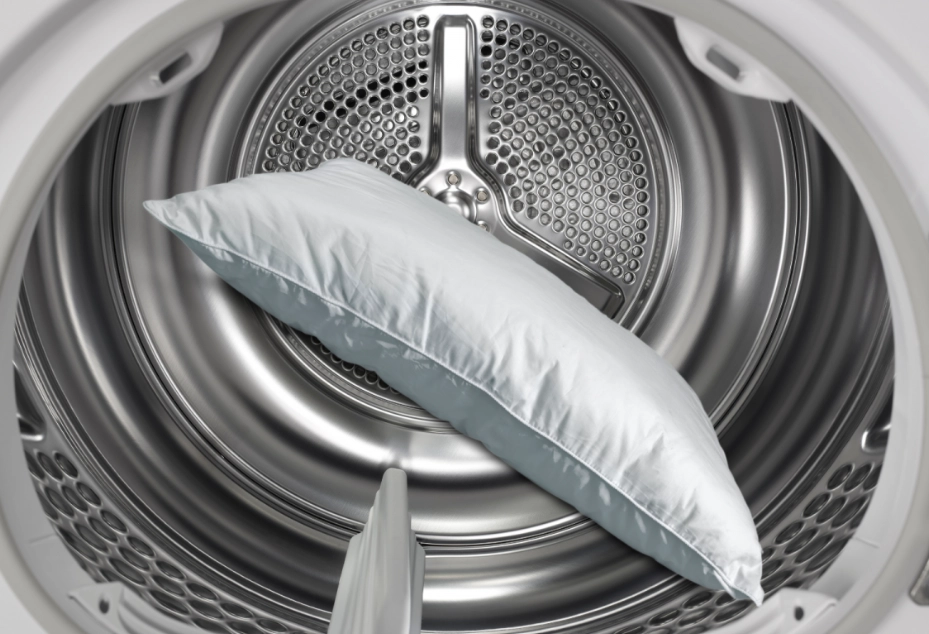
- Check for Tears: Run your hands over the pillow. Any small holes or open seams? Stitch them up first. Otherwise, you'll have a drum full of feathers or foam bits.
- Pre-Treat Stains: Got yellowing or specific stains? Apply a small amount of enzyme-based stain remover or a paste of baking soda and water directly to the spot. Let it sit for 15-20 minutes before washing.
- Use a Pillow Protector Next Time: Seriously, this is the game-changer. A zippered, washable pillow protector acts like a shield. It keeps the actual pillow cleaner for much longer. Wash the protector every two weeks, the pillow every few months.
- Balance the Load: Wash two pillows at once if possible. It helps balance the washing machine drum, leading to a better wash and less wear on your machine. Make sure they're similar in size and type.
Step-by-Step Machine Washing Guide
Okay, your pillows are prepped, and you've confirmed they're machine-washable. Let's get to the main event.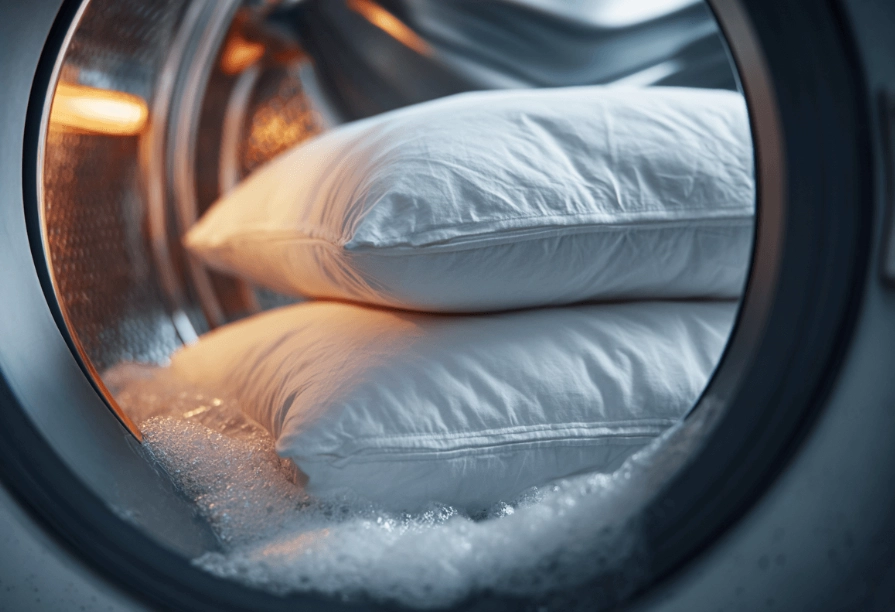
1. Machine Settings: The Nitty-Gritty
This isn't the time for the "heavy-duty" cycle. Think gentle.
Cycle: Select the Gentle, Delicate, or Hand Wash cycle. The goal is a slow, thorough agitation without the brutal tumbling of a normal cycle.
Water Temperature: Warm water (around 90°F/32°C) is ideal for most pillows. It's hot enough to kill some dust mites and lift oils but not so hot that it sets protein-based stains (like sweat) or damages fabrics. For down, cold or warm is safer to protect the natural oils in the feathers.
Spin Speed: Choose a low or medium spin speed. A high-speed spin can twist and distort the pillow's internal structure, especially for down.
2. Detergent & Additives
Less is more. I used to pour detergent in like I was washing muddy jeans. Big mistake.
Detergent: Use about half the amount you'd use for a normal load. A mild, liquid detergent is best. Powdered detergents can sometimes leave residue. Avoid bleach at all costs—it weakens fibers and can cause yellowing. Also skip fabric softener; it coats the fibers and reduces fluffiness.
The Extra Rinse: This is my non-negotiable pro tip. Always select the "Extra Rinse" option. Pillows are thick and can trap soap deep inside. Residual detergent makes them stiff, can irritate skin, and attracts dirt faster. An extra rinse ensures all soap is gone.
For Musty Smells: If your pillows have a lingering odor, add half a cup of white vinegar or baking soda to the detergent drawer during the wash cycle. Both are natural deodorizers and help break down residues. Don't worry, the vinegar smell washes completely away.
How to Dry Pillows Completely (This is Where Most Fail)
Incomplete drying is the #1 cause of musty pillows and mildew. A pillow can feel dry on the outside but be damp in the core for days.
Machine Drying is King: It's the most effective method. Use a low heat setting. Toss in a couple of clean, dry tennis balls or wool dryer balls. They help bash the pillow filling apart as it dries, preventing clumps—especially critical for down.
Expect this to take a long time. Two to three dryer cycles are normal for down or thick synthetic pillows. Check every 30-40 minutes. Break up any clumps by hand. The pillow is only done when it is completely dry to the core. No hint of dampness.
Air Drying: Can be done, but requires patience and good conditions. Lay pillows flat on a drying rack in direct sunlight if possible (sun is a natural disinfectant). Flip them every few hours. This can take 24-48 hours or more. I only recommend this as a last resort or for very thin pillows; the risk of interior mildew is higher.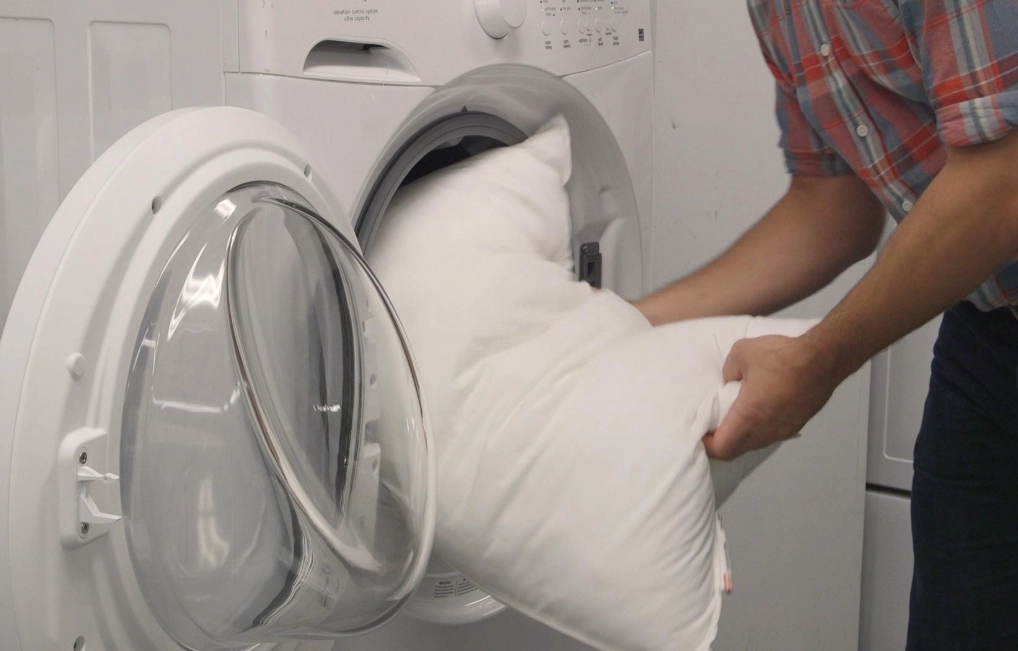
Pro Tips & Common Mistakes to Avoid
After washing hundreds of pillows (I used to manage a small B&B), here's what most guides don't tell you.
- Don't Overload the Washer: Your machine needs room to agitate and rinse properly. Two standard pillows are plenty for a full-size machine.
- That "Dry Clean Only" Tag on Down: Many high-end down pillows say this. However, most modern down is washable. The tag is often a CYA move by the manufacturer. If you're nervous, hand-wash in a bathtub, but the machine on gentle is usually fine.
- The Tennis Ball Trick is Essential: I mentioned it, but it's worth repeating. Without them, down and feather pillows will dry in one solid, lumpy mass.
- Frequency Matters: Wash pillows every 3 to 6 months. The American Academy of Allergy, Asthma & Immunology notes that reducing allergens like dust mites in bedding can improve allergy symptoms. If you have allergies or asthma, aim for the 3-month mark.
- Know When to Retire Them: Washing revitalizes pillows, but it doesn't make them last forever. If your pillow is permanently flat, lumpy even after washing and drying, or over 2-3 years old, it's likely lost its support. Time for a new one.
Your Pillow Washing Questions Answered
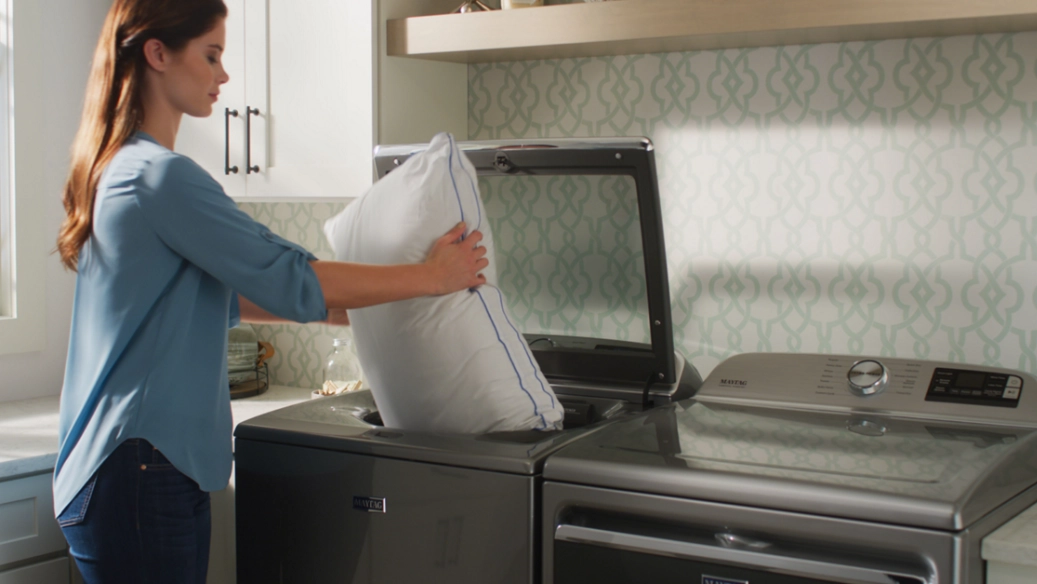 Washing your pillows might seem like a chore, but the reward is a cleaner, fresher, and more supportive sleep surface. It extends the life of your pillows and creates a healthier bedroom environment. Follow these steps, avoid the common pitfalls, and you'll never go back to sleeping on unwashed pillows again.