Cleaning stuffed animals isn't just about making them look nice—it's about keeping them safe from germs, dust mites, and stains that can build up over time. I've seen too many people toss a favorite teddy into the washing machine only to pull out a misshapen, frayed mess. After years of collecting and caring for plush toys, I've learned the hard way that a little know-how goes a long way. This guide will walk you through everything, from checking labels to drying tricks, so you can wash stuffed animals without the heartache.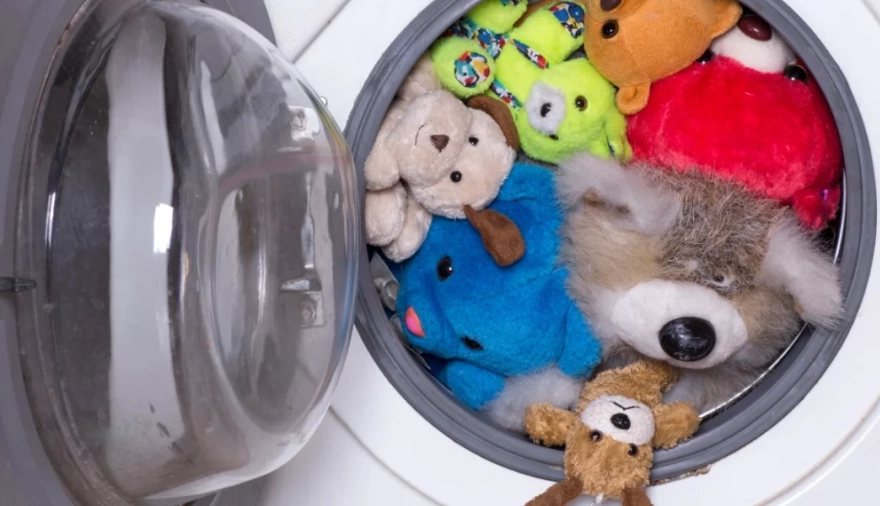
What You'll Learn in This Guide
Why Washing Stuffed Animals Matters
Think about it: stuffed animals get dragged everywhere—bed, floor, park, even the dinner table. They collect dust, allergens, and bacteria. The American Academy of Allergy, Asthma & Immunology notes that plush toys can harbor dust mites, which trigger allergies in kids. Washing them regularly reduces this risk and extends their life. I once had a teddy bear from childhood that fell apart because I never cleaned it; the fabric just degraded from grime.
Beyond health, cleaning keeps them looking fresh. Stains from juice or mud can set in if ignored. A quick wash every few months makes a huge difference.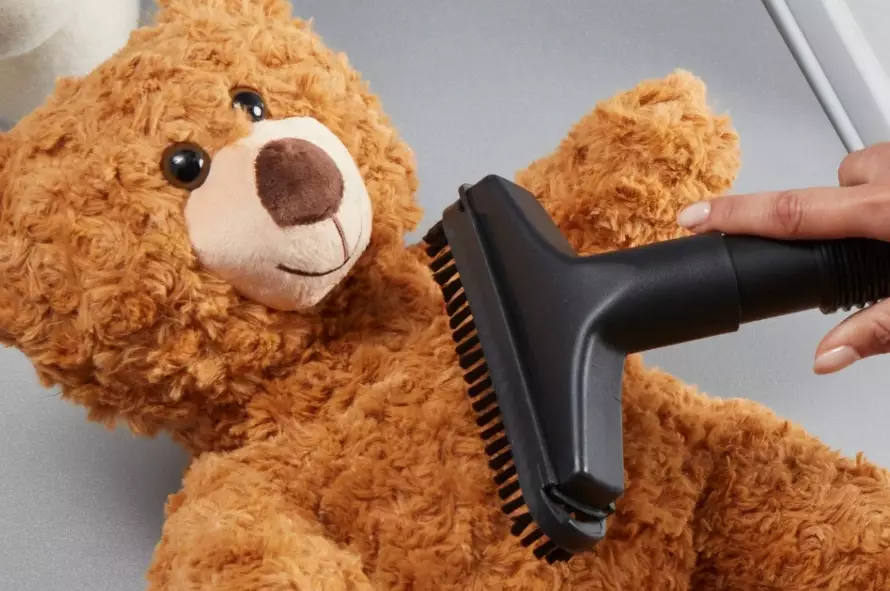
Preparation: Checking Labels and Materials
Before you do anything, check the care label. Many stuffed animals have one, usually sewn into a seam. If it says "dry clean only," respect that—I learned this after ruining a vintage bunny with water. No label? Assess the material. Common types:
- Polyester or acrylic plush: Most modern toys; usually machine-washable.
- Cotton or linen: Often hand-wash only; can shrink.
- Wool or felt: Delicate; hand-wash in cold water to avoid felting.
- Mixed materials: If it has plastic eyes, ribbons, or electronics, be extra careful.
Also, inspect for loose parts. Sew on any dangling buttons or threads first. A loose eye can scratch the toy or get lost in the wash.
Pro tip: If the toy is very old or valuable, consider spot-cleaning instead of a full wash. I once washed an antique stuffed dog, and the colors ran—a mistake I won't repeat.
How to Hand-Wash Stuffed Animals
Hand-washing is safest for delicate toys. Here's my go-to method, refined over years.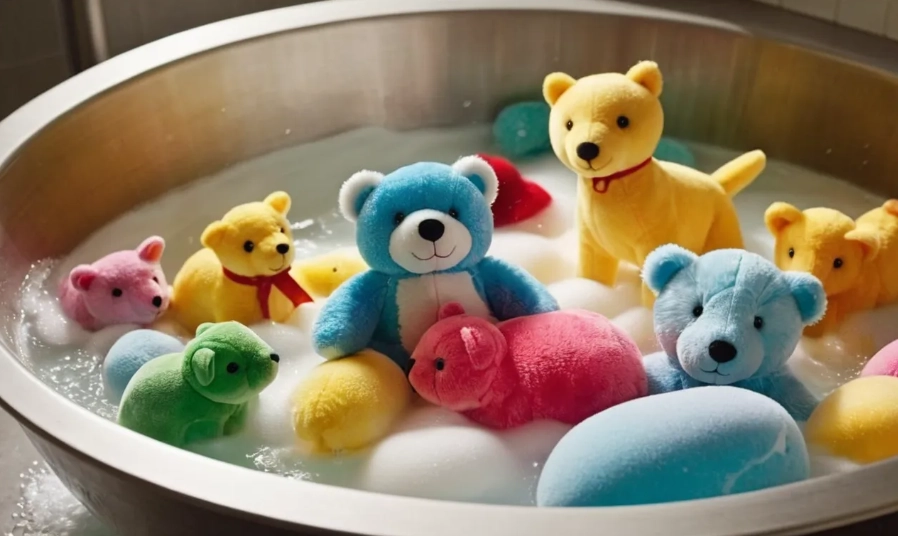
Step-by-Step Hand-Washing Process
Fill a basin with lukewarm water—not hot, as heat can damage fibers. Add a mild detergent, like baby shampoo or a eco-friendly option such as Seventh Generation Free & Clear. Swirl to mix.
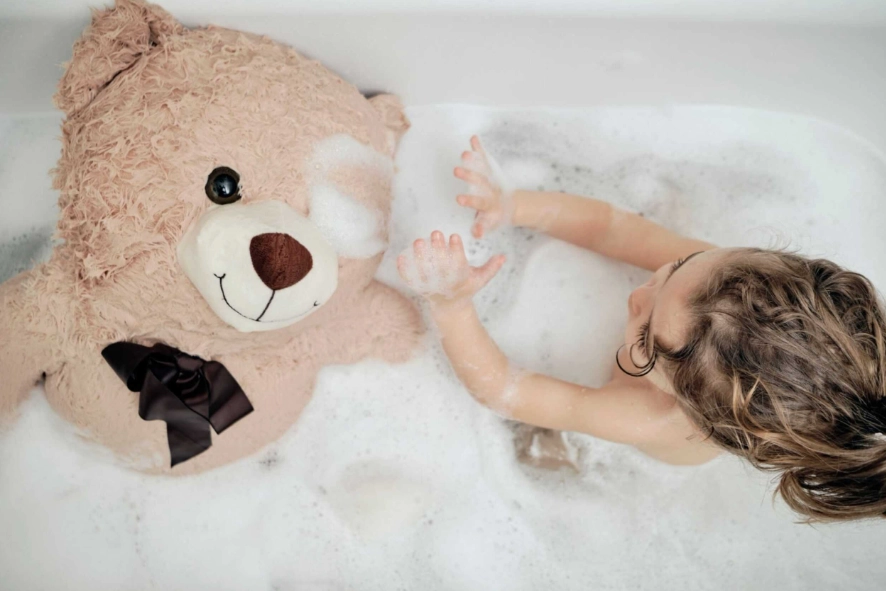
Submerge the stuffed animal. Gently squeeze it to let the soapy water penetrate. Don't twist or wring; that can distort the shape. For stains, use a soft brush (an old toothbrush works) to dab at the area.
Let it soak for 15-30 minutes. Then, drain the soapy water and refill with clean water to rinse. Repeat until no soap suds remain. This part is crucial—soap residue can attract dirt.
Press out excess water by laying the toy on a towel and rolling it up. Don't squeeze directly. I've found this prevents stuffing from clumping.
How to Machine-Wash Stuffed Animals
For sturdier toys, machine-washing saves time. But it's riskier. Use this only if the label allows or the material is tough.
Machine-Washing Settings and Tips
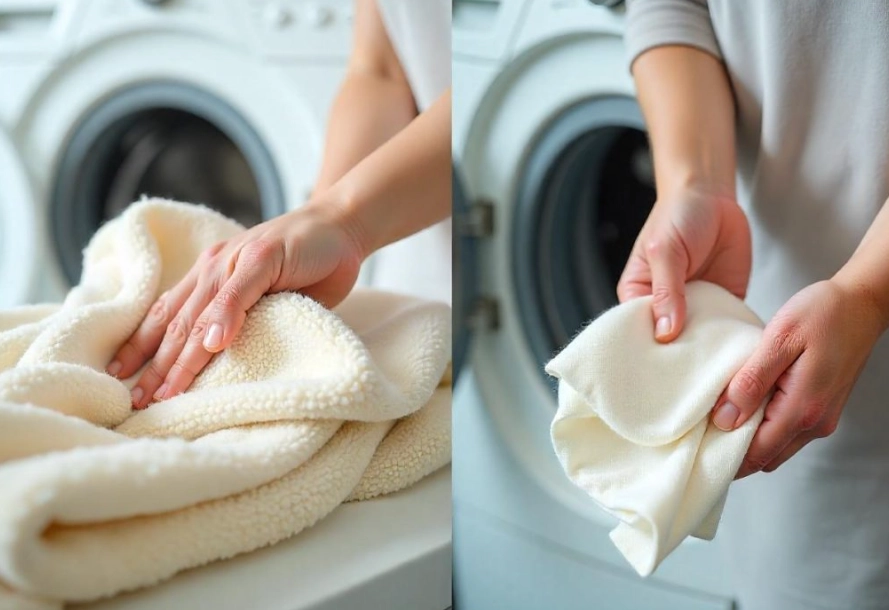
Place the stuffed animal in a mesh laundry bag or pillowcase. This protects it from agitation. Add a couple of towels to balance the load—they cushion the toy.
Set the machine to a gentle cycle with cold water. Hot water can melt adhesives or cause colors to bleed. Use a mild detergent, and avoid fabric softener; it can coat fibers and reduce fluffiness.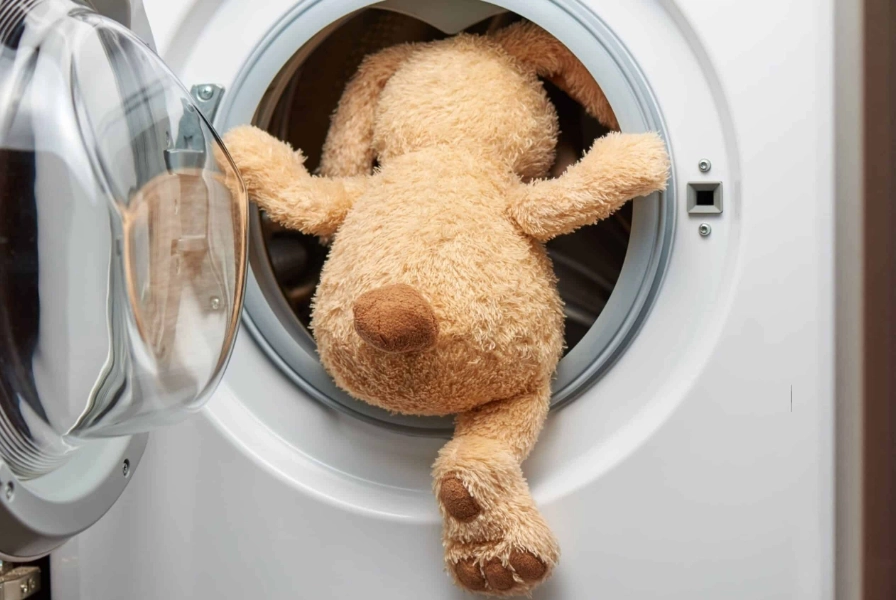
After washing, check immediately. If the toy looks misshapen, reshape it while damp. I once forgot this step and ended up with a lopsided lion.
| Method | Best For | Key Precautions |
|---|---|---|
| Hand Wash | Delicate materials, antique toys, items with attachments | Avoid wringing; use cold water |
| Machine Wash | Sturdy polyester toys, bulk cleaning | Use a laundry bag; gentle cycle |
Drying Techniques for Stuffed Animals
Drying is where many go wrong. Never toss a stuffed animal in the dryer on high heat—it can melt parts or cause shrinkage. Air-drying is safest.
Place the toy on a clean towel in a well-ventilated area. Flip it every few hours to ensure even drying. For faster drying, use a fan or dehumidifier nearby.
If you must use a dryer, set it to the lowest heat or air-only setting. Put the toy in a pillowcase again to prevent tumbling damage. Check every 10 minutes; over-drying makes stuffing hard.
Once dry, fluff the fur by brushing gently with a pet brush or your fingers. This restores that cuddly feel.
Handling Special Cases
Not all stuffed animals are created equal. Here's how to tackle tricky ones.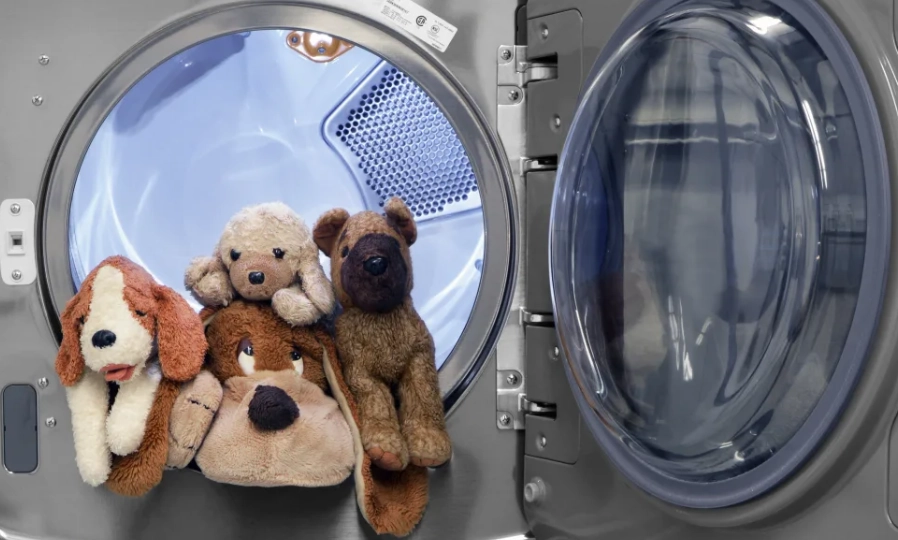
Toys with Electronic Parts
If it has a music box or battery compartment, avoid washing altogether. Wipe the surface with a damp cloth and mild soap. For deeper cleaning, remove the electronics if possible—but I've found that's often not worth the risk of breaking them.
Stained or Smelly Toys
For stains, pre-treat with a mixture of vinegar and water (1:1 ratio) before washing. For odors, sprinkle baking soda, let it sit for an hour, then brush off before washing. I've used this on gym bag toys that picked up sweat smells.
Large or Giant Stuffed Animals
These might not fit in a washer. Spot-clean or use a upholstery cleaner. For a full wash, take them to a laundromat with oversized machines, but call ahead to confirm.
Common Mistakes to Avoid
Based on my experience, here are pitfalls to skip.
- Using bleach or harsh chemicals: They can discolor or weaken fibers. Stick to mild detergents.
- Ignoring the care label: It's there for a reason. I ignored one once and ended up with a shrunken elephant.
- Over-washing: Too frequent washing wears out the fabric. Once every 3-6 months is enough for most toys.
- Not rinsing thoroughly: Soap residue attracts dirt, making the toy dirty faster.
Also, avoid drying in direct sunlight for long—it can fade colors. A shaded spot works better.