Let's be honest, seeing blood on your clothes can be a mini heart attack. Whether it's a kitchen nick, a surprise nosebleed, or an unfortunate period leak, that red spot stares back at you, threatening your favorite shirt or those crisp white sheets. The panic sets in: Is this ruined forever?
Take a deep breath. I've been there more times than I care to admit—as a former chef, a clumsy DIY enthusiast, and just a human being. I've learned, often the hard way, that blood stains are almost never a death sentence for your garment. The real enemy isn't the stain itself; it's using the wrong method in a moment of panic.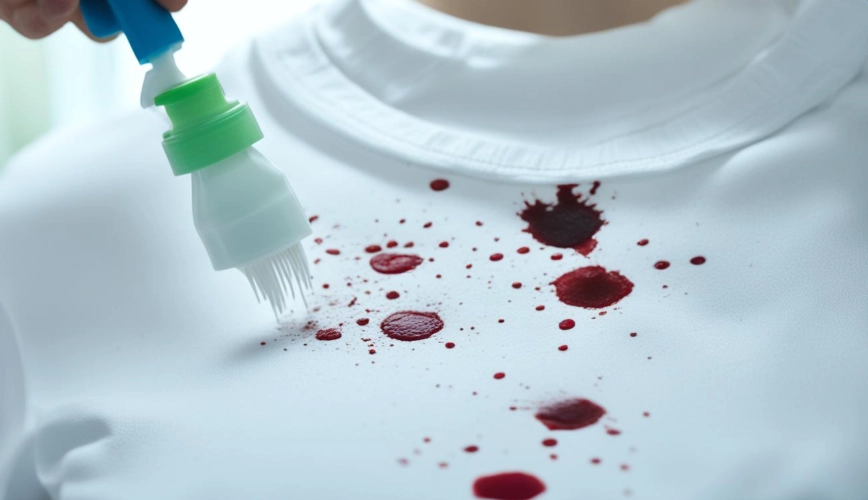
The single most important rule, one that most quick online guides gloss over, is this: blood is a protein-based stain. Treat it like one, and you win. Treat it like a dirt or grease stain, and you set it permanently. This guide will walk you through exactly what to do, step-by-step, for fresh stains, old stains, and every fabric in between.
What You'll Learn
Rule #1: Why Cold Water is Non-Negotiable
This is the hill I will die on. If you remember nothing else, remember: COLD WATER ONLY. Never, ever start with warm or hot water.
Here's why, and most people get this wrong. Blood contains hemoglobin, a protein. What happens to egg whites (pure protein) when you cook them? They coagulate and turn solid. Heat does the exact same thing to the proteins in blood. Pouring hot water on a blood stain essentially "cooks" it into the fabric fibers, binding it permanently. It changes the stain from something soluble in cold water to an insoluble, fixed mess.
Cold water, on the other hand, helps to slowly dissolve and dilute the proteins, allowing them to be flushed away. Think of it like washing off raw egg versus scrambled egg. Which one comes off easier?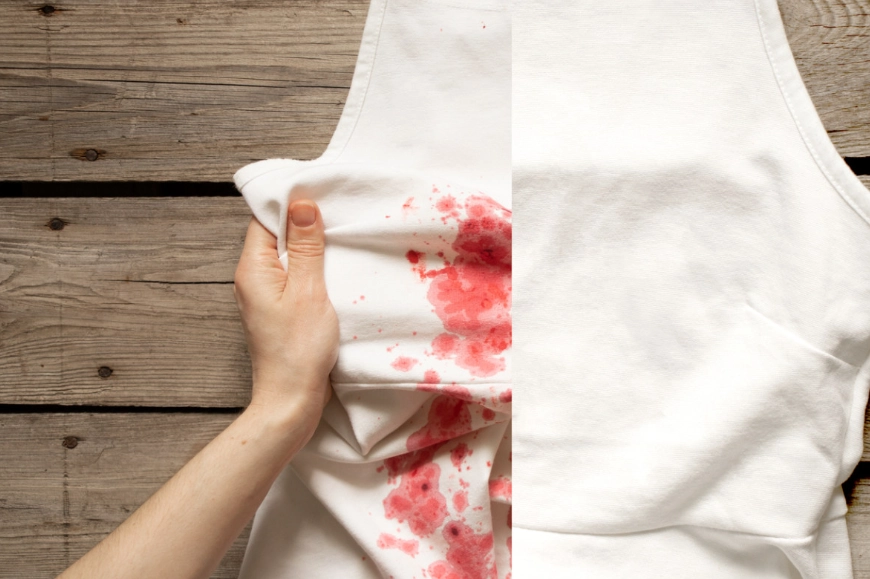
The 4-Step Emergency Plan for Fresh Blood Stains
Time is your greatest ally. Follow these steps as soon as you notice the stain.
Step 1: The Immediate Blot & Rinse
Grab a clean, white cloth or paper towel. Gently blot (don't rub!) to soak up as much of the excess blood as possible. Rubbing pushes the stain deeper into the fabric. Then, hold the stained area under a steady stream of cold running water, from the back of the fabric if possible. This pushes the stain out, not through. Let the water run until what's coming through is mostly clear.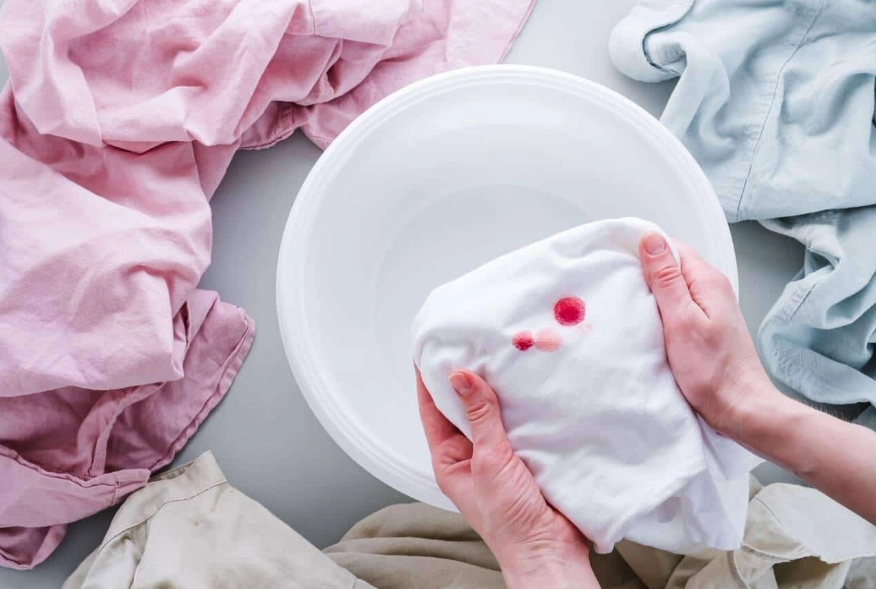
Step 2: The Pre-Treatment Soak
Don't just throw it in the wash yet. Fill a basin or sink with cold water and submerge the garment. You have options here for what to add to the water, ranked by my personal preference for effectiveness:
- Salt Soak: Dissolve a few tablespoons of table salt in the cold water. Salt is a mild abrasive and helps to draw out the stain. Soak for 30 minutes to an hour.
- Enzyme Pre-Treatment: This is the gold standard. Use a laundry pre-wash spray or gel containing enzymes (look for words like "bio" or "enzymatic" on the label). Apply directly to the stain, gently work it in with your fingers, and let it sit for 15 minutes before soaking or washing.
- Mild Soap: A few drops of clear, mild dish soap or a bar of plain white soap (like Ivory) can work. Lather it gently on the stain before soaking.
Step 3: The Wash
After soaking, wash the garment alone or with similarly colored items on the coldest water setting your machine offers. Use your regular laundry detergent. Avoid using bleach at this stage, even color-safe bleach, as it can react with the proteins and cause yellowing.
Step 4: The Air-Dry Check
This is the critical step most people skip, leading to heartbreak. Do NOT put the garment in the dryer. Heat from the dryer will set any lingering stain residue permanently. After washing, air-dry the item completely. Once dry, check the stain in good light. If it's gone, you're good to go. If a faint shadow remains, repeat the pre-treatment and wash cycle before ever putting it in the dryer.
How to Attack Set-In or Old Blood Stains
Found an old blood stain on a shirt at the back of the closet? All hope is not lost, but you'll need stronger tactics. The key is re-hydrating and breaking down the set proteins.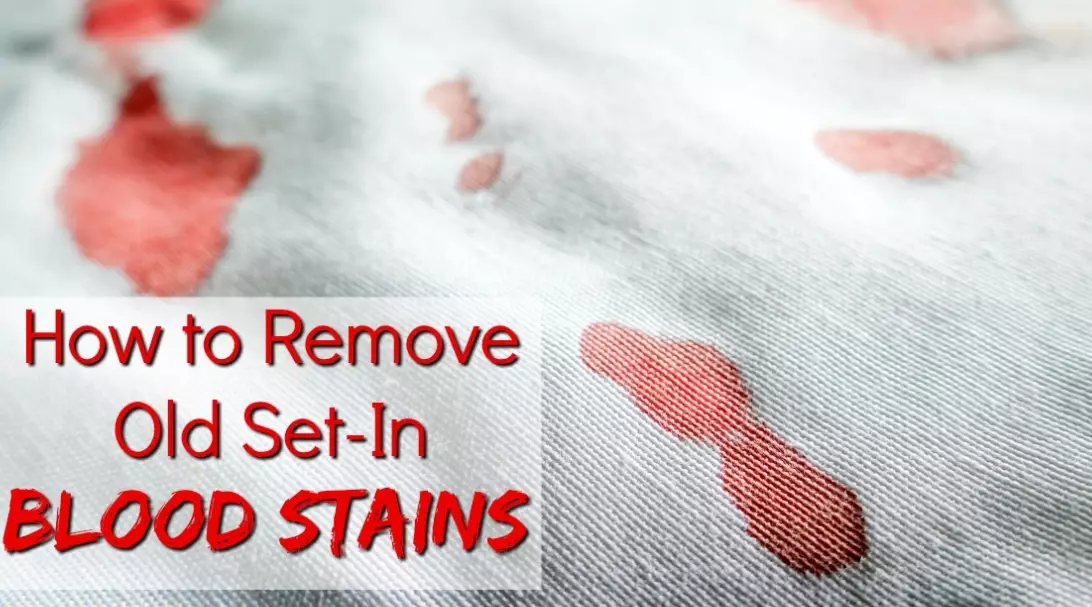
Hydrogen Peroxide (3% solution) is your best friend here for white and colorfast cotton or linen. Test it on a hidden seam first. Pour a small amount directly onto the stain. It will bubble and fizz as it breaks down the blood. Let it sit for 5-10 minutes, then rinse thoroughly with cold water. You may need to repeat this. For colored fabrics, dilute the peroxide with equal parts cold water first.
Another powerful, lesser-known option for stubborn stains is meat tenderizer. Yes, the kitchen spice. It contains an enzyme called papain (from papaya) that breaks down proteins. Make a paste with cold water and rub it into the stain. Let it sit for an hour, then rinse and wash. It sounds wild, but it works on set-in stains that have survived a wash or two.
Fabric-Specific Guide: What to Use (and Avoid)
Not all fabrics are created equal. Using hydrogen peroxide on silk is a recipe for disaster. Here’s a quick-reference guide.
| Fabric Type | Recommended Method | Method to Absolutely Avoid |
|---|---|---|
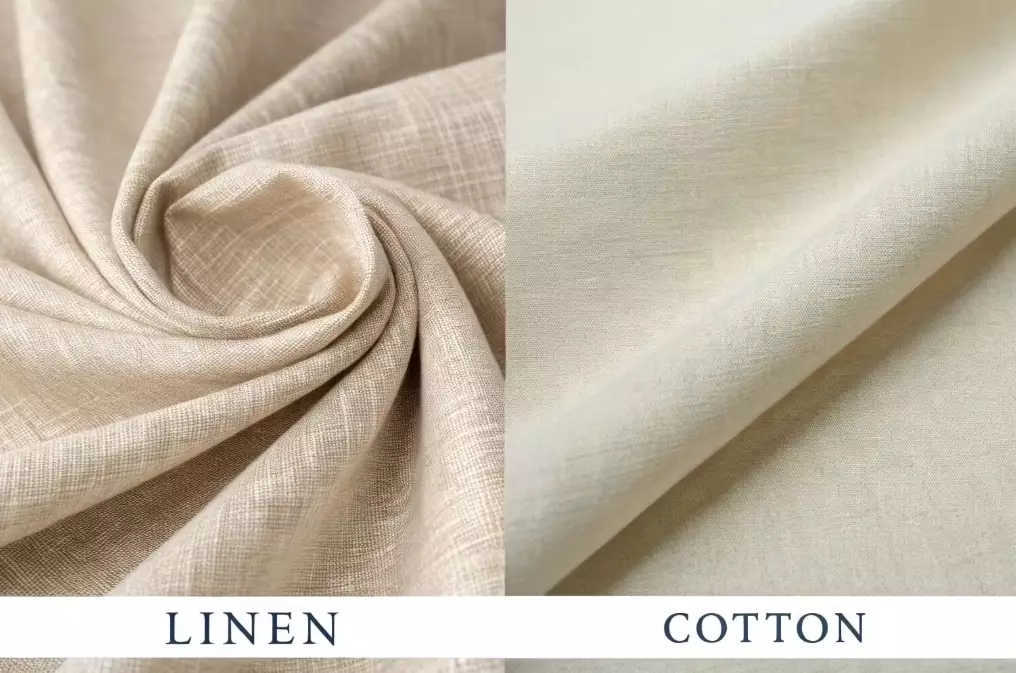
| Cotton & Linen | Cold water rinse, salt soak, hydrogen peroxide (for whites), enzyme detergent. | Hot water initial rinse, chlorine bleach on unknown stains. |
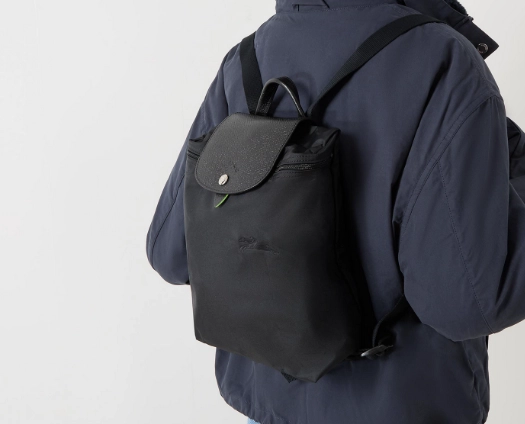
| Synthetics (Polyester, Nylon) | Cold water rinse, dish soap pre-treatment, enzyme laundry detergent. | Acetone or nail polish remover (can melt fibers). |
| Silk & Wool | Immediate cold water blotting only. Use a solution of 1 tbsp white vinegar to 2 cups cold water for a gentle soak. Consider professional dry cleaning for valuable items. | Hydrogen peroxide, enzyme cleaners (can damage delicate fibers), vigorous rubbing. |
| Denim | Turn inside out. Cold water soak with baking soda paste on the stain. Wash inside-out on cold. | Hot water wash (causes major shrinkage and fade). |
For delicate fabrics like silk, wool, or suede, your safest bet is often to do a very gentle cold water blot to remove the surface stain and then take it to a professional cleaner. I've ruined a good silk blouse by being too aggressive. It's not worth the risk.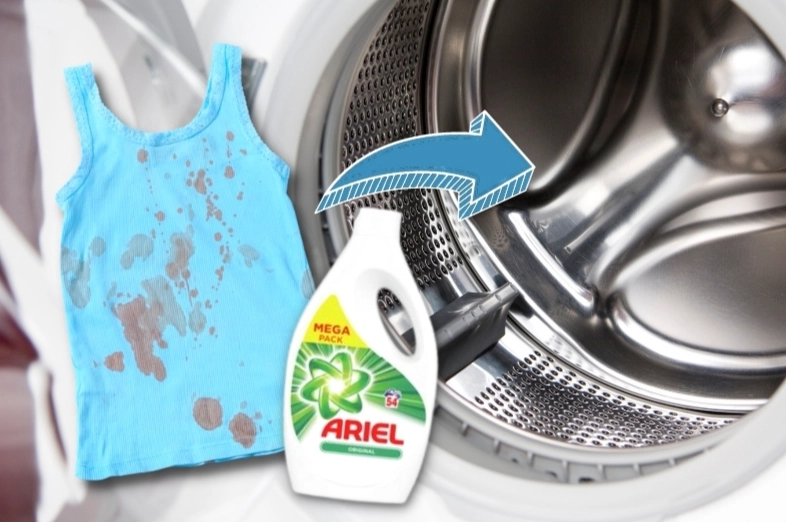
The Top 3 Mistakes That Make Blood Stains Permanent
I've made these myself, so learn from my errors.
1. Reaching for the Hot Water Tap First. We've covered this. It's the #1 reason a simple stain becomes a permanent one.
2. Scrubbing Vigorously with a Brush or Towel. Friction is the enemy. It frays fibers and embeds the stain particles deeper. Always dab and blot gently.
3. Throwing It in the Dryer Before Checking. The dryer is the point of no return. Always air-dry and inspect first. Every single time.
Your Blood Stain Questions, Answered
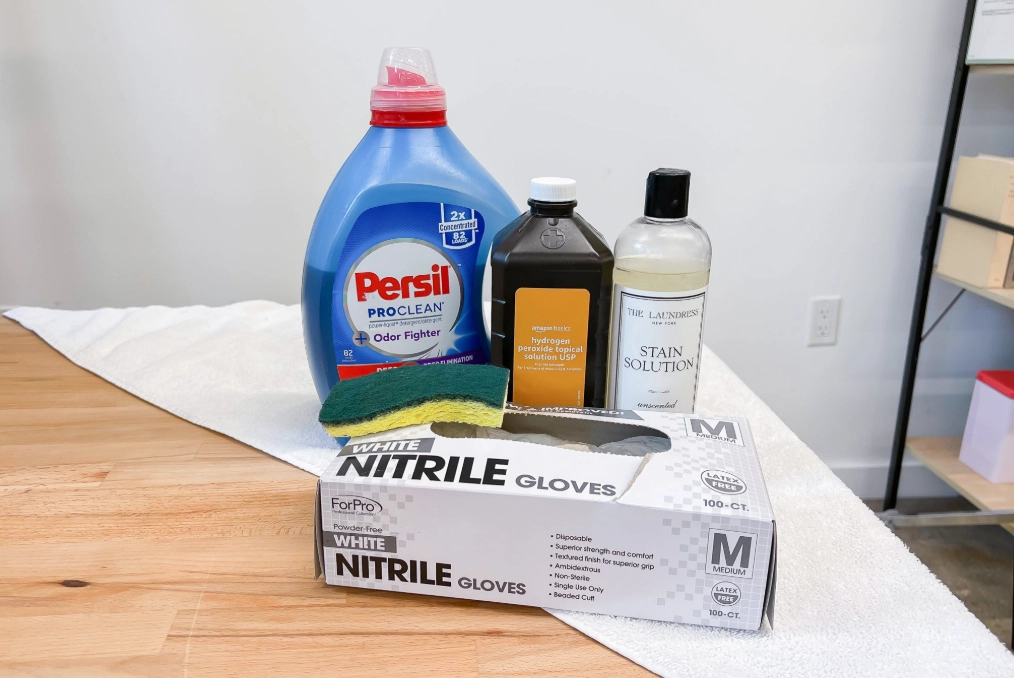 Getting blood out of clothes isn't about magic potions. It's about understanding the simple science of protein stains and acting quickly and calmly. Keep cold water, salt, and maybe some hydrogen peroxide on hand. Remember the blot-don't-rub rule. And for heaven's sake, keep it out of the dryer until you're 100% sure the stain is gone.
You've got this. That stain doesn't stand a chance.