Let's get straight to the point: yes, you can wash most heated blankets. But doing it wrong is a fast track to a dead blanket, a potential safety hazard, or both. I've been repairing small appliances for over a decade, and ruined electric blankets are a common sight in my workshop—almost always due to improper cleaning. This guide isn't just a list of steps; it's the combined wisdom of manufacturer manuals and the mistakes I've seen people make. We'll cover everything from deciphering that tiny care label to the exact drying method that prevents mold inside the wiring channels.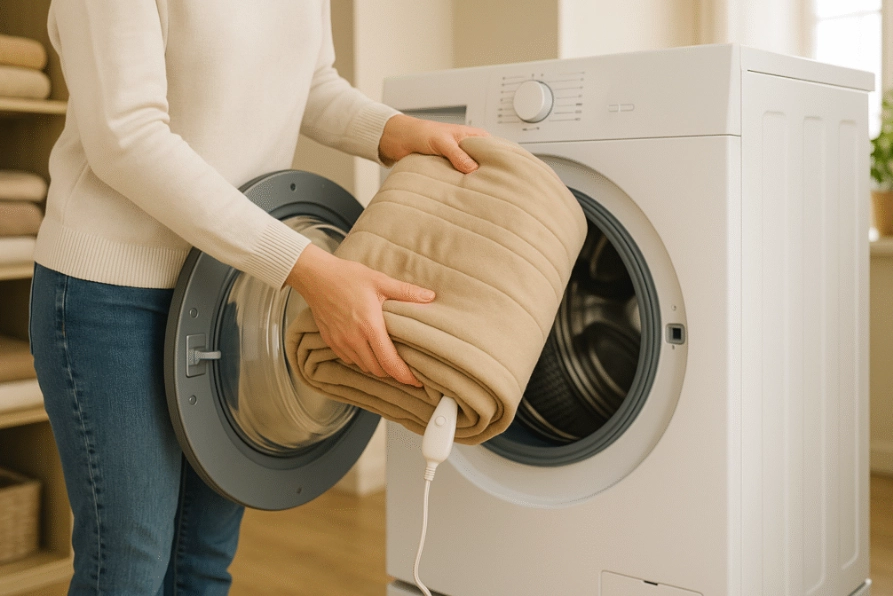
Your Quick Navigation
The Non-Negotiable First Step: Check the Label
This sounds obvious, but you'd be surprised. I've had clients tell me, "I assumed it was okay." Assumptions are expensive. The care label, usually sewn into a corner seam, is your bible.
Look for these symbols or instructions:
- Machine Washable: A tub symbol. There might be a temperature (e.g., 30°C/86°F) and a cycle type (gentle/delicate).
- Hand Wash Only: A tub with a hand. This is very common for heated blankets.
- Do Not Wash: A tub crossed out. If you see this, your only option is spot cleaning. Trying to wash it will void any warranty and likely break it.
- Detachable Controller/Power Cord: The label should state if these components are removable. If it says "remove before washing," you must do it.
Can't find the label or it's faded? Visit the manufacturer's website. Search for your model's manual. Brands like Sunbeam, Biddeford, and Serta usually have PDFs available. If all else fails, assume it's hand wash only. It's the safer path.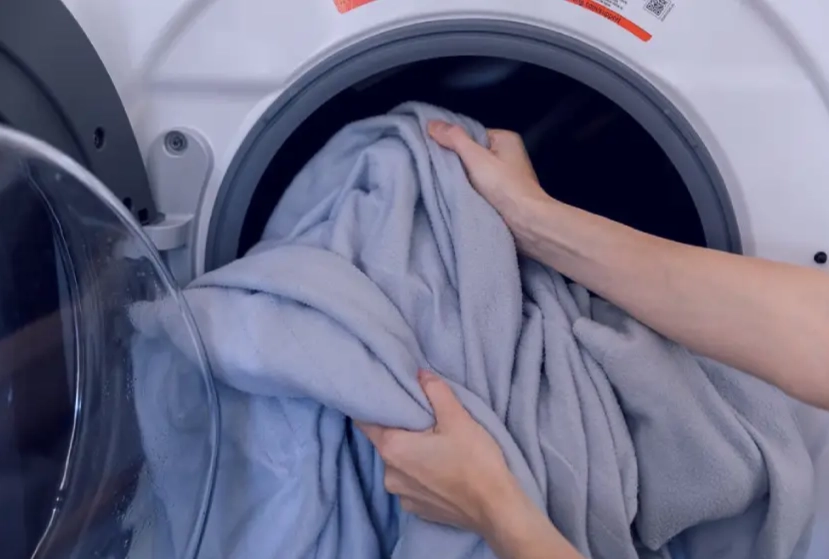
Pre-Wash Prep Work You Can't Skip
This 10-minute prep saves hours of headache. Don't just toss it in the sink or washer.
1. Unplug and Cool Down: Ensure the blanket is completely unplugged from the wall and has been off for at least an hour. Never wash a warm blanket.
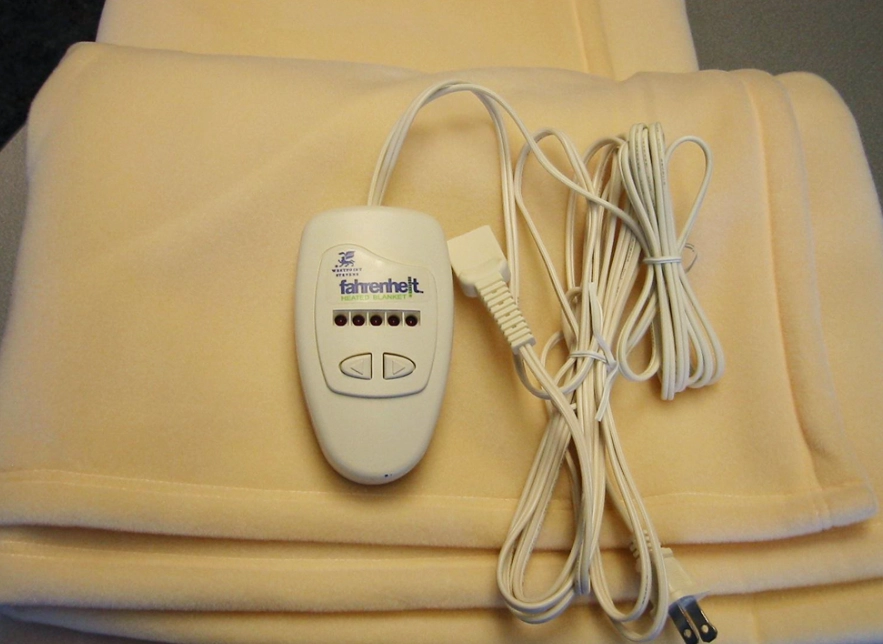
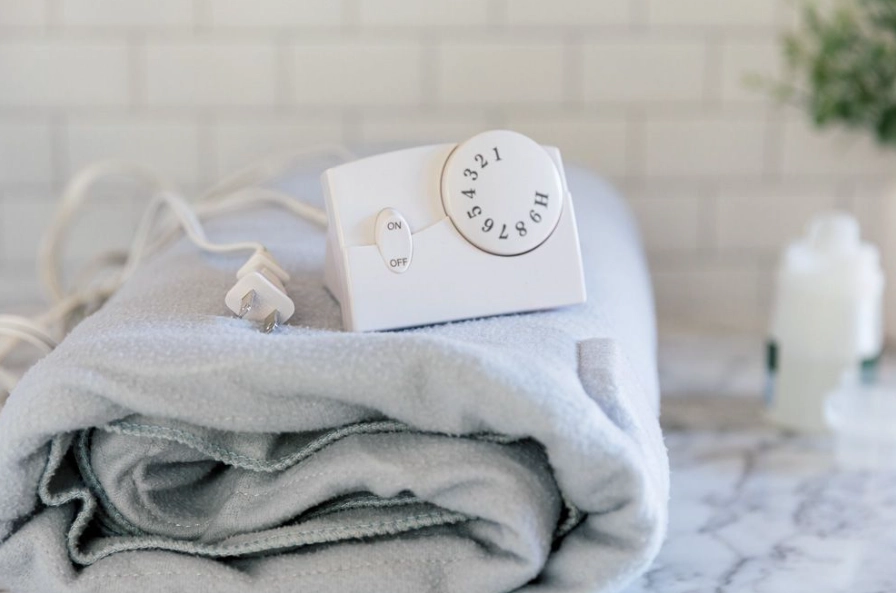
2. Remove All Electrical Components: This is the big one. Detach the controller, the power cord, and any adjustable dials. These are never waterproof. Store them somewhere safe and dry.
3. Address Stains First: Got a coffee spill or a bit of dinner on it? Pre-treat stains with a mild detergent or a stain remover formulated for delicate fabrics. Gently dab, don't rub aggressively. Rubbing can force the stain deeper into the fibers and around the wires.
4. Secure Loose Ends: If the cord entry point has a flap or Velcro closure, fasten it. This helps prevent the internal wiring from getting snagged or bent during washing.
The Machine Wash Method (If Allowed)
Only proceed if the label explicitly says machine washing is okay.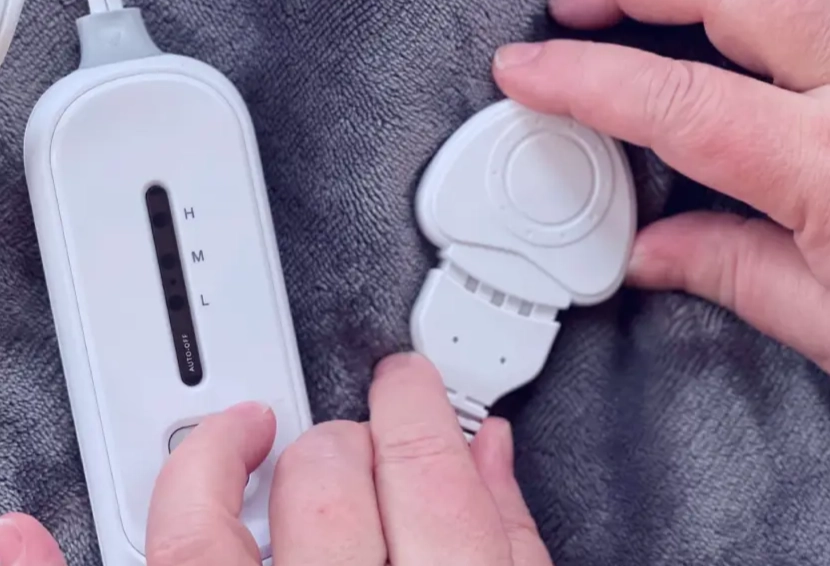
Step-by-Step Machine Washing
- Set the Machine: Use the cold or warm water setting (never hot) and select the gentlest cycle available—"Delicate," "Hand Wash," or "Wool" cycle.
- Choose Detergent: Use a mild liquid detergent. Avoid powder detergents—they can sometimes leave residue that doesn't fully dissolve in cold water. Absolutely avoid bleach, fabric softener, or stain removers with bleach. These chemicals can degrade the wire insulation and fabric.
- Load the Blanket: Wash the heated blanket alone. Don't wash it with other items like towels or jeans. Zippers and heavy fabrics can abrade the blanket's surface and damage the wires inside.
- Double Rinse: If your machine has an "extra rinse" option, use it. Soap residue attracts dirt and can make the blanket feel stiff.
- Spin Gently: Use a low spin speed (600 RPM or less) to remove excess water without putting centrifugal stress on the wiring.
The Hand Wash Method (The Safer Bet)
For most heated blankets, especially older models or those with more complex wiring, hand washing is the gold standard. It gives you complete control.
Fill a bathtub or a very large clean basin with lukewarm water. Hot water is a no-go. Add a small amount of mild liquid detergent and swish it around to dissolve.
Submerge the blanket. Gently press it down and move it around in the water. Imagine you're kneading very soft dough. Don't wring, twist, or scrub. Let it soak for 10-15 minutes.
Drain the soapy water. Refill the tub with clean, cool water. Gently press and swish the blanket to rinse. You'll likely need to do this 2-3 times until the water runs clear and is soap-free.
To remove water, never wring it out. Instead, press it against the side of the tub to squeeze out water. You can also roll it up in a clean, dry towel and press down to absorb moisture.
The Critical Drying Process
This is where most people fail. Impatience kills heated blankets. The wires and insulation inside must be completely dry. Any moisture left inside is a recipe for mildew and electrical failure.
Air Drying is Mandatory. Lay the blanket flat on a clean, dry surface over two or three parallel clothes drying racks or a couple of clean chairs. This allows air to circulate above and below. Drape it over a single line and you'll get a damp, folded center that never dries properly.
Flip the blanket every few hours. This is crucial. In my humid workshop, I've opened up blankets that were "dry" on top but had pockets of dampness underneath that had started to corrode the copper wires.
Expect it to take 24 to 48 hours to dry completely. Use a fan in the room to circulate air, but don't point a high-heat space heater directly at it. Patience is your best tool here.
Off-Season Storage Tips
Once it's 100% bone dry, you can reattach the controller for a function test. Plug it in, turn it on to a low setting for a minute. Feel for even warmth. If any section is cold or it trips a breaker, the washing process may have damaged it—unplug immediately.
To store, fold it loosely. Don't wrap the wires tightly around the blanket. I recommend the "over-under" cable coiling technique for the detached power cord to prevent internal wire damage. Store it in a cool, dry place inside a cotton pillowcase or breathable storage bag. Avoid plastic bins that can trap moisture.
Common Mistakes That Kill Heated Blankets
- Using Fabric Softener: It coats the fibers and can interfere with heat distribution. It also leaves a residue that attracts dirt.
- Wringing or Twisting: This can sever the thin heating wires or disconnect them from their terminals.
- Assuming "Waterproof" Means "Submersible": Some blankets have water-resistant tops, but the internal components and seams are not designed for a bath.
- Ignoring the "Drying Time": Storing it while even slightly damp guarantees mildew. You'll smell it next season.
- Washing Too Frequently: You don't need to wash it every month. A good rule is at the start and end of the season, or if there's a spill.