You bought those premium microfiber towels for a reason – incredible absorbency, a streak-free finish on glass, gentle cleaning for your car's paint. But a few washes in, and they're leaving lint everywhere, soaking up less, and feeling weirdly stiff. I've been there. I ruined my first set of "pro-grade" detailing towels by tossing them in with regular laundry and a splash of fabric softener. It was an expensive lesson. The truth is, microfiber is a high-performance material, and treating it like a regular cotton towel is the fastest way to kill its magic. Get the wash routine right, and they'll perform like new for years. Let's break down exactly how.
What You’ll Learn in This Guide
- Why Getting the Wash Right is Non-Negotiable
- The Pre-Wash Checklist: Don't Skip This
- Step-by-Step: How to Wash Microfiber Towels (Machine & Hand)
- The Critical Drying Stage: Air Dry vs. Machine Dry
- Tackling Grease, Wax, and Stubborn Stains
- 3 Costly Mistakes Almost Everyone Makes
- Your Microfiber Wash Questions, Answered
Why Getting the Wash Right is Non-Negotiable
Think of a microfiber towel as a tiny, intricate net. The fibers are split thousands of times to create microscopic hooks and channels that grab dirt, trap dust, and hold moisture. Harsh chemicals, heat, and oils clog those channels. Fabric softener coats the fibers in a waxy film, rendering them useless for absorption. It's not just about cleanliness; it's about preserving the tool's function. Proper washing protects your investment, ensures consistent results (no streaks on your windows!), and maintains hygiene by fully removing embedded grime and bacteria.
The Pre-Wash Checklist: Don't Skip This
What you do before the wash cycle is as important as the cycle itself. Rushing this leads to cross-contamination and poor cleaning.
Go a step further and sort by color and soil level. Keep light-colored towels (for interior, glass) separate from dark ones (for wheels, engine bays). Heavily soiled towels with grease or wax should get their own load or a pre-treatment.
Shake and Pre-Rinse. Take towels outside and give them a good shake to dislodge loose dirt and sand. For towels caked with dried mud or polish, run them under cool water in a utility sink and gently squeeze out the bulk of the grime. This prevents your washing machine from becoming a mud bath.
Check for Tags and Damage. Some higher-end microfiber blends have specific care instructions. Also, inspect for tears or melted fibers (from accidental contact with a hot surface). A damaged towel can shed and contaminate others.
Step-by-Step: How to Wash Microfiber Towels (Machine & Hand)
Machine Washing: The Gold Standard for Most
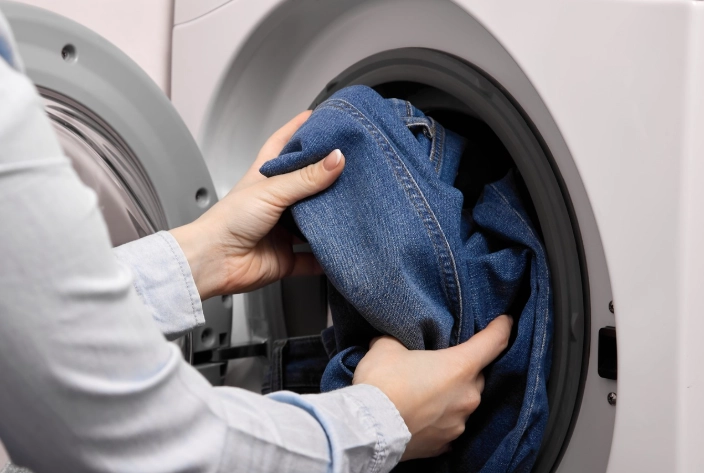
Your washing machine is your best friend here, provided you use the right settings.
- Detergent: This is the most critical choice. Use a liquid detergent that is free of dyes, fragrances, and fabric softeners. Powder detergents often don't fully dissolve and can leave residues. Popular choices among enthusiasts include dedicated microfiber detergives or simple, clean formulas like Tide Free & Gentle. Avoid anything labeled "2-in-1" or with softener beads.
- Water Temperature: Use warm or cool water. Hot water can melt or damage the polyester fibers, especially in blended microfibers. Cold water is fine but may be less effective on oily soils.
- Cycle Selection: Choose a gentle cycle (like "Delicate" or "Hand Wash") with a high spin speed. The gentle agitation protects the fibers, while a high spin removes more water, making drying faster.
- Extra Rinse: If your machine has the option, add an extra rinse cycle. This ensures all detergent is thoroughly flushed out.
Hand Washing: For Small Batches or Delicate Weaves
For a few towels or ultra-plush "drying" towels, hand washing gives you maximum control.
Fill a clean basin or sink with warm water and a small amount of your chosen detergent. Submerge the towels, gently agitate and squeeze them for a few minutes. Let them soak for 15-30 minutes for heavily soiled items. Drain the dirty water, refill with clean warm water, and rinse repeatedly, squeezing out the water each time, until no more suds appear. This can take 3-4 rinses – be patient. Residual soap is the enemy.
| Detergent Type | Good for Microfiber? | Reason |
|---|---|---|
| Dye-Free, Fragrance-Free Liquid | Yes | Cleans effectively without clogging fibers. |
| Dedicated Microfiber Detergent | Yes | Formulated to break down oils and waxes. |
| Powder Detergent | Not Ideal | May not dissolve fully, leaving residues. |
| Detergent with Fabric Softener | Absolutely Not | Coats fibers, destroying absorbency. |
| Bleach (Chlorine or Oxygen) | Avoid | Can degrade and weaken fibers over time. |
The Critical Drying Stage: Air Dry vs. Machine Dry
How you dry microfiber is where many people stumble. Heat is the other major enemy, right next to fabric softener.
Air Drying: This is the safest method. Hang towels on a drying rack or clothesline out of direct sunlight. Direct sun can degrade fibers over many cycles. Air drying prevents any heat damage and guarantees no lint contamination. The downside? It takes time, especially for thick towels.
Machine Drying (The Correct Way): You can use a dryer, but you must be meticulous. Use the NO HEAT or AIR FLUFF setting only. Even low heat can be too much. Toss in a few clean, dry dryer balls (not tennis balls, which can shed fuzz) to help fluff the towels and separate the fibers. The real pro tip? Clean your dryer's lint filter BEFORE and AFTER drying microfiber. Microfiber sheds microscopic lint that will coat the filter and can transfer to your next load of regular clothes. I learned this the hard way after finding grey lint on a load of white t-shirts.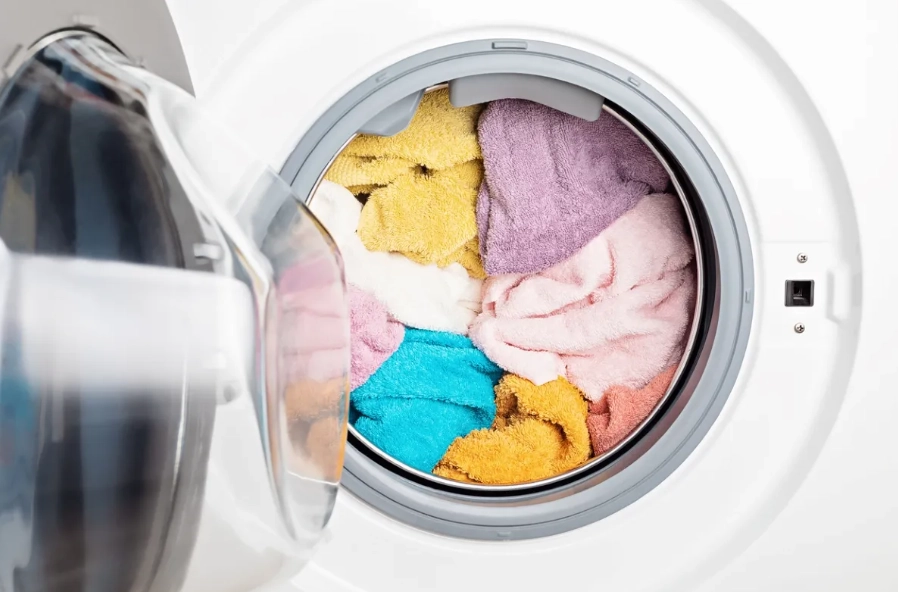
Tackling Grease, Wax, and Stubborn Stains
General washing works for dust and light dirt. But what about the garage towels covered in car wax, grease, or dried compound? You need a degreaser.
For a pre-wash treatment, use a small amount of an APC (All-Purpose Cleaner) that is safe for fabrics. Dilute it as directed, spray it on the stained areas, and let it sit for 5-10 minutes before washing as normal. Some people swear by a splash of distilled white vinegar in the wash cycle to help cut grease (add it to the fabric softener dispenser). It's a natural, residue-free option. For wax, letting the towel sit in hot water (not washing) to melt the wax off the surface before a regular wash can help.
3 Costly Mistakes Almost Everyone Makes
- Using Fabric Softener or Dryer Sheets: This is microfiber suicide. It's not a recommendation; it's a rule. The coating is nearly impossible to fully remove.
- Washing with High Heat: Hot water and high-heat drying damage the polyester, causing it to become brittle, shrink, and lose its softness.
- Overloading the Detergent: More soap does not mean cleaner towels. Excess detergent traps dirt in the fibers and leaves a sticky residue. Use half the amount you'd use for a similar load of clothes.
Your Microfiber Wash Questions, Answered
I strongly advise against it. Chlorine bleach will break down and weaken the polyester fibers over time. Oxygen-based bleaches (like OxiClean) are less harsh but can still be aggressive. Yellowing is often caused by body oils, sunscreen, or embedded dirt. A better solution is a long, hot soak (just soaking, not washing) with a dedicated microfiber detergent or an APC to lift the oils, followed by your regular cool/warm wash. Prevention is key – wash towels before they sit soiled for weeks.
This is almost always caused by detergent residue or mineral buildup from hard water. First, run them through a wash cycle with no detergent on a hot wash setting (the heat here is for cleaning the towels themselves, not for regular use). The hot water can help dissolve the residue. If that doesn't work, try a wash with a cup of distilled white vinegar (in place of detergent). The vinegar helps break down the alkaline soap residue and softens minerals. Rinse thoroughly afterward.
 How often should I wash my microfiber towels after use?
Don't let them sit dirty. For detailing towels used with wax or sealant, wash them after every use before the product cures. For drying towels, after 1-2 uses. For general dusting or cleaning towels, you can go a bit longer, but bacteria and mold can grow in damp fibers. A good rule: if you used it, wash it. Keeping a dedicated hamper for dirty microfiber in your garage or cleaning closet makes this habit easier.
You can, if they are similarly soiled. But for optimal results and to prevent cross-contamination, I separate them. Why risk getting a bit of leftover compound from a polishing towel onto your pristine glass towel? I use three separate mesh laundry bags: one for glass/plush towels, one for general purpose/cleaning, and one for heavy duty/wheels. It adds 30 seconds to sorting and guarantees each type stays in perfect condition for its job.
Absolutely. A smelly washer means mold and mildew in the drum and gaskets, which will transfer to your towels. Before washing your good microfiber, run an empty hot wash cycle with a washing machine cleaner or two cups of white vinegar to clean the machine itself. The U.S. Environmental Protection Agency recommends regular machine cleaning to prevent odor and ensure cleaning efficiency. Always leave the washer door and detergent drawer open after use to let it air out and dry.