Let's settle this right away: you can wash a down comforter at home. The fear of turning a fluffy cloud into a lumpy, damp mess is real, but it's mostly based on using the wrong methods. I've washed my own high-end down comforters for over a decade—through spills, pet accidents, and general grime—and they're still as lofted and cozy as day one. The secret isn't a special service; it's understanding the material and your washing machine. This guide strips away the mystery and gives you the exact, practical steps I use.
Your Quick-Read Guide
Why Down Needs Special Care
Down isn't a feather; it's the soft, fluffy cluster under a bird's feathers. Think of it as nature's most efficient, breathable puffball. Its structure—delicate filaments that trap air—is what gives you warmth. Aggressive detergents, high heat, and rough handling crush these filaments and strip their natural oils, leading to the dreaded clumping and loss of loft. The goal of washing isn't just to clean, but to preserve that structure.
Pro Insight: Many guides warn against washing because of old machines or harsh soaps. Modern front-loading or large-capacity top-loading machines without an agitator column are perfectly suited. The real enemy isn't water; it's residual soap and insufficient drying.
How to Wash a Down Comforter Step-by-Step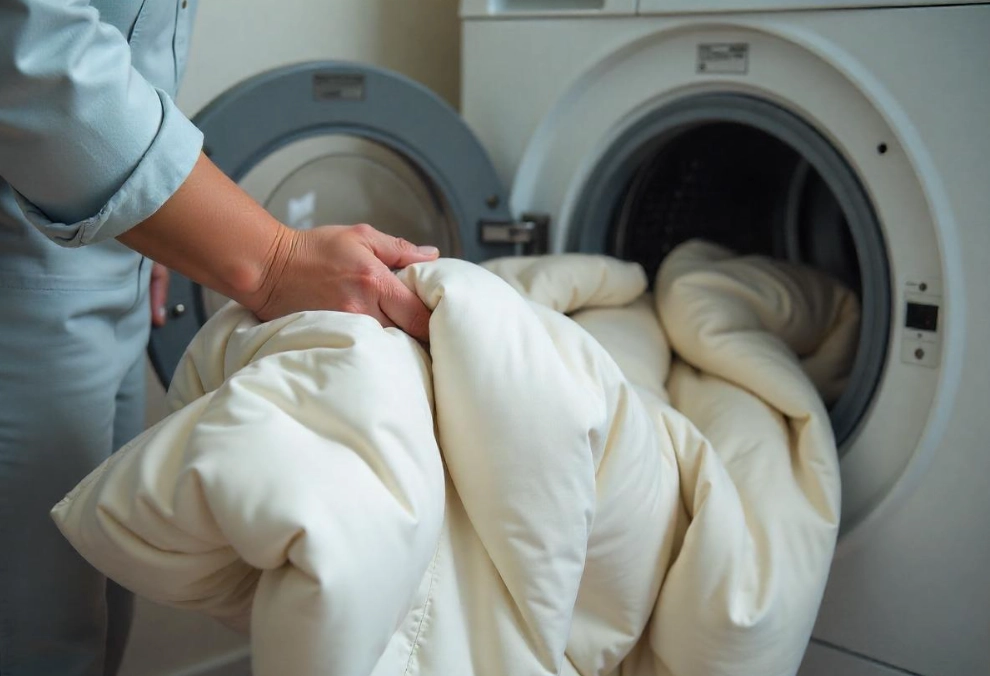
Follow this sequence. Rushing or skipping steps is where things go wrong.
1. The Pre-Wash Checkpoint
First, find the care label. It should say "machine washable." If it says "dry clean only," consult the manufacturer. Most modern down comforters are washable. Next, do a quick stitch check. Gently tug on seams. If they're frayed or have holes, repair them first—otherwise, you'll have a blizzard of down in your washer.
Check your machine's capacity. A king-size comforter needs a large-capacity washer (usually 4.5 cubic feet or more). Cramming it in won't allow proper movement or rinsing. If in doubt, use a laundromat's oversized front-loader.
2. Choosing Your Detergent: This Matters
Standard laundry detergents, especially those with whiteners, brighteners, or heavy fragrances, can coat down clusters and strip oils. You need a gentle, down-specific or free & clear detergent.
| Detergent Type | Why It Works | Example Brands/Options |
|---|---|---|
| Down-Specific Wash | Formulated to clean without residue, often includes re-fluffing agents. | Nikwax Down Wash, Grangers Down Wash. |
| Free & Clear Liquid Detergent | No dyes, perfumes, or softeners that cling to down. | All Free & Clear, Tide Free & Gentle. |
| Mild Baby Laundry Detergent | Designed for delicate skin, usually residue-light. | Dreft, Babyganics. |
Use half the amount you'd use for a normal load. More soap doesn't mean cleaner—it means more rinsing.
3. The Washing Machine Settings
Place the comforter in the drum loosely. Don't fold or stuff it. Add a couple of clean tennis balls or, better yet, wool dryer balls to the washer. They help agitate and prevent clumping from the start.
Select these settings:
- Cycle: Delicate, Gentle, or Bedding cycle.
- Water Temperature: Cold or cool water. Warm is okay for greasy stains, but never hot.
- Spin Speed: Low or medium. A high-speed spin can stress seams and twist the down.
- Extra Rinse: Always select this option. You want every trace of soap gone.
Start the cycle. Walk away.
The Big Mistake I See: People add vinegar during the wash cycle to "soften" or "disinfect." Don't. Vinegar can degrade the nylon shell fabric over time. If you want a sanitizing boost, use a detergent with enzymes or add a rinse cycle sanitizer designed for laundry. Save the vinegar for a once-a-year rinse aid if you have hard water, but it's rarely necessary with proper detergent.
Drying: The Most Critical Phase
This is where patience pays off. A damp comforter will mildew and clump irreversibly.
Transfer the comforter to the dryer immediately. Shake it out to redistribute the down as best you can. Add 3-4 clean, dry tennis balls or wool dryer balls. They are non-negotiable—they bash the clumps apart as the down dries.
Dryer Settings:
- Heat: Low heat. Never high heat. High heat can scorch the down and melt the nylon shell.
- Cycle: Air Fluff or Delicate cycle.
- Time: This will take several hours. A king comforter can take 3-4 hours. Do not try to shortcut it.
Stop the dryer every 45-60 minutes. Pull the comforter out, shake it vigorously, and fluff it by hand, breaking up any damp patches you feel. This manual fluffing is the key to even drying and loft restoration.
How do you know it's done? It must be completely, utterly dry. No cool, damp spots in the center. The down should feel loose and fluffy, not stuck together. When in doubt, give it another 30 minutes.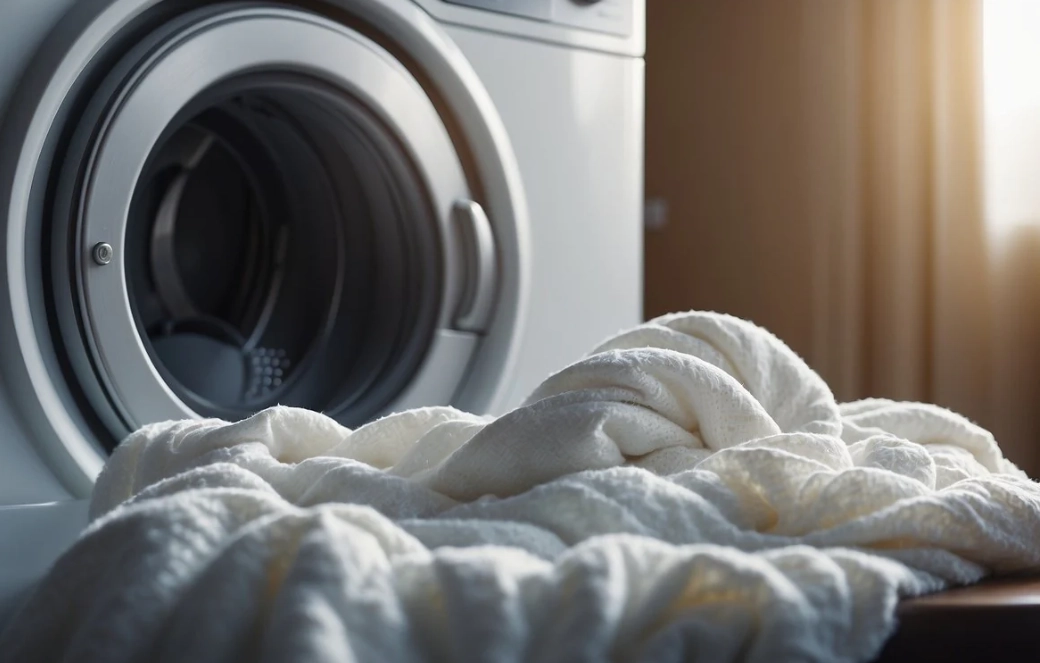
What Not to Do When Washing a Down Comforter
A quick list of pitfalls:
- Don't use fabric softener or dryer sheets. They coat the down, reducing loft and breathability.
- Don't wring or twist the wet comforter. Support its weight, don't stress the seams.
- Don't line-dry a sopping wet comforter. It will take days, the down will clump at the bottom, and mildew risk is high. If you must air-dry, use the dryer on low heat for an hour first to get most moisture out, then finish on a flat, breathable surface in the sun, flipping often.
- Don't store it in a plastic bag or compressed. Use a breathable cotton storage bag.
Handling Stains and Extra Care Tips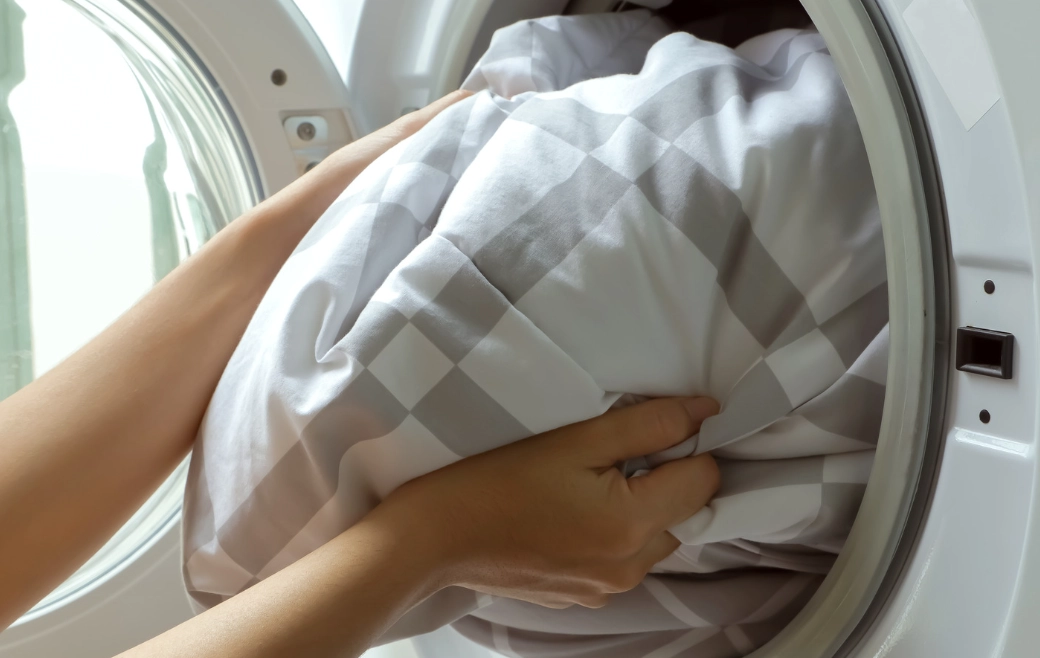
For spills or stains, pre-treat immediately. Use a small amount of your gentle detergent directly on the spot. Gently work it in with your fingers. Let it sit for 15 minutes before washing as normal. Avoid harsh stain removers like bleach or oxi-clean powders directly on the down, as they can damage the fill and fabric.
Frequency? You don't need to wash it monthly. Once a year, or every two years, is sufficient unless there's an accident. More frequent washing causes unnecessary wear. Between washes, air it out regularly and use a duvet cover—it's the best protection.
For authoritative care standards, you can reference guidelines from the American Down and Feather Council (ADG). They are the industry authority on bedding care.