Linen feels amazing until you wash it wrong. That stiff, cardboard-like texture, the unexpected shrinkage, the faded color – I've been there. I ruined a beautiful light blue linen shirt years ago by tossing it in with a hot wash. It came out two sizes smaller and rough as sandpaper. That mistake taught me more than any care label ever did. Washing linen isn't hard, but it's specific. Get it right, and each wash makes the fabric softer, more breathable, and more uniquely yours. Get it wrong, and you're left with a shadow of its former self. Let's get into the real, practical steps that keep linen looking and feeling fantastic for decades, not just seasons.
Your Linen Washing Roadmap
The Non-Negotiable Pre-Wash Checklist
Jumping straight into the wash is where most mistakes happen. Think of this as your pre-flight check.
First, always check the care label. I know, it's obvious. But most linen blends (like linen-cotton or linen-rayon) have different needs than 100% linen. The label overrides general advice.
Sort your linen. Wash lights and darks separately, especially for the first few washes, as linen can release some dye. Turn items inside out. This protects the outer surface from friction and fading during the wash cycle.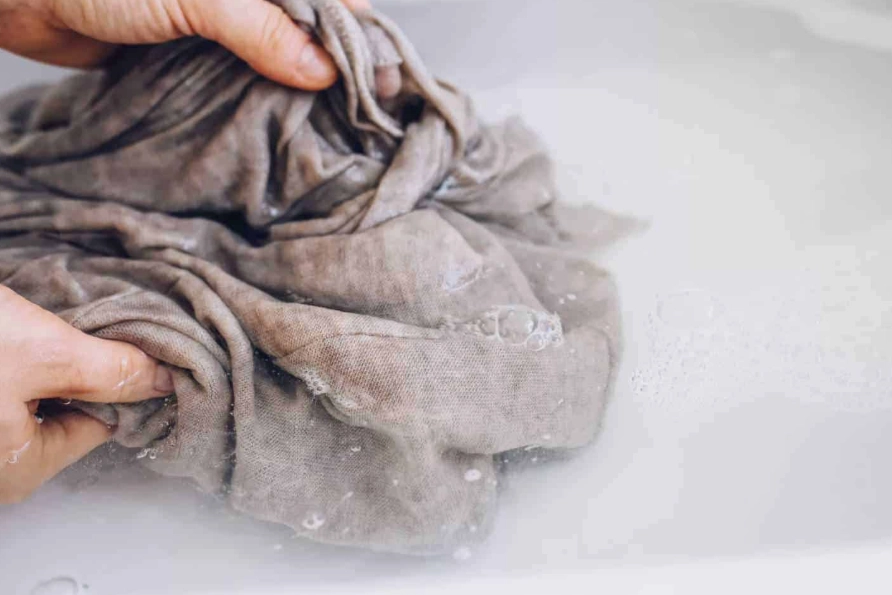
Address stains before the wash. For oil-based stains (salad dressing, sunscreen), dab a little dish soap directly on the spot and gently rub. For organic stains (wine, grass), a paste of baking soda and water works wonders. Let it sit for 15 minutes before washing. Never use chlorine bleach on linen – it weakens the fibers and turns them yellow. If you need to brighten whites, use an oxygen-based bleach.
Choosing Your Weapons: Detergent & Water Temperature
This is a common trip-up. People think "hot water = cleaner," but with linen, that's a fast track to shrinkage.
| Item / Goal | Recommended Water Temperature | Detergent Type | Notes |
|---|---|---|---|
| White or Light Linen | Warm (40°C / 104°F) | Liquid detergent for delicates or colors | Warm water helps maintain brightness without harsh heat. |
| Dark or Colored Linen | Cold (30°C / 86°F or lower) | Liquid detergent for colors | Cold water locks in dye and prevents fading. |
| First Ever Wash | Cold (30°C / 86°F) | Mild liquid detergent | Cold water minimizes initial shrinkage. |
| Extremely Delicate or Old Linen | Cold, Hand Wash | Specialist wool/delicate wash | Gentlest approach for heirloom pieces. |
Stick to liquid detergents. Powder detergents can sometimes not fully dissolve in cooler water and leave residues on the coarse linen fibers. For an extra soft result, add a half-cup of white vinegar to the rinse cycle dispenser. It naturally softens fibers and removes detergent buildup without any smell after drying.
The Step-by-Step Washing Process
Now for the main event. Whether you're using a machine or your hands, the principles are the same: gentle and cool.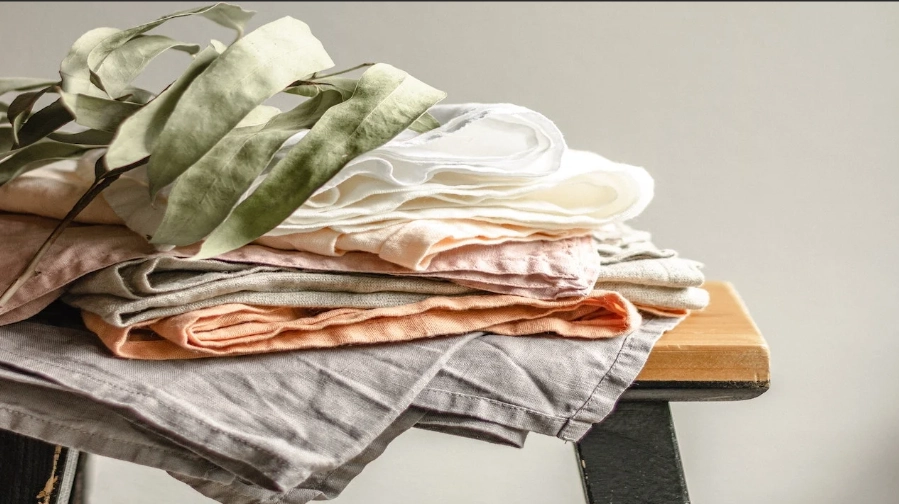
Machine Washing Linen (The Preferred Method)
Modern washing machines are actually great for linen if set correctly.
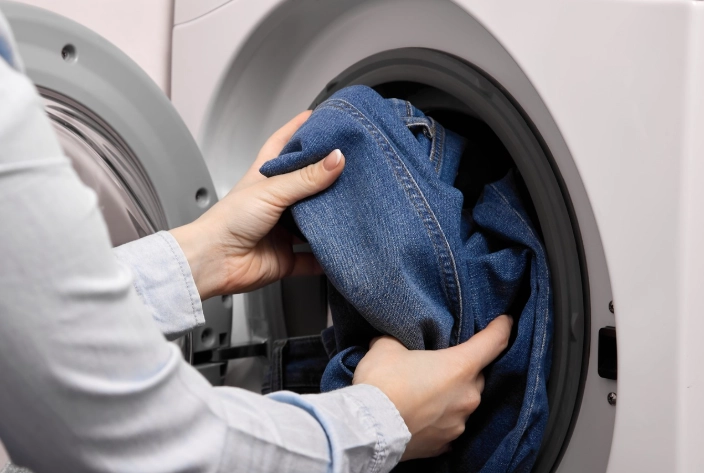
Use the delicates, hand wash, or gentle cycle. These cycles use a slower agitation speed, which is key. The heavy-duty cycle is too rough and can cause pilling or stretching.
Set the spin speed to low or medium (600-800 RPM). A high-speed spin will wring the fabric into a tight, wrinkled ball, making ironing a nightmare. A slower spin leaves the garment damp but manageable, with fewer deep-set creases.
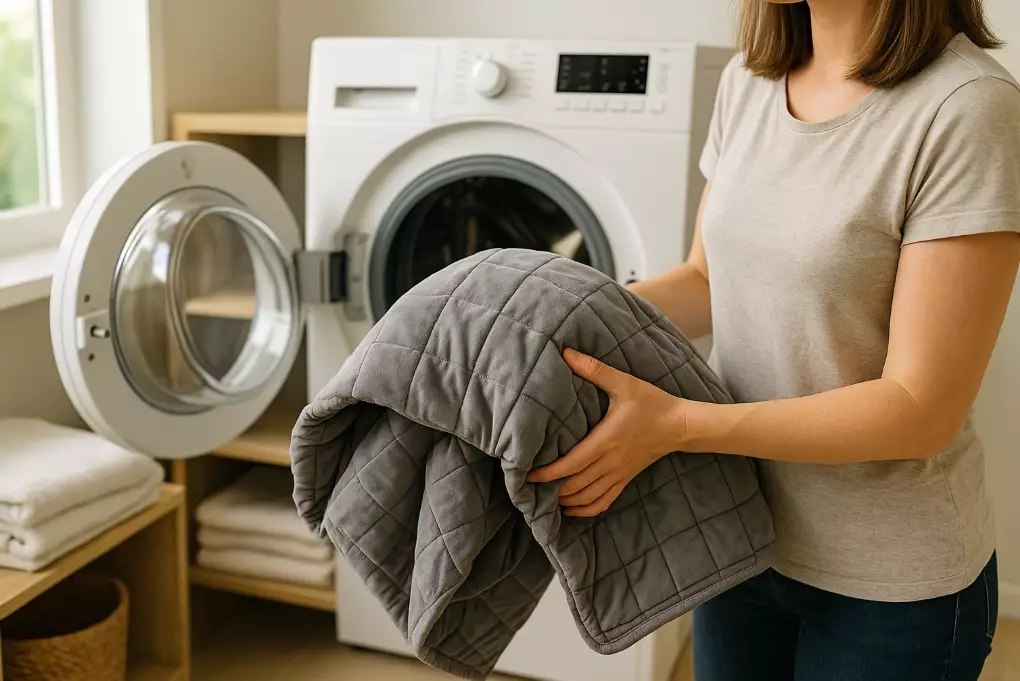
Do not overload the drum. Linen needs room to move freely in the water. Cramming it in creates excessive friction. A good rule: the drum should be no more than two-thirds full.
Hand Washing Linen (For Ultimate Care)
Hand washing is best for delicate embroidered linen, very old pieces, or garments with loose weaves.
Fill a clean basin or tub with cool water and a small amount of mild detergent. Submerge the item and gently agitate it with your hands for a few minutes. Don't wring, twist, or scrub. Let it soak for up to 30 minutes for heavily soiled items, then drain the soapy water.
Refill with clean, cool water to rinse. Repeat until the water runs clear. To remove excess water, press the garment against the side of the basin. Never lift a sopping wet linen piece by one shoulder – the weight of the water can stretch it out of shape.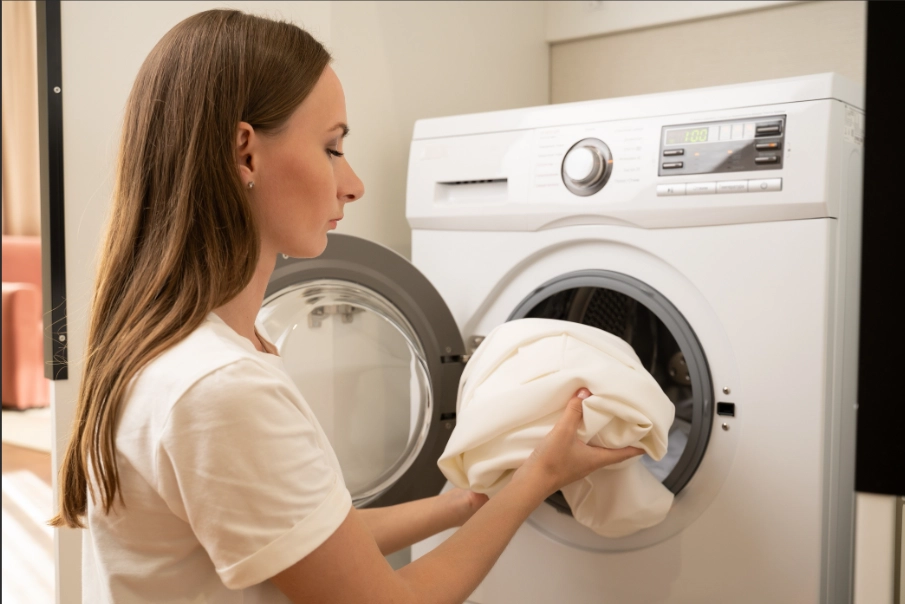
Drying Linen: The Make-or-Break Stage
How you dry linen impacts its texture and size more than the wash itself. The golden rule: avoid high, direct heat.
Line drying is the champion method. Shake the garment out well after washing to minimize wrinkles. Hang it on a padded hanger or a line in the shade. Direct sunlight can fade colors over time. The breeze will give your linen that beautiful, crisp freshness. It might feel stiff when completely line-dried – that's normal and will soften once worn or after ironing.
Tumble drying is possible, but with caveats. If you must use a dryer, use the lowest heat setting (air fluff or delicate). Throw in a couple of clean, dry wool dryer balls to help soften the fabric and reduce drying time. Remove the linen while it is still slightly damp. This is the secret to preventing that harsh, over-dried feel and making ironing infinitely easier.
Lay flat to dry for sweaters or structured items to maintain their shape. Reshape them on a towel or drying rack.
One personal tip: I never tumble dry pure linen pants. The waistband can shrink unpredictably, even on low heat. I always line dry them.
Ironing & Storing Linen Like a Pro
Linen's wrinkles are part of its charm, but sometimes you want a sharp look.
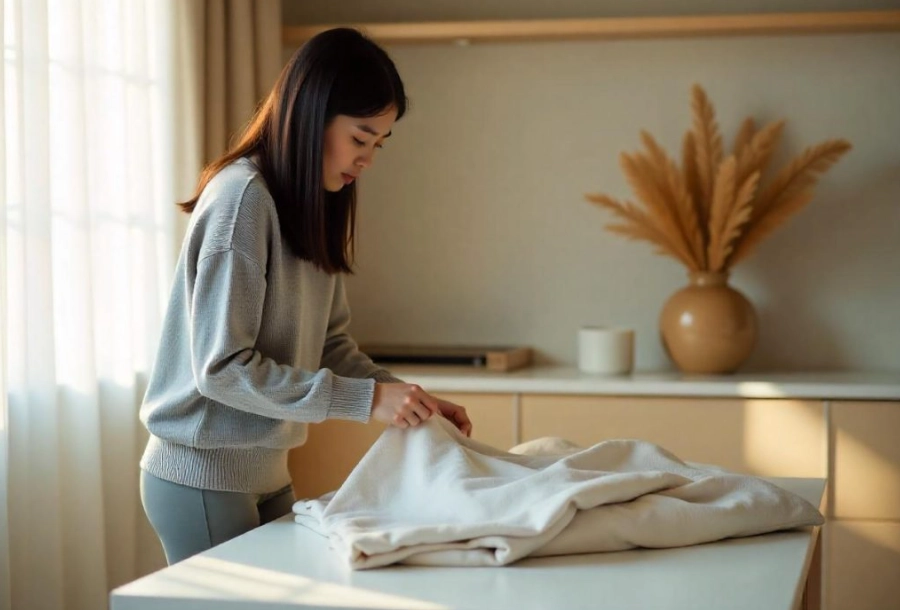
Iron linen when it is slightly damp. This is the single best piece of advice for easy ironing. If the garment is dry, use your iron's spray function or a mister to dampen it. Set your iron to a high heat (the linen/cotton setting). Steam is your friend. For a pristine finish, iron on the right side of the fabric. For a more matte, lived-in look, iron on the wrong side.
Don't store linen crumpled in a drawer for long periods. The deep-set creases can become permanent. Hang linen shirts, dresses, and pants. Fold heavier items like bed linens or tablecloths loosely and store them in a cool, dry place. Avoid plastic storage containers; breathable cotton bags or a linen closet shelf are better to prevent mildew.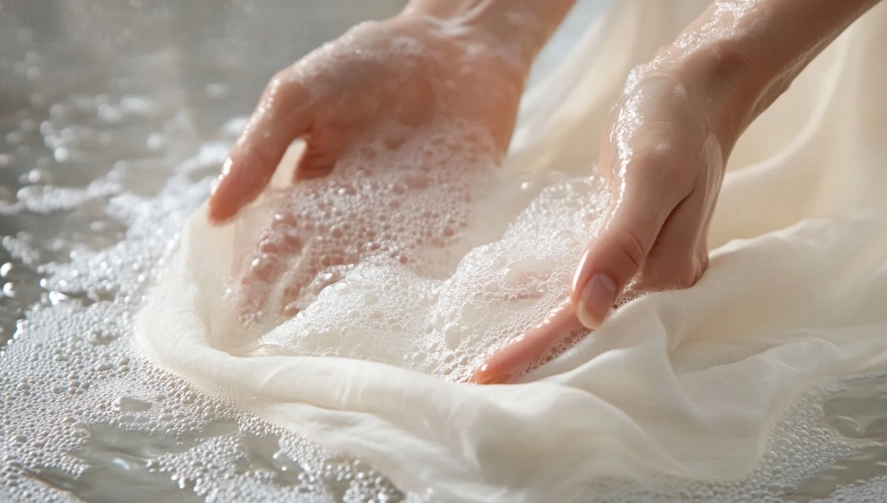
Linen Washing Troubleshooting & FAQ
My linen came out of the wash really stiff and rough. Did I ruin it?
Can I wash linen with other fabrics like cotton or towels?
How do I prevent linen from shrinking?
 Is it okay to use fabric softener on linen?
How often should I wash linen clothes?
My white linen has developed a slight yellow or grey tinge. How do I restore it?