I ruined a beautiful heirloom wool blanket once. It was a gift, thick and creamy white. I thought I was being careful – gentle cycle, cold water. When it came out of the dryer (my second mistake), it was a stiff, shrunken felted pad fit for a dollhouse. That heart-sinking moment taught me more about how to wash a wool blanket than any generic label ever could.
Wool is incredible. It's temperature-regulating, durable, and naturally resistant to odors. But its very structure – those microscopic scales on each fiber – makes it prone to felting (that irreversible shrinking and matting) if treated roughly with heat, agitation, and harsh chemicals. The good news? Washing a wool blanket properly isn't hard. It just requires a shift from how you wash your cotton t-shirts.
Your Quick Guide to Washing Wool Blankets
- First, Check the Label (But Don't Stop There)
- Can You Machine Wash a Wool Blanket?
- Step-by-Step Guide to Hand Washing a Wool Blanket
- Step-by-Step Guide to Machine Washing a Wool Blanket
- Drying is the Most Critical Phase
- Common Mistakes That Felt Your Wool Blanket
- Choosing Your Weapons: Wool Wash Products
- Tackling Spills and Stains on Wool
- Your Wool Washing Questions Answered
First, Check the Label (But Don't Stop There)
The care label is your starting point, not your bible. Look for symbols: a tub with a hand means hand wash only. A tub with a line underneath means gentle cycle. A circle means dry clean only.
Here's my non-consensus take: many "dry clean only" labels on wool blankets are a manufacturer's CYA (cover your assets) move. For a plain wool blanket without delicate embellishments, hand washing is often perfectly safe and much gentler than harsh chemical dry cleaning solvents. I've successfully hand-washed "dry clean only" wool throws for years. The decision hinges on the blanket's construction and your confidence.
Can You Machine Wash a Wool Blanket?
It depends. Modern washing machines with a dedicated Wool or Hand Wash cycle can be suitable for sturdy, machine-washable wool blankets. These cycles use very slow agitation and cold water. If your machine lacks these, the risk goes up.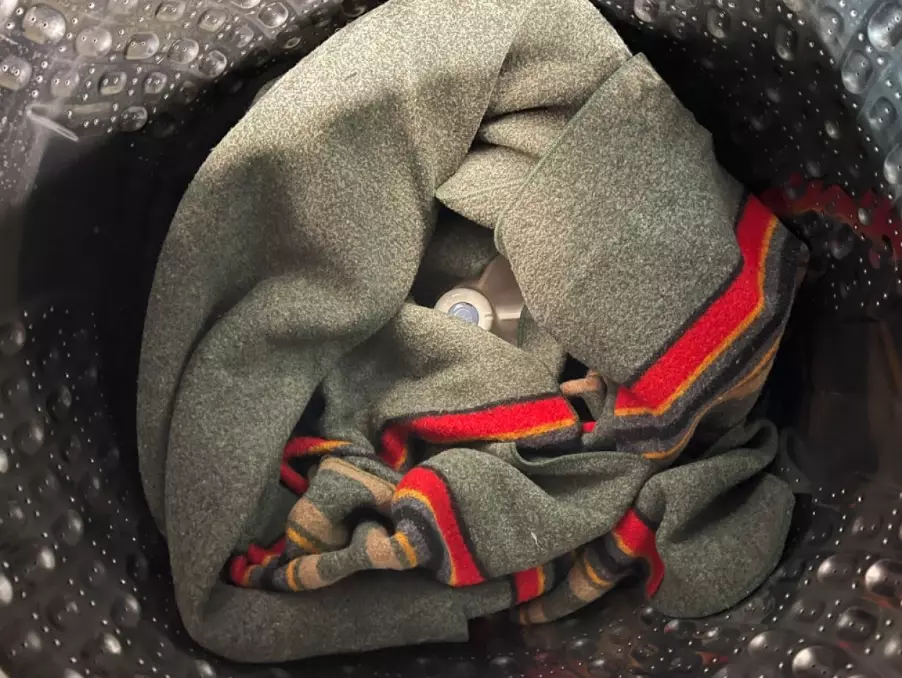
My rule of thumb: If the blanket is antique, a delicate heirloom, has loose knits, fringes, or is labeled "superwash" wool (treated to resist felting), you have a green light to consider the machine. For everything else, especially your first time washing it, default to hand washing. The extra 20 minutes of effort saves you a lifetime of regret.
Step-by-Step Guide to Hand Washing a Wool Blanket
This is the gold standard method. You need a bathtub or a very large, clean sink.
Preparation is Everything
Shake the blanket outdoors to remove dust. Check for and treat any stains (more on that later). Fill your tub with cold to lukewarm water – test it with your wrist; it should feel cool, never warm. Dissolve a capful of wool-specific detergent (like Ecover Wool Wash, The Laundress Wool & Cashmere Shampoo, or even a mild baby shampoo) in the water before adding the blanket. Never pour detergent directly onto the wool.
The Gentle Soak and Swirl
Submerge the blanket. Gently press it down to soak. Let it sit for 15-20 minutes. This is where most guides stop. Here's the expert nuance: do not agitate, scrub, or wring. Instead, use a gentle, rhythmic pressing motion with your flat hands, almost like you're kneading dough very softly. Push down, release, move to the next section. This helps water and soap move through the fibers without causing friction.
The Rinse Ritual
Drain the soapy water. Gently press the blanket against the side of the tub to remove water. Refill with fresh cold water. Repeat the gentle pressing to rinse. You may need 2-3 rinses until the water runs clear. The key is patience. Rushing leads to rough handling.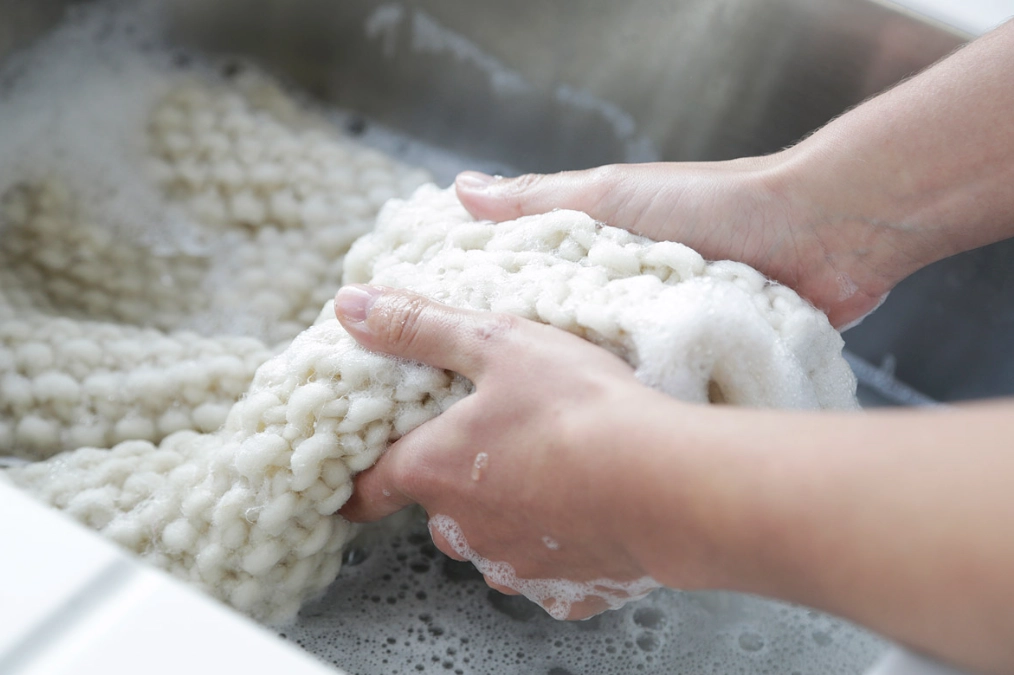
Step-by-Step Guide to Machine Washing a Wool Blanket
If you've determined your blanket and machine are up to it, follow this protocol strictly.
Use a front-loading washer if possible. Top-loaders with an agitator column are too harsh. Select the Wool, Hand Wash, or Delicate cycle. Set the temperature to Cold water for both wash and rinse. Use the slowest spin speed available or, ideally, no spin at all.
Place the blanket in the drum by itself. Never wash a wool blanket with other items—zippers and buttons can snag, and the uneven load causes imbalance and harsh agitation. Add the appropriate amount of wool wash detergent to the dispenser.
Stop right here if your machine's "Delicate" cycle still seems vigorous. I've seen some that are anything but delicate. Listen to the machine. If it sounds like a normal wash, it's too rough. Abort and go to the hand wash method.
Drying is the Most Critical Phase
Heat and weight are wool's enemies during drying. Never, ever use a clothes dryer. The tumbling and heat will guarantee felting.
After washing, gently press out water. Do not wring. For hand-washed blankets, roll it in a clean, dry bath towel and press firmly to absorb excess moisture. You might need a second dry towel.
Lay the blanket flat on a dry towel or a mesh drying rack, reshaping it to its original dimensions. Support the entire blanket to prevent stretching. Avoid hanging it, as the weight of the water can distort the shape. Keep it out of direct sunlight and away from direct heat sources like radiators. A fan circulating air in the room speeds up drying, which can take 24-48 hours.
Flip the blanket halfway through drying to ensure even airflow.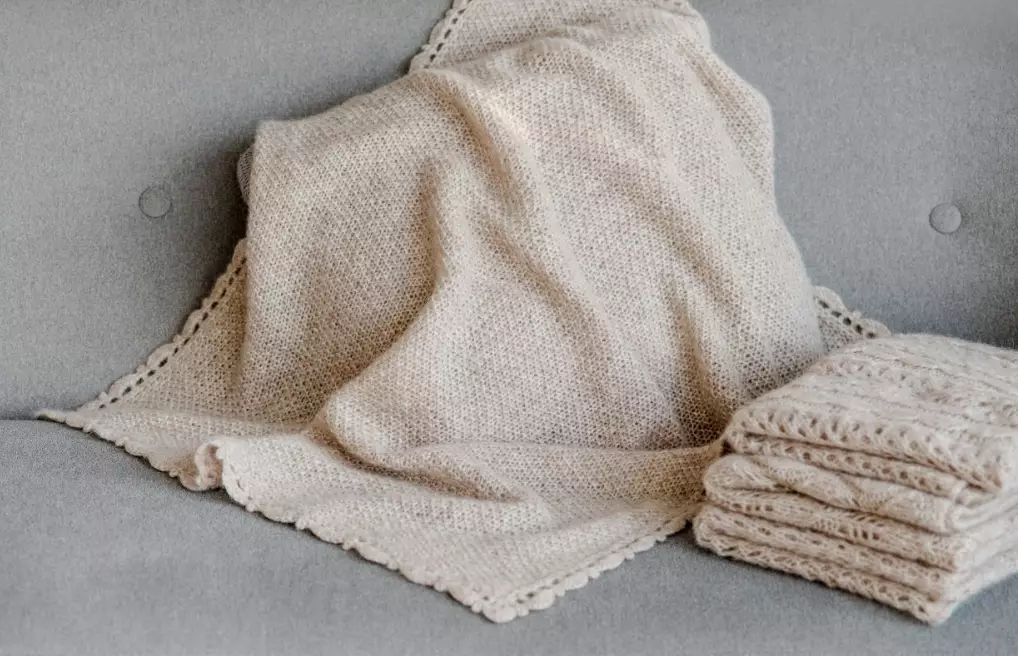
Common Mistakes That Felt Your Wool Blanket
Let's be blunt about what goes wrong.
- Using Hot or Warm Water: Heat causes the wool scales to open up and lock together permanently.
- Agitation and Wringing: Rubbing, twisting, or even a too-harsh machine cycle mats the fibers.
- Regular Laundry Detergent: These are alkaline and strip wool's natural lanolin, leaving it harsh and prone to damage.
- Overloading the Washer: Creates friction and uneven cleaning.
- The Clothes Dryer: The single fastest way to destroy a wool blanket.
Choosing Your Weapons: Wool Wash Products
Not all detergents are created equal. You need a pH-neutral, lanolin-safe cleaner.
| Product Type | Best For | Examples | My Take |
|---|---|---|---|
| Specialist Wool Washes | All wool, especially premium blankets | The Laundress, Ecover Wool Wash, Kookaburra | Worth the investment. They clean while maintaining softness. |
| Baby Shampoo | A budget-friendly, gentle alternative | Any mild, no-tears formula | Works surprisingly well in a pinch. Avoid heavy fragrances. |
| Vinegar (White) | Final rinse to remove soap residue & soften | Generic white vinegar | Add 1/4 cup to the final rinse water. The smell dissipates when dry. |
| Avoid: Regular Detergent, Fabric Softener | - | Tide, Gain, Downy | These coat and damage fibers. Never use them. |
Tackling Spills and Stains on Wool
Act fast. Blot, never rub. For food or drink stains, use a clean cloth dampened with cold water to dab the area. For oil-based stains, a tiny drop of wool wash applied directly, gently worked in, and rinsed with cold water can help. For set-in stains, consider a product like Woolite Dry Cleaner's Secret Instant Stain Remover (test on an inconspicuous area first). Sometimes, a full, gentle wash is the best stain remover. Avoid harsh stain sticks or bleach.
Your Wool Washing Questions Answered
Far less often than you think. Wool is naturally antimicrobial and resists odors. Air it out regularly. For a blanket used on a bed, once or twice a season is plenty. For a decorative throw, a yearly refresh might suffice. Over-washing wears it out unnecessarily.
That's the lanolin smell, and it's normal when wet. Don't panic. Lay it flat to dry completely in a well-ventilated area. The smell will almost always disappear once the wool is 100% dry. If it persists after drying, then it's time for a gentle wash with a wool-specific detergent.
I don't recommend it. While it might feel soft initially, hair conditioners often contain silicones and oils that can coat the fibers, attracting dirt and potentially leaving a greasy residue. A proper wool wash followed by a vinegar rinse is the safer, more effective method for long-term softness.
Before. Always do any minor repairs on a clean, dry blanket. Washing can aggravate loose threads. Use a matching thread and a simple whip stitch to secure any frayed areas. This prevents the damage from getting worse during the wash process.
Yes, that's its purpose. Superwash wool has been chemically or physically treated to smooth the scales on the fibers, making it highly resistant to felting. You can usually machine wash and tumble dry (on low) superwash items. However, I still advise using a gentle cycle and wool detergent for longevity. Always check the label to confirm.