Let's be honest. We've all been there. You pull a beloved wool sweater from the dryer, and it's now a perfect fit for a teddy bear. That sickening feeling of seeing a favorite garment ruined is awful. But here's the truth most basic guides won't tell you: shrinking isn't the only enemy. Felting—where the fibers lock together into a stiff, dense mat—is often the irreversible culprit, and it's caused by a combination of heat, agitation, and the wrong pH balance. Washing wool isn't scary; it's a simple process of control. After over a decade of working with natural fibers, I've found that most mistakes come from a few overlooked details, not from the big steps everyone talks about.
What You'll Learn in This Guide
The Pre-Wash Checklist: Don't Skip This
Jumping straight into water is the first mistake. Take five minutes for these steps.
Read the care label. I know, it's obvious. But look for specifics. "Dry clean only" on a delicate merino piece? Probably wise to follow. "Machine washable wool"? That's your green light, but it still needs a gentle cycle and cold water. The Woolmark Company, the global authority on wool, has specific symbols for machine-washable wool—look for them.
Check for holes and loose threads. Water and agitation will make small problems big. Do any minor repairs now with a needle and matching yarn.
Turn it inside out. This is non-negotiable. It protects the outer surface from pilling and friction during the wash. The inside gets just as dirty from body oils anyway.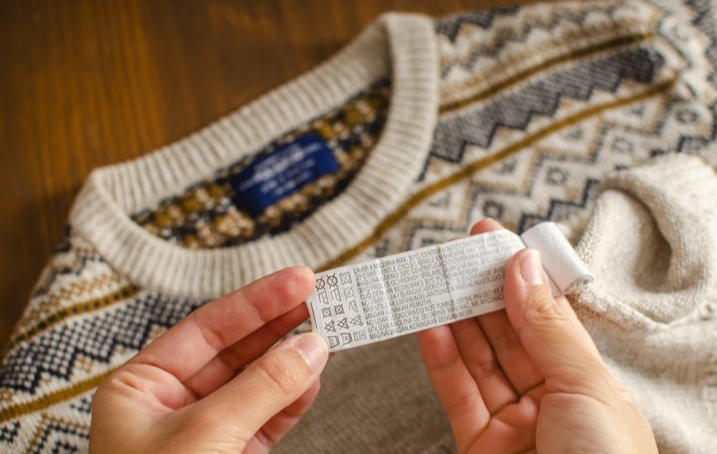
The Foolproof Step-by-Step Hand Wash Method
Hand washing is the gold standard. It gives you complete control. You'll need a clean sink or basin, a wool-specific detergent, and two clean, dry towels.
1. Prepare the Bath
Fill your sink with lukewarm water. Not cold, not hot. Think baby bath temperature—around 30°C (86°F). Why not cold? Cold water doesn't always effectively release oils and odors. Lukewarm water opens the wool fibers just enough for cleaning without triggering felting. Add a small amount of wool wash. Don't use regular laundry detergent or shampoo. Their pH is often too high (alkaline), which damages wool fibers, making them brittle and prone to felting. A product like Eucalan or The Laundress Wool & Cashmere Shampoo is formulated for the job.
2. The Gentle Submerge and Soak
Place your inside-out sweater in the water. Gently press it down to submerge. Don't twist, rub, or wring. Just let it soak for 15-20 minutes. Walk away. This soak does 90% of the work, lifting dirt without agitation.
3. The Rinse
Drain the soapy water. Gently press the sweater against the side of the sink to remove water—again, no wringing. Refill the sink with clean lukewarm water. Swish the sweater gently to rinse. Repeat with fresh water until it runs clear. Adding a tiny splash of white vinegar (a tablespoon) to the final rinse can help neutralize any leftover detergent and restore softness, but it's not mandatory.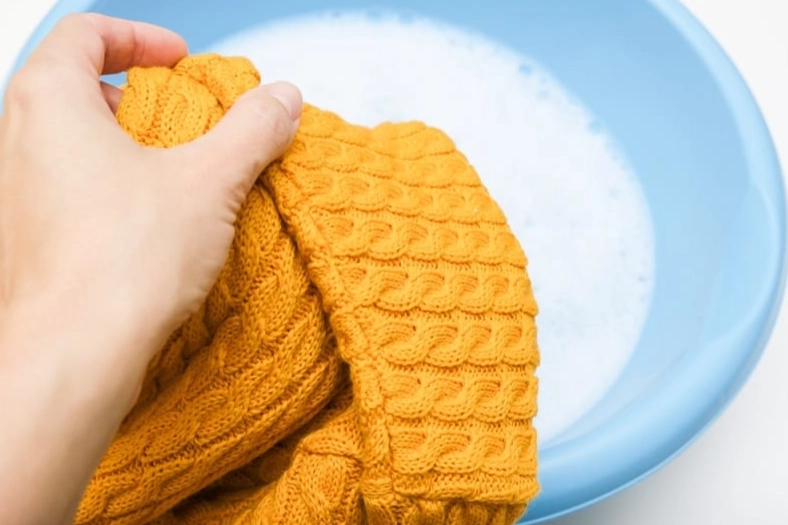
Drying & Storage: Where Most Go Wrong
This is the most critical phase. Heat and weight are your enemies.
Never, ever use a dryer. Not even on "air fluff" or no-heat. The tumbling action is pure agitation.
Here's my method: Lay out a large, dry, absorbent towel on a flat surface (a bed, clean floor, or drying rack). Place the sopping wet sweater on it. Gently roll the towel up with the sweater inside, like a jelly roll. Press firmly along the roll. This "toweling" method extracts a huge amount of water safely. You might need a second dry towel for a second roll if the sweater was very thick.
Now, reshape the damp sweater to its original dimensions. Smooth it out, pat the sleeves straight, and ensure the neckline is correct. Lay it flat on a mesh drying rack (allowing air circulation underneath) away from direct sunlight or heat sources like radiators. Flip it over halfway through drying to ensure evenness.
For storage, never hang a wool sweater. The shoulders will stretch into weird points. Fold it and store it in a drawer or shelf. Consider cedar blocks instead of mothballs, which leave a terrible smell.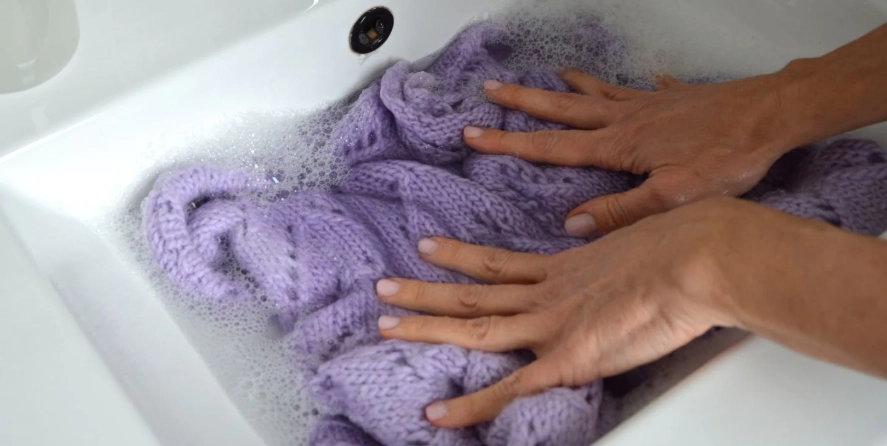
How to Tackle Common Stains on Wool
Treat stains before the overall wash. The key is blotting, never rubbing.
| Stain Type | Immediate Action | Pre-Wash Treatment |
|---|---|---|
| Food/Oil | Blot with a paper towel to absorb excess. | Apply a tiny drop of wool wash directly to the stain, gently work in with fingertips, let sit for 10 mins. |
| Wine/Coffee | Blot immediately. Rinse from the inside of the fabric out with a little cool water if possible. | Make a paste of wool wash and a few drops of water, apply to stain, let sit for 15 mins before the main wash. |
| Deodorant/Sweat | Let the area dry completely first. | Apply a 50/50 mix of water and white vinegar to the area with a cloth, blot, then proceed with normal wash. |
| Ink | This is tough. Blot, don't smear. | Try dabbing with rubbing alcohol on a cotton swab (test on an inside seam first!). Often requires professional help. |
Can You Machine Wash Wool? (The Real Answer)
Yes, but with extreme caution and only if the care label explicitly allows it. Modern washing machines with dedicated "Wool" or "Hand Wash" cycles are surprisingly gentle. They use very low spin speeds and minimal agitation.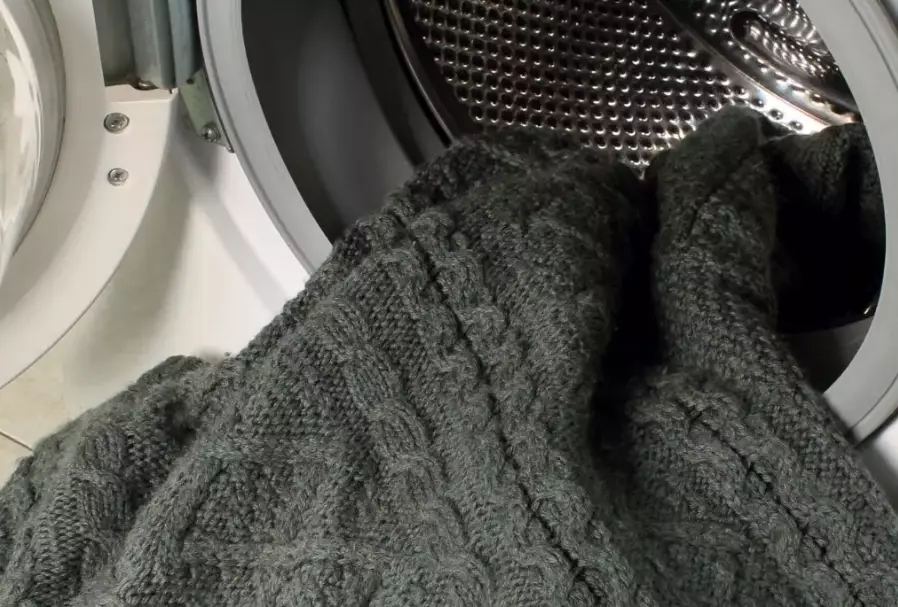
If you go this route:
- Use a mesh laundry bag for extra protection.
- Cold water only. Set the machine to the coldest setting.
- Double-check the detergent. Wool-specific, always.
- After the cycle, immediately remove the sweater and proceed with the flat-drying method described above. Do not let it sit wet in the machine.
My personal stance? I only machine wash durable, everyday wool sweaters like thick lambswool pullovers. For anything fine, expensive, or sentimental, I always hand wash. The control is worth the extra 20 minutes.
Your Wool Washing Questions, Answered
 How often should I wash my wool sweaters?
 How do I prevent pilling on my wool sweater?