Washing jeans wrong can ruin them in months. I learned that the hard way when my favorite pair turned stiff and faded after a hot wash. Here’s the truth: most people over-wash jeans and use harsh methods. If you want your denim to last years, not just seasons, follow these steps. It’s not rocket science, but a few tweaks make all the difference.
What You'll Learn in This Guide
Why Proper Jeans Washing Matters
Jeans aren’t just any fabric. Denim is woven cotton, often dyed with indigo, and it reacts badly to heat and agitation. Wash them too often, and the fibers break down. Use hot water, and the color bleeds. I’ve seen jeans lose their shape after a few tumble dries.
Think about cost. A good pair of jeans can run $50 to $200. Washing them properly extends their life, saving you money. It’s also about sustainability. The fashion industry is a huge water consumer—Levi’s estimates that a single pair of jeans uses over 3,000 liters of water in its lifetime. By washing less and right, you cut down on water and energy use.
Here’s a non-consensus point: many guides say “never wash jeans,” but that’s impractical. Dirt and oils build up, causing odors and wear. The key is balanced care.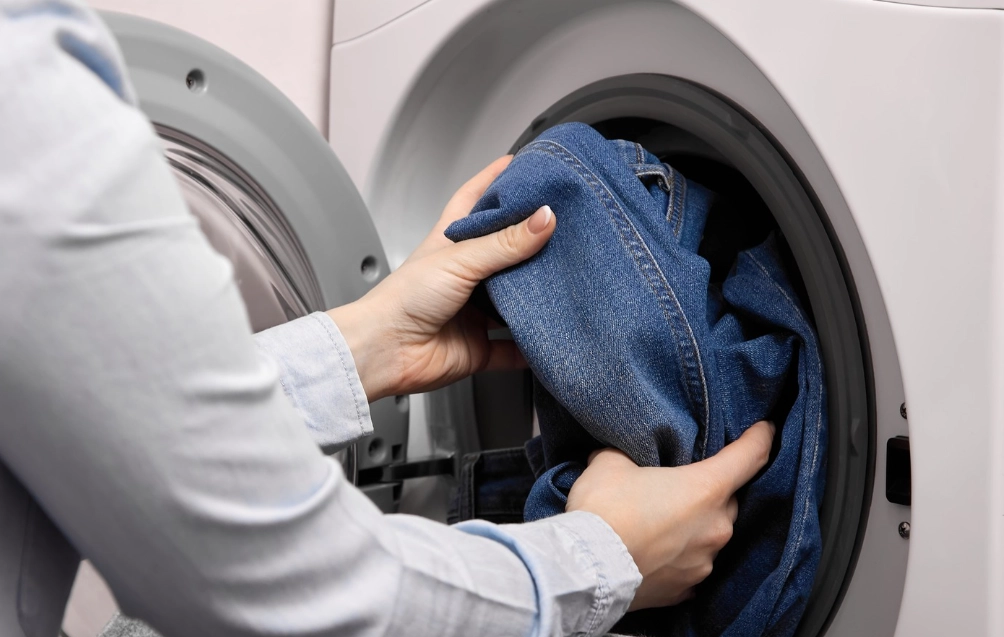
How to Wash Jeans: Step-by-Step Instructions
Let’s break it down. I’ve washed hundreds of jeans over the years, from raw denim to stretch blends. This process works for most types.
Preparing Your Jeans for Washing
First, check the care label. It’s obvious, but people ignore it. Look for symbols on washing temperature and drying. Then, turn the jeans inside out. This protects the outer fabric from friction, reducing fading. Zip up all zippers and button buttons to prevent snagging.
Spot clean stains with a damp cloth and mild soap. For oil stains, use a bit of dish soap—it breaks down grease without harsh chemicals.
Choosing the Right Water Temperature
Cold water is your friend. Always use cold water for washing jeans. Hot water sets stains and causes shrinkage. Warm water might be okay for heavily soiled jeans, but I stick to cold. It saves energy too.
If your jeans are new and dark, add a cup of white vinegar to the rinse cycle. It helps set the dye. Don’t overdo it—once every few washes is enough.
Selecting a Gentle Detergent
Avoid heavy-duty detergents with bleach or enzymes. They strip color and weaken fibers. Use a mild, liquid detergent designed for dark colors or delicates. Woolite Dark is a good option. For an eco-friendly choice, try Seventh Generation Free & Clear.
Measure detergent carefully. Too much leaves residue that stiffens jeans.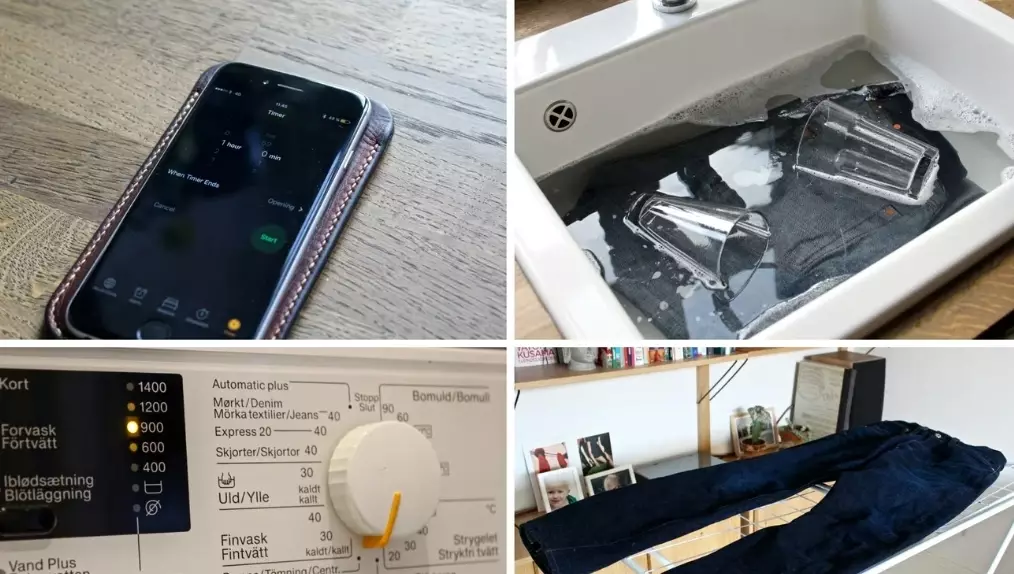
Machine Washing vs. Hand Washing
Machine washing is convenient, but hand washing gives more control. Here’s a quick comparison:
| Method | Pros | Cons | Best For |
|---|---|---|---|
| Machine Washing | Quick, thorough for heavy dirt | Can cause fading and wear | Regular jeans, non-delicate types |
| Hand Washing | Gentle, preserves color and shape | Time-consuming, requires effort | Raw denim, expensive jeans, colored jeans |
For machine washing, use a gentle cycle. Load the washer loosely—don’t cram jeans in. Wash jeans separately or with similar dark colors to prevent dye transfer.
Hand washing? Fill a tub with cold water and a cap of detergent. Soak jeans for 30 minutes, agitate gently, then rinse thoroughly.
The Drying Process: Air Dry vs. Tumble Dry
Never, ever use a dryer on high heat. It’s the fastest way to shrink and fade jeans. I air dry 90% of the time. Hang jeans by the waistband on a line or rack, away from direct sunlight. Sunlight can bleach fabric.
If you must use a dryer, choose the lowest heat setting or air fluff. Remove jeans while slightly damp to avoid wrinkles. Then hang them to finish drying.
A trick: reshape jeans while damp. Smooth out seams and pockets to maintain fit.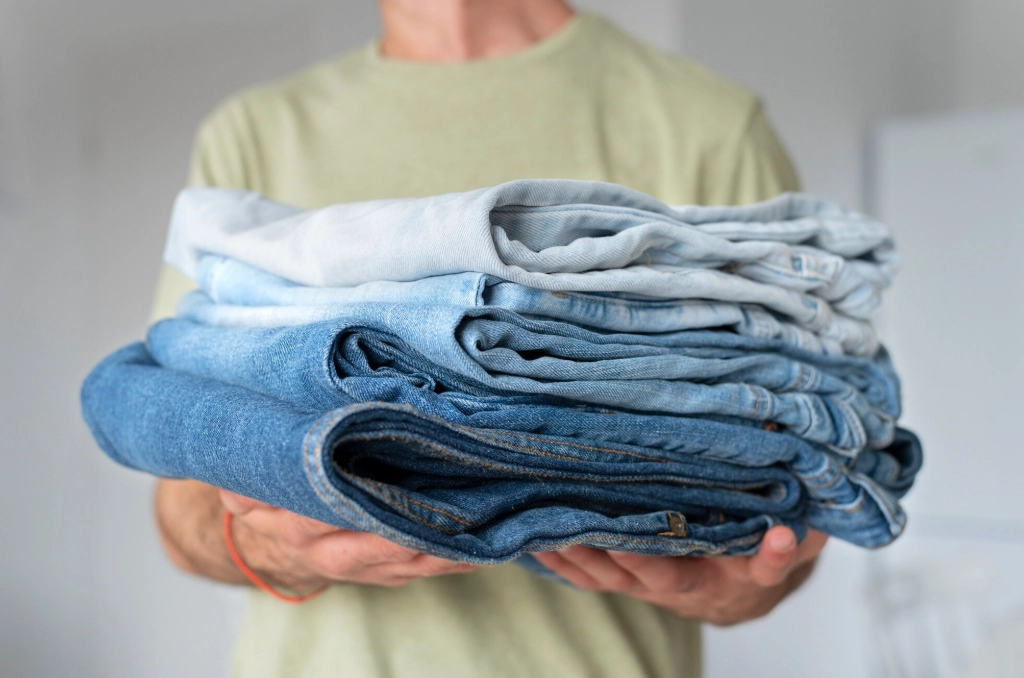
Common Mistakes to Avoid When Washing Jeans
Here are errors I see all the time. Avoid these to keep your denim in top shape.
Using fabric softener. It coats fibers, reducing breathability and making jeans stiff over time. Skip it altogether.
Washing with abrasive items like towels or jeans with metal rivets. They cause friction and pilling. Wash jeans with soft fabrics only.
Ignoring water hardness. Hard water leaves mineral deposits that dull color. If you have hard water, add a water softener or use distilled water for hand washing.
One subtle mistake: not checking pockets. Coins and keys can damage the washer and jeans. I once left a pen in a pocket—it leaked and stained the fabric.
Expert Tips for Specific Jeans Types
Not all jeans are the same. Here’s how to handle different materials.
Raw Denim: This is unwashed denim that fades uniquely. Wash as infrequently as possible—every 6 months or so. When you do, hand wash in cold water. Avoid detergent with additives. Pat dry with a towel, then air dry. The fades will look amazing.
Colored Jeans (like black or white): For black jeans, wash inside out in cold water with a color-safe detergent. Add a tablespoon of salt to the wash to lock in dye. For white jeans, use a oxygen-based bleach occasionally to brighten, but avoid chlorine bleach—it yellows fabric.
Stretch Jeans (with spandex or elastane): Heat damages elastic fibers. Always use cold water and air dry. Don’t wring them out—it strains the stretch. Lay flat to dry if possible.
Vintage Jeans: These are delicate. Hand wash only, and consider using a mesh bag for extra protection. Check for weak seams before washing.
I’ve ruined a pair of vintage Levi’s by machine washing—the seams came apart. Lesson learned.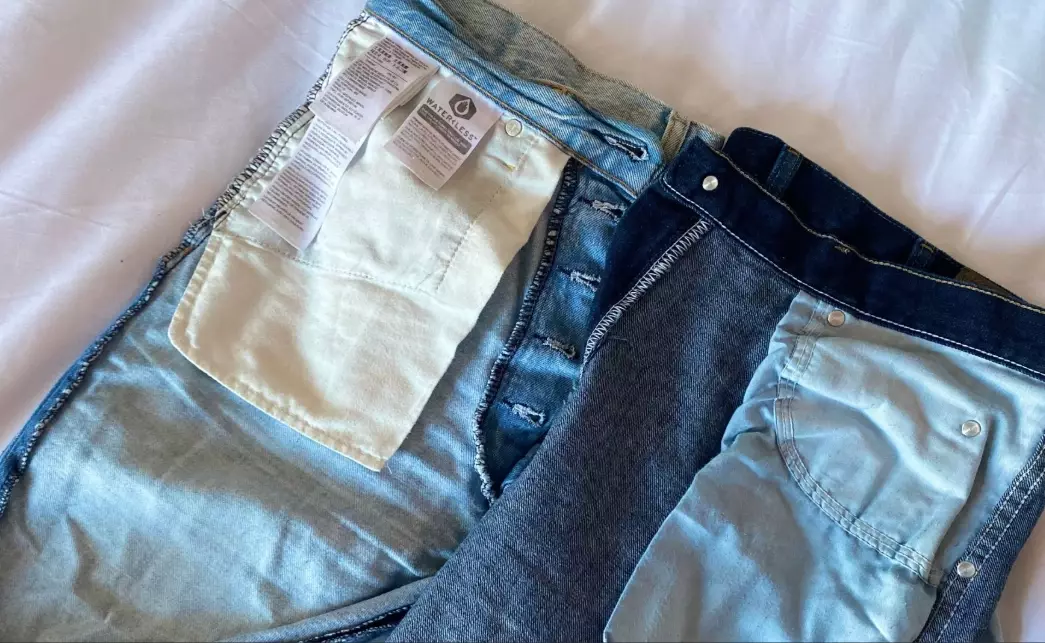
Frequently Asked Questions (FAQ)
 Washing jeans isn’t just about cleanliness—it’s about preserving investment and reducing waste. Start with cold water, gentle detergent, and air drying. Adjust based on your jeans type. Remember, less is more. Your denim will thank you with years of wear.
Got more questions? Drop a comment below. I’ve been caring for denim for over a decade, and I’m happy to share more tips.