Let's clear this up right at the start: you can and should wash your cashmere. The idea that it's too delicate is a myth that leads to more harm than good. Dirt, oils, and sweat break down those fine fibers over time, making them brittle and dull. Proper washing actually revitalizes the yarn, restoring its loft and incredible softness. I learned this the hard way after ruining a favorite sweater with a "quick" machine wash years ago. Since then, I've hand-washed dozens of cashmere pieces, from fine-gauge knits to chunky cardigans, and they all look and feel better for it.
What You'll Learn in This Guide
Why You Should Wash Your Cashmere (Yes, Really!)
Think about what happens when you wear a sweater. Skin oils, perfume, dust, and tiny food particles get trapped in the fibers. If you just keep wearing it and putting it away, those substances act like glue, matting the fibers together. That's what causes that rough, flat feeling and makes pilling worse. A gentle wash removes all that gunk, allowing the fibers to bounce back.
I used to be terrified of washing cashmere, sending everything for expensive dry cleaning. Then I read a care booklet from a high-end Scottish mill. Their advice was simple: hand wash often. The chemicals used in dry cleaning, while effective for heavy stains, can strip the natural lanolin-like softness from the wool over many cycles. For routine care, water is actually gentler.
The Woolmark Company, the global authority on wool, states that most wool garments, including cashmere, are safe to hand wash if the care label allows it. It's about control. You control the water temperature, the agitation, and the drying process. A machine, even on a gentle cycle, is unpredictable.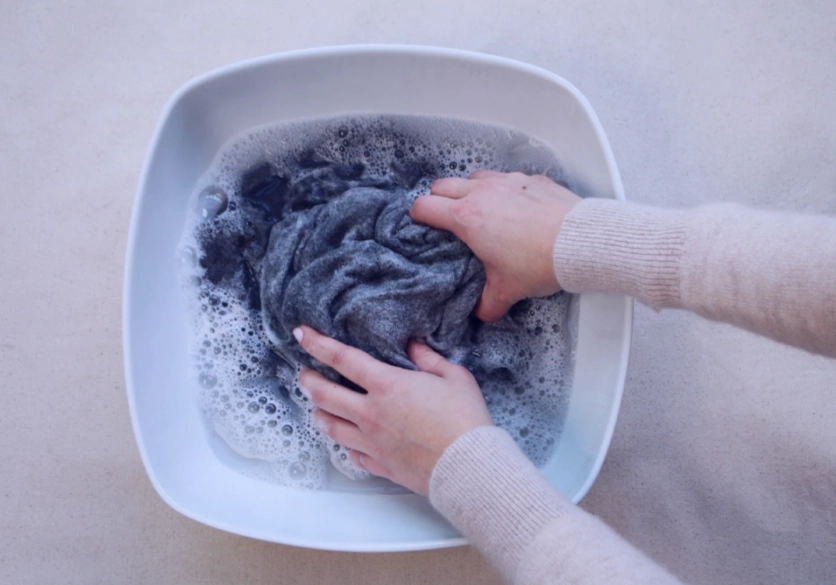
The Golden Rules of Cashmere Washing
Before you even fill the sink, memorize these three non-negotiable rules. Break one, and you risk felting or shrinking your sweater.
Rule 3: Use a Wool-Specific Detergent. This is where most people mess up. Regular laundry detergent is too alkaline and too harsh. It can leave a residue that makes fibers stiff. You need a pH-neutral, no-rinse or low-suds formula designed for wool or delicates. Brands like The Laundress (Wool & Cashmere Shampoo) or Eucalan are excellent. They contain lanolin or similar conditioners that replenish the fiber's softness.
Step-by-Step: How to Hand Wash Cashmere
Set aside 30 minutes. It's not a chore; it's a ritual. Here’s exactly what I do for every single sweater.
Gather Your Supplies
- A clean sink or basin (plug it!)
- Cold water
- Wool/delicate detergent
- A clean, dry, fluffy towel (white is best to avoid dye transfer)
The Washing Process
1. Prep the Sweater. Close any zippers or buttons. Turn it inside out. This protects the outer surface from any minor friction during the wash and focuses cleaning on the inside where oils accumulate.
2. Fill and Mix. Fill your sink with cold water. Add a small amount of detergent—usually a teaspoon or as directed on the bottle. Swirl the water with your hand to dissolve and distribute it. Don't create a mountain of suds.
3. Submerge and Soak. Gently place your sweater in the water. Press it down softly so it's fully submerged. Now, walk away. Let it soak for 15-20 minutes. This is the most important cleaning phase. The water and detergent are doing the work, loosening dirt without you needing to scrub.
I sometimes forget a piece in the sink for an hour. It's fine. The cold water prevents damage.
4. The "Agitation". After soaking, use your hands to very gently press and lift the sweater in the water a few times. Imagine you're kneading dough with the lightest touch possible. Never rub, scrub, or pull.
5. Rinse. Drain the soapy water. Gently press the sweater against the side of the sink to remove some water. Refill the sink with fresh, cold water. Submerge the sweater again and press to rinse. Repeat this rinse process 2-3 times until the water runs completely clear and feels free of soapy slickness. Residual detergent is the enemy of softness.
How to Dry Cashmere Correctly
Drying is just as critical as washing. The goal is to support the garment's shape and remove water without stretching.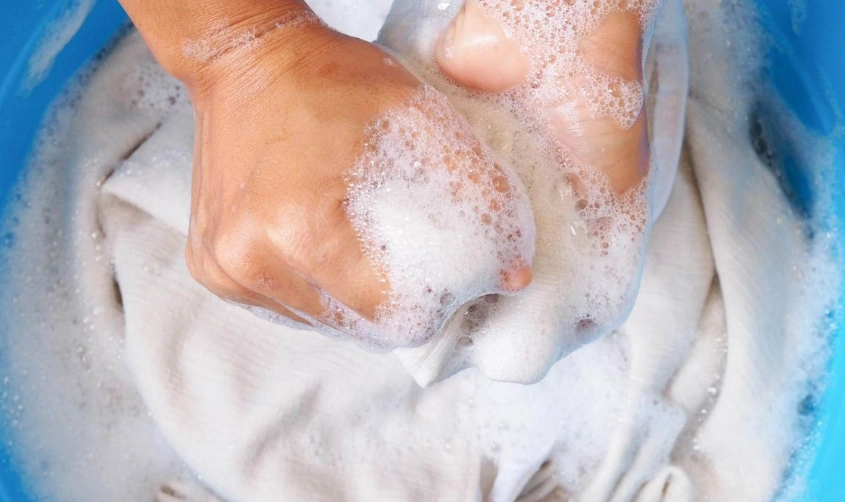
1. Remove Excess Water. Lift the sweater from the rinse water. Support its weight with both hands—it will be heavy. Lay it flat on a clean, dry bath towel. Roll the towel and sweater together into a tight(ish) log. Press down firmly along the roll. You'll see a lot of water transfer to the towel. Unroll.
2. Reshape and Air Dry. Lay the damp sweater on a fresh, dry towel or a mesh drying rack. Place it on a flat, airy surface away from direct heat or sunlight. A bed or a tabletop works. Mould it back into its proper shape: smooth out the fabric, align the seams, ensure the neckline and shoulders are symmetrical.
Never, ever hang a wet cashmere sweater. The weight of the water will stretch it beyond repair, especially at the shoulders. I see this mistake all the time.
It will take 24-48 hours to dry completely. Flip it over halfway through to ensure the bottom dries evenly.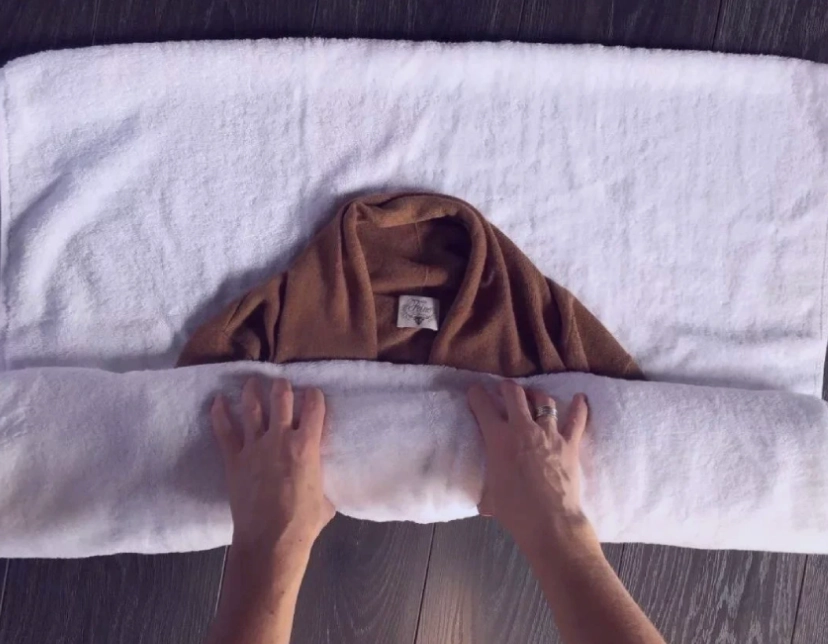
Troubleshooting Common Cashmere Problems
Even with perfect care, issues pop up. Here's how to handle them.
| Problem | Likely Cause | How to Fix or Prevent |
|---|---|---|
| Pilling | Friction from bags, seatbelts, or even the inner arms rubbing. It's normal, especially early on. | Use a cashmere comb or fabric shaver gently. Don't pull pills. Wash more frequently to remove loose fibers before they knot. |
| Stiffness After Washing | Residual detergent, insufficient rinsing, or using the wrong detergent. | Re-wash with a proper wool detergent and rinse until water is absolutely clear. A final rinse with a tablespoon of white vinegar in cold water can help dissolve residue. |
| Musty Smell | Stored while damp or not fully dry before storing. | Wash immediately. Ensure it's bone-dry before storing. Store in a breathable cotton bag with cedar blocks, not plastic. |
| Minor Shrinkage | Exposure to heat (water or dryer) or agitation. | While wet, gently stretch the garment back to shape and pin it to a towel. As it dries, it may relax. Prevention is key: cold water only. |
A note on stains: treat them immediately. Blot, don't rub. For food or oil, a tiny dab of your wool detergent directly on the spot before the main soak can work wonders. For tougher stains, consider a specialist like The Laundress Stain Solution. Always test on an inside seam first.
FAQ: Your Cashmere Washing Questions Answered
Can I wash cashmere in the washing machine?
How often should I wash my cashmere sweater?
 Can I use hair conditioner or fabric softener on cashmere?
My cashmere sweater stretched out. Can I shrink it back?
How do I store cashmere for the summer?