Washing your down jacket is not just possible—it's essential for its longevity. Dirt, body oils, and sweat break down the natural oils in the down clusters, making them clump and lose their ability to trap heat. A clean jacket is a warm jacket. Forget the myth that you can't wash them at home. With the right technique, which is simpler than most think, you can restore loft and performance for years. I've ruined a jacket by being impatient with the dryer, and I've saved several more by learning from that mistake. Let's get into the details so you only have the success stories.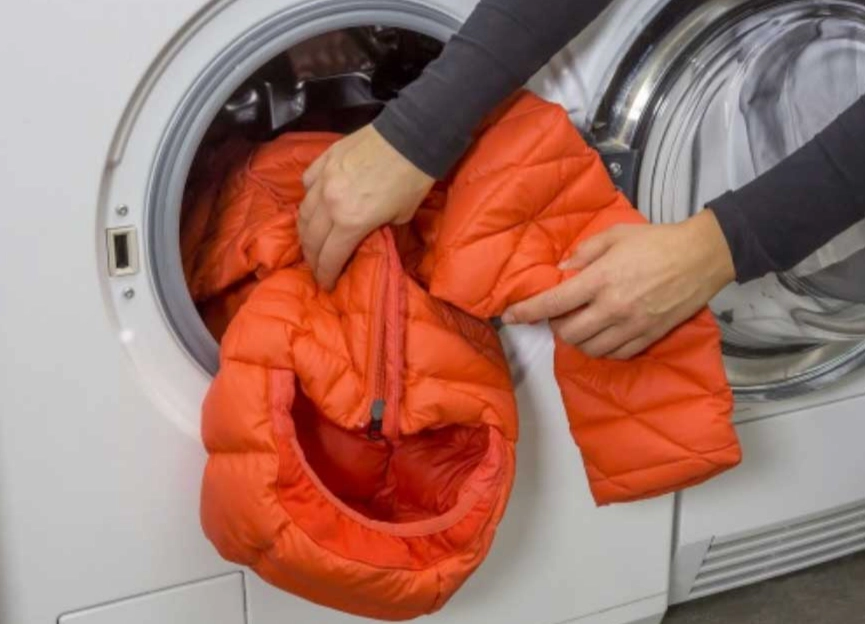
What's Inside: Your Quick Wash Guide
Why You Must Wash Your Down Jacket
Think about what your jacket goes through. A season's worth of city grime, coffee spills, and that time you got caught in the rain. That grime isn't just on the surface. It works its way into the down fill, coating the delicate filaments that create loft. When these filaments stick together, the insulating air pockets disappear. Your jacket feels flat and cold, even if the outer fabric looks fine.
Here's a subtle error few mention: waiting until the jacket "looks" dirty. By the time you see a stain, the oils have already started degrading the down's structure. Proactive cleaning, once or twice a season with heavy use, is far better than reactive scrubbing.
Regular washing also maintains water-repellent finishes (DWR) on the outer shell. Dirt clogs the microscopic pores of the finish. A clean jacket allows rain to bead up and roll off again. The Outdoor Industry Association notes that proper care is key to the performance and sustainability of technical apparel.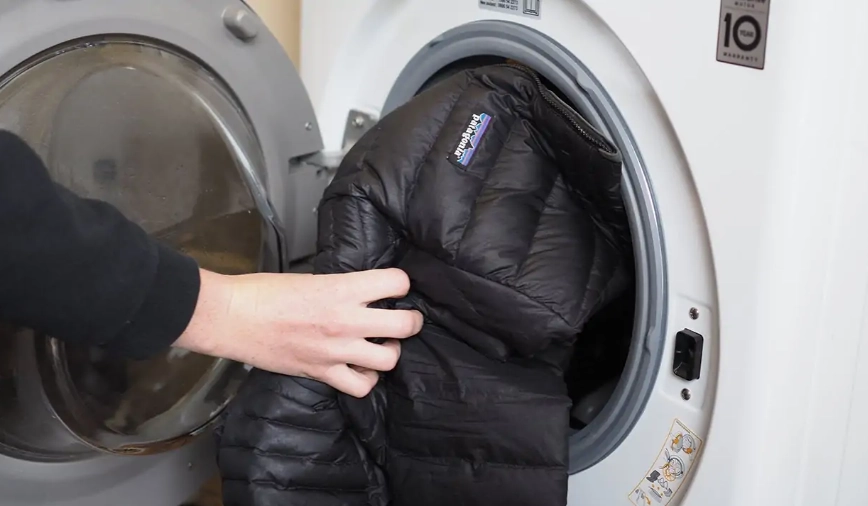
The Pre-Wash Checklist: Don't Skip This!
Twenty minutes of prep saves hours of headache. Get this right.
1. Read the Care Label. Seriously. It's not a suggestion. It's the manufacturer's blueprint. Look for symbols indicating machine washable (usually a tub with water) and tumble dry low. If it says "Dry Clean Only," consult the brand's website. Many, like Patagonia and The North Face, now recommend washing even their technical pieces at home. When in doubt, a quick call to customer service can clarify.
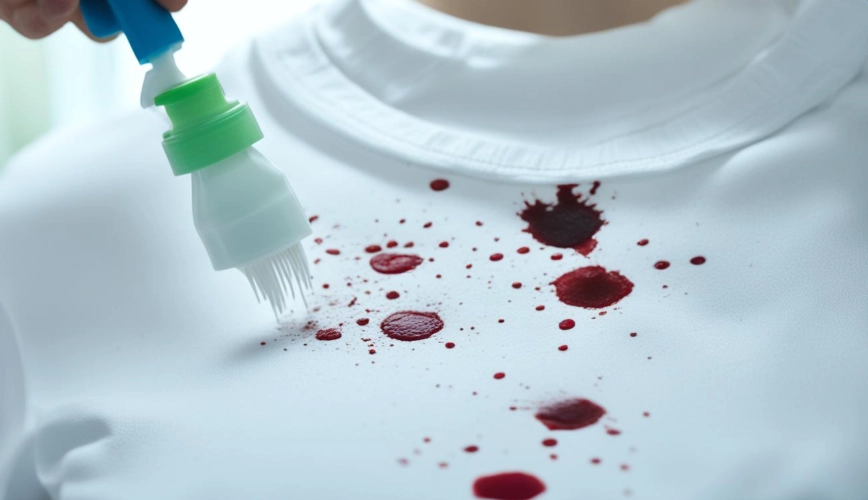
2. Treat Stains First. Don't just throw it in and hope. Apply a small amount of mild detergent (the same you'll use for washing) directly to greasy spots like collar edges or cuffs. Gently rub the fabric together. For oil-based stains, a pre-wash stain remover designed for delicates can work wonders. Let it sit for 10-15 minutes.
3. Zip All Zippers, Close All Velcro. This is non-negotiable. Open zippers can snag and tear the baffles (the fabric compartments holding the down). Velcro will grab onto everything, potentially pulling threads and damaging the liner. Fold and secure any loose straps.
4. Empty the Pockets. It sounds obvious, but a forgotten tissue or mint turns into a sticky, fibrous mess that coats the down. Check every pocket twice.
The Main Event: How to Wash Your Down Jacket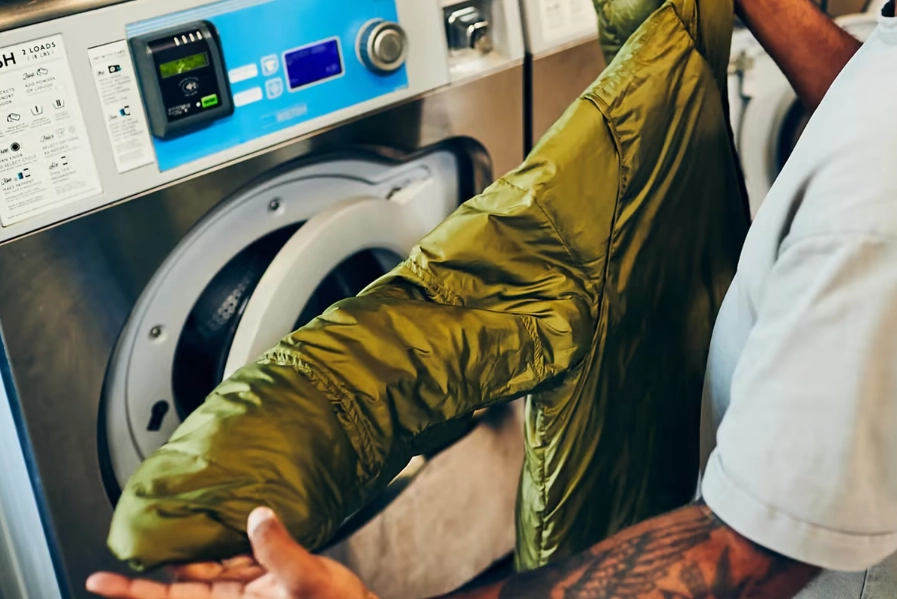
You have two good options: machine washing or hand washing. Machine is usually best for overall cleaning, while hand washing is great for spot cleaning or very old, delicate jackets.
Machine Washing: The Step-by-Step Process
This is my go-to method for a full refresh.
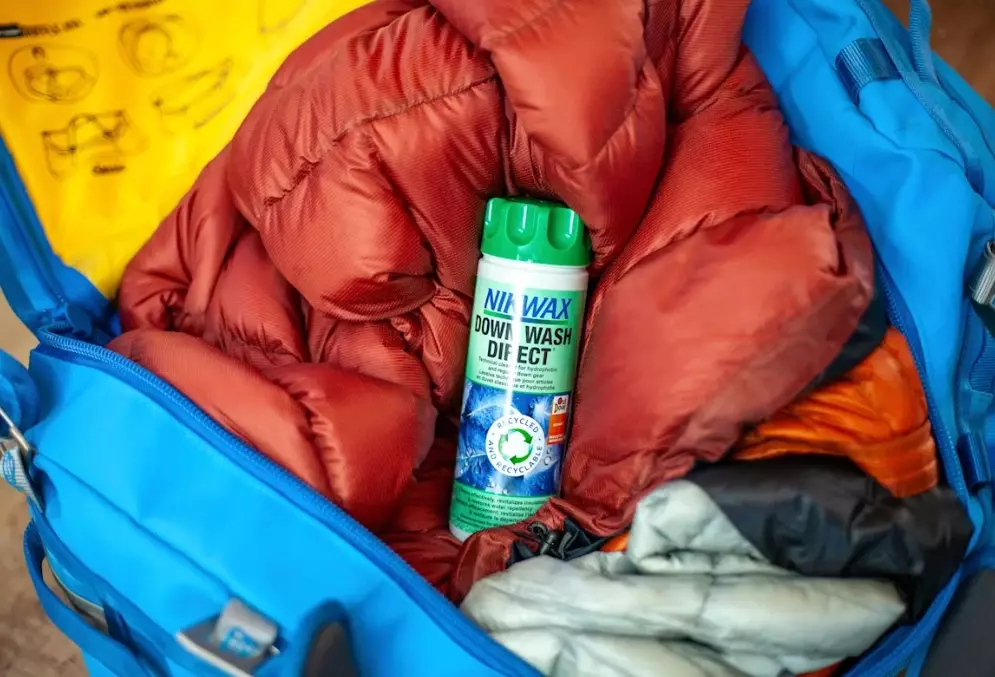
Step 1: Choose Your Detergent. This is where most people fail. Never use regular laundry detergent, fabric softener, or bleach. These contain additives and enzymes that strip natural oils from down, destroy DWR coatings, and leave residues that cause clumping. You need a down-specific or technical gear cleaner like Nikwax Down Wash Direct, Grangers Down Wash, or Gear Aid ReviveX. They're formulated to clean without compromising performance. If you're in a pinch, a tiny amount of mild, liquid, dye-free, and fragrance-free detergent can work, but it's a distant second choice.
Step 2: Load the Machine. Use a front-loading washing machine if possible. The agitator in a top-loader can be too harsh. If you only have a top-loader, use the gentle cycle and ensure the jacket has plenty of room to move freely—don't stuff it in. You can wash two jackets together to balance the load. Turn the jacket inside out to protect the outer fabric.
Step 3: Set the Cycle. Select the gentle or delicate cycle with cold or warm water (check the care label for max temperature, but lukewarm is generally safe). Always opt for an extra rinse cycle. This is crucial to ensure all soap residue is flushed out. Residue is the primary cause of down clumping after washing.
Step 4: Start the Wash. Add the detergent to the dispenser, not directly on the jacket. Let the machine do its work.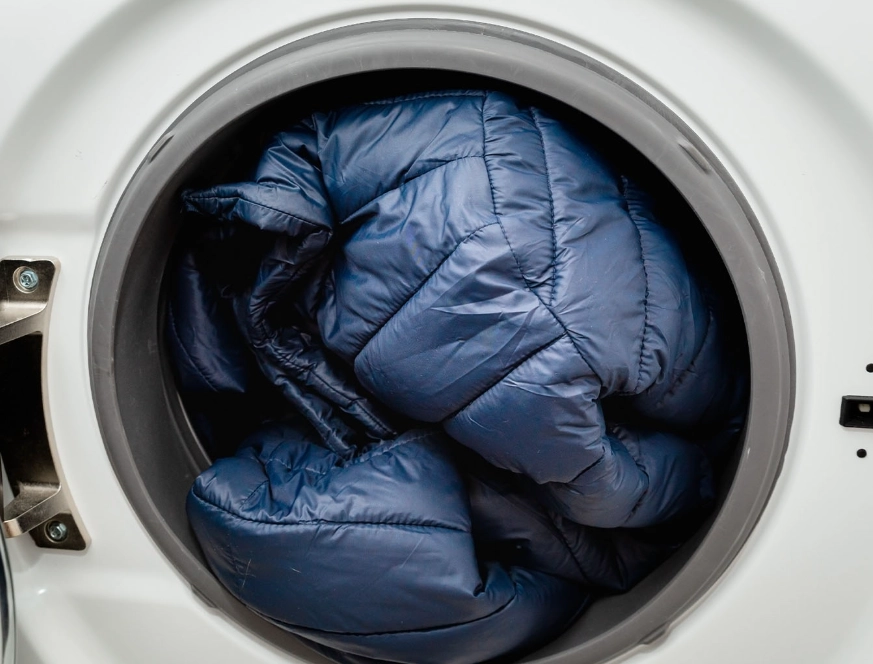
Hand Washing: The Gentle Alternative
Perfect for a light clean or if you're nervous about the machine.
Fill a bathtub or large basin with lukewarm water. Dissolve the recommended amount of down wash. Submerge the jacket and gently press it down, moving it around to let the soapy water penetrate. Let it soak for 15-30 minutes. Never wring, twist, or scrub aggressively. Drain the soapy water, then refill with clean water. Gently press and agitate to rinse. Repeat this rinse process 2-3 times until the water runs completely clear—no bubbles.
Drying: The Most Critical Step
This is where you win or lose. Rushing this will ruin all your good work. Down holds an incredible amount of water. It must be completely, utterly, 100% dry to prevent mildew and restore loft.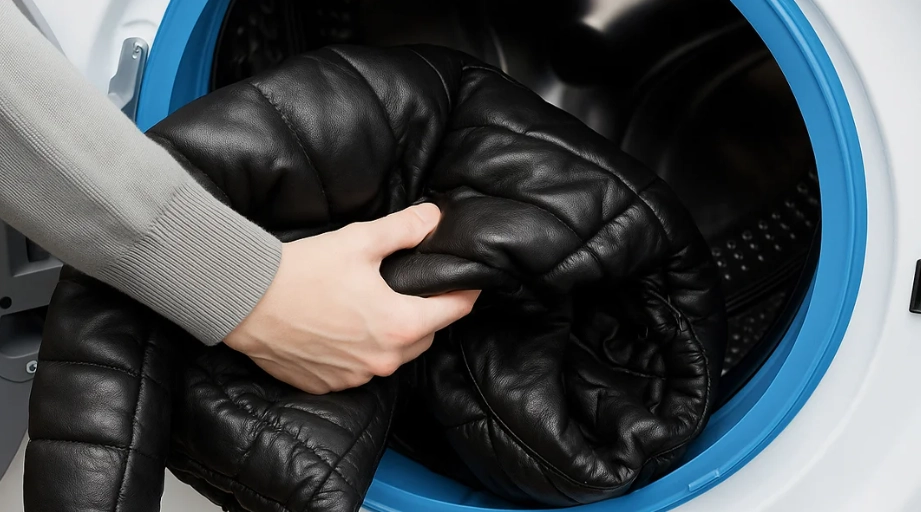
Step 1: Initial Water Removal. After the final spin cycle (if machine washing) or hand washing, do not wring the jacket. Instead, lay it flat on a thick, dry towel. Roll the towel and jacket up together like a burrito and press gently to absorb excess water. You may need to do this with a second dry towel.
Step 2: The Tumble Dry Method (Recommended).
- Place the jacket in a large dryer (again, front-loading is gentler).
- Set the dryer to LOW HEAT or AIR FLUFF (NO HEAT). High heat can melt the nylon shell and damage the down.
- Add 2-3 clean, dry tennis balls or dryer balls (like wool dryer balls). This is the classic trick. They bounce around, physically breaking up the damp down clumps as the jacket dries.
- Dry in 30-minute increments. After each cycle, stop the dryer, remove the jacket, and manually break apart any remaining clumps of down you feel through the fabric. This is hands-on work.
- Be patient. A thick jacket can take 2 to 3 hours to dry completely. The outside may feel dry while the down in the center of the baffles is still damp.
How to Test for Dryness: Don't just feel the shell. Pinch a baffle between your fingers. If you feel any coolness or moisture, or hear a faint crinkling, it's still damp inside. Keep drying.
Step 3: Air Drying (The Long Game). If you must air dry, lay the jacket flat on a drying rack in a well-ventilated area. Turn it every few hours. Fluff and massage the baffles constantly to break up clumps. This can take several days and carries a higher risk of mildew if not done in a dry space. I don't recommend it as the primary method.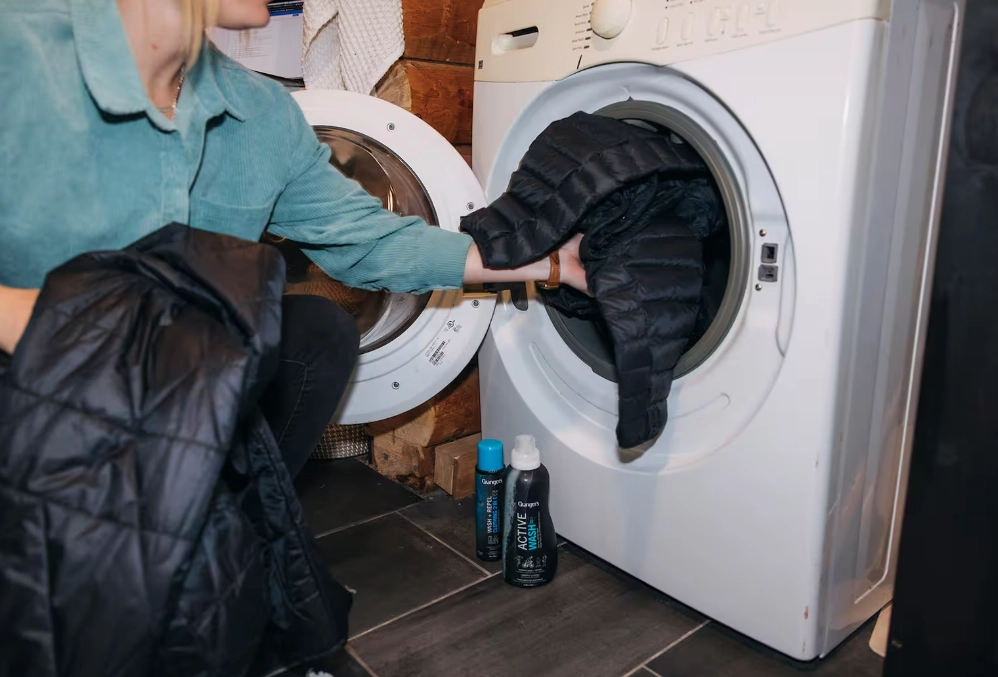
Special Cases & Pro Tips
Dealing with a Waterproof/Windproof Shell: Many down jackets have a DWR coating. Washing actually rejuvenates it by cleaning off the dirt. After washing and fully drying, you may need to reactivate the DWR. Tumble dry on low heat for 10-20 minutes. If water no longer beads up, you can apply a spray-on DWR treatment like Nikwax TX.Direct.
Restoring a Flat, Clumpy Jacket: Did you pull out an old, sad-looking jacket from storage? All is not lost. Wash it following the steps above. During the drying process with tennis balls, be extra vigilant in breaking up clumps. It may take an extra dry cycle. The down has likely lost some of its natural oils, but a thorough wash and dry can recover 80-90% of its loft.
Storage is Part of Care: Never store your down jacket compressed in its stuff sack for long periods. This permanently damages the down's structure. Store it hanging in a cool, dry closet, or loosely folded in a large cotton storage bag.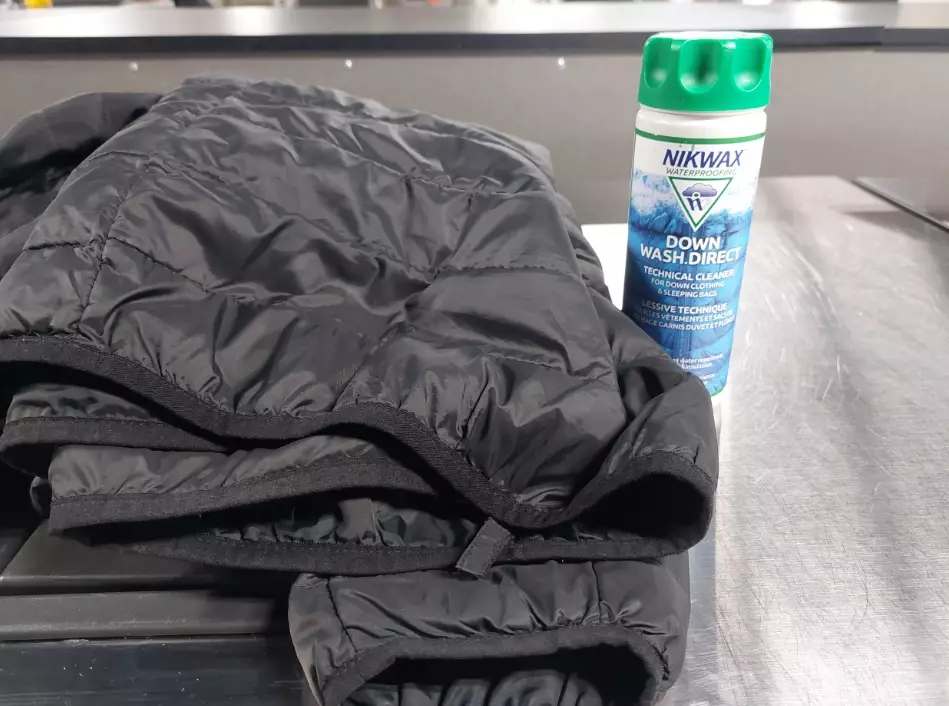
| Common Problem | Likely Cause | How to Fix It |
|---|---|---|
| Down clumping after wash | 1. Soap residue (incomplete rinsing). 2. Insufficient drying. 3. Wrong detergent. |
Re-wash with down-specific soap, use extra rinse, dry longer with balls. |
| Musty smell after storage | Mildew from residual moisture. | Wash immediately. Add a cup of white vinegar to the rinse cycle to neutralize odor. Ensure 100% dryness before storing. |
| Water soaks in, doesn't bead | DWR coating is dirty or worn. | Wash jacket to clean coating. Tumble dry to reactivate. If needed, apply a DWR spray. |
| Jacket feels less warm | Down is matted with dirt and oils. | A thorough wash and dry will restore loft and warmth. |
Your Down Jacket Wash Questions, Answered
Can I wash my down jacket if it has a waterproof coating?
Absolutely, and you should. Dirt blocks the coating. Washing with a technical cleaner removes the grime. The heat from tumble drying on low often reactivates the durable water repellent (DWR) finish. If water still soaks in after washing and drying, that's the time to use a spray-on DWR treatment, not before.
My jacket came out of the dryer with huge wet clumps. What now?
Stop the dryer. The down in the center of those clumps is still soaking wet, while the outer shell might feel dry. You need to manually break apart every single clump you can feel with your fingers. Then, restart the dryer on low heat with the tennis balls. This is why checking and breaking clumps every 30 minutes is non-negotiable.
 How often should I actually wash my down coat?
It depends on use. For a jacket worn daily in an urban environment through winter, once or twice a season is smart. For a ski jacket used mostly in cold, dry conditions, once at the end of the season may suffice. The visual test is unreliable. If it's been a year and you've worn it regularly, it probably needs a wash.
Is dry cleaning ever the right option for down?
Almost never. Traditional dry cleaning solvents can strip the natural oils from down permanently, leaving it brittle and destroying its loft. Some newer "wet cleaning" or "liquid CO2" professional services are down-safe, but you must verify this specifically with the cleaner. Home washing is almost always the safer, more effective choice.
Can I use hair dryer or heater to speed up drying?
Do not. Concentrated, direct heat is a disaster. It can scorch the thin nylon shell, melt seams, and cook the down clusters into hard, useless lumps. The gentle, ambient heat of a tumble dryer on low is the only safe heat source. Patience is not just a virtue here; it's the rule.