Let's be honest. We've all pulled a "clean" towel from the linen closet only to find it stiff as a board, smelling faintly of mildew, and about as absorbent as a plastic bag. You throw it in the wash again, maybe with extra detergent, but it never quite gets back to that fluffy, cloud-like state it had when it was new. What gives? The problem isn't your towels. It's almost certainly how you're washing them.
I ran a small bed and breakfast for years, going through hundreds of towels a week. Guests expect perfection. Through trial, error, and consulting with textile experts (like those at the American Cleaning Institute), I cracked the code. The method most people use—warm water, regular detergent, and fabric softener—is the exact recipe for ruining your towels. Here's everything I learned about how to wash towels the right way.
What You'll Learn in This Guide
- Why Getting It Wrong Costs You Money
- The Foolproof Step-by-Step Washing Process
- Choosing the Right Detergent: A Simple Comparison
- Why Drying Matters Just as Much as Washing
- Special Care for Different Towel Types
- How to Rescue and Restore Old, Scratchy Towels
- The 3 Most Common Mistakes (And How to Fix Them)
- Your Towel Washing Questions, Answered
Why Getting Your Towel Wash Routine Wrong Costs You Money
Think of a towel's fibers like tiny, thirsty sponges. Every time you use fabric softener or dryer sheets, you coat those sponges in a waxy, fatty film. One layer isn't bad. But over dozens of washes, the buildup becomes a waterproof barrier. That's why your towels repel water instead of soaking it up.
Then there's smell. Musty towels aren't just dirty; they're a sign of bacteria trapped deep in the damp fibers. Washing in cool water with a mild detergent often doesn't kill that bacteria—it just gives it a bath. The bacteria thrive, and the smell returns the moment the towel gets damp again.
Finally, abrasion. Tumbling with heavy jeans or zippered items literally sands down the cotton loops, breaking them and making the towel thin and rough. It's a slow death by a thousand spins.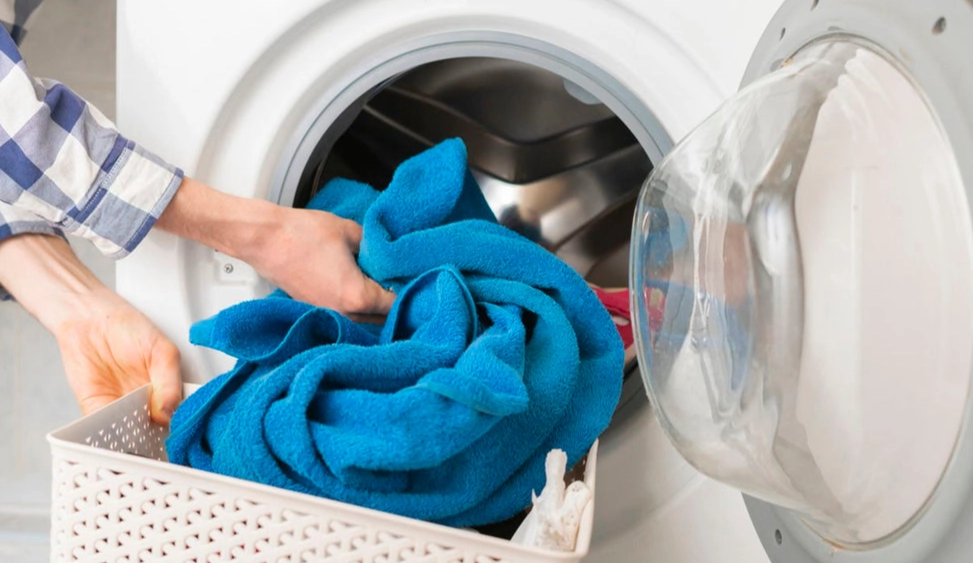
The Foolproof Step-by-Step Towel Washing Process
Follow this sequence every time. Consistency is key.
Step 1: Shake and Separate
Before they hit the hamper, give towels a good snap to shake off loose lint and hair. Wash towels only with other towels or similar lightweight linens. Never wash them with heavy items like denim, or with clothing that sheds lint (like fleece or fuzzy sweaters). The friction and lint transfer are murder on the pile.
Step 2: The Pre-Wash Ritual (For Heavily Used Towels)
For gym towels, beach towels, or anything that's been balled up damp: run a quick rinse cycle with just a half-cup of white vinegar. This loosens salt, sweat, and initial grime. It's a game-changer for preventing that locked-in sweat smell.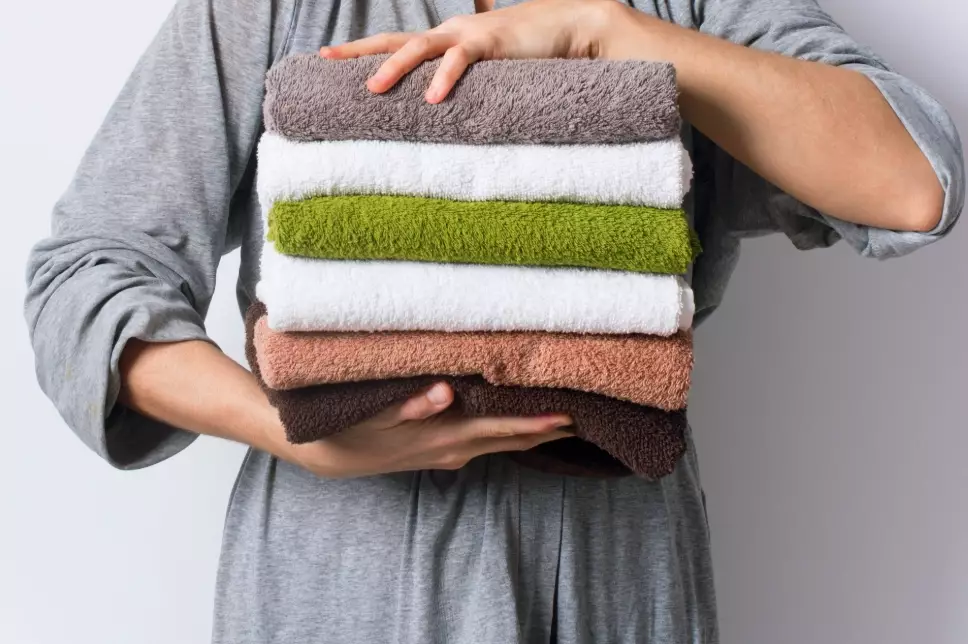
Step 3: Load and Set the Machine
Don't stuff the drum. Towels need room to agitate and rinse properly. Fill it no more than 3/4 full. Here are your non-negotiable settings:
- Water Temperature: Hot. I know, it goes against the "cold water saves energy" mantra. But for towels, you need hot water (at least 140°F/60°C) to dissolve body oils, kill bacteria, and ensure a deep clean. Save the cold washes for your bright-colored clothes.
- Cycle: Use a heavy-duty or sanitize cycle if you have it. A normal cycle often isn't long or aggressive enough to penetrate dense terry cloth.
- Extra Rinse: Always select this option. Towels are thirsty and hold onto detergent residue like nobody's business. An extra rinse ensures all soap is flushed out.
Choosing the Right Detergent: Less Is More
This is where most people go overboard. More soap does not mean cleaner towels. It means more residue. You want a detergent that's effective at cutting grease (body oils) and rinses cleanly.
| Detergent Type | Best For Towels? | Key Consideration |
|---|---|---|
| Liquid Detergent | Yes | Choose a simple, clear formula without dyes or heavy perfumes. Avoid "2-in-1" with built-in softener. |
| Powder Detergent | Excellent | Often contains water softeners. Dissolves perfectly in hot water and rinses cleaner than liquids. My personal favorite for towels. |
| Pods/Capsules | Use with Caution | Convenient, but the concentrated film can get trapped in towel folds and not fully dissolve, leading to spots and residue. |
| DIY/Natural Soaps (e.g., Soap Nuts) | Not Recommended | Often lack the surfactants needed to break down body oils effectively. Can leave towels feeling greasy. |
How much to use? Use half the amount recommended on the bottle for your load size. Seriously. For a standard load of towels, 1-2 tablespoons of liquid or powder is plenty. If you see suds in the final rinse cycle, you're using too much.
Why Drying Matters Just as Much as Washing
A perfect wash can be ruined by a bad dry. The goal is complete dryness, fast.
Tumble Drying (The Most Effective Method)
Shake towels vigorously before putting them in the dryer. This fluffs up the fibers. Dry on a medium or high heat setting. Don't use low heat—it takes forever and lets wrinkles and stiffness set in.
Stop the dryer when the towels are just dry, or even slightly damp. Over-drying on high heat for an extra 30 minutes is a major cause of fiber damage and brittleness. If you want to add something for static, throw in a couple of dryer balls (wool or plastic). They help separate the towels and improve airflow, reducing drying time. Never use dryer sheets. They leave the same coating as liquid softener.
Line Drying (The Fluff Challenge)
Sunshine is a natural disinfectant and bleacher, which is great. But line-dried towels can end up stiff. The trick is to give them a 10-minute tumble in the dryer after they're line-dried. This breaks up the stiff fibers and restores softness. If you must line-dry only, snap and shake the towels vigorously several times while they're drying.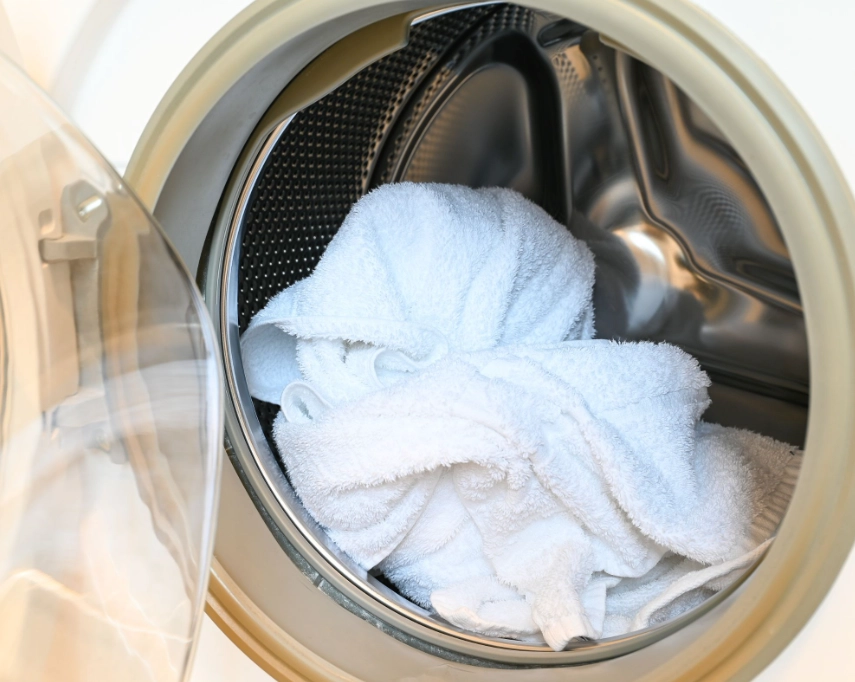
Special Care for Different Towel Types
Not all towels are created equal. Here’s the nuance:
- Egyptian or Turkish Cotton Towels: These are long-staple, luxury cottons. Use a gentle cycle if they are very delicate, but still with hot water. Be extra vigilant about separating them from abrasive items.
- Microfiber Towels: A different beast. Never use fabric softener or bleach. Wash them separately in warm (not hot) water with a mild detergent. Hot water can melt the tiny fibers. Tumble dry on low or no heat.
- Dark or Colored Towels: To prevent fading, wash them inside out in warm (not hot) water for the first few washes. After that, you can usually switch to hot. Use a detergent for colors.
- White Towels: Hot water is your friend. You can occasionally (every 4-6 washes) add half a cup of oxygen-based bleach (like OxiClean) to the drum to maintain brightness. Avoid chlorine bleach as it can weaken fibers over time.
How to Rescue and Restore Old, Scratchy Towels
Think your towels are beyond hope? Try this revival wash before you relegate them to rag status.
- Strip the Buildup: Run an empty wash on the hottest, longest cycle (sanitize) to clean your machine.
- Add your scratchy towels. Pour in 1/2 cup of washing soda (sodium carbonate, not baking soda), 1/2 cup of oxygen-based bleach, and a normal dose of your detergent (powder is best here).
- Run the cycle on hot with an extra rinse.
- Dry thoroughly. The difference can be shocking—it strips away years of residue, oil, and minerals, often restoring significant absorbency and softness.
This isn't something you should do monthly. Once or twice a year as a reset is plenty.
The 3 Most Common Towel Washing Mistakes (And How to Fix Them)
Let's cut to the chase. If you do nothing else, stop these three things.
1. Using Fabric Softener. This is the #1 enemy of towel absorbency. It's designed to coat fibers. Stop using it. Today. If you crave softness, use dryer balls and the vinegar rinse method mentioned in the FAQ.
2. Overloading the Washer. A crammed machine means towels can't move, rub against each other, or get rinsed properly. They come out with detergent still in them, which hardens as it dries. Give them space.
3. Letting Towels Sit Damp. A wet towel in a hamper or balled up on the floor is a bacterial party. Hang it to dry completely before tossing it in the laundry basket. This single habit prevents most mildew smells.
Your Towel Washing Questions, Answered
 What's the best way to get rid of a persistent mildew smell?